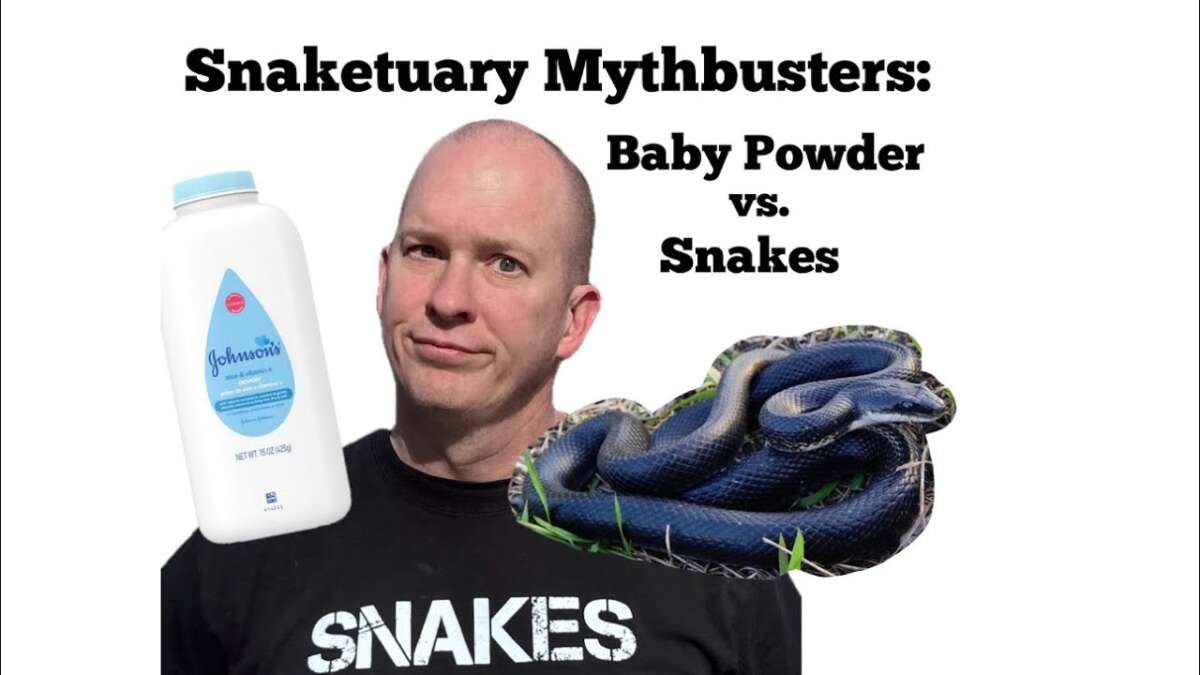
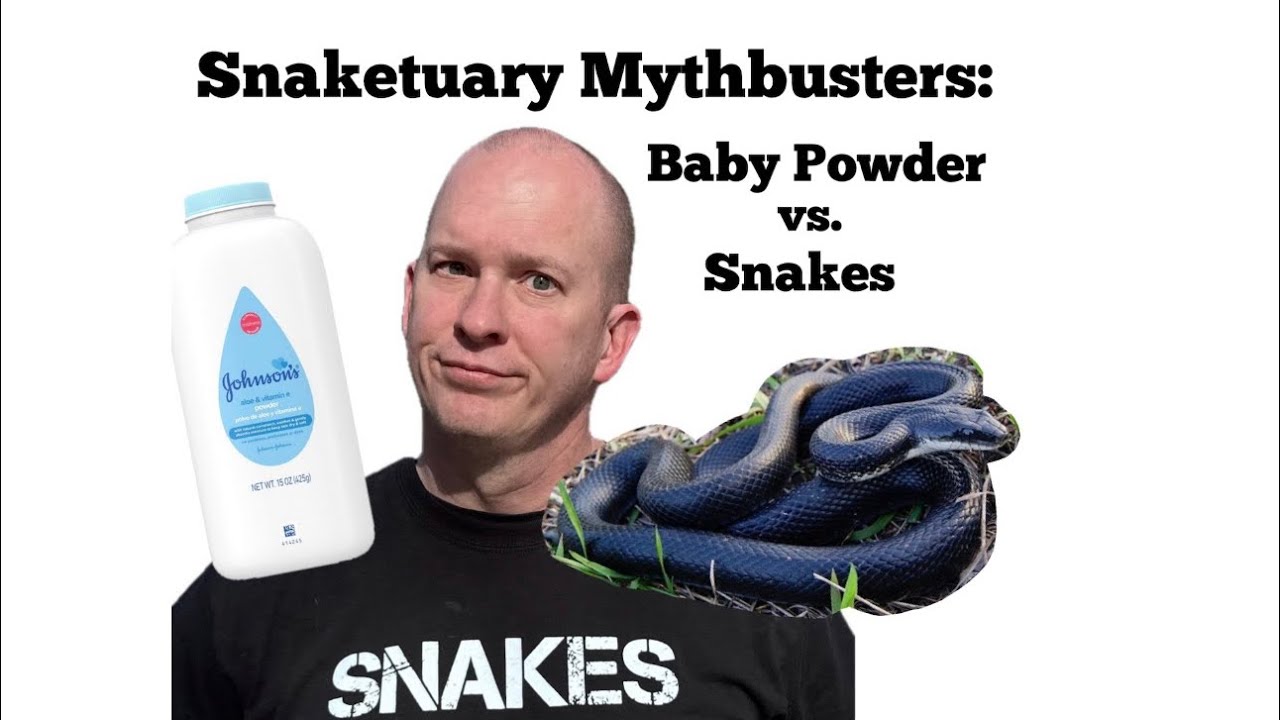
No, baby powder does not reliably keep snakes away, and it may create a false sense of security.
The question “does baby powder keep snakes away” often comes from old home remedies shared online. However, snakes do not avoid baby powder in any proven or dependable way. This guide explains what the powder can and cannot do, why the myth continues, and which safe methods work better for keeping snakes away from your home.
Does baby powder keep snakes away?
No, baby powder does not work as a proven snake repellent. There is no strong scientific evidence that talc, cornstarch, or scented baby powder creates a barrier that snakes will not cross.
Some people believe powder irritates a snake’s body or makes the ground difficult to cross. That idea sounds logical at first, but snakes move over many types of dry soil, dust, sand, and fine debris in nature. A thin layer of powder is not likely to stop a determined snake from reaching food, water, shade, or shelter.
The answer to “does baby powder keep snakes away” is especially important for homeowners who live near woods, fields, wetlands, or rocky areas. These habitats naturally attract snakes, and powder cannot remove the conditions that bring them close.

Why do people think baby powder repels snakes?
The baby powder myth may come from confusion with other pest-control powders. Some products used for insects can dry out or harm small pests, but that does not mean they repel snakes. Snakes are reptiles with scales, lungs, and sensory systems that differ greatly from insects.
Baby powder may also be mistaken for substances that cause irritation. Strong chemicals, dust, or smoke can make many animals move away for a short time, but that does not make them safe or effective snake control methods.
Another reason the myth spreads is timing. If someone puts powder near a doorway and does not see a snake afterward, it may seem that the powder worked. The snake may simply have moved in another direction, found a different shelter, or never planned to cross the area.
This is why the question “does baby powder keep snakes away” needs more than a simple yes or no. A useful repellent should work consistently, be tested, and address snake behavior. Baby powder meets none of these standards.

How snakes find their way around your property
Snakes usually enter yards because they find food, cover, water, or comfortable temperatures. They do not usually visit because they are attracted to baby powder, mulch, or a particular scent.
Common features that attract snakes include:
• Tall grass and thick weeds that provide cover
• Wood piles, loose boards, and discarded items
• Rock piles and gaps beneath sheds
• Rodents, frogs, lizards, and insects
• Birdseed that attracts mice
• Leaky outdoor faucets and pet water bowls
• Compost piles and dense garden plants
• Open spaces beneath doors, decks, and foundations
A snake may also follow prey into a garage or shed. For example, a mouse problem can become a snake problem because snakes are natural predators of rodents.
In my experience reviewing pest-control cases and home wildlife concerns, the most common mistake is focusing on the snake instead of the habitat. Homeowners often search for a powder or scent while leaving food and hiding places untouched. Removing those attractants is usually more useful than scattering any household powder.
Can baby powder hurt snakes?
Baby powder is not a safe or responsible snake-control product. Some powders contain talc, while others use cornstarch and added fragrance. Breathing fine powder can irritate the lungs of people and pets, especially in enclosed spaces.
A snake that moves through powder may also carry it into cracks, vents, or other areas. Loose powder can become airborne when swept, disturbed, or blown by a fan. It is not worth creating a respiratory risk for a method that has not been shown to work.
Never pour powder directly onto a snake. Do not try to trap, handle, or poison a snake with household products. Many snakes are harmless, and even nonvenomous snakes can bite when frightened.
If you see a venomous snake or cannot identify the species, keep children and pets indoors. Give the animal space and contact local animal control or a licensed wildlife professional.
What actually keeps snakes away?
Effective snake prevention focuses on exclusion and habitat control. Think of your property as a home with an open door. Baby powder does not close the door, but sealing gaps and removing shelter can make the property less inviting.
Seal entry points
Inspect your home, shed, garage, and crawl space for openings. Snakes can enter through surprisingly small gaps, especially around doors and foundations.
Check these areas:
• Gaps beneath garage doors
• Cracks in the foundation
• Openings around pipes and utility lines
• Damaged vents and screens
• Spaces beneath porches and decks
• Gaps around shed doors
Use materials suited to the opening. Door sweeps, hardware cloth, mortar, and weather-resistant sealant can help. A professional should repair larger foundation gaps.
Remove hiding places
Keep firewood raised and stored away from the house. Remove piles of lumber, scrap metal, unused planters, and dense debris. Trim plants so the area near walls remains visible and easy to inspect.
Snakes prefer places where they can hide from predators and rest without being noticed. A clean, open yard gives them fewer reasons to stay.
Control rodents
Rodent control is one of the most effective ways to reduce snake visits. Store birdseed and pet food in sealed containers. Clean spilled seed quickly and avoid leaving pet food outside overnight.
Use humane and legal rodent-control methods. If the problem is large, contact a licensed pest professional. Removing prey is often more effective than trying to repel the snake itself.
Reduce water and moisture
Repair dripping faucets and leaking hoses. Empty containers that collect rainwater. Keep pet water bowls away from doors and inspect areas where irrigation creates wet soil.
Water attracts frogs, insects, and rodents. Those animals can then attract snakes.
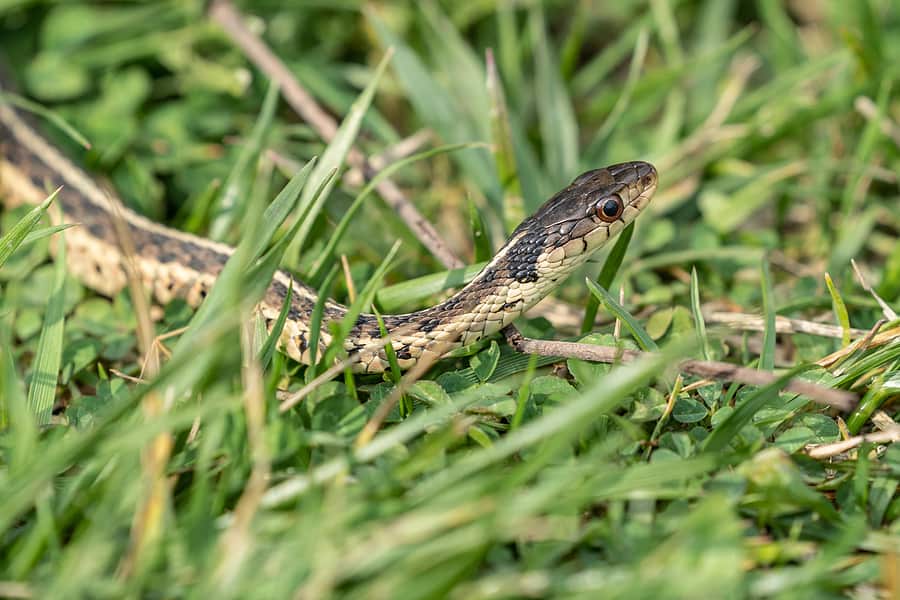
Do commercial snake repellents work?
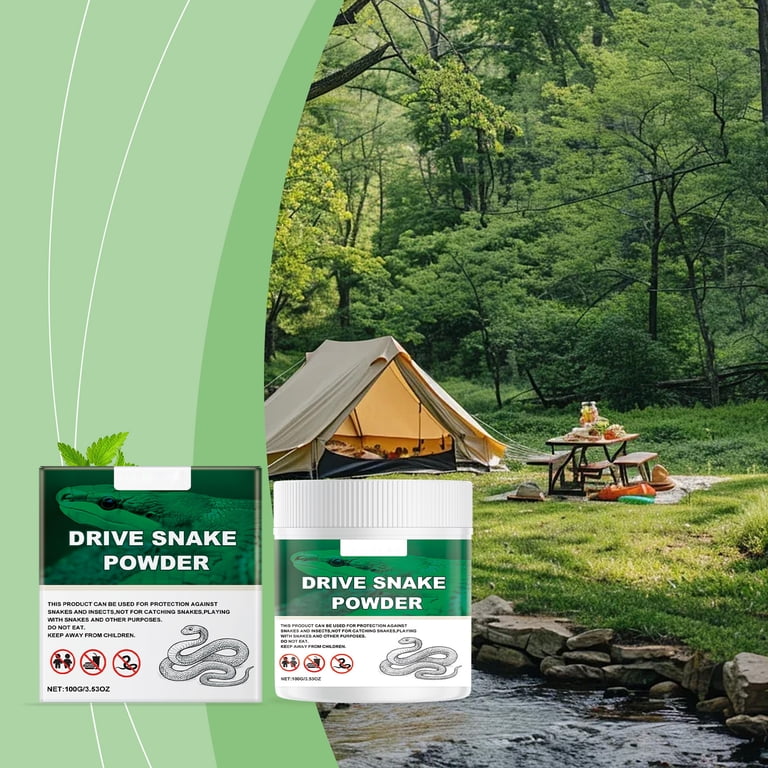
Commercial snake repellents have mixed results. Many products use sulfur, essential oils, or other strong-smelling ingredients. Some may cause short-term avoidance in certain situations, but outdoor conditions quickly reduce their effect.
Rain, wind, sunlight, soil type, and plant growth can all change how a repellent performs. A product may also fail if a snake has a strong reason to enter, such as food or shelter.
Before buying a snake repellent, check whether the product is registered for its intended use in your area. Follow the label carefully, and keep products away from children, pets, ponds, and edible plants.
Be cautious with products that promise to create a perfect snake-free barrier. No powder or scent can guarantee that snakes will never cross a property. Good prevention combines sealing, cleanup, rodent control, and safe response practices.

Natural snake deterrents: what to know
Many websites recommend cinnamon, ammonia, sulfur, mothballs, lime, or essential oils. These remedies are popular, but popularity is not proof of effectiveness.
Mothballs are especially risky. They contain pesticides designed for use in airtight containers against clothes moths. Using them outdoors can expose people, pets, soil, and wildlife to harmful chemicals. They should never be scattered around a yard to repel snakes.
Ammonia can irritate the eyes and lungs. Mixing cleaning products can release dangerous fumes. Essential oils may irritate pets and wildlife, and their effects usually fade quickly outdoors.
If you want a low-risk approach, focus on physical changes rather than strong scents:
• Keep grass short
• Remove clutter
• Seal cracks
• Store food securely
• Reduce rodent activity
• Keep shrubs trimmed from walls
• Use outdoor lighting near doors when appropriate
These steps do not promise instant results, but they address the reasons snakes visit.

What to do if you find a snake
Stay calm and move away slowly. Most snakes do not want to fight and will try to escape when given room.
Follow these steps:
-
Keep children and pets indoors.
-
Do not touch, corner, or strike the snake.
-
Watch its location from a safe distance only if you can do so safely.
-
Close nearby doors that lead into the home.
-
Contact local animal control or a trained wildlife professional.
-
After removal, inspect the area for gaps, prey, and shelter.
Do not rely on color alone to identify a venomous snake. Patterns can vary, and harmless species may resemble dangerous ones. A clear photograph taken from a safe distance may help an expert, but do not approach the snake to get a better picture.
Snake bites require urgent medical care. Do not cut the wound, apply ice, use a tourniquet, or try to suck out venom. Call emergency services and follow professional instructions.

Common mistakes when trying to repel snakes
The biggest mistake is trusting a single home remedy. Whether the product is baby powder, sulfur, or a strong scent, one treatment rarely solves a habitat problem.
Other mistakes include:
• Leaving pet food outside
• Keeping firewood against the house
• Ignoring gaps under doors
• Using mothballs outdoors
• Trying to catch a snake by hand
• Killing a snake without identifying it
• Spraying chemicals near pets or gardens
• Forgetting to repair rodent entry points
Another common mistake is cleaning only after seeing a snake. Prevention works best as a routine. Walk around your property every few months and look for new cracks, clutter, standing water, or signs of rodents.
The practical lesson is simple: ask why the snake is there. Once you remove food, cover, and access, your property becomes less attractive without relying on an untested remedy.
Frequently Asked Questions About Does Baby Powder Keep Snakes Away
Does baby powder keep snakes away from beds?
No, baby powder does not reliably keep snakes away from beds or bedrooms. Seal gaps around doors, windows, vents, and floors, and contact a wildlife professional if a snake enters the home.
Does baby powder keep snakes away from a yard?
No, sprinkling baby powder around a yard is not a proven method of snake control. Removing brush, clutter, rodents, and standing water is a safer and more dependable approach.
Does scented baby powder repel snakes?
There is no strong evidence that scented baby powder repels snakes. Fragrance may fade quickly outdoors, and it does not prevent a snake from entering an area with food or shelter.
Does baby powder keep snakes away from dogs and cats?
No, baby powder should not be used as a snake deterrent around pets. It may become airborne or be licked by an animal, so use physical prevention and keep pets away from snakes.
What powder keeps snakes away?
No household powder has been proven to create a reliable snake barrier. Avoid using mothballs, pesticides, or harsh chemicals outdoors, and focus on sealing openings and removing habitat.
Will baby powder stop a snake from crossing a line?
Probably not. A snake can cross dust and fine particles, so a line of baby powder is unlikely to stop it from reaching shelter, water, or prey.
Conclusion
So, does baby powder keep snakes away? No. It is an unproven home remedy and should not replace proper snake prevention.
The best approach is to seal openings, remove clutter, control rodents, reduce moisture, and keep grass and plants managed. If you see a snake, give it space and call a trained professional when needed.
Take a careful walk around your property today and fix the conditions that attract snakes. For more practical wildlife and pest-control advice, explore trusted local resources or share your experience in the comments.