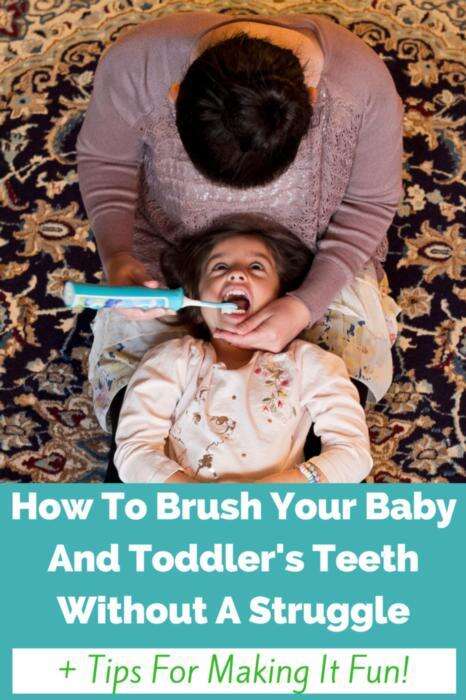
Brush your baby’s teeth twice daily with a tiny smear of fluoride toothpaste and a soft, small toothbrush.
Learning how to brush baby teeth is easier when you use a calm routine, gentle pressure, and the right amount of fluoride toothpaste. This guide explains advice used in pediatric dental care, including when to start, how to handle teething, common mistakes, and when your baby should see a dentist.

When Should You Start Brushing Baby Teeth?
Start brushing as soon as your baby’s first tooth appears. You do not need to wait until your child has several teeth. Even one tooth can develop decay when it meets milk, formula, juice, or food often.
Before teeth appear, wipe your baby’s gums with a clean, damp washcloth. This removes milk residue and helps your baby get used to mouth care. It also makes the first toothbrush feel less strange.
The American Dental Association and the American Academy of Pediatric Dentistry recommend brushing twice a day with fluoride toothpaste as soon as the first tooth comes in. Make the evening brushing part of your baby’s bedtime routine.
What You Need to Brush Baby Teeth
A few simple items are enough. You do not need expensive tools or a large dental kit.
Choose:
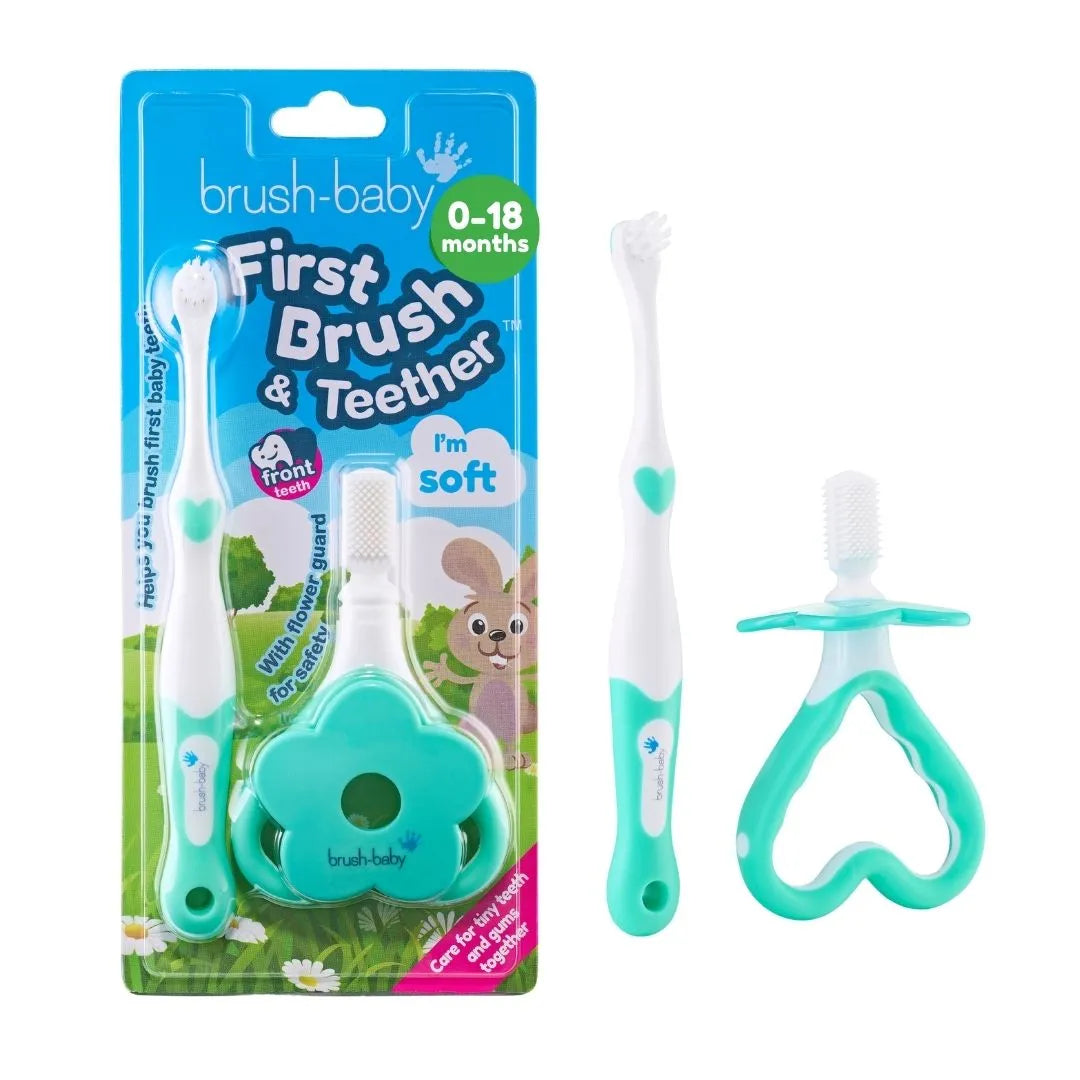
• A soft baby toothbrush with a very small head
• A wide, easy to hold handle
• Fluoride toothpaste made for children
• A clean cup or washcloth
• A safe place where you can see inside your baby’s mouth
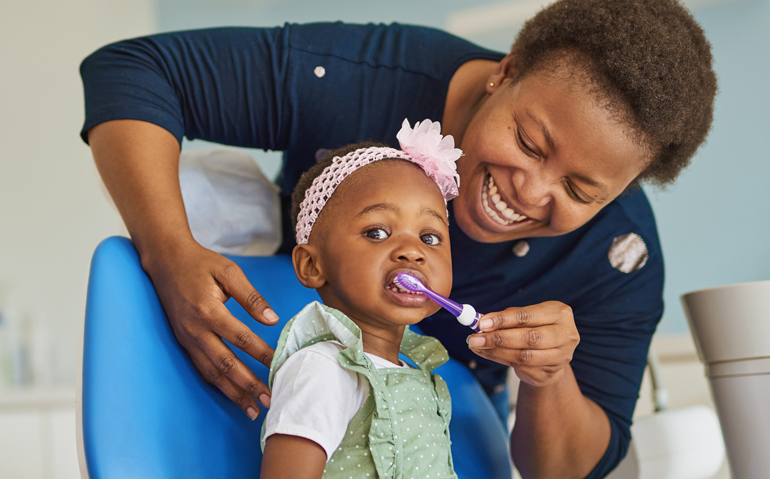
A soft toothbrush protects the gums while cleaning the tooth surface. Avoid hard bristles, adult toothbrushes, and brushes with large heads. They can feel uncomfortable and may make your baby resist brushing.
A silicone finger brush may help some parents begin. However, it may not clean as well as a small toothbrush, especially as more teeth appear. Use it as a starting tool, not as a long-term replacement for a regular toothbrush.

How Much Fluoride Toothpaste Should You Use?
Use a smear of fluoride toothpaste about the size of a grain of rice for children younger than 3 years. This tiny amount is enough to help protect the teeth without giving your baby too much toothpaste.
Children ages 3 to 6 usually need a pea-sized amount. They should also learn to spit instead of swallowing the toothpaste.
Fluoride strengthens tooth enamel and helps prevent cavities. The amount matters because babies may swallow most of what is placed on the brush. Do not cover the full brush with toothpaste.
If your baby lives in an area with uncertain water fluoride levels or has a higher risk of cavities, ask a dentist for personal advice. Do not remove fluoride toothpaste without speaking with a dental professional.
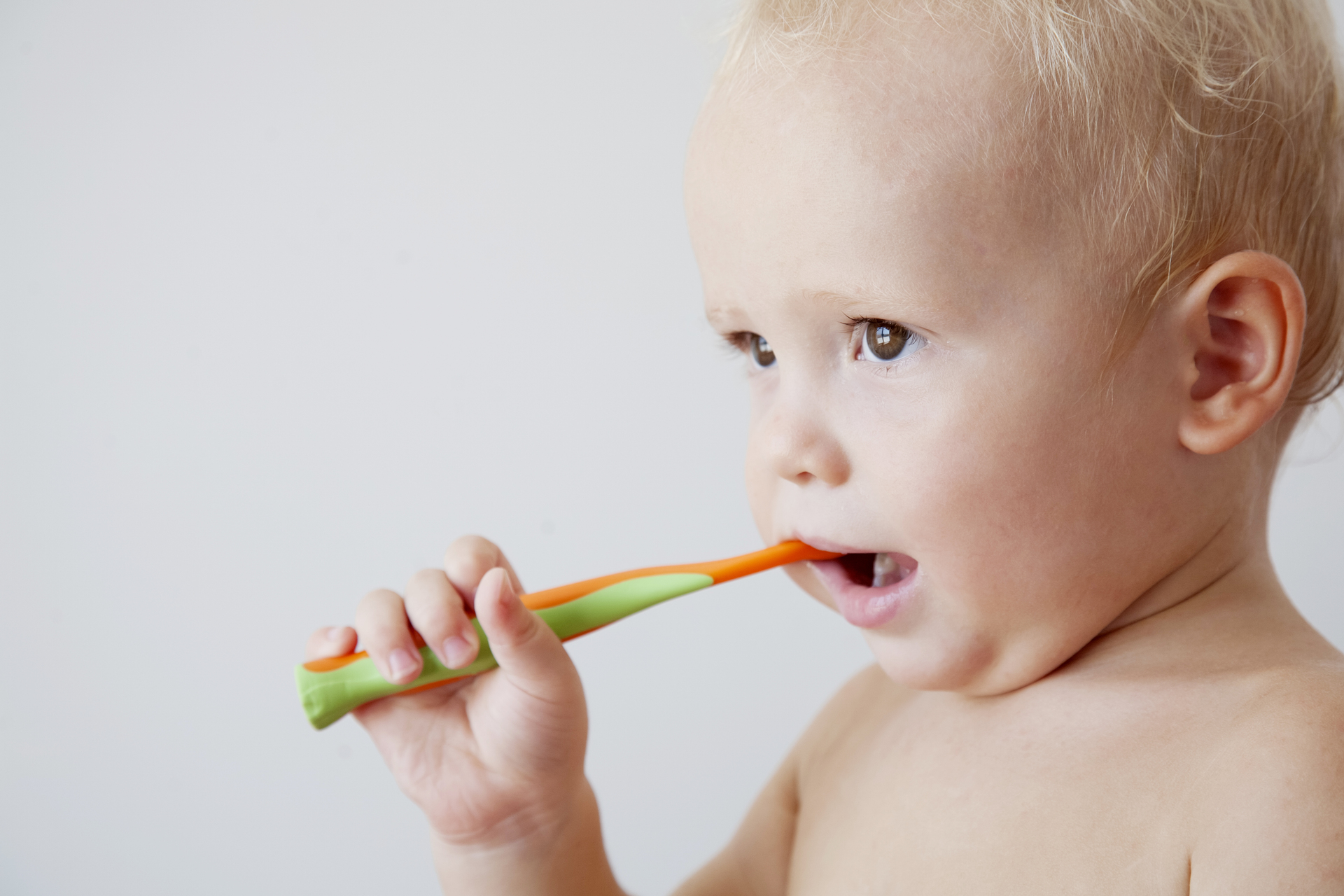
How to Brush Baby Teeth Step by Step
Learning how to brush baby teeth is mostly about creating a steady pattern. Use gentle movements and keep the process short.
-
Wash your hands before brushing.
-
Place a tiny smear of fluoride toothpaste on the brush.
-
Sit your baby on your lap or stand behind your child in front of a mirror.
-
Lift the lip gently to see the teeth and gum line.
-
Brush the front, back, and chewing surfaces of each tooth.
-
Use small circles or short back-and-forth strokes.
-
Brush along the gum line without pressing hard.
-
Brush for about two minutes when possible.
-
Encourage your baby to spit, but do not worry if a young baby cannot spit yet.
-
Rinse the toothbrush and store it upright so it can air dry.
A helpful trick is to brush your baby’s teeth while your child lies back against your chest. This gives you a better view and keeps your hands steady. You can also brush your own teeth first so your baby sees that brushing is a normal family habit.
Many parents find that singing the same short song makes brushing easier. The song becomes a gentle timer and gives your baby something familiar to focus on.
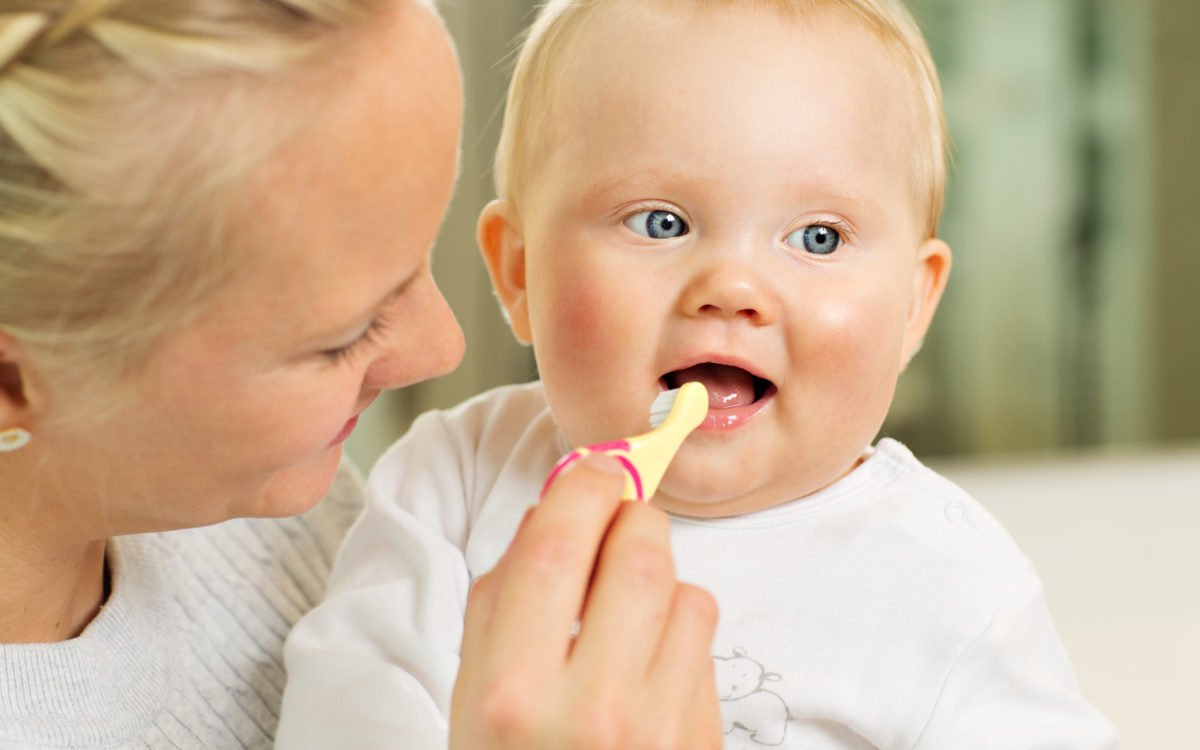
How to Hold Your Baby During Brushing
Position can make a big difference. A moving baby is hard to brush safely, and rushing can lead to missed spots.
Try one of these positions:
• Hold your baby on your lap with the head resting against your chest.
• Lay your baby on a changing pad while you stand at the head.
• Sit behind your child and gently support the chin.
• Brush in front of a mirror so your baby can watch.
Use one hand to lift the upper lip and the other hand to guide the brush. Be gentle around the gums, especially when teeth are coming through.
It is normal for babies to fuss. Crying may open the mouth and give you a better view, but never force the brush deep into the mouth. Stop if your baby is choking, gagging, or becoming unsafe, then try again when your child is calm.

Tips for Brushing a Resistant Baby’s Teeth
Some babies welcome a toothbrush. Others treat it like an unwanted guest. Resistance does not mean you are doing something wrong.
Use these practical ideas:
• Let your baby hold a second toothbrush while you brush.
• Offer two toothbrush colors and let your child choose.
• Brush in the same place and at the same times each day.
• Use a song, rhyme, or short story.
• Give your baby a safe mirror to watch the process.
• Praise cooperation instead of demanding perfection.
• Keep your voice calm and your movements slow.
• Try brushing after a bath when your baby may feel relaxed.
A common mistake is stopping whenever a baby cries. This can teach the child that crying ends brushing. A better approach is to comfort your baby, keep the brushing brief, and try again later if the situation becomes unsafe.
Another lesson many parents learn is that allowing a baby to “brush alone” is not enough. Babies can practice holding the brush, but an adult must clean the teeth until the child has the coordination to do it well.

How to Brush Baby Teeth During Teething
Teething can make the gums sore and swollen. Your baby may resist brushing because the mouth feels tender.
Use a very soft brush and light pressure. You can also offer a chilled teething ring before brushing. Avoid frozen objects because they may injure the gums.
Do not skip brushing for several days. Plaque still collects during teething, and brushing can help keep new teeth clean. If the gums bleed lightly after gentle brushing, continue carefully and mention it to your child’s dentist if it continues.
Avoid numbing gels unless a health professional specifically recommends one. Some products can be unsafe for babies. Never rub alcohol or other home remedies on the gums.

How to Prevent Cavities in Baby Teeth
Brushing is important, but daily habits also affect cavity risk. Baby teeth are small, yet they guide chewing, speech, and the position of adult teeth.
Help protect your baby’s teeth by following these habits:
• Brush twice each day.
• Use fluoride toothpaste in the correct amount.
• Avoid putting your baby to bed with a bottle of milk or formula.
• Do not let your baby sleep with a bottle unless a health professional gives different advice.
• Offer water between meals when your baby is ready.
• Limit juice and sweet drinks.
• Do not share spoons or clean a pacifier with your mouth.
• Schedule the first dental visit by the first birthday or when the first tooth appears.
Milk, formula, and juice contain sugars that can feed harmful mouth bacteria. When these liquids stay on the teeth for hours, especially overnight, the risk of early childhood cavities rises.
Breastfeeding has many health benefits, but frequent nighttime feeding after teeth appear may still contribute to decay in some children. Ask your pediatric dentist for advice that fits your baby’s feeding pattern.
When Should a Baby First See a Dentist?
Your baby should see a dentist by age 1 or within six months of the first tooth appearing. This visit is usually simple. The dentist checks the teeth, gums, jaw, and risk of decay.
The appointment also gives you a chance to ask about fluoride, teething, pacifiers, bottles, thumb sucking, and brushing technique. Early visits help children become familiar with dental care before a problem develops.
Call a dentist sooner if you notice:
• White, brown, or black spots on a tooth
• Swollen or bleeding gums
• A broken or chipped tooth
• Pain during feeding or brushing
• Facial swelling or fever
• A tooth that turns gray after an injury
Facial swelling, trouble breathing, or trouble swallowing needs urgent medical attention. Dental infections can become serious in babies.
Common Mistakes When Brushing Baby Teeth
Even caring parents can make brushing harder than it needs to be. Knowing the common mistakes can help you build a better routine.
Using too much toothpaste
A large amount does not clean better. It only increases the amount your baby may swallow. Use a rice grain smear for children under 3.
Brushing only the front teeth
Food and plaque can collect behind the teeth and along the gums. Brush every surface you can reach.
Waiting until the child can brush alone
Young children lack the hand control needed for a full cleaning. Let them practice, then brush again yourself.
Using water instead of fluoride toothpaste
Water removes some residue but does not offer the cavity protection of fluoride toothpaste. Use fluoride toothpaste unless your dentist advises otherwise.
Sharing toothbrushes
Germs can pass between family members. Each person needs a separate toothbrush.
Replacing the toothbrush too rarely
Replace the brush every three months or sooner if the bristles look worn, bent, or dirty. Replace it after an illness if your dentist recommends it.
A Simple Daily Routine
A predictable routine helps your baby understand what comes next. Try this simple plan:
Morning:
• Brush after breakfast when practical.
• Use a rice grain smear of fluoride toothpaste.
• Brush all tooth surfaces and the gum line.
Night:
• Brush after the last food or milk when possible.
• Avoid putting your baby to bed with a bottle.
• Keep the routine calm and quiet.
• Finish with brushing so the teeth stay clean during sleep.
If morning brushing happens before breakfast, that is still useful. The most important goal is brushing twice each day, with the nighttime brushing being especially consistent.
Some days will be messy. Your baby may bite the brush, turn away, or cry. Consistency matters more than a perfect performance every time.
What to Do If Your Baby Swallows Toothpaste
A tiny amount of swallowed fluoride toothpaste is usually not a cause for concern. Babies often cannot spit, so using the correct small amount is important.
Do not give large amounts of water or try to make your baby vomit. If your child swallows a large quantity, contact Poison Control or a health professional for advice. In the United States, Poison Control can be reached at 1-800-222-1222.
Store toothpaste where children cannot reach it. Toothpaste is meant for brushing, not eating.
Frequently Asked Questions About How to Brush Baby Teeth
When should I start brushing my baby’s teeth?
Start brushing when the first tooth appears. Before then, wipe the gums with a clean, damp cloth to build a healthy mouth care routine.
How often should I brush baby teeth?
Brush baby teeth twice each day. Use fluoride toothpaste and give extra attention to the nighttime brushing because saliva flow decreases during sleep.
Can I use fluoride toothpaste for my baby?
Yes. Use a smear about the size of a grain of rice for children younger than 3 years, unless your dentist gives different advice. Fluoride helps strengthen enamel and prevent cavities.
What if my baby refuses to open their mouth?
Try brushing while your baby rests against your chest or lies back in your lap. Use a song, a mirror, or a second toothbrush, and keep the routine calm and brief.
Should I brush my baby’s teeth after every feeding?
Twice daily brushing is the standard goal. Wiping the mouth or offering water at suitable times may help remove residue, but water does not replace fluoride toothpaste.
When should my baby first visit a dentist?
Schedule the first dental visit by the first birthday or within six months of the first tooth appearing. Earlier care can help find early problems and show you how to brush baby teeth correctly.
Is it safe if my baby swallows a small amount of toothpaste?
A small rice grain smear is designed for young children who may swallow some toothpaste. Contact Poison Control or a health professional if your baby swallows a large amount.
Conclusion
Knowing how to brush baby teeth means using a soft brush, a tiny smear of fluoride toothpaste, gentle strokes, and a twice daily routine. Start with the first tooth, clean every surface, and make the process calm and predictable.
Your baby does not need a perfect routine on day one. Keep practicing, ask a pediatric dentist for help when needed, and schedule the first dental visit by age 1. Small habits now can protect your child’s smile for years, so begin tonight and explore trusted dental resources for more guidance.