
Children typically lose 20 baby teeth between about ages 6 and 12.
I’ve worked with families and dental teams for years, and I’ll walk you through exactly how many baby teeth do you lose, when they come out, why timing varies, and practical care tips. This guide blends clinical facts, real-life experience, and clear advice so you can feel confident supporting your child through every wiggly tooth.
How many baby teeth do you lose?
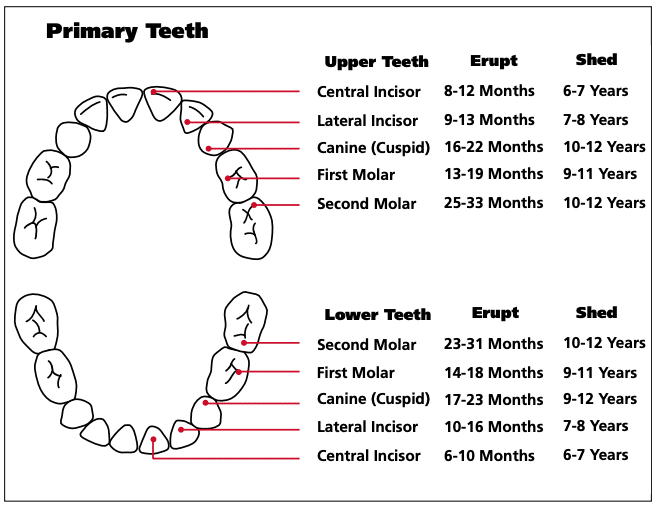
When people ask how many baby teeth do you lose, the simple, clear answer is 20 primary (baby) teeth are shed to make room for 32 adult teeth. Those 20 teeth include incisors, canines, and molars. Losing these teeth is a natural milestone that marks a child’s dental development.
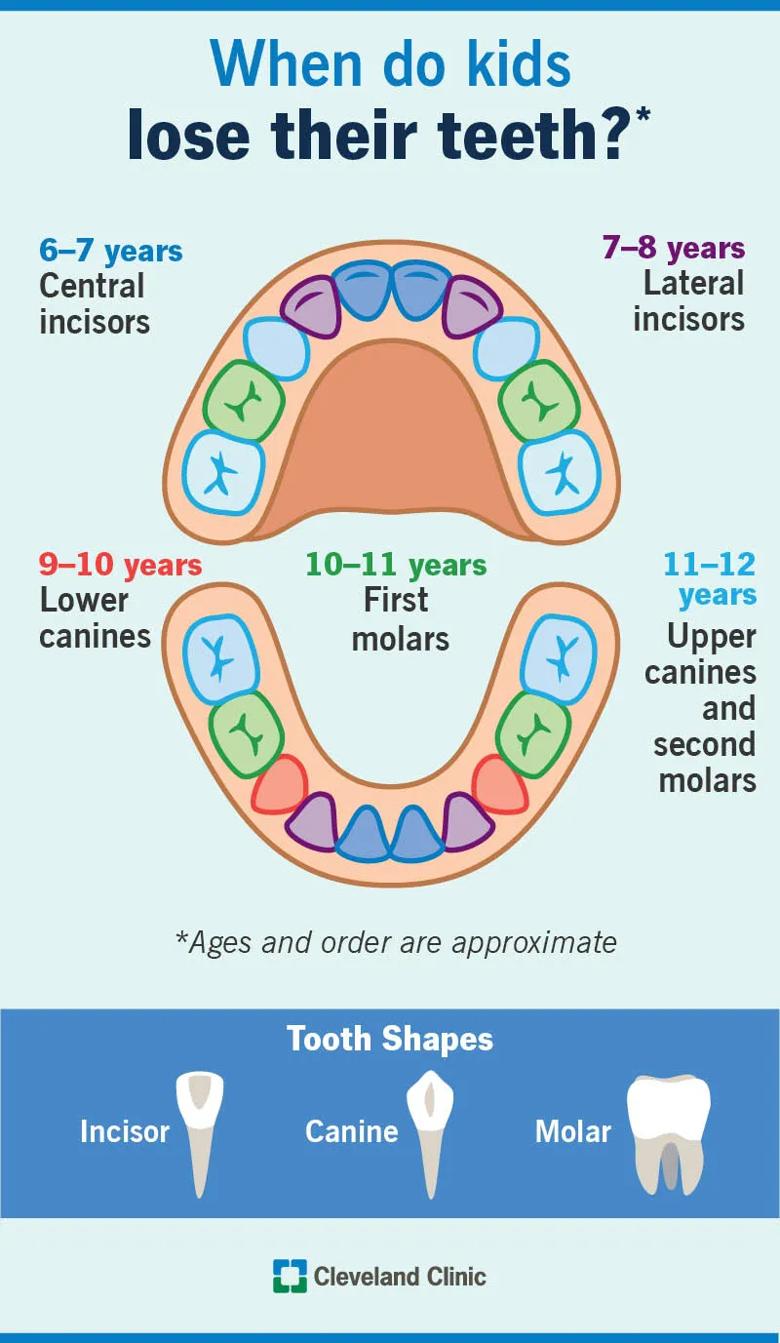
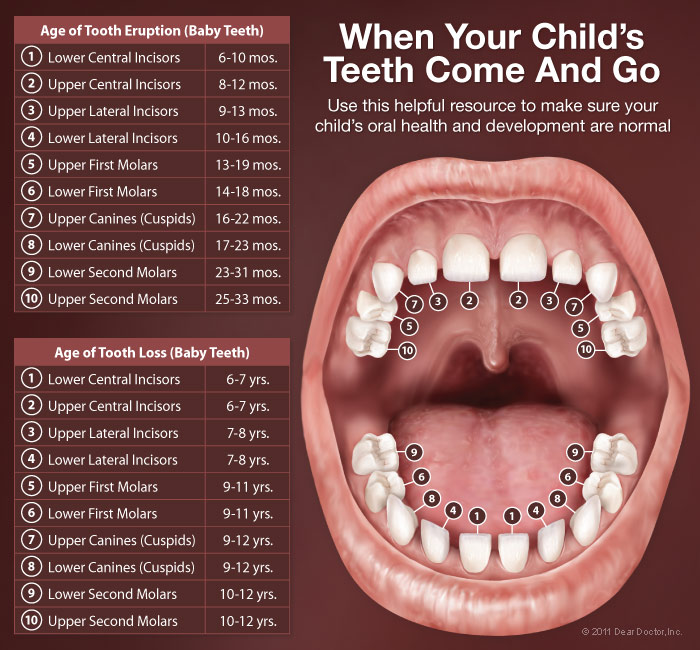
Children usually start losing baby teeth around age 6 and finish by about 12 or 13. Genetics, nutrition, and early dental care all influence the exact timing. Expect variation—some kids start earlier, some later—and that’s often normal.
Typical timeline and order for losing baby teeth
Knowing the usual pattern helps you spot normal progress and unusual delays.
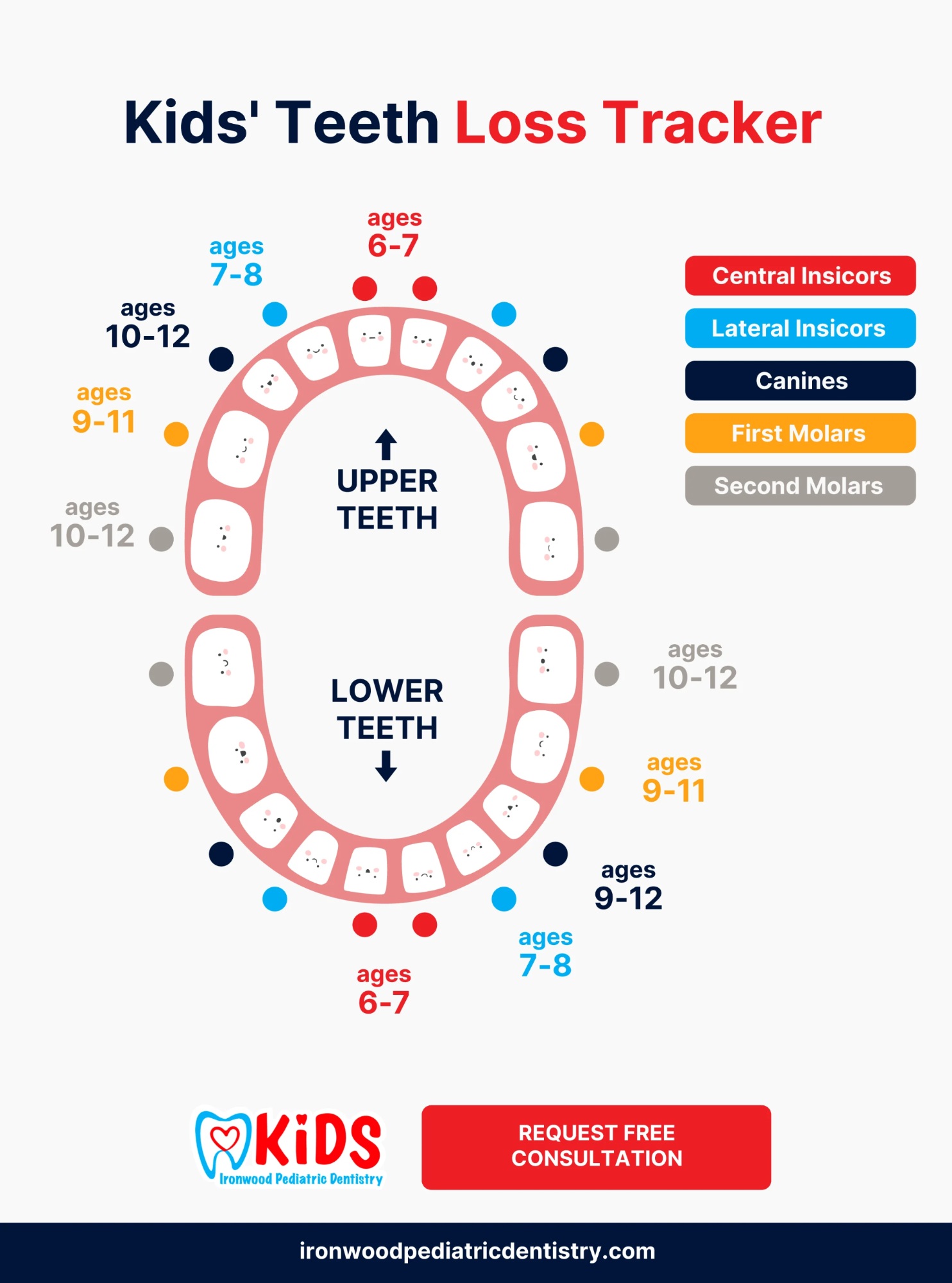
- Lower central incisors fall first. These are often the first to wiggle, commonly around age 6.
- Upper central incisors follow soon after, usually between ages 6 and 8.
- Lateral incisors and first molars come next, generally between ages 7 and 9.
- Canines (cuspids) and second molars are usually last, lost between ages 9 and 12.
Remember that the timeline above answers how many baby teeth do you lose in a practical way: all 20 primary teeth come out gradually in a predictable order. If your child’s pattern is very different, make a note and discuss it at their dental visit.

Why baby teeth fall out: causes and normal variations
Baby teeth fall out because adult teeth push through and resorb the roots of baby teeth. This natural process clears the way for permanent teeth.
Common reasons and variations include:
- Natural exfoliation: The main reason baby teeth fall out is root resorption caused by incoming adult teeth.
- Early loss from decay or injury: Cavities or trauma can cause premature loss, changing spacing and eruption timing.
- Late shedding: If an adult tooth is missing or impacted, the baby tooth can stay longer than usual.
- Genetics and growth: Family patterns often predict timing and tooth size.
If you wonder how many baby teeth do you lose and why some fall out early or late, think of tooth loss as both biological timing and a reflection of dental health.

Caring for loose and falling baby teeth
Good care makes the experience easier and protects oral health.
- Comfort and hygiene: Encourage gentle brushing and rinsing with water. Use a damp gauze if needed to clean around the wiggly tooth.
- Dealing with pain: Over-the-counter children’s pain relievers can help; follow dosing instructions. A cold compress reduces swelling after trauma.
- When to let the tooth come out naturally: Most loose teeth detach on their own. Help only if the tooth is very loose and ready.
- Avoid risky pulling: Don’t yank a tooth that isn’t ready; that can cause bleeding or damage.
Parents often ask how many baby teeth do you lose and worry about pain or infection. With steady care and a calm approach, most children handle this transition with little trouble.
When to see a dentist about baby teeth
Some situations need professional attention. Visit your dentist if:
- A baby tooth is very loose but not falling out by the expected age.
- A tooth was knocked out or there is persistent bleeding or swelling.
- There are signs of infection: fever, pus, or bad smell.
- Spacing problems appear early or multiple teeth are missing.
Asking “how many baby teeth do you lose” is useful, but also track timing. A dentist can X-ray to check for missing or impacted permanent teeth and advise on treatment or referrals.
Personal experience and practical tips
I’ve helped many parents navigate losing baby teeth. One little patient lost a front tooth at 4 after a fall; we managed pain, ensured the area stayed clean, and monitored for proper adult tooth development. That child later had normal adult tooth eruption with minimal intervention.
Practical tips I use and recommend:
- Keep short tooth-brushing sessions fun. Sing a short song to encourage consistent brushing.
- Pack soft snacks when a tooth is wiggly to avoid discomfort.
- Save keepsake notes or photos for milestones—losing that first tooth is memorable.
- Schedule a dental check when the first teeth begin to wiggle so the dentist can plan for healthy adult teeth.
These small steps help parents feel prepared and keep the transition smooth. If you’re tracking how many baby teeth do you lose, a simple chart or app can be reassuring.
Common myths and misconceptions about baby teeth
Separating fact from fiction helps parents act wisely.
- Myth: Baby teeth aren’t important because they fall out. Fact: Baby teeth hold space for adult teeth and affect speech and chewing.
- Myth: Losing baby teeth early always hurts adult tooth alignment. Fact: Early loss can affect spacing, but dentists can recommend solutions like space maintainers.
- Myth: Adult teeth come in immediately after a baby tooth falls. Fact: Timing varies; sometimes weeks or months pass before the permanent tooth erupts.
Understanding how many baby teeth do you lose is more than counting—it's about managing health, timing, and expectations.
Quick questions people often ask
How long does a loose baby tooth take to fall out?
Most loose baby teeth fall out within days to a few weeks once they become very mobile.
Can a baby tooth be saved if it's damaged?
If the root is intact and there’s no severe infection, a dentist may save a damaged baby tooth with treatment.
Do baby teeth roots dissolve completely?
Yes, root resorption usually dissolves the baby tooth root, allowing the tooth to loosen and fall out naturally.
Is it normal for only one side to lose teeth first?
Yes, asymmetric timing is common. Tooth eruption and shedding don’t always mirror both sides perfectly.
Frequently Asked Questions of how many baby teeth do you lose
How many baby teeth do you lose in total?
Children lose 20 baby teeth in total as their permanent set of up to 32 adult teeth emerge.
At what age do kids start losing baby teeth?
Most kids begin losing baby teeth around age 6, though it can start as early as 4 or as late as 8 without concern.
Is it normal for a baby tooth to stay until the teenage years?
A baby tooth that remains into the teen years may indicate a missing adult tooth or delayed eruption; consult a dentist for evaluation.
What should I do if my child swallows a baby tooth?
If a child swallows a tooth, it’s usually harmless; watch for choking and consult a dentist or doctor if you have concerns.
Can losing baby teeth cause speech changes?
Temporary speech changes can occur, but most resolve as adult teeth come in and the child adapts.
Conclusion
You and your child will typically go through the natural process of losing 20 baby teeth between about ages 6 and 12. Keep oral care consistent, stay calm during wiggly-tooth moments, and seek dental advice for unusual timing, pain, or trauma. Takeaway: track milestones, encourage good hygiene, and consult your dentist when in doubt. If this guide helped, share it with other parents, subscribe for more child dental tips, or leave a comment with your wiggly-tooth stories.