
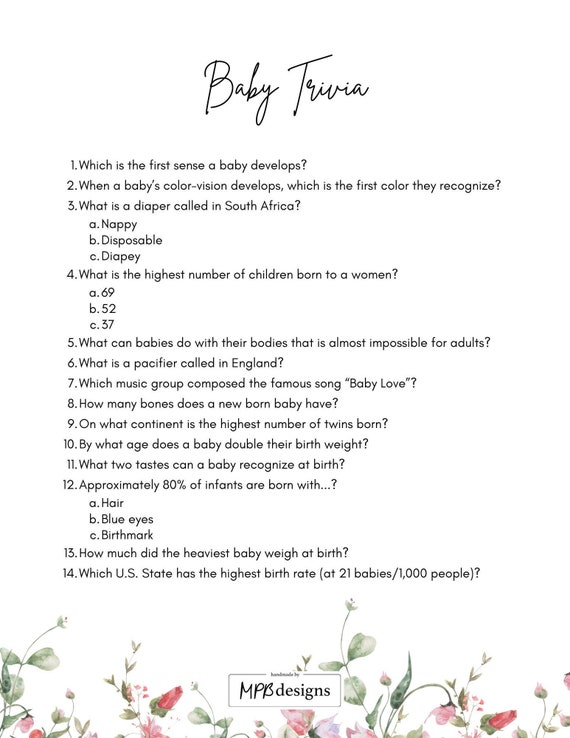
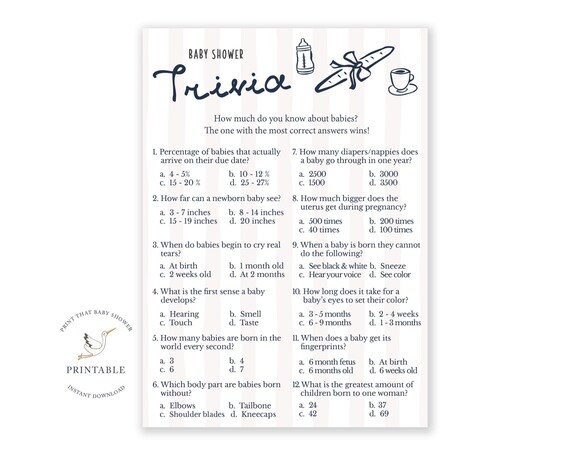
Touch is the first sense a baby develops, beginning early in pregnancy before hearing, sight, or clear taste.
If you are wondering what is the first sense a baby develops, the answer is touch. A baby can begin to sense gentle contact in the womb long before birth, while the other senses mature at different times. Understanding this timeline helps parents see how early babies begin to connect with their bodies, their surroundings, and the people who care for them.
What Is the First Sense a Baby Develops?
Touch is usually considered the first sense a baby develops. The earliest touch receptors form around the mouth and face during the first trimester. As pregnancy continues, touch sensitivity spreads across more of the body.
This early sense gives the developing baby basic information about movement and contact. A baby may respond to pressure from the uterine wall, movement in the womb, or contact with the umbilical cord.
The exact timing can vary. Each pregnancy is different, and scientists study fetal development through imaging, anatomy, and patterns of movement. Still, touch consistently appears before the other major senses.
When parents ask what is the first sense a baby develops, I explain it this way: touch is the baby’s first window into the world. It is like the first small lamp turning on in a dark room.

When Does a Baby First Develop Touch?
Touch begins developing very early in pregnancy. Many medical references place the first touch receptors around the lips and nose at about 7 to 8 weeks after conception, which is about 9 to 10 weeks of pregnancy when counted from the last menstrual period.
By about 12 to 14 weeks, sensitivity may extend to other parts of the face. Over the next several weeks, touch receptors continue to develop on the palms, feet, arms, legs, and trunk.
These dates are estimates, not strict deadlines. Fetal development happens gradually, and researchers cannot measure every sensation directly. A baby may have developing touch pathways before showing a clear, organized response.
A simple timeline
• Around 7 to 8 weeks after conception: Touch receptors begin forming near the mouth and face.
• Around 12 to 14 weeks: Sensitivity may spread across more areas of the body.
• Around 18 to 20 weeks: The baby often moves more, and the nervous system continues to process body sensations.
• During the third trimester: Touch, movement, balance, and body awareness become more coordinated.
The answer to what is the first sense a baby develops remains touch, even though the sense becomes more refined over many months.
How Does a Baby Experience Touch in the Womb?
A baby does not experience touch exactly as an older child or adult does. The brain and nerves are still growing. However, the baby can receive signals from contact and pressure inside the uterus.
The baby may touch the uterine wall, place a hand near the face, suck a thumb, or move against the umbilical cord. These actions may help the brain build early links between movement and sensation.
The fluid around the baby also changes the experience. It cushions contact and allows the baby to move freely. The womb is not a silent or empty place. It offers steady pressure, motion, warmth, and rhythmic sounds.
Touch also supports early body awareness. When a baby moves an arm and feels that movement, the developing nervous system begins to connect action with sensation. This process later helps with feeding, balance, reaching, and other skills.

What Senses Develop After Touch?
Touch comes first, but the other senses begin developing soon after. Their timelines overlap, so there is no single day when one sense suddenly switches on.
Smell and taste
Taste buds begin forming early in pregnancy. By the second trimester, the baby may swallow amniotic fluid, which can carry mild traces of flavor from the parent’s diet.
Research suggests that babies can show preferences for some flavors before birth. For example, sweet tastes may lead to more swallowing, while bitter tastes may lead to less. These responses do not mean a fetus has adult-like food preferences.
Smell also develops before birth. Because smell and taste are closely linked, early exposure to familiar scents and flavors may help shape a newborn’s response to certain foods later.
Hearing
The structures of the ear begin forming early, but functional hearing develops over time. By about 18 weeks of pregnancy, a baby may begin detecting internal sounds, such as the parent’s heartbeat and digestive activity.
By the third trimester, babies may respond to louder sounds or familiar voices. A newborn may calm when hearing a parent’s voice because that sound was heard often before birth.
A baby’s hearing is not fully mature at birth. Newborns can hear, but their ability to locate sounds and understand speech develops through continued growth and experience.
Sight
Vision is usually the last major sense to mature. The eyes begin forming early, but the visual system needs more time to develop.
A fetus may detect changes in light late in pregnancy, especially when strong light reaches the abdomen. Still, vision in the womb is limited because the uterus is dark and the baby’s eyelids remain closed for much of development.
Newborn vision is blurry. Babies see best at a close distance, usually around 8 to 12 inches, which is about the distance to a caregiver’s face during feeding.

Why Touch Matters So Much After Birth
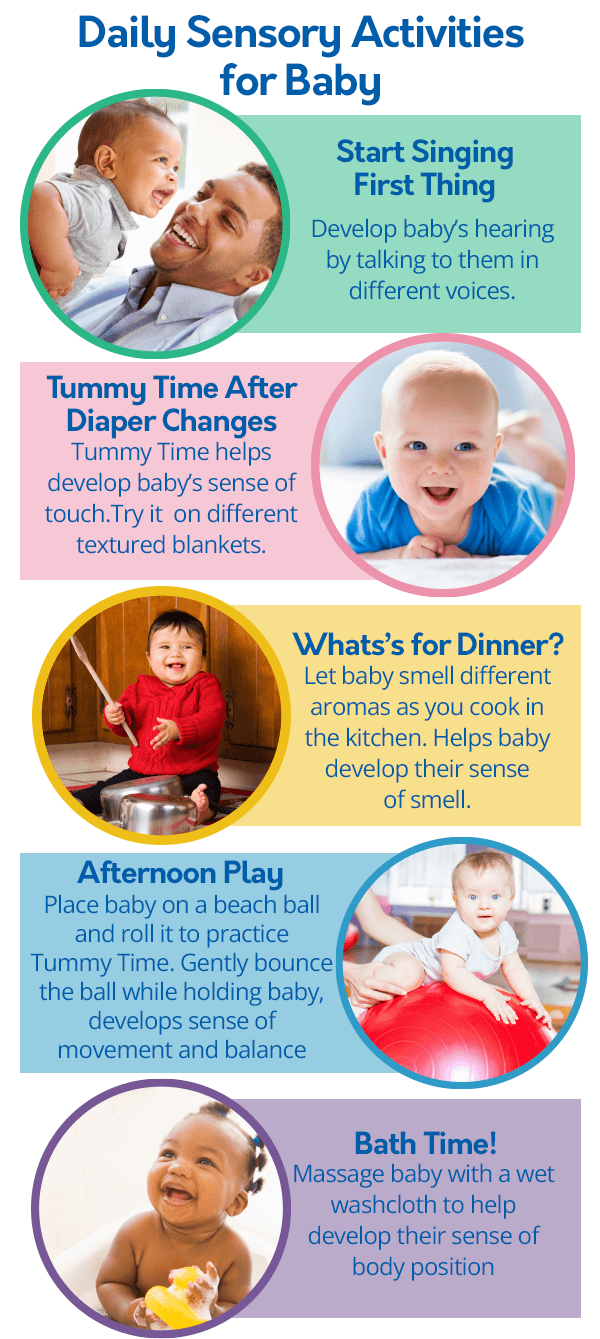
Touch remains central after birth. Skin-to-skin contact can help a newborn stay warm, support steady breathing, and promote calm behavior. It also gives parents a simple way to build closeness during a major life change.
A newborn learns through touch during feeding, holding, bathing, diaper changes, and gentle rocking. These daily moments are not just chores. They are early lessons in safety and trust.
Touch can also help parents notice changes. A baby’s skin may feel warmer with a fever or cooler when the baby needs another layer. However, touch alone cannot confirm a medical problem. Use a thermometer and contact a health professional when needed.
In my experience explaining early development to new parents, many worry that they need special toys or complex activities. They usually do not. A calm hold, a warm cuddle, and responsive care offer powerful sensory experiences.
Safe ways to support healthy touch
• Hold your baby close during quiet, alert periods.
• Try skin-to-skin contact while staying awake and sitting in a safe position.
• Use gentle, slow strokes during dressing or bathing.
• Respond to signs that your baby needs a break.
• Avoid rough shaking, forceful massage, or strong pressure.
• Follow safe sleep guidance by placing the baby on the back on a firm, clear sleep surface.
Touch should feel calm and supportive. If a baby turns away, stiffens, cries, or becomes overstimulated, pause and offer quiet time.
Does Touch Affect Bonding and Brain Development?
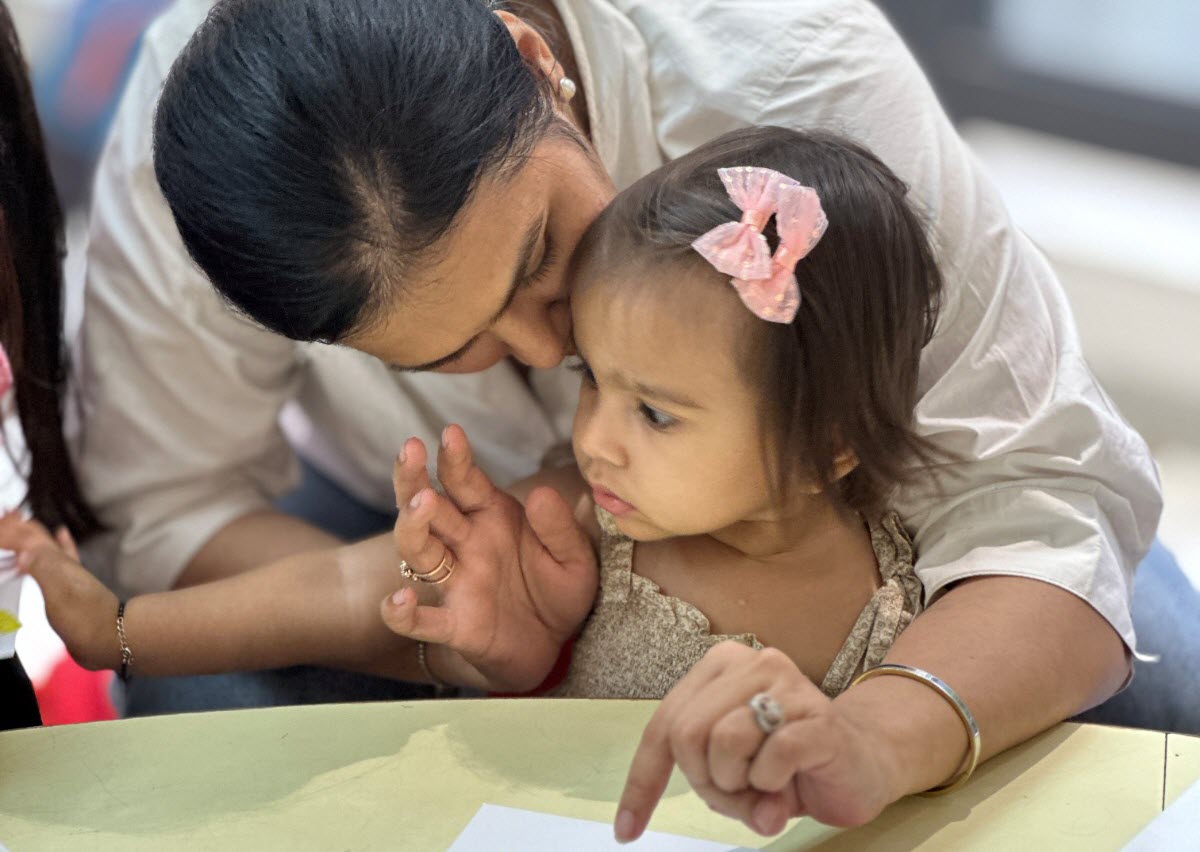
Touch can support bonding because it helps a baby connect a caregiver’s presence with comfort and protection. Holding, feeding, and soothing give the baby repeated experiences of safe contact.
These experiences also stimulate the nervous system. Gentle touch sends signals through the skin to the brain, where they help support body awareness and emotional regulation.
This does not mean every touch must be perfect. Parents sometimes feel guilty when they cannot hold their baby every moment. Babies benefit from repeated care over time, not from flawless care at every second.
A parent recovering from birth, caring for other children, or managing postpartum depression may find constant contact difficult. Another trusted caregiver can provide gentle holding and comfort. If bonding feels hard, speaking with a doctor, midwife, or mental health professional is a strong and caring step.
The question of what is the first sense a baby develops is closely tied to early relationships. Touch is not the only path to bonding, but it is one of the most direct.
Common Mistakes About Fetal Senses
Several popular claims about fetal development are too simple. Clear information helps parents avoid worry and unrealistic expectations.
Mistake 1: Thinking the senses develop one at a time
The senses overlap. Touch starts early, but taste, smell, hearing, and vision develop while touch continues to mature.
Mistake 2: Assuming every baby follows the same schedule
Pregnancy dates are estimates. A difference of a week or two does not automatically signal a problem. Prenatal care providers use many factors to assess development.
Mistake 3: Believing loud music improves intelligence
There is no strong evidence that playing loud music to the abdomen makes a baby smarter. Very loud sound may be uncomfortable or unsafe, so normal conversation and ordinary household sounds are better choices.
Mistake 4: Treating movement as a perfect test of sensation
Fetal movement can change with sleep, position, activity, and pregnancy stage. A change in movement should be discussed with a health professional, especially after a provider has given instructions for monitoring it.
Mistake 5: Using touch as a medical diagnosis
A baby’s skin may feel warm or cool for many reasons. For concerns about fever, breathing, feeding, rash, or unusual behavior, use reliable medical guidance rather than touch alone.
How Parents Can Support Sensory Development
Parents do not need expensive products to support a baby’s senses. The best approach is safe, steady, responsive care.
During pregnancy, routine prenatal visits are the most important step. Good prenatal care helps monitor growth and identify concerns early. Eating a balanced diet, avoiding tobacco and alcohol, and following medical advice also support healthy development.
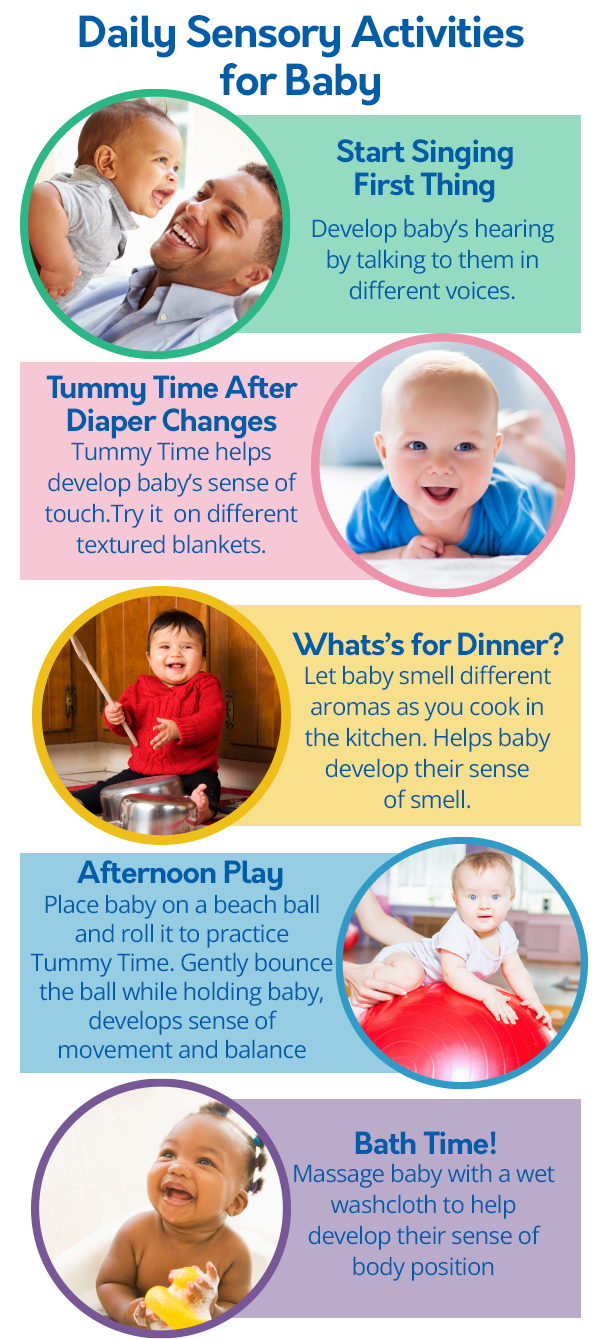
After birth, simple activities can help:
Hold your baby during calm, awake periods.
Speak in a soft voice and pause so the baby can respond.
Offer brief face-to-face contact from a close distance.
Let the baby feel safe textures, such as clean clothing and a caregiver’s hand.
Stop when the baby shows signs of stress or tiredness.
Give the baby time to rest between new experiences.
A newborn may look away, yawn, hiccup, or move their arms when they need a break. These signs are not rejection. They are the baby’s way of managing stimulation.
When parents ask what is the first sense a baby develops, they often want to know what they can do. The answer is reassuring: gentle, safe, responsive contact is enough.
Frequently Asked Questions About What Is the First Sense a Baby Develops
What is the first sense a baby develops?
Touch is the first sense a baby develops. Touch receptors begin forming early in pregnancy, first around the mouth and face, then across more of the body.
When can a fetus feel touch?
A fetus may begin sensing touch around the mouth and face at about 7 to 8 weeks after conception. Sensitivity expands as the skin, nerves, spinal cord, and brain continue to develop.
Is hearing the first sense a baby develops?
No. Hearing develops after touch, although the ears begin forming early. Many babies can detect internal body sounds by the middle of pregnancy and respond to familiar sounds later.
Can a baby taste food before birth?
A baby can swallow amniotic fluid, which may contain mild flavor compounds from the parent’s diet. This may expose the baby to basic tastes, but it is not the same as eating solid food.
Is sight the last sense to develop?
Sight is often considered the last major sense to mature. A fetus may detect light late in pregnancy, but a newborn’s vision remains blurry and continues developing after birth.
Can touching the belly affect the baby?
Gentle touching of the belly is usually a normal part of pregnancy. It does not guarantee that the baby will respond, and painful pressure or concerns about movement should be discussed with a health professional.
How can parents support a newborn’s sense of touch?
Parents can support touch through safe holding, skin-to-skin contact, gentle cuddling, and responsive care. Always follow safe sleep guidance and avoid rough handling or shaking.
Conclusion
Touch is the first sense a baby develops, and it begins surprisingly early in pregnancy. Smell, taste, hearing, and sight follow on different timelines, but all continue to mature before and after birth.
For parents, the key lesson is simple: ordinary care matters. Holding, feeding, speaking, and responding to a baby’s signals help create a safe sensory world. Learn your baby’s cues, follow trusted medical advice, and share your questions with a pediatrician or prenatal care provider.