
Baby Botox uses smaller, carefully placed botulinum toxin doses to soften fine lines while keeping natural facial movement.
If you are asking “what is baby botox,” you are likely looking for a subtle refresh rather than a frozen look. This guide explains how it works, what results to expect, how long it lasts, and how to choose a safe, qualified provider.
What Is Baby Botox?
Baby Botox is an informal term for a lighter, more precise botulinum toxin treatment. A provider uses fewer units than a traditional Botox treatment and places them in selected muscles. The goal is to soften fine lines while preserving normal facial expression.
Despite the name, baby Botox is not a separate drug or a special formula. It uses the same type of botulinum toxin as standard treatment, such as onabotulinumtoxinA. The difference is usually the dose, injection plan, and treatment goal.
Baby Botox may also be called “micro-Botox” or “mini Botox.” These terms are not official medical categories, so treatment plans can vary from one clinic to another.

How Does Baby Botox Work?
Botulinum toxin temporarily blocks nerve signals that tell certain muscles to contract. When the treated muscle relaxes, repeated folding of the skin becomes less visible.
A simple example is the “11” lines between the eyebrows. Each time you frown, the muscles pull the skin inward. Over time, these repeated movements can create lines at rest. Baby Botox may reduce that movement without stopping it completely.
Common treatment areas include:
• Forehead lines
• Frown lines between the eyebrows
• Crow’s feet beside the eyes
• Bunny lines on the nose
• Chin dimpling
• Downturned mouth corners
• Vertical neck bands
• Upper lip lines, in selected cases
The effect is not instant. Some people notice early changes within two to four days. Most results appear within about 10 to 14 days, although timing can differ by product, dose, and individual response.
Baby Botox vs. Traditional Botox
The main difference between baby Botox and traditional Botox is the treatment approach. Standard Botox may use a stronger dose to create more complete muscle relaxation. Baby Botox uses a lighter plan for a softer change.
| Feature | Baby Botox | Traditional Botox |
|---|---|---|
| Dose | Usually lower | Usually higher |
| Goal | Subtle softening | Stronger line reduction |
| Facial movement | More movement may remain | More movement may be reduced |
| Best for | Mild lines or first-time users | Moderate or deeper expression lines |
| Duration | Often shorter | Often longer |
| Maintenance | May be needed sooner | May last longer for some people |
These differences are not fixed rules. The correct dose depends on your muscle strength, facial anatomy, skin condition, treatment area, and desired result.
A skilled injector may use a small dose in one area and a standard dose in another. Good treatment is not about using the fewest units. It is about using the right amount in the right place.

What Results Can You Expect?
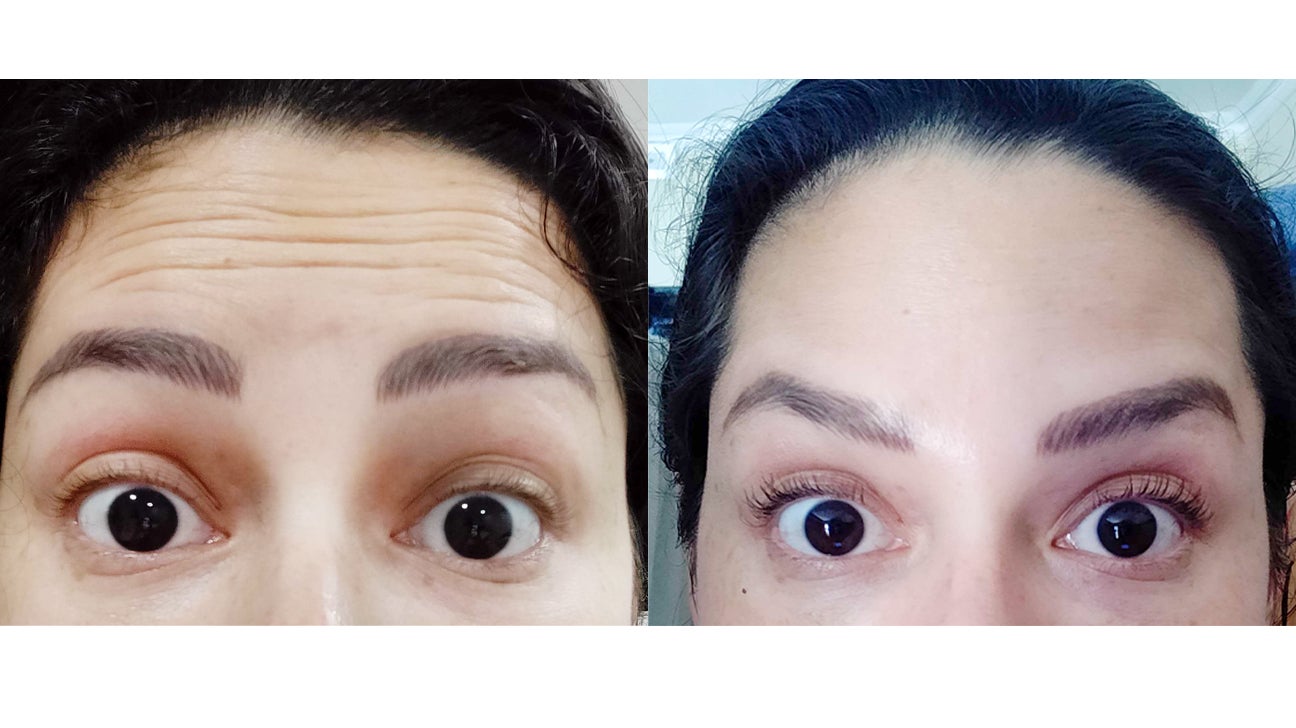
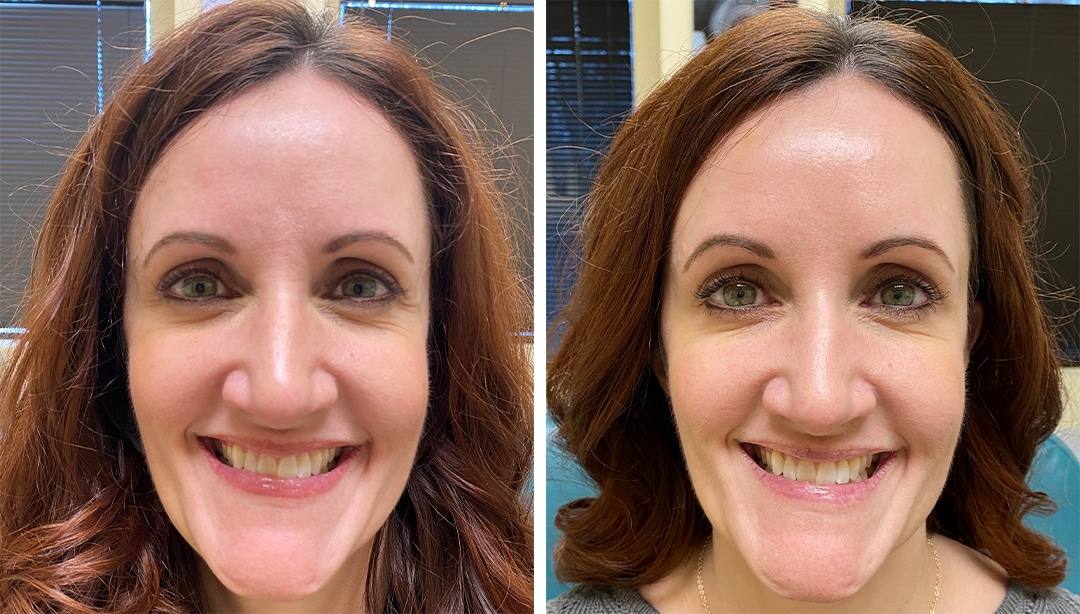
Baby Botox usually creates a mild, polished look. Fine expression lines may appear softer, and the skin can look smoother when you smile or frown.
It does not erase every wrinkle. It also does not replace a facelift, dermal filler, laser treatment, or a strong skin care routine. Lines caused mainly by sun damage, loss of volume, or loose skin may need a different approach.
Many people choose baby Botox because they want results that are hard to notice. Friends may say you look rested, but they may not know why.
Possible results include:
• Softer forehead lines
• Less visible frown lines
• A smoother eye area
• A more relaxed facial appearance
• Preserved facial expression
• A gradual change rather than a dramatic one
Results often last around two to three months with a lighter treatment, though some people see effects for longer. Traditional Botox commonly lasts about three to four months. Your metabolism, muscle activity, dose, treatment area, and product all affect duration.

Who May Be a Good Candidate?
Baby Botox may suit adults who have early or mild dynamic wrinkles. Dynamic wrinkles appear or deepen when you move your face.
It may also suit people who:
• Want a subtle first treatment
• Prefer to keep more facial movement
• Have a special event coming up
• Are concerned about looking overtreated
• Want to test their response to botulinum toxin
• Have mild lines that do not need a stronger dose
A consultation matters more than age. Some people in their 20s have strong expression lines, while some people in their 40s have very mild changes.
A responsible provider should ask about your medical history, medications, past injections, allergies, pregnancy status, and treatment goals. They should also explain that baby Botox is an off-label description, not a separate FDA-approved indication.

Who Should Avoid Baby Botox?
Botulinum toxin is not right for everyone. You may need to delay or avoid treatment if you have certain medical conditions or risk factors.
Tell your provider if you:
• Are pregnant or breastfeeding
• Have an infection near the injection site
• Have a known allergy to a botulinum toxin product
• Have a neuromuscular disorder
• Have trouble swallowing or breathing
• Take medicines that affect nerve or muscle function
• Use blood thinners or certain antibiotics
Some medicines can increase the chance of bruising or may affect how muscles respond. Never stop a prescribed medicine without speaking with the clinician who prescribed it.
Your injector should review these issues before treatment. If a clinic skips your medical history and focuses only on a quick sale, consider that a warning sign.
What Happens During a Baby Botox Appointment?
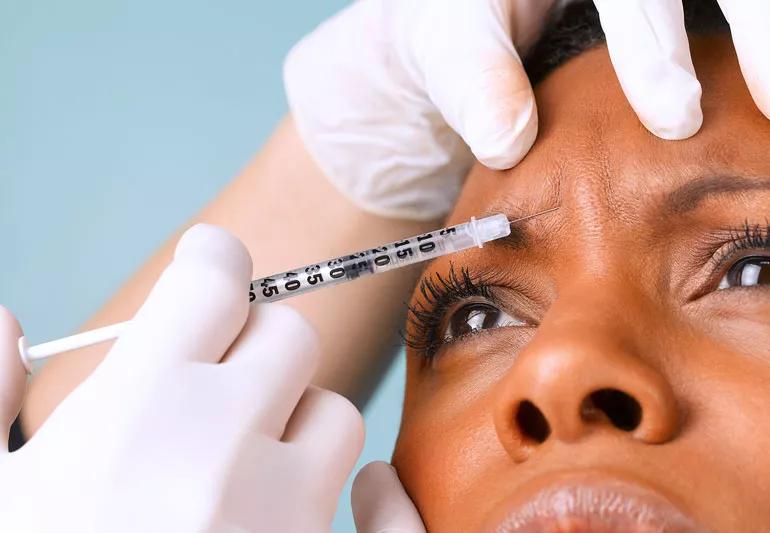
A typical appointment is short. The provider first studies your face at rest and during movement. They may ask you to raise your eyebrows, frown, smile, or squint.
The treatment usually follows these steps:
You discuss your goals and medical history.
The provider maps the injection points.
The skin is cleaned.
A fine needle places small amounts of botulinum toxin into selected muscles.
You receive aftercare instructions.
Most people describe the injections as brief pinches. A cold pack or topical numbing product may help, although many patients do not need numbing cream.
The most important part is not the speed of the appointment. It is the injector’s knowledge of facial anatomy. A lower dose does not make an unsafe injection safe.

Baby Botox Aftercare
After treatment, follow the instructions from your provider. General advice may include staying upright for several hours and avoiding rubbing or pressing on the treated areas.
Many clinicians also suggest avoiding intense exercise, facial massage, and tight headwear for the rest of the day. Evidence for some aftercare rules is limited, but avoiding pressure on fresh injection sites is a sensible precaution.
You can usually return to normal daily activities quickly. Small bumps may appear at the injection points and often fade within a short time. Makeup may be allowed soon after treatment, depending on your provider’s advice.
Call your provider promptly if you notice unusual weakness, trouble swallowing, trouble breathing, severe vision changes, or symptoms that spread beyond the treated area. Serious reactions are rare, but they require urgent medical attention.

Benefits of Baby Botox
The appeal of baby Botox is its balance. It aims to reduce unwanted movement without making the face look stiff.
Potential benefits include:
• A natural-looking result
• Less visible expression lines
• Little to no downtime
• A short treatment visit
• A gradual change
• More control over facial movement
• A lower starting dose for first-time patients
It can be especially useful for someone who feels nervous about cosmetic injections. Starting conservatively may make the experience feel less intimidating.
Still, “less” is not always better. A dose that is too small may produce little visible improvement and may require a repeat appointment sooner. Your provider should focus on the result you want, not simply advertise the lowest possible number of units.
Risks and Limitations
Baby Botox has many of the same risks as standard botulinum toxin treatment. Common short-term effects include redness, swelling, tenderness, bruising, and mild headache.
Other possible effects include:
• Temporary eyelid or brow drooping
• Uneven brows
• Facial asymmetry
• Dry eyes or excessive tearing
• A heavy feeling in the forehead
• Rare allergic reactions
• Rare spread of toxin effects
The treatment also has limits. It cannot repair sun-damaged skin, restore lost facial volume, or remove deep lines caused by aging alone.
Another limitation is product confusion. Different botulinum toxin brands are measured in different units. Units from one product should not be treated as directly equal to units from another product. Ask which product is being used and why.
How Much Does Baby Botox Cost?
The cost of baby Botox varies across the United States. Clinics may charge by unit, treatment area, or appointment. Location, provider experience, product type, and the number of areas treated all affect the price.
A lighter treatment may cost less than standard Botox, but not always. Some clinics have a minimum fee, and a lower dose may not change the appointment cost very much.
Before booking, ask:
• Is the consultation included?
• Is the price based on units or areas?
• Which product will be used?
• Is a follow-up visit included?
• What happens if the result is uneven?
Avoid choosing a provider based only on the lowest price. Facial injections are medical procedures, and skill is a better value measure than a discount.
How to Choose a Qualified Injector
Your injector should be a licensed medical professional who is trained and experienced in facial anatomy and botulinum toxin treatment. Depending on state rules, this may include a board-certified dermatologist, plastic surgeon, facial plastic surgeon, nurse practitioner, or physician assistant working within proper medical supervision.
Look for:
• Clear before-and-after photos
• A detailed consultation
• Honest discussion of risks
• A clean, professional setting
• Properly labeled products
• A plan for follow-up care
• Willingness to say no when treatment is not appropriate
Ask to see the product packaging if you have concerns. Avoid providers who offer injections in informal settings, use unclear products, or promise perfect results.
In real-world consultations, one common mistake is requesting a popular treatment pattern without considering facial structure. Your face may need a different plan from a friend’s face. A good injector treats anatomy, not trends.
Baby Botox for Different Age Groups
Baby Botox is not limited to one age group. The right choice depends on skin changes, muscle strength, health, and personal goals.
Younger adults may choose it for mild expression lines or as a cautious first treatment. However, preventive Botox is not medically required, and there is no universal age at which someone should begin.
Adults with established lines may use a lighter dose for a natural result. If lines are visible when the face is relaxed, Botox alone may not fully correct them.
Older adults may benefit from a combined plan that addresses muscle movement, skin texture, and volume loss. A provider may suggest sunscreen, retinoids, laser treatment, fillers, or other options instead of relying on baby Botox alone.
How to Prepare for Baby Botox
Preparation can lower stress and help you make a clear decision.
Before your visit:
• Choose a qualified medical provider.
• Bring a list of medicines and supplements.
• Share your allergy and medical history.
• Avoid scheduling right before an important event.
• Ask how long the results may last.
• Discuss whether you want movement preserved.
• Take a photo of your face at rest and during expression.
Do not drink heavily before treatment, since alcohol may increase flushing or bruising. Ask your provider about aspirin, ibuprofen, fish oil, or other supplements, but do not stop medically necessary treatment without professional advice.
A useful lesson is to start with a consultation, not a coupon. The consultation should help you understand the plan before any injections take place.
Is Baby Botox Worth It?
Baby Botox may be worth considering if you want a mild change and understand that the results may be shorter or less dramatic. It can offer a gentle introduction to cosmetic injectables.
It may not be worth it if you expect deep wrinkles to disappear, want long-lasting results, or are choosing it only because the name sounds safer. Baby Botox still uses a medical product and carries real risks.
The best question is not, “How little can I use?” It is, “What treatment can meet my goal with the lowest reasonable risk?” A qualified provider can help answer that question.
Frequently Asked Questions About What Is Baby Botox
Is baby Botox the same as regular Botox?
Baby Botox uses the same type of botulinum toxin as standard Botox, but usually in smaller amounts or with more targeted placement. It is an informal term, not a separate product.
How long does baby Botox last?
Baby Botox often lasts about two to three months, but results vary. Some people may see effects for longer, while others may need treatment sooner because of strong muscle activity or a lighter dose.
Does baby Botox look natural?
It can look natural when the dose and injection sites match your facial movement and goals. Results depend heavily on the injector’s technique, anatomy knowledge, and understanding of facial balance.
Is baby Botox safer than regular Botox?
A smaller dose does not automatically make baby Botox safer. The same types of side effects can occur, so treatment should be performed by a qualified medical professional after a proper consultation.
Does baby Botox hurt?
Most people feel brief pinches during the injections. Mild redness, swelling, or bruising may occur afterward and usually improves within a short time.
Can baby Botox prevent wrinkles?
Baby Botox may reduce repeated muscle movement that contributes to some expression lines. However, it is not proven to stop all signs of aging, and daily sunscreen remains one of the most important ways to protect skin.
How soon can I wear makeup after baby Botox?
Many people can apply makeup soon after treatment, but you should follow your provider’s instructions. Apply it gently and avoid rubbing or pressing on the injection sites.
Conclusion
Baby Botox is a lighter, more targeted approach to botulinum toxin treatment. It may soften mild expression lines while allowing more natural movement, but it is not a separate product and is not risk-free.
The safest path is to choose a qualified injector, share your full medical history, set realistic goals, and ask which product and dose are being used. If you are considering baby Botox, schedule a proper consultation and compare your options before making a decision.