
Baby’s breath is generally considered non-toxic, but eating large amounts may cause stomach upset.
So, is baby’s breath toxic to people, babies, cats, or dogs? The answer is usually no, but the full picture is more detailed. Baby’s breath, also called Gypsophila, can cause mild irritation or digestive problems when eaten, and flower chemicals may create extra risks. This guide explains the evidence, symptoms, safety steps, and ways to use these delicate flowers safely.
Is baby’s breath toxic to humans?
Baby’s breath is not usually considered poisonous to humans. The plant is widely used in bouquets, wedding flowers, dried arrangements, and crafts. Accidental contact or swallowing a small amount normally does not cause serious harm in a healthy adult.
Still, “not toxic” does not mean “safe to eat.” The stems, leaves, and flowers may irritate the mouth or stomach. Some people may develop nausea, vomiting, diarrhea, or skin irritation after contact with plant sap.
When people ask, “Is baby’s breath toxic?” they may mean either the fresh plant or the flowers in a store-bought arrangement. These are not always the same. Fresh flowers may contain pesticides, while florist bouquets may contain preservatives or flower food.
The level of risk depends on several factors:
• How much of the plant was eaten
• Whether the flowers were treated with chemicals
• The person’s age and health
• Whether an allergy is present
• Whether other plants or floral products were eaten too
A small taste is usually less concerning than eating a handful of stems and leaves. However, children and pets should not be allowed to chew on any decorative flowers.

What is baby’s breath?
Baby’s breath is the common name for several Gypsophila species. The best-known type is Gypsophila paniculata, which has thin stems and many tiny white or pink flowers.
Florists use baby’s breath as a filler flower. It adds a soft, cloud-like look around roses, lilies, and other large blooms. It is also common in corsages, centerpieces, wreaths, and dried floral décor.
The plant contains natural compounds called saponins. In high amounts, saponins can irritate the digestive tract. This helps explain why eating baby’s breath may lead to stomach upset even though the plant is not classed as highly poisonous.
Dried baby’s breath can still cause problems. Drying removes water, but it does not remove every natural compound, pesticide, dust particle, or floral treatment. It may also break into small pieces that are easier for children and pets to swallow.
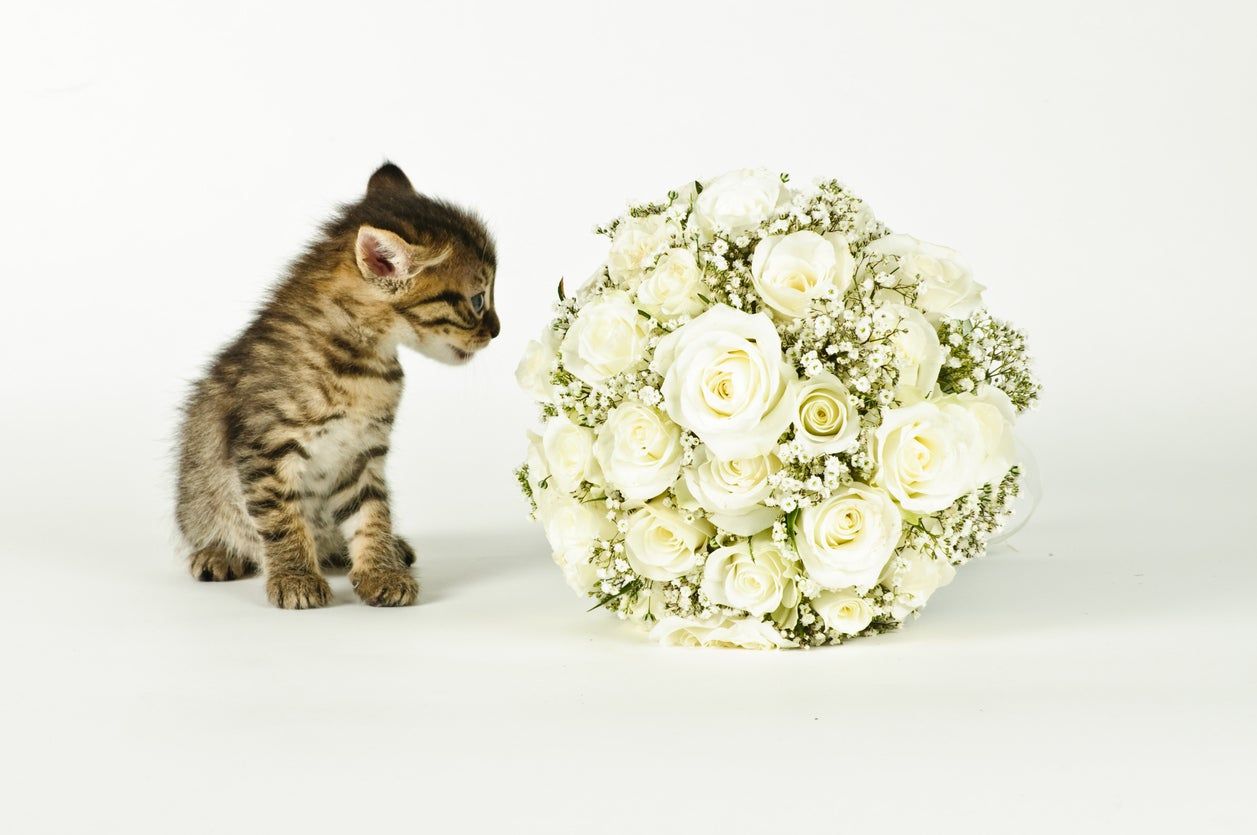
Is baby’s breath toxic to cats and dogs?
Baby’s breath is generally listed as non-toxic to cats and dogs by major animal poison safety references. However, chewing or eating the plant may still cause mild digestive signs.
Pets may vomit, drool, have loose stool, or seem uncomfortable after eating baby’s breath. Most cases are mild and improve once the pet stops eating the plant. The risk may be higher if the flowers were sprayed or placed in water with preservative.
If your pet ate baby’s breath, remove the flowers and check the arrangement. Look for other plants, ribbons, wire, foam, or flower food that may have been swallowed. These extra items can be more dangerous than the baby’s breath itself.
Contact a veterinarian if your pet:
• Eats a large amount
• Vomits more than once
• Has severe diarrhea
• Becomes weak or unusually sleepy
• Has trouble breathing
• Shows tremors or seizures
• Swallows floral wire, foam, or ribbon
Do not give your pet hydrogen peroxide or another home remedy unless a veterinarian tells you to do so. Inducing vomiting can cause more harm in some situations.

Is baby’s breath toxic to babies and children?
Baby’s breath is not usually a serious poison risk for babies or children, but it should still be kept out of reach. Young children explore with their mouths, and even a small flower arrangement can contain several hazards.
A child may swallow flowers, stems, leaves, floral foam, wire, ribbon, or treated water. A baby may also choke on a small flower. These risks matter even when the plant itself is considered non-toxic.
If a child eats a small piece of untreated baby’s breath, wipe the mouth and offer a small amount of water if the child can drink safely. Do not force vomiting.
Call Poison Control in the United States at 1-800-222-1222 for advice. Seek emergency help right away for breathing trouble, choking, swelling of the lips or tongue, collapse, or severe sleepiness.
Parents often ask, “Is baby’s breath toxic enough to remove from the home?” For most families, simply placing it high and keeping it away from play areas is enough. Homes with babies, toddlers, or children who chew objects may be safer without loose flower arrangements.

Symptoms after eating baby’s breath
Most reactions to baby’s breath are mild. Symptoms often begin within a few hours, although timing can vary based on the amount eaten and the person’s sensitivity.
Possible symptoms include:
• Nausea
• Vomiting
• Stomach cramps
• Loose stool or diarrhea
• Drooling
• Mouth irritation
• Mild skin redness or itching
• Coughing after inhaling plant dust
A skin reaction may occur when the plant touches sensitive skin. Florists and gardeners who handle flowers often may notice redness or itching on their hands. Washing the skin with soap and water usually helps.
A serious allergic reaction is uncommon but possible with any plant. Call 911 if someone develops facial swelling, wheezing, trouble breathing, faintness, or widespread hives.
The answer to “Is baby’s breath toxic?” should not be based only on the plant name. Symptoms can come from pesticides, preservatives, mold, or another flower in the arrangement. If symptoms are severe or unclear, professional medical advice is the safest choice.

Is baby’s breath toxic when used in bouquets?
Baby’s breath in a bouquet may carry more risks than a plant grown for food. Florists may use flower food, anti-fungal treatments, pesticides, or other chemicals to keep flowers fresh.
Never use decorative baby’s breath as a food garnish unless it was specifically grown and sold for edible use. Flowers from a florist, garden center, roadside stand, or craft store are not automatically safe to eat.
The water in a vase can also be harmful. It may contain sugar, bleach, preservatives, or bacteria that grow over time. Pets and children should not drink it.
For safer flower arrangements:
Ask the florist whether the flowers were treated with pesticides or preservatives.
Keep vases away from food preparation areas.
Change flower water often and wash the vase.
Keep loose petals, stems, and dried pieces away from children and pets.
Dispose of wilted flowers before they become moldy.
Wash your hands after handling treated flowers.
One practical lesson is easy to remember: a flower can be safe to look at without being safe to eat. I have seen many people assume that a natural-looking flower is food-safe, especially when it appears beside a cake or dessert. That mistake is best avoided with baby’s breath.

Is baby’s breath toxic when dried?
Dried baby’s breath is generally not considered highly toxic, but it is not risk-free. The dried flowers can release dust, break into sharp pieces, or retain chemical residues from their growing and handling process.
People with asthma or allergies may react to dust from dried flowers. Symptoms can include sneezing, coughing, itchy eyes, or nasal congestion. Good ventilation can reduce this problem.
Dried flowers also create a choking hazard for young children and pets. Keep them in a high display area, and avoid placing them near cribs, pet beds, or food.
If you want to reduce risk, choose flowers labeled as untreated and intended for decoration. Do not assume that “organic,” “natural,” or “dried” means edible. Those terms do not always describe how the flowers were grown or preserved.

Can baby’s breath cause allergies?
Baby’s breath may cause contact irritation or an allergic response in sensitive people. Florists, gardeners, and people with pollen allergies may notice symptoms more quickly after repeated exposure.
Possible allergy symptoms include:
• Itchy or watery eyes
• Sneezing
• Runny nose
• Skin itching
• Red patches
• Coughing or wheezing
Contact dermatitis may appear on the hands or arms after handling the plant. Wash the area with mild soap and water, then stop handling the flowers until the skin improves.
People with asthma should be cautious around dried arrangements because plant dust can enter the air. If breathing becomes difficult, leave the area and seek urgent medical help.
There is limited evidence showing that baby’s breath causes severe allergy more often than other flowers. The risk varies from person to person. This is one reason it is important not to make broad claims that every person will react in the same way.

What to do if someone eats baby’s breath
Stay calm and gather basic information. Knowing what was eaten helps a poison specialist or veterinarian give better advice.
Follow these steps:
Remove any remaining plant pieces from the mouth.
Rinse the mouth gently with water.
Do not induce vomiting.
Identify the plant and estimate how much was eaten.
Check whether the flowers came from a florist or garden center.
Save the label, package, or plant sample if available.
Watch for vomiting, diarrhea, swelling, breathing problems, or unusual behavior.
For a person in the United States, contact Poison Control at 1-800-222-1222. For a pet, call your veterinarian or a veterinary poison service. Call 911 for trouble breathing, choking, collapse, seizures, or severe swelling.
Do not wait for symptoms if a baby or young child ate a large amount. Children can become dehydrated more quickly than adults, and they may not explain how they feel.

How to use baby’s breath safely at home
Baby’s breath is a lovely decoration, and most households can use it safely with simple care. The goal is not to fear the flower. The goal is to control access and avoid treating decorative flowers as food.
Use these safety habits:
• Place arrangements on high shelves.
• Use a sturdy vase that pets cannot knock over.
• Keep flowers away from baby play areas.
• Do not place baby’s breath on food or inside drinks.
• Keep floral preservatives away from children and pets.
• Wear gloves if the plant irritates your skin.
• Open a window when working with dusty dried flowers.
• Throw away flowers that develop mold.
• Clean spilled vase water at once.
If you grow Gypsophila, follow the label for every garden product. Store pesticides in their original containers and keep them locked away. A treated plant may present a different risk from an untreated plant.
Is baby’s breath toxic compared with other flowers?
Baby’s breath is usually less concerning than several common toxic plants. Lilies, for example, can cause life-threatening kidney failure in cats. Sago palm, oleander, and certain bulbs can also cause serious poisoning.
That comparison does not make baby’s breath edible. It simply helps place the risk in context. Baby’s breath is generally associated with mild stomach upset, while some other plants can cause organ damage or severe heart and nervous system problems.
Mixed bouquets deserve extra care. A person may ask, “Is baby’s breath toxic?” while the real concern is a lily, daffodil bulb, foxglove, or another plant in the same vase.
When identifying a flower, look at the whole arrangement. If you are unsure about a plant, take a clear photo and contact a poison expert or veterinarian rather than guessing.
Frequently Asked Questions: Is baby’s breath toxic?
Is baby’s breath poisonous to humans?
Baby’s breath is generally not poisonous to humans in small amounts. Eating larger amounts may cause mouth irritation, nausea, vomiting, or diarrhea.
Is baby’s breath toxic to cats?
Baby’s breath is generally considered non-toxic to cats. However, eating it may still cause mild stomach upset, and treated flowers or vase water may add risk.
Is baby’s breath toxic to dogs?
Baby’s breath is usually considered non-toxic to dogs. Contact a veterinarian if your dog eats a large amount or develops repeated vomiting, weakness, breathing trouble, or severe diarrhea.
Can babies touch baby’s breath?
Brief contact is usually not harmful, but babies should not handle or chew the plant. Flowers, stems, dried pieces, floral wire, and vase water can create choking or poisoning risks.
Can you eat baby’s breath flowers?
Do not eat baby’s breath from a florist or decorative arrangement. These flowers may contain pesticides, preservatives, or other treatments and are not automatically food-safe.
What should I do if my child eats baby’s breath?
Remove the plant from the child’s mouth and rinse gently with water. Call Poison Control at 1-800-222-1222 in the United States, especially if the child ate a large amount or has symptoms.
Does dried baby’s breath remain toxic?
Dried baby’s breath is generally not highly toxic, but it can still cause stomach upset, allergic symptoms, or choking. Keep it away from young children, pets, and anyone sensitive to plant dust.
Conclusion
So, is baby’s breath toxic? In most cases, no. Fresh and dried baby’s breath are generally considered low-risk for people, cats, and dogs, but eating the plant can cause mild stomach problems. The bigger concerns often come from pesticides, floral preservatives, vase water, mixed bouquets, and choking hazards.
Use baby’s breath as decoration, not as food. Keep it away from children and pets, choose untreated flowers when possible, and contact Poison Control or a veterinarian when symptoms appear. If this guide helped, share it with someone planning a bouquet or leave a comment about your experience.