
Newborns often cluster feed in the evenings and during growth spurts, especially in the first weeks.
I’ve worked with new parents and lactation teams for years, and I know how confusing cluster feeding can feel. This guide explains when do babies cluster feed, why it happens, what to expect, and practical steps you can take. Read on for clear, evidence-aware advice and real-life tips to help you through those long nursing stretches.

What is cluster feeding?
Cluster feeding is when a baby wants many feeds close together over a few hours. It differs from a normal feed schedule because the baby nurses more frequently and for variable lengths. Parents often see it as a burst of hunger or a comfort-seeking pattern.
Cluster feeding is common in breastfeeding infants. It can help increase milk supply and soothe babies who are fussy. Knowing when do babies cluster feed helps you plan rest and support.
When do babies cluster feed?
Newborn days and early weeks
New babies often cluster feed in the first two to three weeks. This helps establish your milk supply and meets the baby’s rapid growth needs.
Common growth-spurt windows
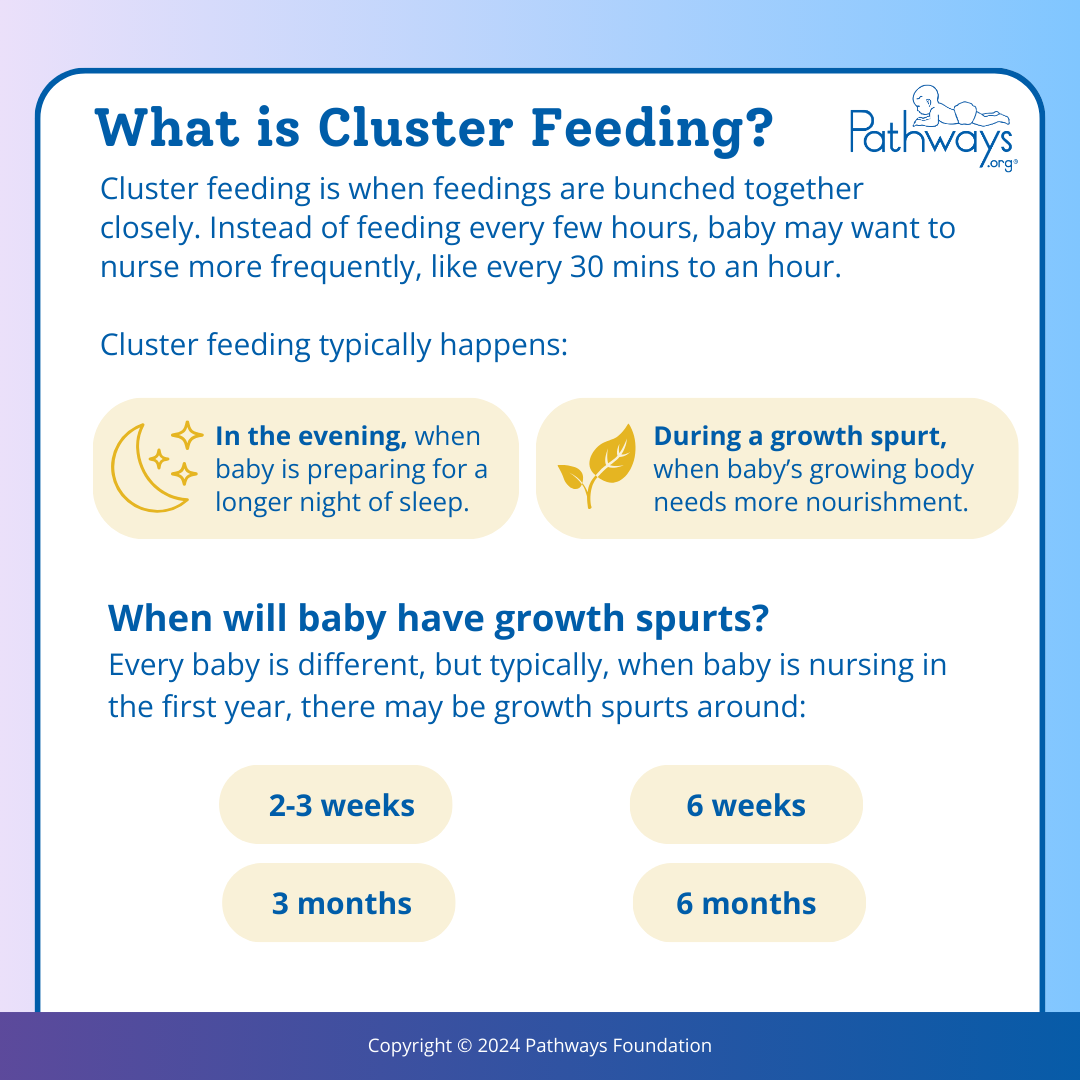
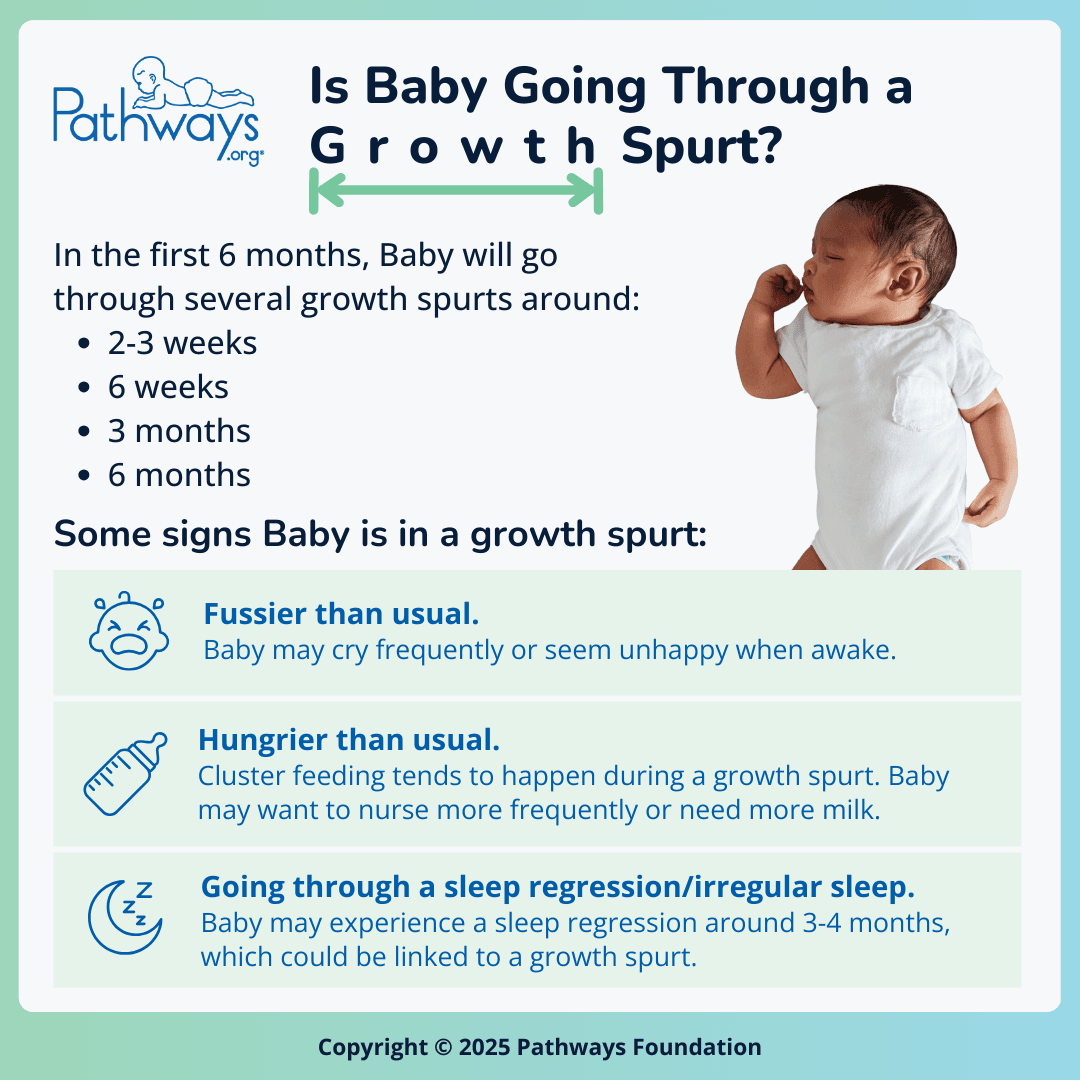
Babies commonly cluster feed during growth spurts. Typical times are around:
- 1 to 3 weeks
- 4 to 6 weeks
- 3 months
- 4 to 6 months
Evening cluster feeding
Many babies cluster feed in the late afternoon or evening. This “witching hour” pattern is normal and can repeat nightly for weeks.
How long and how often
A cluster session can last 2 to 4 hours with feeds every 20–45 minutes. Some days are worse than others. Patterns shift as your baby grows.
Recognizing timing cues
Pay attention to hunger cues like rooting, hand-to-mouth motions, or increased fussiness. These cues often tell you when do babies cluster feed next.
Why do babies cluster feed?
To boost milk supply
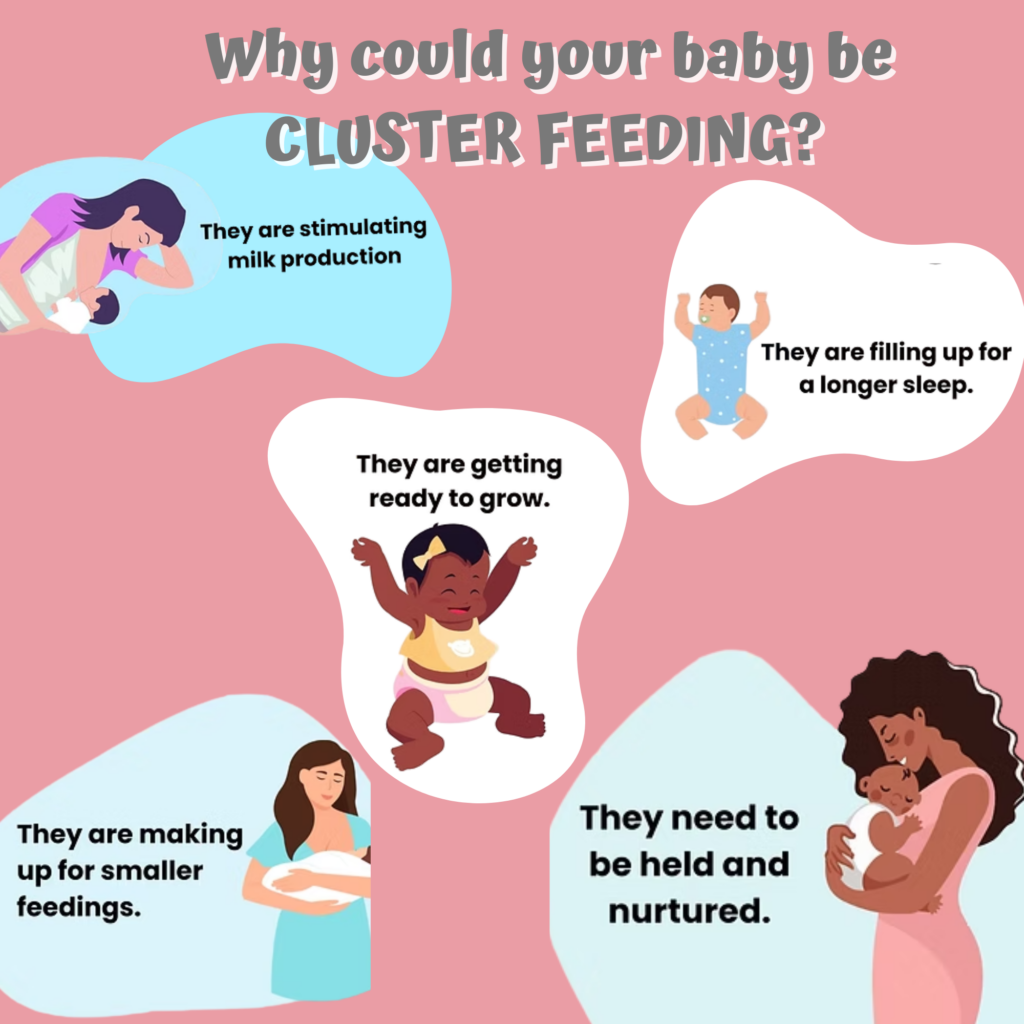
Frequent nursing stimulates hormone signals that increase milk production. Cluster feeding is your baby’s natural way to ask for more milk during growth.
For comfort and regulation
Babies also nurse to feel close, calm down, and self-soothe. Cluster feeding can calm a baby who is overstimulated or tired.
To prepare for longer sleep
Some babies feed more in the evening to build calories before a longer sleep stretch. This is part of natural feeding rhythm.
Developmental and digestive reasons
Growth, brain development, and digestive changes can increase feeding demand. When do babies cluster feed often lines up with these developmental leaps.
How to manage cluster feeding
Plan rest and support
Ask a partner, family member, or friend to help with chores and older children during big feeding blocks. Rest when the baby naps.
Optimize breastfeeding comfort
Use a good latch, try different nursing positions, and use a pillow to reduce strain. Comfortable feeding helps you keep going.
Hydrate and eat well
Drink water and have healthy snacks close by. Frequent feeds drain energy quickly.
Use pumping and bottle strategies carefully
If you pump, avoid over-pumping early on. If you offer a bottle, pace feeding to protect breastfeeding. Keep bottles for flexibility, not as a primary fix.
Set small goals for sleep
Nap when you can. Short naps add up and improve resilience during cluster feeding nights.
When to let baby feed for comfort
It’s okay to nurse for comfort. Trying to strictly time every feed can add stress. Follow your baby’s lead when you can.
Signs it’s normal versus signs of concern
Signs cluster feeding is normal
- Increased fussiness in evenings
- Short, frequent feeds followed by stretches of calm
- Steady weight gain over weeks
Red flags to check with help
- Little or no wet/dirty diapers after 24 hours
- Baby seems lethargic or won’t wake to feed
- Excessive vomiting, fever, or poor weight gain
When latch or pain is an issue
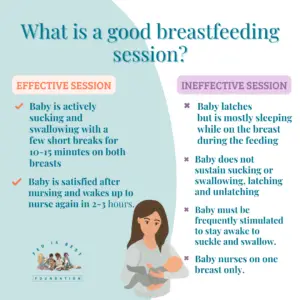
If feeds are very painful or you see cracked nipples, seek a lactation consultant. Fixing latch can reduce painful sessions and improve supply.
When to track weight and output
Weigh checks or close tracking help confirm your baby is feeding well during cluster phases. Professionals can offer precise guidance.
Personal experience and practical lessons
What I’ve seen in practice
I’ve supported dozens of families through cluster feeding. Most found it peaks early and then eases with time.
What worked well
- Planning short rest shifts with a partner
- Keeping snacks and water at hand
- Using skin-to-skin to calm baby quickly
Common mistakes to avoid
- Panicking and rushing to formula at the first sign of cluster feeding
- Over-pumping in the first weeks without guidance
- Ignoring persistent pain or poor output
A real moment
Once, a mother I worked with felt she had to “survive” evenings. With a simple plan—one night shift partner, one feeding pillow, and reassurance—her stress dropped and feeding normalized within days.

When to seek professional help
Call your pediatrician or lactation consultant if:
- Your baby isn’t gaining weight normally
- The baby has fewer than 6 wet diapers a day after the first week
- You have intense, ongoing pain or bleeding during feeds
Seek urgent care for:
- High fever, hard breathing, or signs of dehydration
- Extreme lethargy or unresponsiveness
Early help prevents long-term issues. If you feel unsure, it’s better to ask than to wait.
Frequently Asked Questions of when do babies cluster feed
When do babies cluster feed for the first time?
Most babies start clustering in the first week to three weeks of life. It often coincides with initial growth and milk supply establishment.
How long do cluster feeding periods last?
Cluster feeding sessions can last several hours in an evening or come in short bursts over a day. The intense phase often lasts a few days to two weeks.
Is cluster feeding a sign of hunger or comfort?
Both. Babies cluster feed to get calories for growth and to feel comforted. The pattern serves nutritional and emotional needs.
Will cluster feeding ruin my sleep long term?
No. It can disrupt sleep for short periods, but most babies settle into longer stretches as they grow. Support and planning help parents manage sleep loss.
Should I give formula during cluster feeding?
Not automatically. Formula can help in certain situations, but it may change breastfeeding demand. Consult a lactation expert before introducing formula regularly.
Can bottle-fed babies cluster feed too?
Yes. Any baby can want frequent feeds when growing or fussy. The pattern may look different with bottle feeding but the timing reasons are similar.
How can I tell if it’s a growth spurt?
If your baby wants more feeds for 2–4 days and seems hungrier overall, it’s likely a growth spurt. Weight checks and output tracking confirm progress.
Conclusion
Cluster feeding is a common, usually short-lived pattern that answers your baby’s needs for growth and comfort. Knowing when do babies cluster feed helps you set expectations, get rest, and seek help if something feels off. Use small strategies—support, comfort, hydration, and expert help when needed—to ride out the peaks with less stress. Try one change this week: plan one 2-hour support window each evening to rest or nap, and see how much easier cluster feeding feels. Share your story, ask a question below, or subscribe for more practical parenting guides.