
Babies can be born with teeth, but this rare event usually needs a prompt dental and medical check.
The sight of a tooth in a newborn’s mouth can surprise any parent. Understanding why it happens, what risks it may cause, and when treatment is needed can help you respond with calm and confidence.
Can babies be born with teeth?
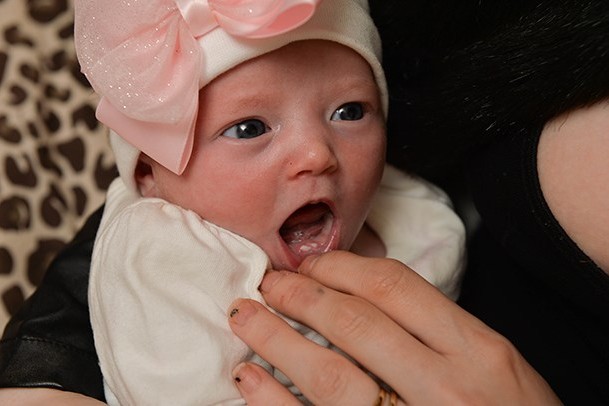
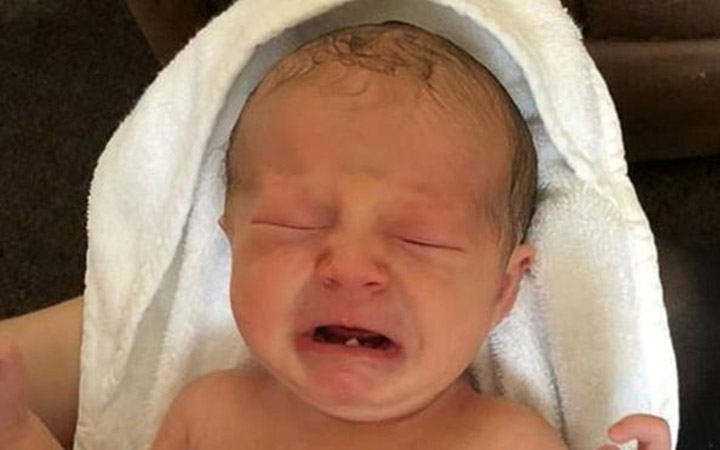
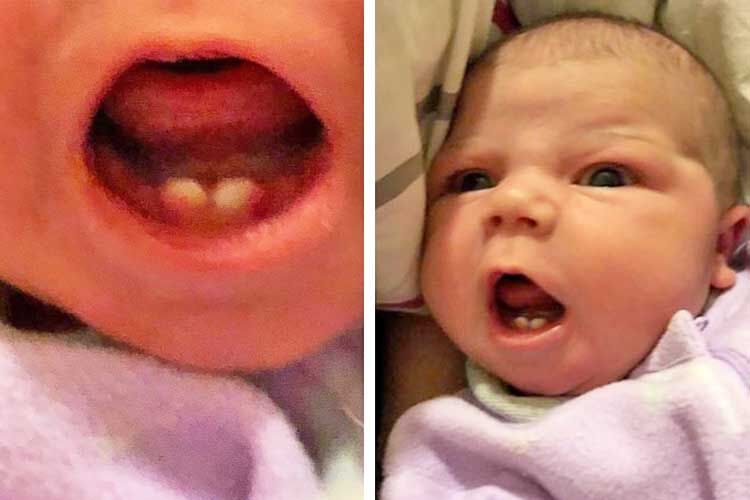
Yes, babies can be born with teeth. Teeth present at birth are called natal teeth. They are rare, appearing in about 1 in every 2,000 to 3,000 births.
Most natal teeth are lower front teeth. They often look like normal baby teeth, but they may be small, loose, or poorly formed. In many cases, these teeth are part of the baby’s normal primary set.
A tooth that appears during the first 30 days after birth is called a neonatal tooth. Both natal and neonatal teeth need an exam by a pediatric dentist or pediatrician.

What do natal teeth look like?
Natal teeth can vary a lot. They may look like:
• Small white or yellow teeth
• Normal-sized lower front teeth
• Loose teeth attached by soft tissue
• Sharp or rough teeth
• Teeth with weak or thin enamel
Some natal teeth are firmly attached. Others move when touched. A loose tooth can be a concern because a newborn could accidentally swallow or inhale it.
Are natal teeth real baby teeth?
Often, yes. Many natal teeth are normal primary teeth that erupted early. They are not usually extra teeth.
In some cases, though, the tooth may be an extra tooth. Dental X-rays can help a dentist understand whether it belongs to the child’s normal set. X-rays are not always needed right away, especially if the tooth is clearly stable and harmless.
Why are babies born with teeth?
The exact reason babies are born with teeth is not always clear. In most cases, early tooth eruption happens by chance and is not caused by anything the parent did during pregnancy.
Researchers have found links between natal teeth and several factors, but these links do not prove that one condition directly causes the tooth. A family history may also play a role.
Possible associations include:
• Genetic factors
• Certain medical conditions
• Cleft lip or palate
• Some rare syndromes
• Hormonal or developmental changes
• Infection or poor nutrition during pregnancy in uncommon cases
It is important not to blame yourself. Parents do not cause natal teeth through normal foods, stress, exercise, or routine prenatal activity.
Doctors may look for other health concerns if the baby has several unusual teeth, physical differences, feeding problems, or signs of a broader condition. Most babies with one natal tooth are otherwise healthy.
How common are natal and neonatal teeth?
Natal teeth are uncommon. They occur in a small percentage of newborns, with estimates often ranging from 1 in 2,000 to 1 in 3,000 births.
Natal teeth are more common than neonatal teeth. Girls may be affected slightly more often than boys, although the difference is small and does not help predict which baby will have early teeth.
A family history can increase the chance. If a parent, sibling, or close relative had a tooth at birth, tell your child’s pediatrician. This detail may help the care team understand the child’s dental history.
Are teeth at birth dangerous?
Babies can be born with teeth without serious problems. Still, natal teeth can create a few risks for the baby and the parent.
The main concerns include:
• Injury to the baby’s tongue
• Pain or sores during breastfeeding
• Nipple pain for the breastfeeding parent
• Trouble latching
• A loose tooth becoming a choking risk
• Tooth damage if the enamel is weak
• Feeding stress or poor weight gain
A sharp natal tooth may rub against the underside of the baby’s tongue. This can cause a small ulcer, known as Riga-Fede disease. The sore may make the baby cry during feeds or pull away from the breast or bottle.
A baby with a loose tooth needs quick medical advice. Do not try to pull it out at home. A dentist must first decide whether the tooth is stable and whether removal is safe.

What should parents do if a baby is born with teeth?
Stay calm and arrange an evaluation. A natal tooth is unusual, but it is not automatically an emergency.
Use these practical steps:
- Call the baby’s pediatrician or a pediatric dentist.
- Avoid rocking, twisting, or pulling the tooth.
- Watch for bleeding, swelling, fever, or feeding problems.
- Check whether the tooth moves during crying or feeding.
- Track wet diapers and feeding times.
- Ask for help if breastfeeding becomes painful.
- Seek urgent care if the tooth falls out and the baby has breathing trouble.
Do not place a finger into the baby’s mouth repeatedly. This can irritate the gums and may introduce germs. A health professional can examine the tooth with less risk.
If the baby feeds well and the tooth is firm, the dentist may recommend observation. Parents may receive advice on gentle cleaning and follow-up visits.
How do natal teeth affect breastfeeding?
A natal tooth can make breastfeeding painful, but it does not always prevent breastfeeding. The effect depends on the tooth’s position, sharpness, and stability.
A lactation consultant can help adjust the baby’s latch. In some cases, a dentist may smooth a sharp edge with a small amount of dental material. This may protect the baby’s tongue and reduce nipple pain.
Helpful steps may include:
• Keep the baby’s mouth wide during the latch
• Try a different breastfeeding position
• Ask a lactation consultant to observe a feed
• Use expressed milk temporarily if feeding is too painful
• Watch the baby’s weight and diaper output
• Avoid placing gauze or loose objects in the baby’s mouth
A bottle may also cause irritation if the tooth catches on the nipple. Tell the pediatrician if the baby coughs, refuses feeds, or takes much longer to eat.
When does a natal tooth need removal?
Removal is not always needed. Dentists usually consider removal only when the tooth causes a clear problem.
A dentist may discuss removal if:
• The tooth is very loose
• The baby cannot feed well
• The tooth causes a deep tongue sore
• The tooth repeatedly injures the breastfeeding parent
• The tooth is infected
• The tooth creates a high risk of aspiration
The decision depends on the baby’s age, health, tooth stability, and whether the tooth is part of the normal primary set. A pediatric dentist should make this decision whenever possible.
Newborns have limited vitamin K reserves, and vitamin K helps blood clot. Before removing a tooth, the medical team may confirm that the baby received the routine vitamin K shot after birth. If the baby did not receive it, the doctor may need to address bleeding risk first.
The dentist may use a simple procedure with appropriate pain control. Parents should ask how the tooth will be removed, how bleeding will be managed, and how the gum should be cared for afterward.
What happens after a natal tooth is removed?
The gum may be tender for a short time. Your care team will give instructions about feeding, cleaning, and signs of infection.
The missing tooth may not need replacement. If it was an extra tooth, there may be no effect on future tooth development. If it was a primary tooth, the child may have a gap until the permanent tooth or another primary tooth develops.
A dentist may monitor the area during routine visits. The child’s dental care should still begin early, even if the first tooth was removed.
The American Academy of Pediatric Dentistry recommends establishing a dental home by the first birthday or when the first tooth appears. A child with a natal tooth may benefit from an earlier visit.

How should parents care for a newborn tooth?
Cleaning should be gentle. Once a tooth is visible, wipe it with a clean, damp cloth or use a very soft infant toothbrush.
Do not use adult toothpaste unless a dentist tells you to do so. Fluoride guidance depends on the child’s age, local water supply, and risk of tooth decay. A pediatric dentist can give clear instructions.
Avoid putting sugar, honey, or sweet drinks on the tooth. Honey is unsafe for babies under 12 months because it can cause infant botulism. Sweet liquids also increase the risk of early tooth decay.
Keep regular appointments if the dentist recommends them. A natal tooth can change as the baby grows, and an initially stable tooth may later become loose.
Can babies born with teeth have normal dental development?
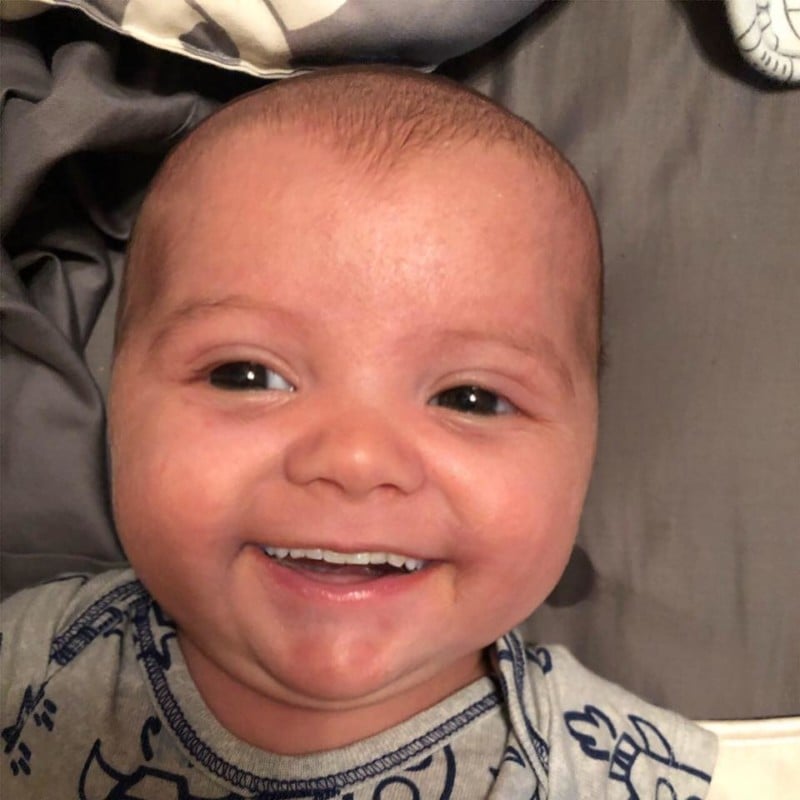
Yes. Most babies born with teeth can have normal dental development. A natal tooth does not automatically mean the child will have weak teeth, delayed growth, or long term dental problems.
Some natal teeth have weak enamel. These teeth may be more likely to chip or develop decay. Good cleaning and early dental care can lower those risks.
A dentist may monitor:
• The tooth’s strength
• The health of nearby gums
• Tongue irritation
• Feeding progress
• The development of other primary teeth
• The space needed for future teeth
The biggest mistake is assuming that every natal tooth must be removed. Another mistake is ignoring a loose tooth because the baby seems comfortable. An exam helps avoid both unnecessary treatment and missed risks.
Personal, practical lessons for parents
In real world newborn care, the first reaction is often fear. Parents may think the tooth is a sign of illness or that they caused it. Usually, neither assumption is true.
The most useful lesson is simple: look at the whole baby, not only the tooth. A stable tooth in a comfortable baby is different from a loose tooth in a baby who cannot feed.
Parents should also avoid home remedies. Filing the tooth, pulling it with clean string, applying medicine, or covering it with household materials can injure the baby or cause choking.
A calm plan works best:
• Take a clear photo for the pediatrician if an appointment is not immediate
• Note whether the tooth moves
• Record feeding and diaper changes
• Ask about a pediatric dentist
• Follow the care plan instead of relying on online guesses
This approach gives the care team useful details and helps parents feel more in control.

When to seek urgent medical care
Most natal teeth do not require emergency treatment. However, certain signs need prompt attention.
Contact a doctor or dentist quickly if the baby has:
• A tooth that moves freely
• Repeated choking or gagging
• Trouble breathing
• Heavy bleeding
• A swollen face or gum
• Pus near the tooth
• Fever
• Refusal to feed
• Fewer wet diapers
• A tongue sore that is getting worse
Call emergency services if the baby has breathing trouble, turns blue, becomes limp, or may have inhaled a tooth. Do not put your fingers deep into the baby’s mouth to search for a lost tooth.
Frequently Asked Questions About Can Babies Be Born With Teeth
Can babies be born with teeth?
Yes, babies can be born with teeth. These teeth are called natal teeth, and they most often appear along the lower front gum.
Are natal teeth rare?
Yes, natal teeth are rare. Estimates suggest they occur in about 1 in 2,000 to 3,000 births, though reported rates vary.
Should a natal tooth be removed?
Not always. A dentist may recommend removal if the tooth is very loose, causes feeding problems, injures the tongue, or creates a risk of inhalation.
Can natal teeth fall out?
Yes, a natal tooth can fall out, especially if it is poorly attached. A loose tooth should be checked by a medical professional because it may become a choking or breathing hazard.
Do natal teeth mean a baby has a health problem?
Usually not. Most babies with one natal tooth are healthy, but a doctor may look for other signs if several teeth appear or the baby has other unusual symptoms.
Can a natal tooth hurt breastfeeding?
It can. A sharp tooth may hurt the breastfeeding parent or create a sore under the baby’s tongue, but latch support and dental treatment can often help.
Do babies born with teeth need special dental care?
They need gentle cleaning and early dental guidance. A pediatric dentist can explain how to clean the tooth and monitor its development.
Conclusion
Babies can be born with teeth, and these early teeth are usually called natal teeth. They are rare and often harmless, but a loose tooth, feeding difficulty, tongue sore, or breathing concern requires professional care.
Do not pull or file the tooth at home. Arrange an evaluation with the baby’s pediatrician or a pediatric dentist, keep feeding and diaper patterns in mind, and follow safe cleaning advice. If your baby has a natal tooth, share your experience or questions with a trusted health professional and explore reliable pediatric dental resources.