
Baby chicks can go outside at about six weeks, once fully feathered, warm, dry, and safe from predators.
Knowing when can baby chicks go outside is vital for their health, growth, and comfort. Age matters, but feathers, weather, breed, and housing matter just as much. This guide explains how to move chicks outdoors safely, what signs to watch for, and which common mistakes can put young birds at risk.
When can baby chicks go outside?
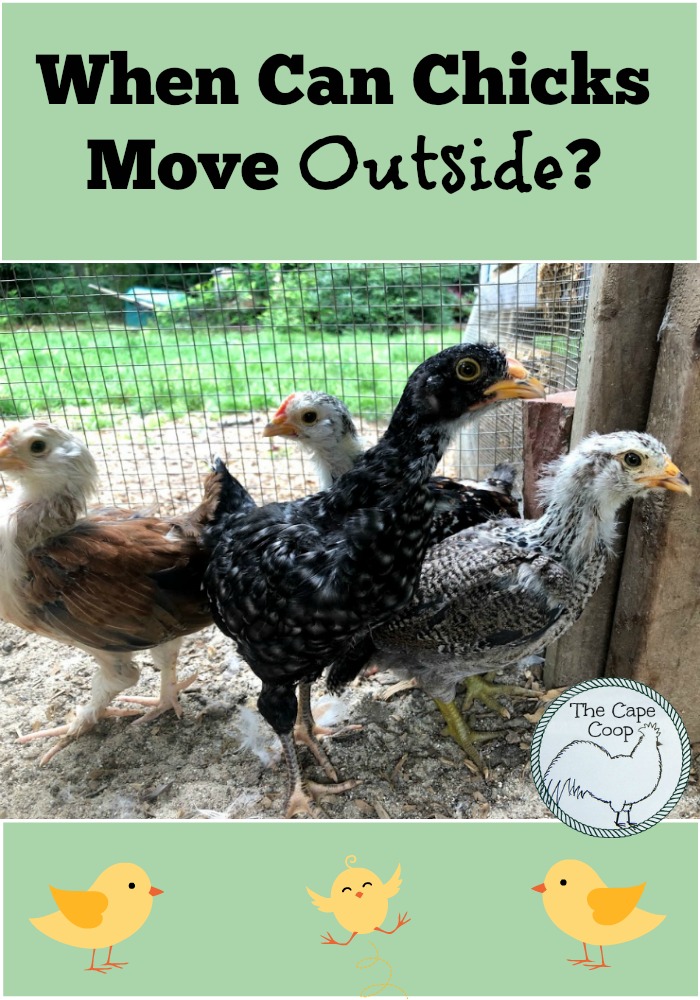
Most baby chicks can begin short, supervised outdoor visits at three to four weeks old. They should stay outside only during warm, dry weather and return to a heated brooder afterward.
For full-time outdoor living, many chicks are ready at six to eight weeks. By then, they should have most or all of their adult feathers and should handle normal outdoor temperatures without extra heat.
When can baby chicks go outside safely? Use this simple guide:
• Two to three weeks: Short trips may work in warm weather, but chicks still need brooder heat.
• Three to four weeks: Supervised outdoor time may be safe on sunny, dry days above 65°F.
• Five to six weeks: Many chicks can spend longer periods outdoors if fully feathered.
• Six to eight weeks: Most healthy chicks can move to a secure coop, depending on weather and breed.
These ages are estimates, not strict rules. A small bantam may need more warmth than a large, fast-growing breed. Cold rain, strong wind, and damp ground can harm chicks even when the air feels mild to you.

Signs your chicks are ready for outdoor time
Age alone cannot answer when can baby chicks go outside. Your chicks must also show signs of physical readiness.
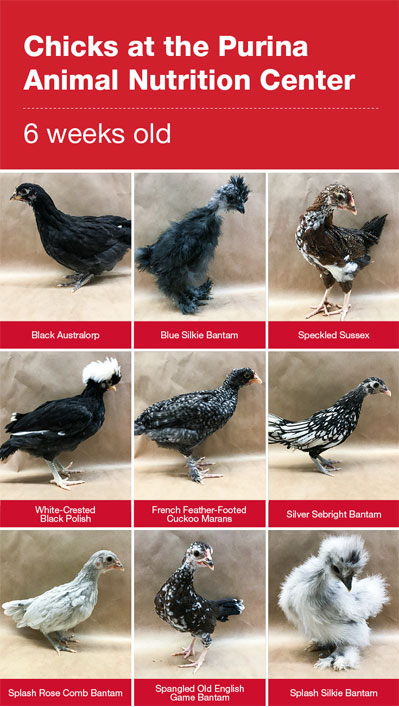
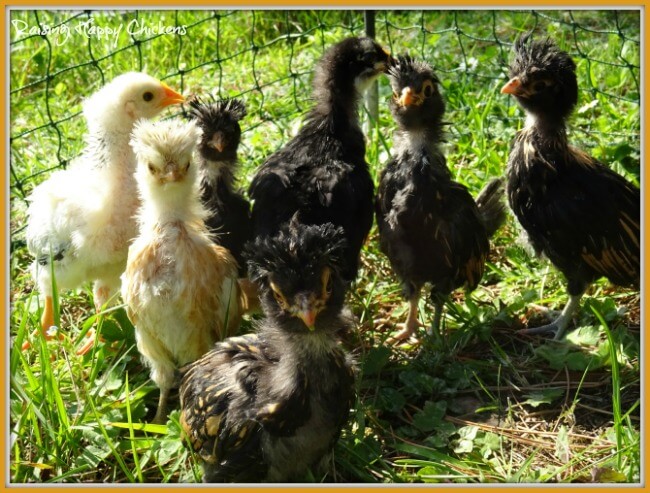
Healthy, ready chicks are alert, active, and fully feathered across the body. They should not have large bare areas on the chest, back, or wings. Their feathers should look dry and developed, rather than soft and fluffy.
Look for these signs before the first outdoor visit:
• Feathers cover the back, breast, wings, and legs.
• Chicks eat and drink well without help.
• They move easily and stay active during the day.
• They no longer crowd tightly under the brooder lamp.
• They can stay calm without constant heat.
• They show no signs of illness, weakness, or labored breathing.
A chick that constantly huddles, cries loudly, or shakes is too cold. A chick that pants, spreads its wings, or avoids the heat may be too warm. These behaviors are useful clues because chicks cannot tell you when they feel uncomfortable.
One practical lesson many keepers learn is that feathering matters more than the calendar. Two groups of chicks may be the same age, yet one group may be ready for outdoor visits while the other still needs indoor warmth.
Temperature guidelines for baby chicks
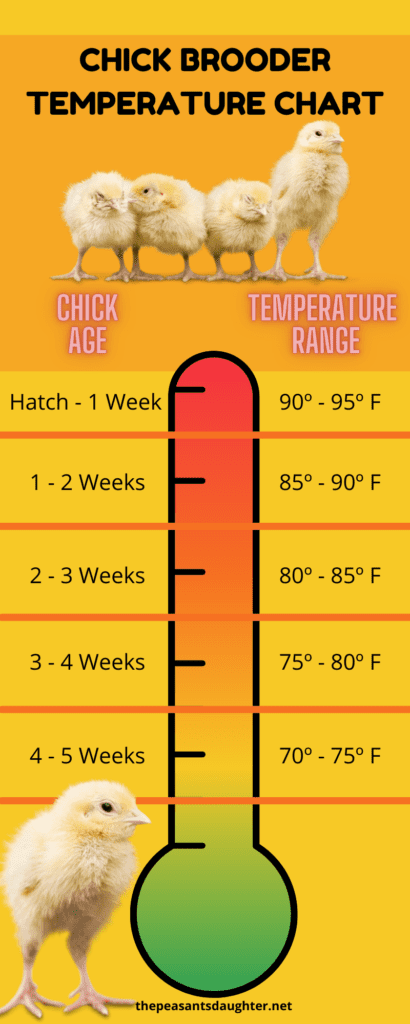
Baby chicks need supplemental heat because they cannot control their body temperature well during their first weeks. A common brooder plan starts near 95°F during week one and drops by about 5°F each week.
Use the chicks’ behavior along with a thermometer. The temperature should be measured at chick level, not near the ceiling of the brooder.
A basic brooder temperature schedule looks like this:
• Week one: About 95°F.
• Week two: About 90°F.
• Week three: About 85°F.
• Week four: About 80°F.
• Week five: About 75°F, if needed.
Healthy chicks should have enough space to move toward or away from the heat source. Never heat the entire brooder to the same temperature. A warm zone and a cooler zone let chicks choose what feels right.
When can baby chicks go outside for the first time? Wait for an outdoor temperature of at least 65°F for a short visit, with no rain or strong wind. Younger chicks may need warmer conditions, while fully feathered chicks can handle cooler air.
Nighttime is often the hardest part. Even if chicks enjoy the day outdoors, they may need to return to a warm brooder until they are fully feathered and nighttime temperatures stay mild.

How to introduce chicks to the outdoors
The first outdoor visit should feel like a gentle test, not a sudden move. Choose a calm, sunny afternoon when the ground is dry.
Follow these steps:
Place the chicks in a small, secure exercise pen.
Add a covered area where they can escape sun and wind.
Keep the first visit to 15 or 20 minutes.
Watch their behavior closely.
Bring them inside if they huddle, shake, cry, or become sluggish.
Increase outdoor time slowly over several days.
Keep the brooder available until they remain comfortable outdoors.
Grass can provide a rich and interesting environment, but young chicks may also nibble plants, soil, and insects. Avoid areas treated with pesticides, herbicides, fertilizers, or slug bait.
Do not place chicks on wet grass. Damp feathers lose heat quickly. A dry pen with clean bedding, shade, and firm ground is safer for a first visit.
When can baby chicks go outside for several hours? They can often do so after a few successful short visits, provided the weather remains warm and they have shelter. Supervision is still wise because young chicks are easy targets for cats, dogs, hawks, and other predators.
Preparing a safe outdoor brooder or coop
A secure coop is more than four walls and a roof. It must protect chicks from cold, moisture, disease, and predators.
Before moving chicks outdoors, inspect the housing carefully:
• Cover windows and openings with strong hardware cloth.
• Close gaps larger than half an inch.
• Use a secure latch on every door.
• Add dry bedding such as pine shavings.
• Provide clean water that cannot easily tip over.
• Use chick-sized feeders so birds can reach food.
• Offer a draft-free sleeping area.
• Add ventilation high above the chicks.
Good ventilation removes moisture and ammonia without creating a cold draft. Ammonia from wet bedding can irritate the eyes and lungs. Clean wet spots each day and replace damp bedding promptly.
The coop should also have a covered run. A roof helps block rain and reduces the risk of attacks from flying predators. Burying wire around the run can help stop digging animals.
When can baby chicks go outside permanently? They are usually ready once they are fully feathered, healthy, and able to stay warm at night. A safe coop is essential because even a fully feathered young chicken is still vulnerable.

Weather conditions that can delay outdoor time
Weather can change the answer to when can baby chicks go outside. A warm afternoon may be safe, while a cold evening may not be.
Delay outdoor time during:
• Rain or wet snow.
• Strong wind.
• Sudden temperature drops.
• Temperatures below 50°F for partly feathered chicks.
• Heat above 90°F without deep shade and fresh water.
• Severe storms or lightning.
Wind chill can make mild weather dangerous. A 60°F day with strong wind may feel much colder to a small chick. Wet weather is also risky because moisture pulls heat away from the body.
Heat can cause problems too. Chicks can overheat quickly in a small pen. Provide shade, airflow, and several sources of clean water. Avoid placing the pen on hot concrete or metal.
Breed size, feather type, and health also affect cold tolerance. Silkies, bantams, and weak or underweight chicks may need more time indoors. If you are unsure, waiting a few extra days is usually safer than rushing the move.

Introducing chicks to an existing flock
Moving chicks outdoors near adult chickens requires extra care. Adult birds may peck, chase, or injure young chicks. They may also carry diseases without showing signs.
Keep new chicks separate from adult birds during quarantine. A period of at least 30 days is commonly recommended when adding birds from another home or flock. During this time, watch for coughing, sneezing, diarrhea, swollen eyes, mites, lice, and unusual weakness.
After quarantine, use a gradual introduction:
Place the young birds in a separate but visible pen.
Let the adult flock see them for several days.
Provide more than one feeder and waterer.
Introduce them during daylight and supervise.
Give chicks hiding spaces that adult birds cannot enter.
Separate the groups if serious fighting occurs.
A “look but do not touch” setup helps chickens become familiar without direct contact. Never assume that a calm adult hen will automatically accept unfamiliar chicks.
When can baby chicks go outside with adult chickens? Usually not until they are larger, well feathered, and strong enough to avoid rough pecking. Some mother hens can protect chicks well, but individual behavior varies.
Food, water, and health outdoors
Young chicks need a complete chick starter feed with the right balance of protein, vitamins, and minerals. Most chicks remain on starter feed until around 18 to 20 weeks, although product instructions may vary.
Keep feed dry and protected from wild birds. Wild birds can spread parasites and infections, while damp feed can grow mold.
Outdoor chicks need:
• Fresh, clean water at all times.
• Chick starter feed in a dry feeder.
• Grit if they eat grass, seeds, or insects.
• Shade during hot weather.
• Dry bedding or a dry resting area.
• Protection from standing water and muddy ground.
Do not give treats that replace balanced feed. Small amounts of suitable greens may be fine, but treats should remain a minor part of the diet.
Watch your chicks each day. Healthy chicks have bright eyes, smooth feathers, good appetite, and normal droppings. Contact a poultry veterinarian if you notice severe diarrhea, breathing problems, sudden death, paralysis, or several birds becoming sick.
Some diseases, such as coccidiosis, become more likely when chicks live on contaminated soil. Moving a pen often and keeping waterers clean can reduce exposure, but it cannot remove every risk.
Common mistakes to avoid
Learning when can baby chicks go outside is only part of the process. How you move them outdoors matters just as much.
Avoid these common mistakes:
• Moving chicks outside because they reach a certain age, even when they are not fully feathered.
• Leaving young chicks outdoors in rain or strong wind.
• Removing all supplemental heat too quickly.
• Using a heat lamp without securing it against fire.
• Allowing chicks to roam before predator protection is ready.
• Mixing chicks with adult chickens too soon.
• Placing feeders and waterers where they become wet or dirty.
• Assuming a sunny day will stay warm after sunset.
• Letting children or pets handle chicks without supervision.
A common real-life mistake is testing outdoor housing on the same day the chicks move in. Set up the coop first, then check it for drafts, leaks, sharp wire, and predator gaps. Doing a practice inspection at night can reveal problems that are easy to miss during daylight.
When can baby chicks go outside without close supervision? Usually only after they are older, fully feathered, and living in a predator-proof enclosure. Even then, check them at least once each morning and evening.
A simple outdoor transition plan
A gradual plan helps chicks build strength and adjust to outdoor sounds, light, and temperature changes.
Try this schedule when the weather is suitable:
• Days one and two: Take chicks outside for 15 to 20 minutes.
• Days three and four: Increase visits to 30 to 60 minutes.
• Days five and six: Allow two to three hours with food, water, shade, and shelter.
• Days seven and beyond: Extend outdoor time if chicks stay active and comfortable.
This plan is flexible. Stop or shorten the visits if the chicks show cold stress or heat stress. Never increase outdoor time during a sudden cold front.
You can also place a safe outdoor pen near the house at first. This makes it easier to watch the chicks and bring them in quickly. Once they become confident and the housing passes inspection, move the pen farther from the house or into the main run.
The best answer to when can baby chicks go outside is the answer that matches the birds in front of you. Careful observation is more reliable than a rigid schedule.
When can baby chicks go outside: quick answers
Can four-week-old chicks go outside?
Four-week-old chicks may go outside for short, supervised visits when the day is warm, dry, and calm. They still need brooder heat and should return indoors before temperatures fall.
What temperature is safe for baby chicks outside?
Partly feathered chicks generally need outdoor temperatures around 65°F or warmer for brief visits. Fully feathered chicks can tolerate cooler conditions, but wind, rain, health, and breed also matter.
Can baby chicks sleep outside at night?
Chicks should not sleep outside at night until they are fully feathered and the coop stays dry, draft-free, and warm enough. Many chicks are ready around six to eight weeks, but cold weather can delay the move.
Can chicks go outside in grass?
Yes, chicks can explore clean, pesticide-free grass when the weather is warm and dry. Provide shade, shelter, clean water, and protection from predators.
How do I know if chicks are too cold outside?
Cold chicks huddle together, shake, become quiet, or make repeated distress calls. Bring them into a warm area and check the outdoor setup for drafts, wet ground, or low temperatures.
Can baby chicks live with adult chickens?
Young chicks should be separated from adult chickens at first. Gradual introductions are safer because adult birds may injure chicks or spread disease.
Conclusion
Baby chicks can often start short outdoor visits at three to four weeks, but full-time outdoor living usually waits until six to eight weeks. Fully developed feathers, warm and dry weather, secure housing, and healthy behavior are the key signs of readiness.
Take the transition slowly. Watch your chicks, adjust to the weather, and keep indoor heat available until they are clearly comfortable. With a safe coop and steady care, your young flock can move outdoors with confidence.
Have a chick transition tip or question? Share your experience, and explore more trusted poultry care resources before making the move.