
Babies can face forward after at least age two, but only when they outgrow their rear-facing car seat.
Knowing when can babies face forward in car seat is about more than a birthday. The safest time depends on your child’s age, height, weight, car seat limits, and local laws. This guide explains current safety advice, common mistakes, and the steps to make the change safely.
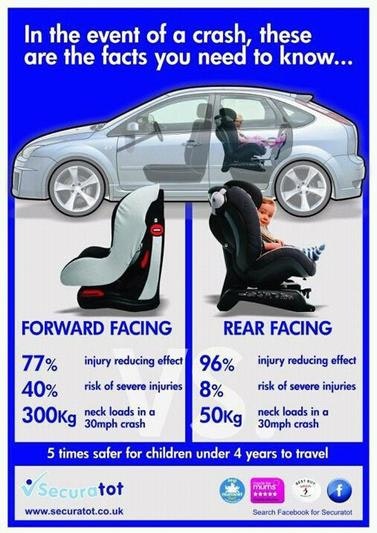
The safest answer: wait until your child outgrows rear-facing limits
Most children should ride rear-facing as long as possible. The American Academy of Pediatrics recommends keeping children rear-facing until they reach the highest height or weight limit set by their car seat manufacturer.
For many children, this means staying rear-facing past age two. Some children may remain rear-facing until age three or four, depending on the seat and their growth. Age two is a minimum safety milestone often discussed in guidance, not an automatic signal to turn the seat around.
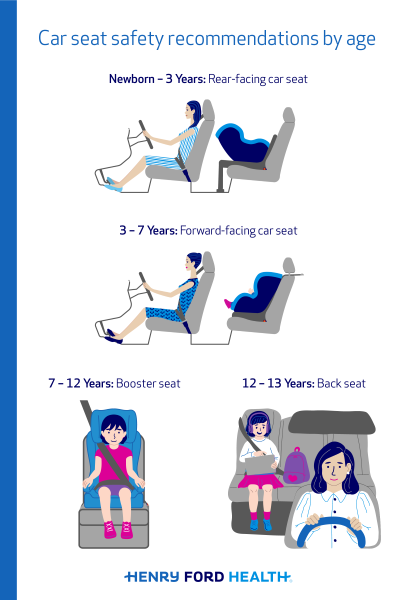
So, when can babies face forward in car seat use? They can face forward when all of these points are true:
• Your child is at least 2 years old, unless your local law requires a different age.
• Your child has reached the rear-facing height or weight limit of the seat.
• The car seat allows forward-facing use at your child’s size.
• The seat is installed correctly in a back seat.
• Your child uses the forward-facing harness and top tether correctly.
A rear-facing seat supports the child’s head, neck, and spine in a crash. It spreads crash forces across the child’s back instead of placing much of that force on the neck. Think of it like a shell that gently cradles the body during a sudden stop.
Why rear-facing is safer for babies and toddlers
Babies have large heads and weak neck muscles compared with adults. Their bones and spinal structures also continue to develop during the toddler years. In a serious crash, a forward-facing position can cause the head to move sharply forward while the body stays held by the harness.
Rear-facing seats move with the child’s back into the seat shell. This helps protect the head, neck, and spine. The position works for front, side, and rear crashes, although no car seat can prevent every injury.
Research and safety guidance support extended rear-facing travel. The National Highway Traffic Safety Administration, the Centers for Disease Control and Prevention, and pediatric safety experts all stress using the correct seat for the child’s age and size.
Parents sometimes worry when a toddler’s legs touch the vehicle seat. This is usually not a safety problem. Children are flexible, and many sit with bent legs, crossed legs, or feet resting on the vehicle seat. A child’s comfort does not mean the seat has become unsafe.
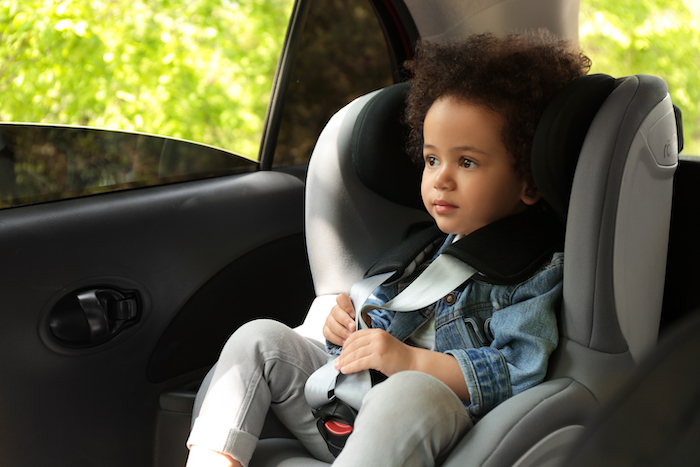
When can babies face forward in car seat use?
The phrase “when can babies face forward in car seat” often leads parents to search for one exact age. In reality, the best answer combines four factors.
1. Age
A child should not move forward-facing before age two unless a medical professional and local law provide different guidance. Many safety experts recommend waiting longer when the child still fits the rear-facing limits.
2. Height
Every car seat has a maximum rear-facing height. The limit may be based on the child’s standing height or the position of the head in relation to the seat shell. Read the manual closely because limits differ by model.
3. Weight
The car seat label lists the maximum rear-facing weight. A child who is under the height limit but over the weight limit has outgrown the rear-facing mode. Never guess based on the child’s appearance.
4. Seat instructions
The car seat manual controls how the seat must be used. It explains recline settings, harness height, installation methods, weight limits, and whether the seat can face forward. If the manual and a general online tip disagree, follow the manual.
A simple rule is this: do not turn the seat forward because your child looks tall, wants to see out, or has reached a birthday. Turn it only after the rear-facing stage is complete according to the seat and the law.

What type of car seat should your child use?
Parents may use an infant seat, a convertible seat, or an all-in-one seat. Each option can be safe when it fits the child and is installed correctly.
Infant-only car seats
Infant seats usually face rearward and have a removable carrier. They are convenient for newborns, but most cannot be turned forward-facing. Once the baby reaches the seat’s height or weight limit, move the child to a larger rear-facing convertible seat.
Convertible car seats
Convertible seats can face rearward for infants and toddlers. Later, they can face forward with a harness. Many families choose this option because it allows a child to remain rear-facing for a longer time.
All-in-one car seats
All-in-one seats may work rear-facing, forward-facing with a harness, and later as a belt-positioning booster. They can last for years, but they are often large. Check that the seat fits your vehicle and allows proper installation.
The best seat is not always the most expensive one. A suitable seat is one that fits your child, fits your car, matches your needs, and can be installed correctly every time.
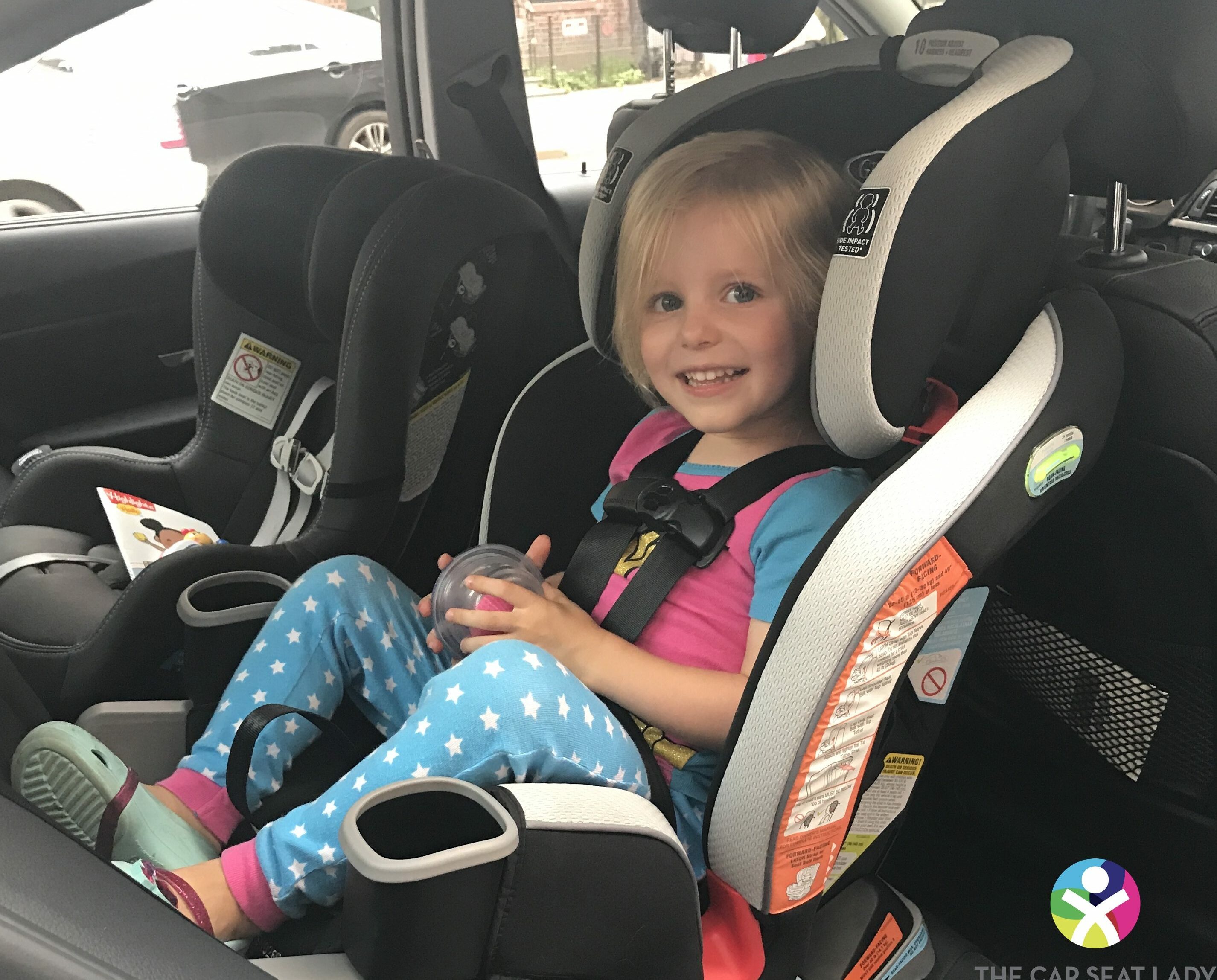
How to know your child has outgrown rear-facing
Check the seat manual and labels before making any change. Look for the rear-facing weight limit, height limit, and head clearance rule.
Your child may be ready for the next mode when one of these conditions applies:
• The child exceeds the rear-facing weight limit.
• The child exceeds the rear-facing height limit.
• The top of the child’s head reaches the limit stated by the manufacturer.
• The child’s shoulders or body no longer fit within the harness system as directed.
Do not use the position of the feet as a reason to turn the seat. Do not move forward-facing because the child seems cramped. A snug rear-facing seat can still be safe and appropriate.
Some seats require the child’s head to remain at least one inch below the top of the shell. Others use a different rule. This is why general advice cannot replace the manual for your exact model.

How to install a forward-facing car seat safely
Once your child is ready, the next step is a careful installation. Forward-facing seats use a harness, and most should also use the vehicle’s top tether.
Follow these steps:
Read both the car seat manual and the vehicle owner’s manual.
Place the seat in a back-seat position approved by both manuals.
Use either the lower anchors or the vehicle seat belt, unless the instructions allow both.
Attach the top tether to the correct tether anchor.
Tighten the installation so the seat moves less than one inch from side to side or front to back at the belt path.
Set the recline angle as directed.
Adjust the harness straps to the correct forward-facing position.
Place the chest clip at armpit level.
Tighten the harness until it passes the pinch test.
Remove bulky coats before buckling your child.
The top tether deserves special attention. It limits forward movement of the child’s head in a crash. A seat may seem tight without it, but the tether still provides an important layer of protection when the seat is used forward-facing.
If you feel unsure, visit a certified Child Passenger Safety Technician. Many communities offer seat checks through hospitals, fire departments, police departments, and public health programs. A professional can often spot small errors that are easy to miss at home.
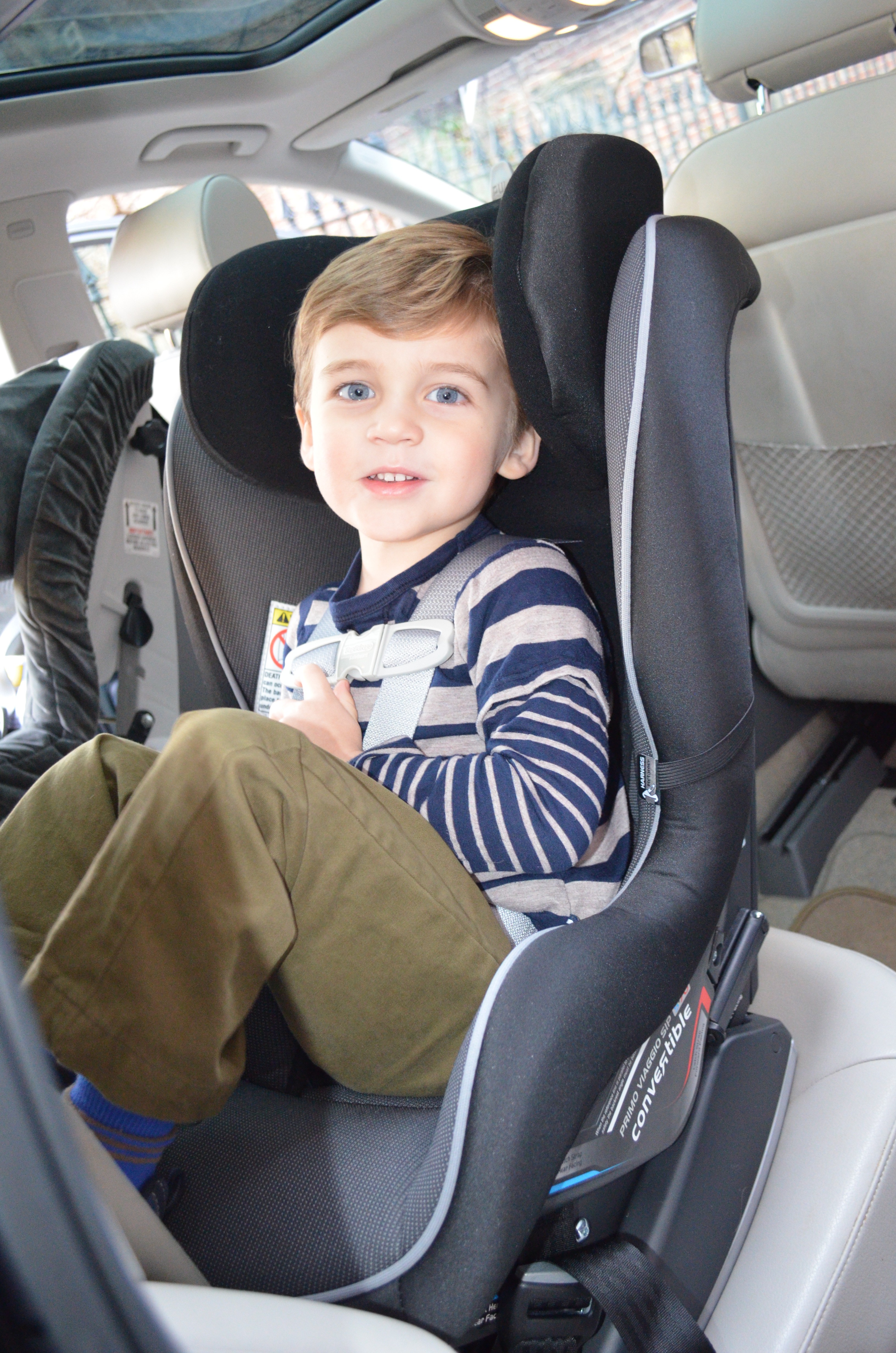
Common mistakes parents should avoid
Many car seat problems come from rushed changes or small installation errors. The following mistakes are especially common.
Turning the seat at age two automatically
Age two is not the only requirement. If the child still fits rear-facing, staying rear-facing is generally safer.
Using both lower anchors and the seat belt without permission
Some seats allow both methods. Others do not. Follow the manufacturer’s instructions rather than adding extra attachments for reassurance.
Forgetting the top tether
The tether is not just an optional strap for appearance. Use it whenever the car seat manual and vehicle manual require it.
Leaving a winter coat under the harness
Thick clothing can compress in a crash and make the harness too loose. Buckle the child in regular clothing, then place a blanket over the harness if needed.
Placing the car seat in front of an active airbag
Children should ride in the back seat whenever possible. Never place a rear-facing seat in front of an active passenger airbag. Follow your vehicle manual for all seating positions.
Using an expired or damaged seat
Car seats can expire because materials age and safety standards change. Do not use a seat after a crash unless the manufacturer confirms that it is still safe. Avoid seats with unknown history, missing parts, or recalled parts.
:max_bytes(150000):strip_icc()/parentscarseat-7d0ed5bfb8c2414fab651e5316a9c884.png)
Car seat laws and safety recommendations
State laws vary across the United States. Some states require rear-facing travel until age two. Others use age, weight, or height rules that differ from medical recommendations.
A law sets the minimum requirement. It does not always describe the safest choice. Parents should check their state transportation or highway safety website, read the seat manual, and consider guidance from pediatric safety experts.
The most protective plan is usually:
• Keep the child rear-facing until the seat’s rear-facing limits are reached.
• Use a forward-facing harness and top tether after that point.
• Keep the child forward-facing with a harness until the seat’s limits are reached.
• Move to a belt-positioning booster only when the child is mature enough and meets the booster requirements.
• Use the vehicle seat belt without a booster when the belt fits correctly.
A proper seat belt should cross the upper thighs, not the stomach. The shoulder belt should cross the chest and shoulder, not the neck or face. Most children need a booster until the vehicle belt fits this way, often between ages eight and twelve.
A practical example for parents
Imagine a 30-month-old child who weighs 28 pounds and still fits well within the rear-facing limits of a convertible seat. The child’s feet touch the vehicle seat, but the head remains below the stated height limit.
That child does not need to face forward yet. The safest choice is usually to continue rear-facing until the child reaches the seat’s rear-facing height or weight limit.
Now imagine a 3-year-old who has exceeded the rear-facing height limit but remains below the forward-facing harness limit. That child can usually move to forward-facing mode if the seat is installed correctly and the child meets all legal and manufacturer requirements.
This example shows why the answer to when can babies face forward in car seat use cannot rely on age alone.
Real-world lessons that make car seat use easier
A common mistake is changing the seat on a busy morning without checking the manual. It is better to set aside 20 quiet minutes, gather the vehicle and seat instructions, and inspect every strap and anchor.
Another useful lesson is to check the installation after someone else uses the car. Grandparents, babysitters, and relatives may mean well but may not know how the seat works. A quick check can prevent a loose harness, a twisted strap, or a missing tether connection.
Children may also resist a new seating position. Let them practice sitting in the forward-facing seat while the car is parked. Explain the change in simple words, but keep the rules firm: the chest clip stays at armpit level, the harness stays snug, and the child remains buckled for every trip.
I cannot personally drive with a child or install a car seat, so I do not claim hands-on testing. The practical advice here reflects established child passenger safety guidance and the real installation problems safety technicians commonly help families correct.
Signs you need a professional car seat check
Consider getting expert help if:
• The seat moves more than one inch at the belt path.
• You are unsure which anchors to use.
• The vehicle manual and car seat manual seem to conflict.
• The harness twists or does not tighten.
• Your child has special medical or physical needs.
• The seat was involved in a crash.
• You bought the seat secondhand and do not know its history.
• Your child has reached a height or weight limit and you are unsure what comes next.
A certified Child Passenger Safety Technician can check the fit and installation. Professional help is especially valuable when a seat is installed in a small vehicle, shared between cars, or used by more than one child.
Frequently Asked Questions
When can babies face forward in car seat?
Children should generally remain rear-facing until at least age two and until they reach the rear-facing height or weight limit of their seat. Many children are safest staying rear-facing beyond age two.
Can a 1-year-old face forward in a car seat?
A 1-year-old should not normally face forward. Keep the child rear-facing until at least age two and until the seat’s rear-facing limits are reached.
Is it safe for a toddler’s feet to touch the back seat?
Yes, this is usually safe. Children can sit with bent legs or crossed legs while rear-facing, and touching the vehicle seat is not a reason to turn the car seat around.
What should I do when my child outgrows the infant car seat?
Move the child to a larger rear-facing convertible or all-in-one seat. Choose a model with rear-facing limits that give your child more room to grow.
Does a forward-facing car seat need a top tether?
Most forward-facing harnessed car seats should use the top tether when the vehicle and seat instructions provide a tether anchor. It helps reduce forward movement during a crash.
Can I put a rear-facing car seat in the front seat?
Do not place a rear-facing seat in front of an active passenger airbag. Children should ride in the back seat whenever possible, following the vehicle and car seat manuals.
When can a child stop using a car seat?
The answer depends on the child’s size, age, maturity, and state law. Children should use the correct rear-facing seat, forward-facing harness, or booster until the vehicle belt fits properly without help.
Conclusion
The answer to when can babies face forward in car seat use is not simply “on the second birthday.” Keep your child rear-facing until at least age two and until the seat’s rear-facing height or weight limit is reached. Then use a forward-facing harness, the top tether, and a careful installation.
Read your car seat and vehicle manuals before making the change. If anything feels unclear, ask a certified Child Passenger Safety Technician to check the setup. Share your questions or explore trusted child passenger safety resources to keep every family ride safer.