
Babies should not routinely sleep on their side because it raises the risk of SIDS and airway issues.
I’ve cared for many infants and read the latest pediatric guidance, so I’ll walk you through whether can babies sleep on their side, why position matters, when side sleeping is ever acceptable, and how to keep your baby safe. This article combines clear medical guidance, real-world experience, and practical steps so you can make an informed choice about sleep position for your baby.

Why sleep position matters for babies
Sleep position changes breathing, reflux, and how easily a baby can roll. Newborns have fragile airways and developing reflexes. This is why can babies sleep on their side is a frequent and important question for parents.
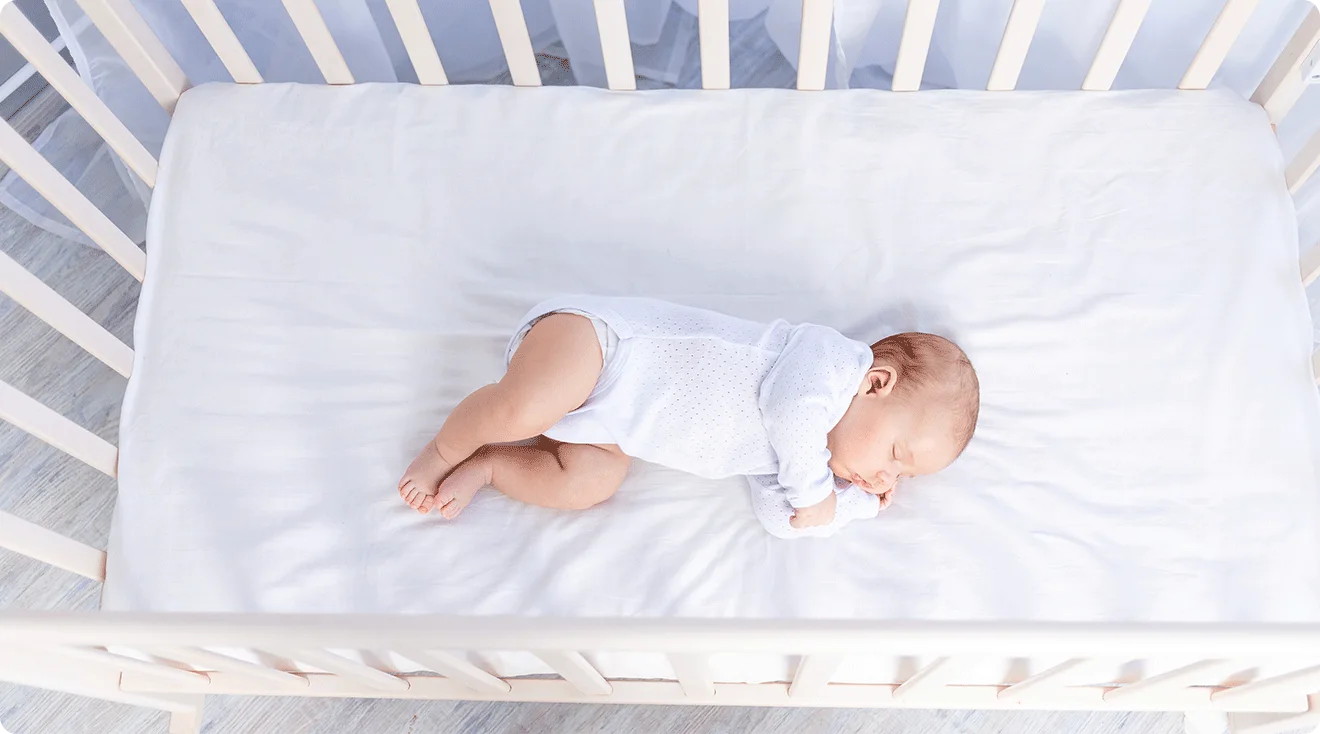
The safest sleep position for most infants is on the back. Back sleeping keeps the airway open and lowers the chance of rebreathing exhaled air. Side sleeping is less stable and increases the risk of the baby rolling onto the stomach.
Pediatric experts warn that side-sleeping is not a neutral middle ground. Small shifts in muscle tone can allow a baby to tip forward onto the face. That is why we focus on clear rules about sleep position and monitoring.

Medical guidance and safety recommendations
Most leading pediatric authorities recommend supine sleep for infants up to 1 year. That means placing a baby on their back each time for naps and night sleep. The guidance is based on studies showing lower rates of sudden infant death when babies sleep on their backs.
When parents ask can babies sleep on their side, the short medical answer is usually no, unless a specific health condition or professional recommendation says otherwise. For some medical reasons, clinicians may recommend alternative positions, but those are decided case-by-case.
Always discuss sleep position with your baby’s pediatrician if you think your baby needs a different position. A clinician can weigh risks, monitor development, and suggest safe alternatives.

When side sleeping is acceptable (rare cases)
There are a few rare, supervised cases where side positioning may be used. These exceptions come after careful clinical review. Reasons might include specific airway or neurological conditions.
If a pediatric specialist recommends side sleep, they will also give instructions for monitoring. That may include frequent checks, positional devices only under supervision, or overnight monitoring. Never decide on side sleeping without medical advice.
If you are wondering can babies sleep on their side after surgery or due to reflux, ask your clinician for a written plan. That plan should state who will monitor the baby and when the baby can return to back sleeping.
How to reduce risk if a baby rolls to the side or stomach
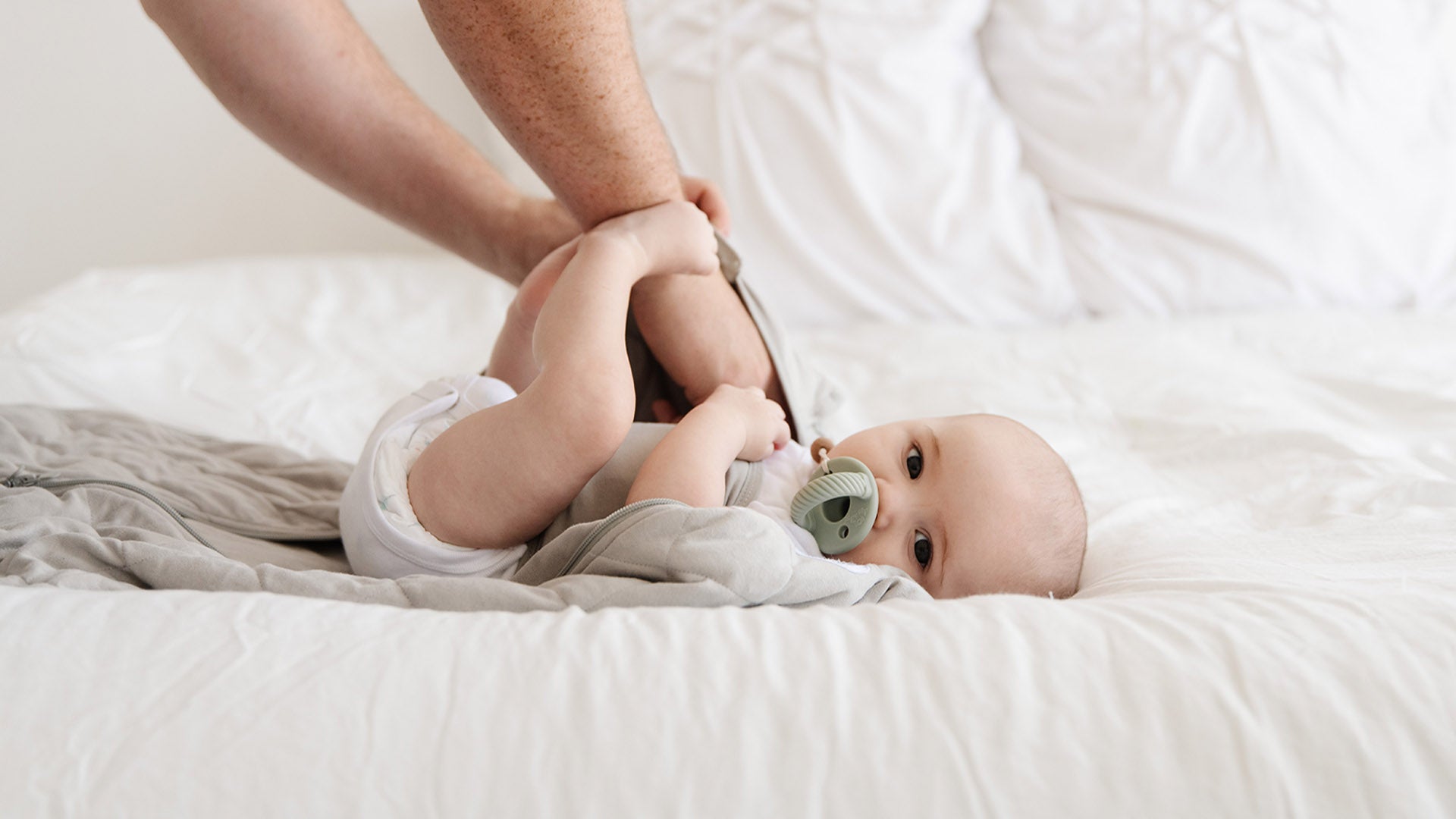
Babies develop and begin to roll at different ages. Many will roll from back to side or stomach around 4 to 6 months. This raises questions about can babies sleep on their side once they can roll.
If your baby rolls by themselves, it is usually okay to leave them in the position they settled in, as long as the sleep surface is safe. Continue to place them on their back at the start of each sleep. Use a firm mattress with a fitted sheet and keep soft items out of the crib.
Practical steps to reduce risk:
- Place baby on a firm, flat sleep surface in a safety-approved crib.
- Keep the sleep area free of loose bedding, pillows, and soft toys.
- Swaddle only until the baby shows signs of rolling. Stop swaddling as soon as rolling begins.
- Dress the baby in sleep clothing that keeps them warm without blankets.
- Supervise tummy time during awake hours to build motor skills and reduce the need to sleep on the side.

Alternatives to side sleeping
If you are worried about reflux, congestion, or comfort and ask can babies sleep on their side, consider safer alternatives. Upright time after feeding, frequent burping, and feeding adjustments can help reflux.
Other safe alternatives:
- Elevate the head of the mattress only if prescribed by a clinician and using a device approved for infants. Never prop with loose items.
- Offer extra supervised upright holding after feeds to ease reflux.
- Increase tummy time while awake to strengthen neck and torso muscles.
Avoid home-made wedges, hammocks, or car seats for routine sleep. These raise the risk of airway obstruction and positional asphyxia.

Personal experience and practical tips
I’ve supported many new parents who worried about can babies sleep on their side. I remember a parent who tried side sleeping for reflux and then stopped after a pediatric checkup. The doctor suggested feeding timing changes and extra upright holding, and reflux improved.
Lessons I learned:
- Trust routine guidance: back sleeping works well for most babies.
- Ask for a written plan if a clinician advises a different position.
- Focus on safe sleep environment more than exact angle. The crib and bedding matter most.
- Keep calm. Position worries are common, and clear, small changes often help.
When you speak with your baby’s doctor, ask about monitoring, when to return to back sleeping, and signs to watch for. Clear instructions reduce stress and improve safety.
Frequently Asked Questions of can babies sleep on their side
Can babies sleep on their side at night?
Most babies should sleep on their backs at night. Side sleeping is less stable and raises the risk of the baby rolling onto their stomach.
What if my baby has reflux and seems to sleep better on the side?
Try upright holding after feeds and discuss reflux management with your pediatrician. Side sleeping should only be used if a clinician specifically recommends it with monitoring.
When can a baby sleep on their side by themselves?
If a baby rolls onto their side on their own, you do not need to reposition them every time, but continue to place them on their back at the start of sleep. By 6 months, rolling is common and less linked to sudden infant death.
Are sleep positioners or wedges safe to keep a baby on their side?
Do not use sleep positioners or wedges unless directed by a medical professional and provided by a clinic. Many home devices can obstruct breathing and are not recommended.
How do I stop side sleeping if my baby prefers it?
Start each sleep on the back and remove loose bedding or items that encourage side positioning. If the baby persists, consult your pediatrician for guidance and monitoring.
Should I be awake to supervise side sleeping?
If side sleeping is recommended for a medical reason, follow clinician guidance on supervision. Supervision often includes frequent checks or monitoring until the baby can sleep safely on the back.
Conclusion
Choosing the safest sleep position comes down to evidence and care. For most babies, the best practice is to place them on their back for every sleep and keep their sleep space bare and firm. If you wonder can babies sleep on their side for a specific reason, get a clear plan from your pediatrician and follow monitoring instructions closely.
Take one practical step today: place your baby on their back at the start of every sleep and remove loose bedding from the crib. If you have questions or an unusual medical concern, reach out to your child’s doctor and share your observations. Leave a comment with your experience or subscribe for more practical baby-safety tips.