
Most babies get their first tooth around six months, though it can appear anytime from four to 12 months.
I’ve worked with parents and pediatric teams for years, and I’ll walk you through when do babies get their first tooth in simple, clear terms. This guide explains typical timelines, signs of teething, safe comfort strategies, when to call a pediatrician, and practical tips from real-world experience. Read on to feel confident about what to expect and how to care for your baby’s first tooth.
Typical timeline: when do babies get their first tooth
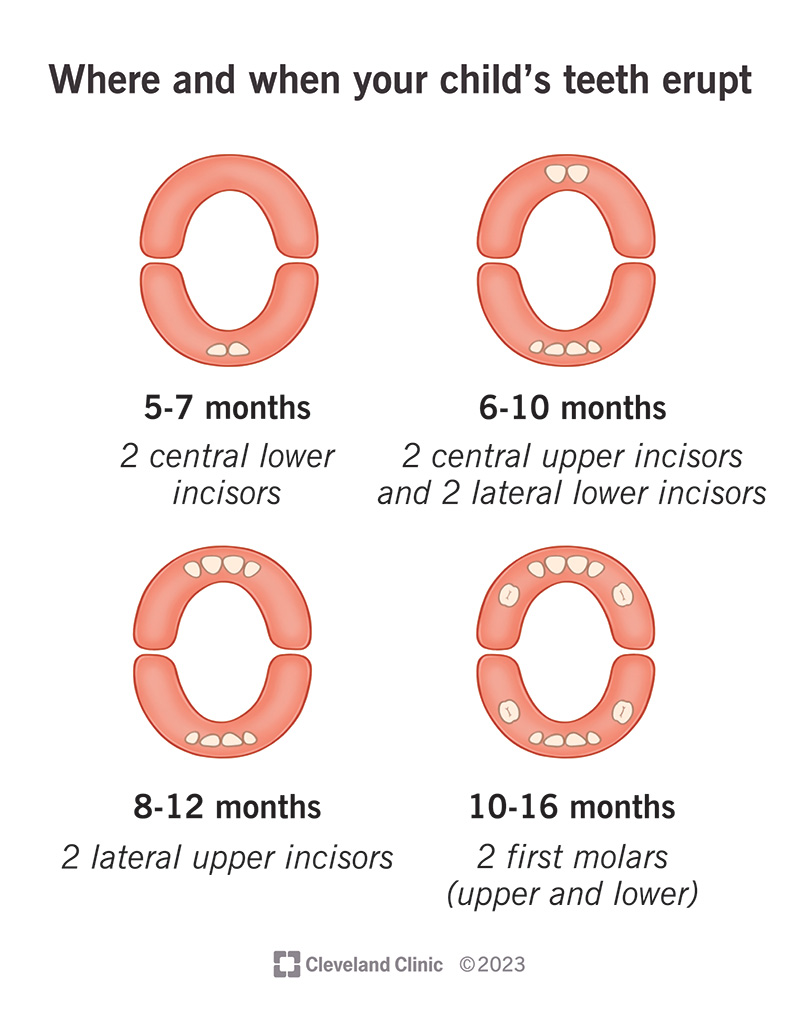
Most babies start teething between four and seven months. The average age is about six months. Some babies show teeth as early as four months. Others don't get the first tooth until after their first birthday. All of these patterns can be normal.
Timing can be influenced by genetics and family history. If parents or siblings cut teeth early, the baby might too. Race and ethnicity also show small trends in timing. But variations are common and often not a sign of a problem.
Common pattern for first teeth:
- Lower middle front teeth usually appear first.
- Upper middle front teeth often come next.
- Side teeth and molars follow over the next 1 to 3 years.
When do babies get their first tooth varies. Expect a range, not a single day. If you track milestones, include teething on that list. 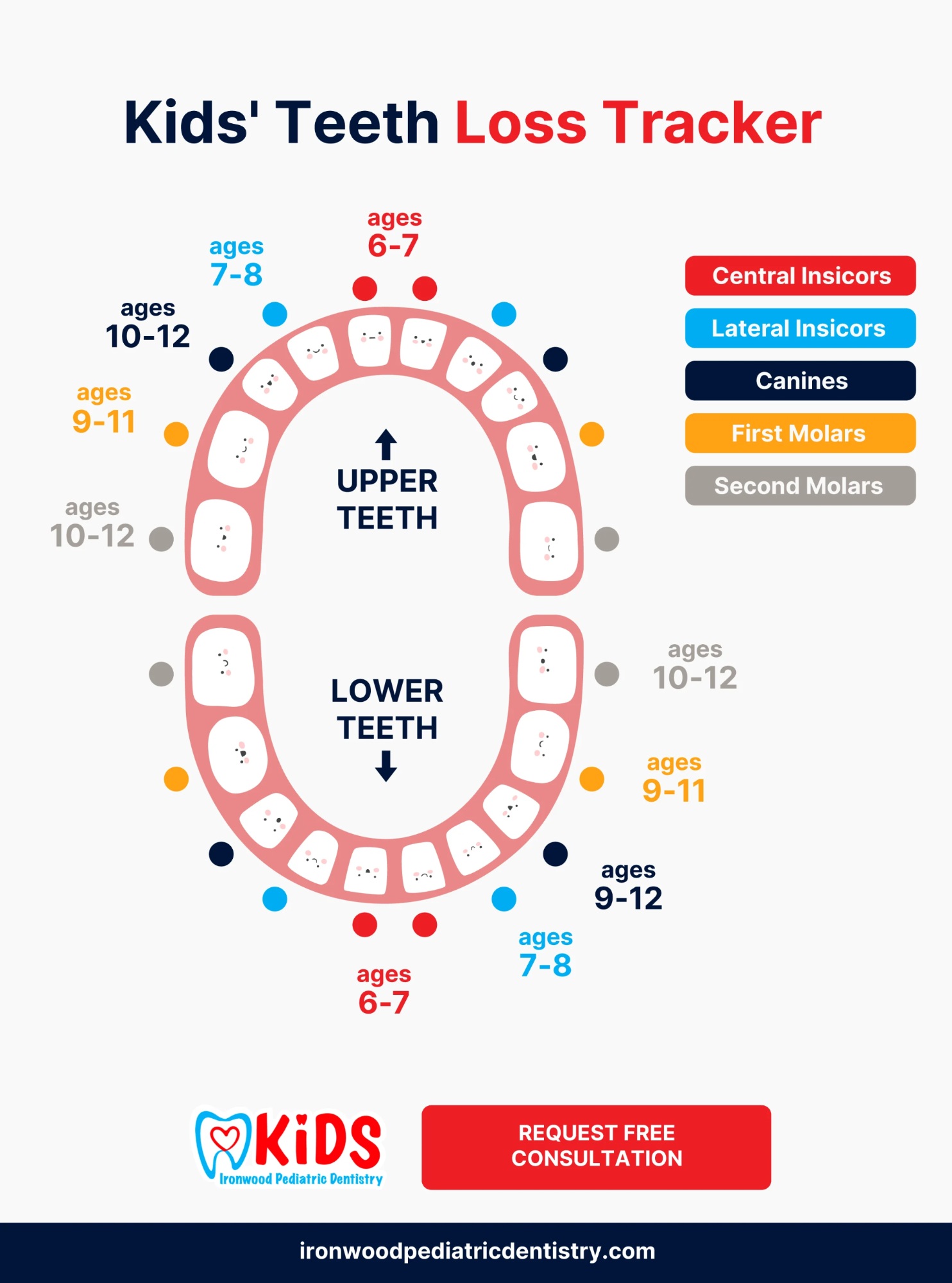
Developmental stages and tooth eruption order
Teeth form before birth and erupt later. The process follows a predictable order for many babies. Knowing the sequence helps you spot normal progress.
Typical eruption order:
- 6 to 10 months: lower central incisors.
- 8 to 12 months: upper central incisors.
- 9 to 13 months: upper lateral incisors.
- 10 to 16 months: lower lateral incisors.
- 13 to 19 months: first molars.
- 16 to 22 months: canines.
- 23 to 33 months: second molars.
Remember that when do babies get their first tooth is just the start. Teeth continue to appear through age three. If you are tracking teeth, use simple charts and photos to compare progress. 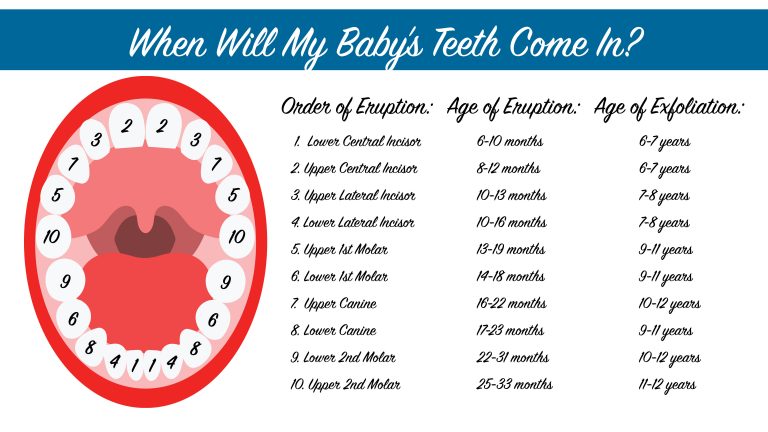
Signs and symptoms of teething
Teething signs can be mild or obvious. Babies can show a mix of symptoms. Look for these common cues.
Common signs:
- More drooling than usual.
- Chewing on toys and fingers.
- Irritability or fussiness.
- Swollen or tender gums.
- Slight changes in sleep or feeding.
Less common signs:
- Low-grade fever under 101°F.
- Loose stools or mild rash from drool.
- Refusal to nurse or bottle-feed for a short time.
Teething does not usually cause high fever, prolonged diarrhea, or severe illness. If those occur, contact your pediatrician. Knowing when do babies get their first tooth helps you interpret these signs calmly. 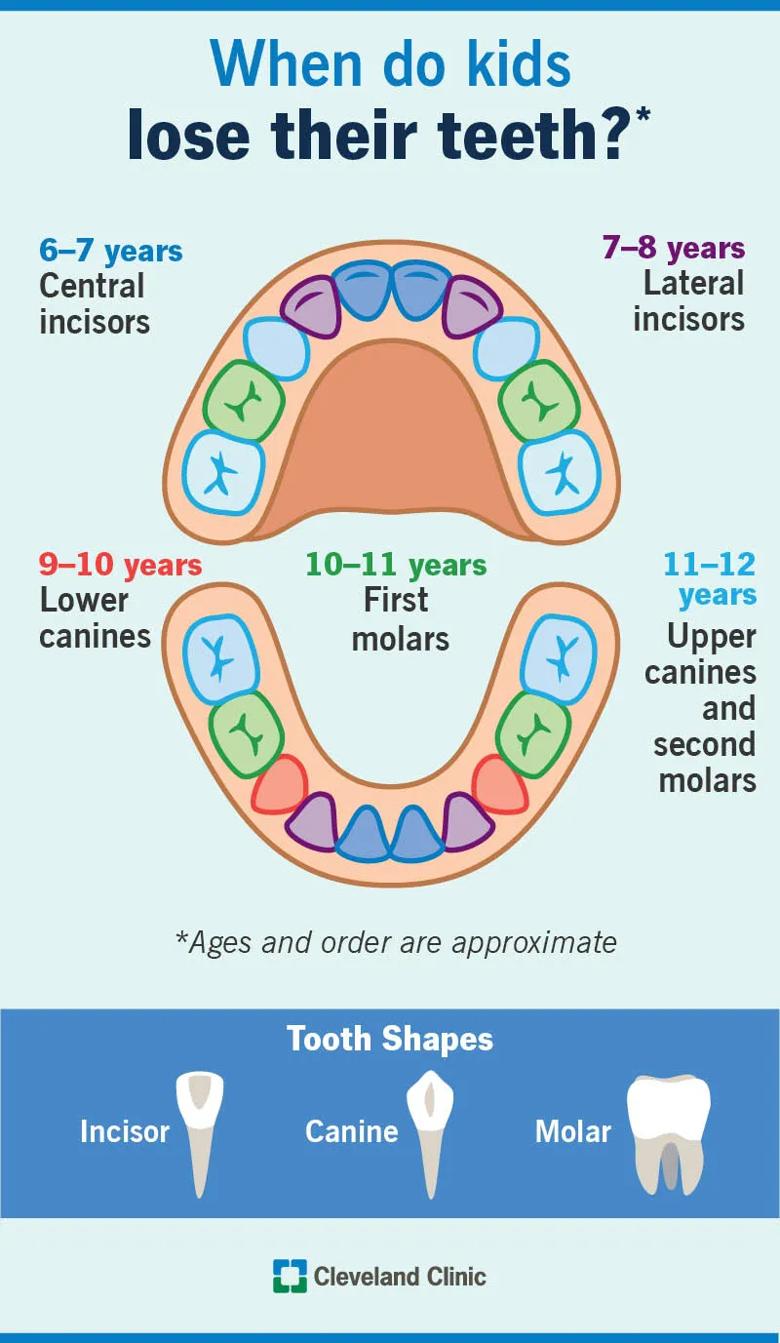
Safe comfort and care strategies during teething
Comfort techniques can ease pain and make both parent and baby calmer. Try several and see what helps your baby most.
Safe options:
- Firm silicone or rubber teethers kept clean.
- Cold items such as chilled (not frozen) teether rings.
- Gentle gum massage with a clean finger.
- Soft, cool washcloth for chewing.
- Over-the-counter pain relief only when advised by your pediatrician.
What to avoid:
- Hard frozen items that can damage gums.
- Teethers with liquid or small parts that could leak.
- Teething gels with benzocaine or products not recommended for infants.
Be consistent and watch how your baby responds. Good hygiene for teethers matters. Sterilize and replace worn teethers. These steps help when do babies get their first tooth feel less painful. 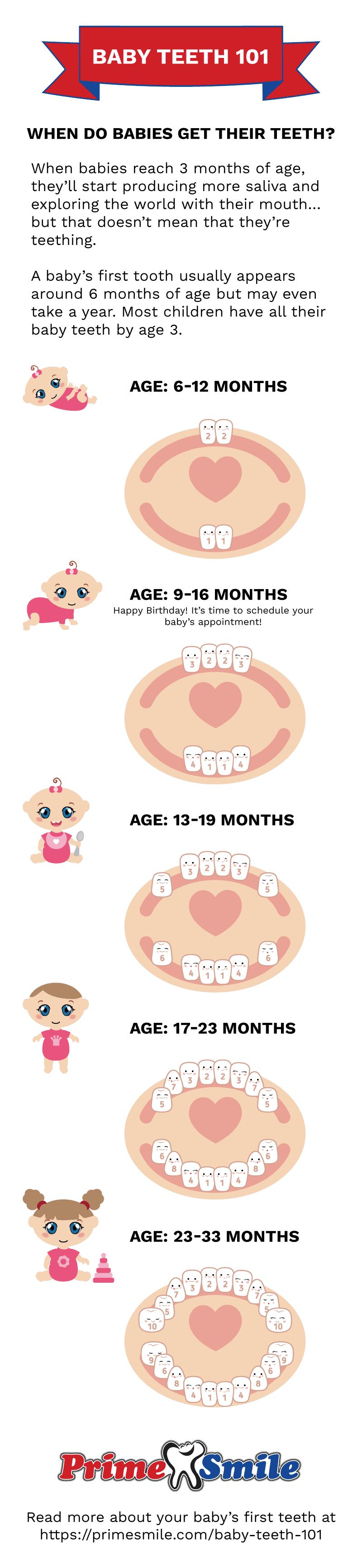
First dental care steps and visiting the dentist
Dental care begins early. Wiping gums gently after feeds starts good habits. As soon as the first tooth appears, begin brushing.
Practical steps:
- Use a soft infant toothbrush and a smear of fluoride toothpaste about the size of a grain of rice.
- Brush twice daily and after nighttime feeding, if possible.
- Avoid putting baby to bed with a bottle of milk or juice.
When to see the dentist:
- Schedule the first dental visit by the baby’s first birthday or within six months of the first tooth.
- The dentist will check for proper eruption, caries risk, and oral habits.
Good early dental care sets the stage for healthy teeth. Knowing when do babies get their first tooth lets you plan the first dentist visit confidently. 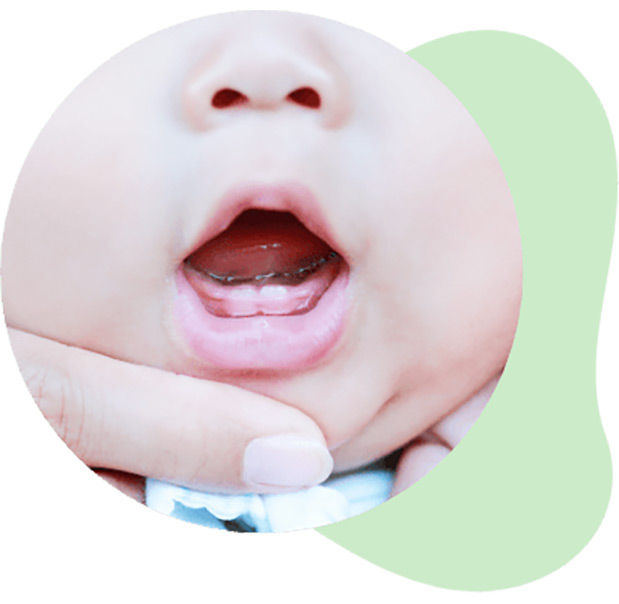
When to worry: red flags and when to call the doctor
Most teething is normal. But some signs deserve prompt attention. Contact a healthcare provider if you see serious symptoms.
Red flags:
- High fever above 101°F lasting more than a day.
- Severe diarrhea or vomiting.
- Poor weight gain or feeding refusal for more than 24 hours.
- Signs of infection around the gum or face swelling.
- No teeth by 18 months, especially with other developmental concerns.
If you face these issues, your pediatrician may check for underlying causes and recommend care. Be proactive. Knowing when do babies get their first tooth helps you separate normal from concerning signs. 
My experience and practical tips from working with families
I’ve helped many parents through their baby’s first teeth. A few lessons stand out from real life.
What worked for families:
- Chilled silicone rings were a favorite for quick relief.
- Short, frequent gum massages soothed most babies.
- Simple routines reduced evening fussiness during teething spells.
- Early dental visits eased parental anxiety.
Mistakes to avoid:
- Offering sugary pacifiers or putting baby to bed with juice.
- Waiting too long to brush emerging teeth.
- Relying on unproven teething remedies or topical numbing agents.
If your baby’s first tooth comes early or late, stay calm. Share progress with your pediatrician and dentist. These small steps help you handle when do babies get their first tooth without stress. 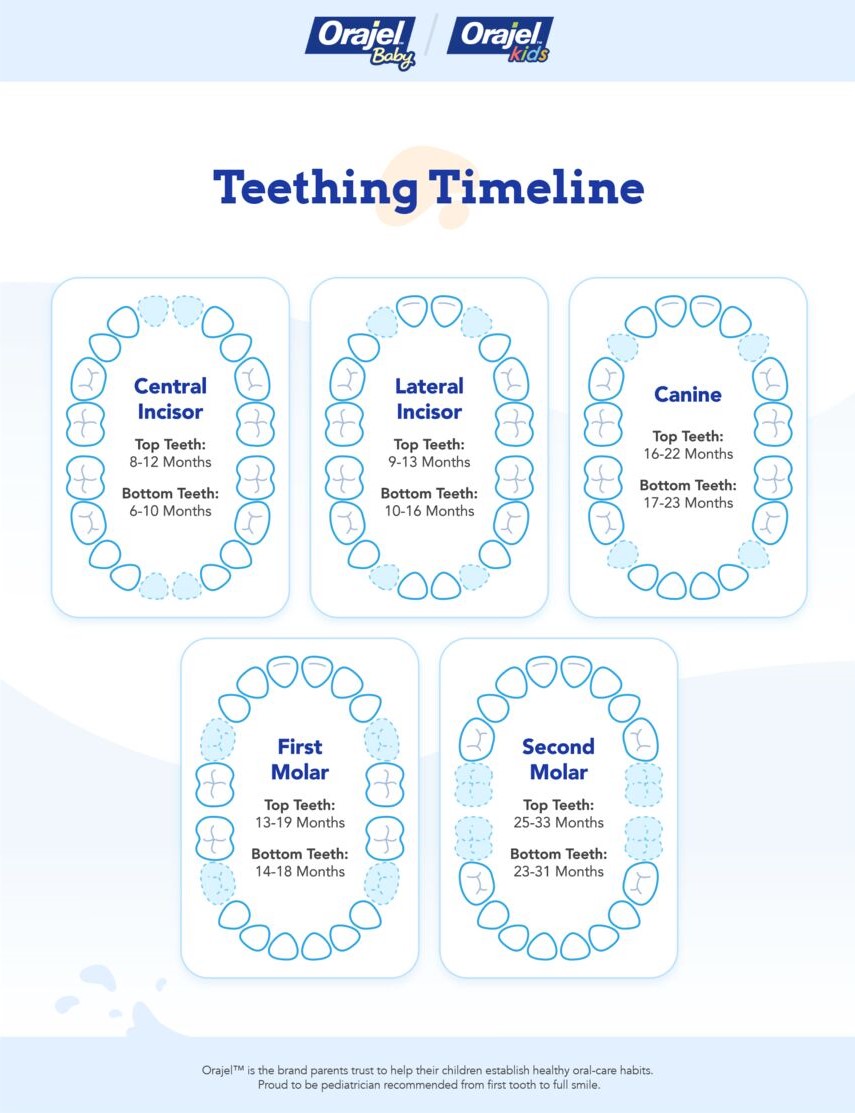
Common myths and facts about teething
Teething has many myths. Clearing them up reduces worry.
Myth: Teething causes high fever and serious illness.
Fact: Teething may cause low-grade fever. High fever or severe illness is likely from another cause.
Myth: Teeth should erupt exactly at six months.
Fact: Timing varies widely. Many healthy babies get first teeth before or after six months.
Myth: Teething gels are always safe.
Fact: Some gels contain harmful ingredients. Use them only under pediatric advice.
Knowing facts helps you respond appropriately when do babies get their first tooth shows up.
Frequently Asked Questions of when do babies get their first tooth
When is the average age for a baby’s first tooth?
Most babies get their first tooth around six months, but it can be normal from four to 12 months.
What are the earliest signs that a baby is teething?
Earliest signs include drooling, chewing on objects, gum swelling, and mild fussiness.
Can teething cause fever and diarrhea?
Teething may cause low-grade fever, but high fever or prolonged diarrhea usually points to an infection, not teething.
When should I brush my baby’s first tooth?
Begin brushing as soon as the first tooth appears, using a soft brush and a rice-sized smear of fluoride toothpaste.
When should I take my baby to the dentist?
Schedule the first dental visit by the first birthday or within six months after the first tooth appears.
What if my baby has no teeth by 12 months?
No teeth by 12 months can be normal. Talk to your pediatrician if there are other concerns or no teeth by 18 months.
Are there safe teething remedies I can use?
Yes. Chilled silicone teethers, gentle gum massage, and pediatrician-approved pain relief are safe options.
Conclusion
Most babies get their first tooth between four and 12 months, with the average near six months. Watch for drooling, gum soreness, and chewing. Use safe comfort measures, start oral care when the tooth appears, and schedule a dental visit by age one. Stay calm, track progress, and contact your pediatrician for red flags. Embrace this milestone as part of your baby’s growth and use the tips here to make it easier.
Take action: start wiping gums today, buy a safe teether, and book that first dental check-up. Share your questions or teething stories below — parents learn fast from each other.