
Most babies begin cooing around 6 to 8 weeks, with sounds growing richer through two months.
As a parent and someone who has worked closely with pediatric teams and early intervention specialists, I’ve seen how meaningful those first soft "ooh" and "ahh" sounds are. This article answers the core question—when do babies start cooing—clearly and fully. You’ll get a practical timeline, reasons cooing matters, ways to encourage it, signs to watch for, and simple actions you can take today to support your baby’s early communication. Read on for an expert, friendly guide based on clinical experience and everyday parenting.

What is cooing and why it matters
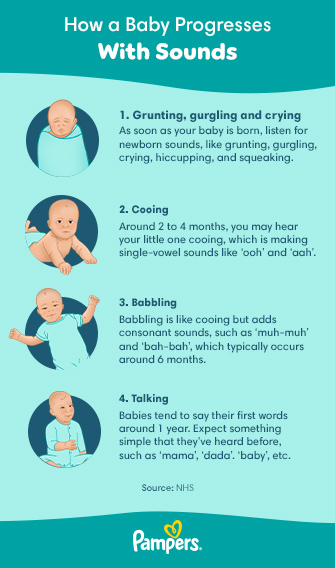
Cooing is the first stage of vocal play. Babies make vowel-like, melodic sounds. These sounds are usually soft and long. Cooing helps babies experiment with breath and voice. It builds the foundation for babbling and later speech.
Why cooing matters
- Brain growth: Cooing strengthens neural pathways for language.
- Social bonding: Parents and caregivers respond and bond through sound.
- Early communication: Cooing signals a baby’s readiness to interact.
When do babies start cooing is an important milestone because it marks the start of language practice. Watch for gentle vowel sounds and happy chatter as early signs.

Typical timeline: when do babies start cooing and related milestones
Most babies coo by 6 to 8 weeks. Some start a bit earlier or later. Every baby grows at their own pace.
Common milestone timeline
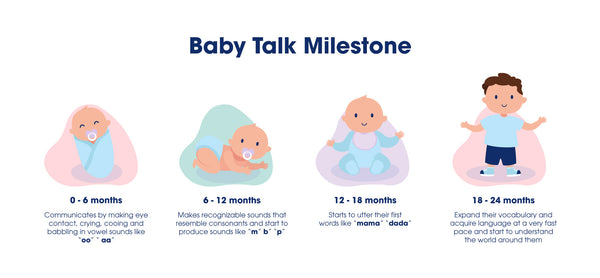
- 0–4 weeks: Reflexive sounds like cries and fussing.
- 4–8 weeks: Early cooing emerges as vowel-like sounds.
- 2–3 months: Cooing becomes more frequent and varied.
- 4–6 months: Transition to babbling with consonant-vowel combos.
Parents often ask when do babies start cooing and whether a slight delay is normal. Small differences are usually fine. Persistent absence of vocal play by 4 months is a cue to check with a pediatrician.

How cooing develops: biology and behavior
Cooing comes from simple physical and social drivers. Breath control improves. Vocal cords and mouth muscles get stronger. The baby’s brain begins mapping sound to meaning.
Key influences on development
- Neuromuscular growth: Mouth and throat control improves.
- Auditory feedback: Babies hear their own sound and repeat it.
- Social response: Caregiver reactions reinforce vocal play.
If you wonder when do babies start cooing after a preterm birth, expect slight shifts. Many preterm infants follow a corrected age timeline. Talk with health providers about what’s typical for your child.

How to encourage cooing: simple, practical tips
Helping your baby coo is easy and fun. Use natural routines and play.
Ways to encourage cooing
- Talk often: Narrate daily tasks in a calm voice.
- Mirror sounds: Copy your baby’s coos to reinforce them.
- Close eye contact: Face-to-face time invites vocal response.
- Gentle singing: Short lullabies and hums stimulate vocal play.
- Pause and wait: Give baby time to respond after you speak.
In my own experience, daily five-minute cooing sessions during diaper changes produced more vocal play. Keep things relaxed and joyful. When do babies start cooing becomes less of a worry when you build consistent chances to practice.

Common variations and factors that affect when babies start cooing
Not every baby follows the same script. Many things influence the timing of cooing.
Factors that can change the timeline
- Hearing: Good hearing is essential for sound imitation.
- Temperament: Quiet babies may coo less but still develop normally.
- Environment: Less adult interaction can slow vocal practice.
- Medical issues: Reflux, persistent nasal congestion, or muscle tone issues can affect sound.
If you ask when do babies start cooing and your baby seems unusually quiet, check hearing and general health. Early checks are low-stress and helpful.
When to seek help: signs to monitor
Most delays are minor. Still, some signs merit professional attention.
Red flags to mention to a clinician
- No vowel-like sounds by 4 months.
- Lack of response to voices or loud noises.
- Stiff or floppy muscles that limit mouth movement.
- Regression in previously gained vocal skills.
If you are worried, bring notes about when you first heard cooing and examples of your baby’s reactions. Early support is simple and effective.
Real-life tips from experience
Here are small steps that made a big difference for families I’ve worked with and in my own life.
Practical tips
- Keep a “sound diary”: jot when your baby first cooed and when sounds changed.
- Use routines: morning cuddles and bedtime songs create predictable chances for cooing.
- Reduce background noise: turn off the TV during play to highlight voices.
- Share tasks: encourage other caregivers to mimic and respond to coos.
A personal note: my first child didn’t coo much in busy rooms. Once we slowed down and tuned in, cooing increased every week. That steady, simple attention worked wonders.

Frequently Asked Questions of when do babies start cooing
When is the typical age for babies to start cooing?
Most babies start cooing between 6 and 8 weeks, with regular cooing by about two months.
How can I tell the difference between cooing and crying?
Cooing are soft, vowel-like sounds made when a baby is calm or content. Crying is loud, intense, and signals distress.
Does prematurity change when babies start cooing?
Yes. For preterm babies, use corrected age to track milestones, and expect slight shifts in timing.
Can lack of cooing signal hearing problems?
It can. If a baby does not respond to voices or loud sounds, have their hearing evaluated.
What should I do if my baby hasn’t started cooing by 3–4 months?
Mention it at your next pediatric visit. A brief hearing screen and developmental check can rule out common issues.
Conclusion
When do babies start cooing? Most begin around 6 to 8 weeks and grow more vocal over the next months. Cooing is a key early step toward speech and social connection. If you want to support your baby, talk, mirror sounds, and create calm moments for vocal play. Track progress, trust your instincts, and ask a pediatrician when something feels off.
Take one small action today: spend five focused minutes face-to-face with your baby and talk or sing. Come back and share what you hear—your observations matter.