
Most babies should not sleep with a loose blanket until at least 12 months old.
I’ve spent years writing and advising parents about infant sleep safety, and I know how confusing this question can be. This article explains exactly when can babies sleep with a blanket, why that timing matters, and how to introduce blankets safely. You’ll get clear age-and-development guidance, practical tips for safer sleep, examples from real parenting experience, and answers to common concerns so you can make confident choices for your child.
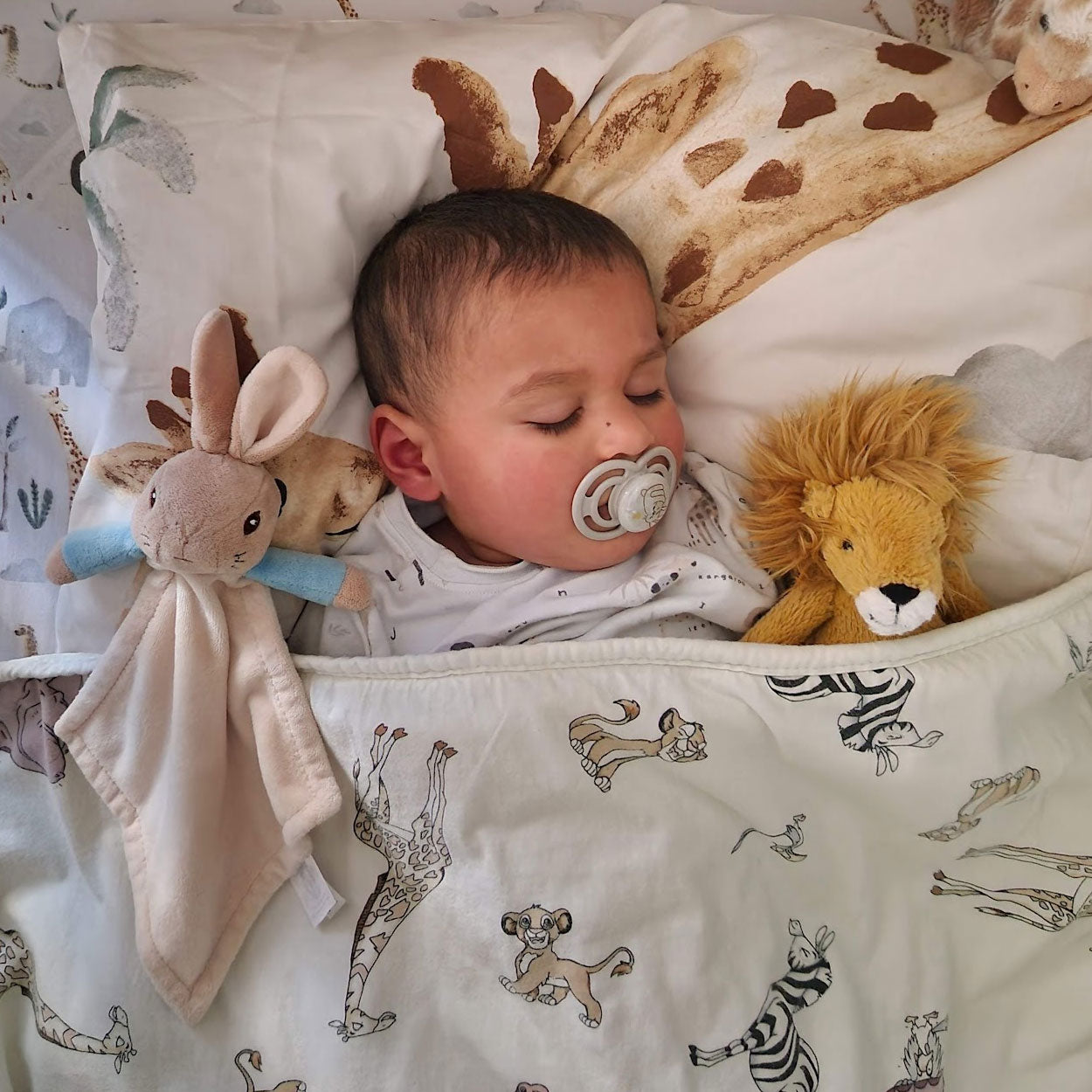
How blankets affect infant sleep safety
Blankets can pose risks to young babies. Loose bedding can cover a baby’s face. It can also trap heat. Both actions raise the chance of suffocation or overheating.
Safety experts focus on three hazards:
- Rebreathing expired air if a blanket covers the nose or mouth
- Overheating from layers or heavy fabrics
- Strangulation risk from large, loose items in the crib
When can babies sleep with a blanket depends on age and motor skills. Babies who cannot roll or push a blanket away are at highest risk. Waiting until a baby can move independently lowers these risks.

When can babies sleep with a blanket: age and developmental markers
Most guidelines say wait until around 12 months. This is a simple rule of thumb. Use developmental cues too. A baby who can roll over and shift a blanket is safer than one who cannot.
Look for these markers before introducing a sleep blanket:
- Consistent rolling both ways
- Ability to push an object away from the face
- Stable, predictable sleep routines
If a baby reaches these markers before 12 months, proceed with caution. If not, delay blanket use until the first birthday or later. The phrase when can babies sleep with a blanket matters less than the baby’s skills.
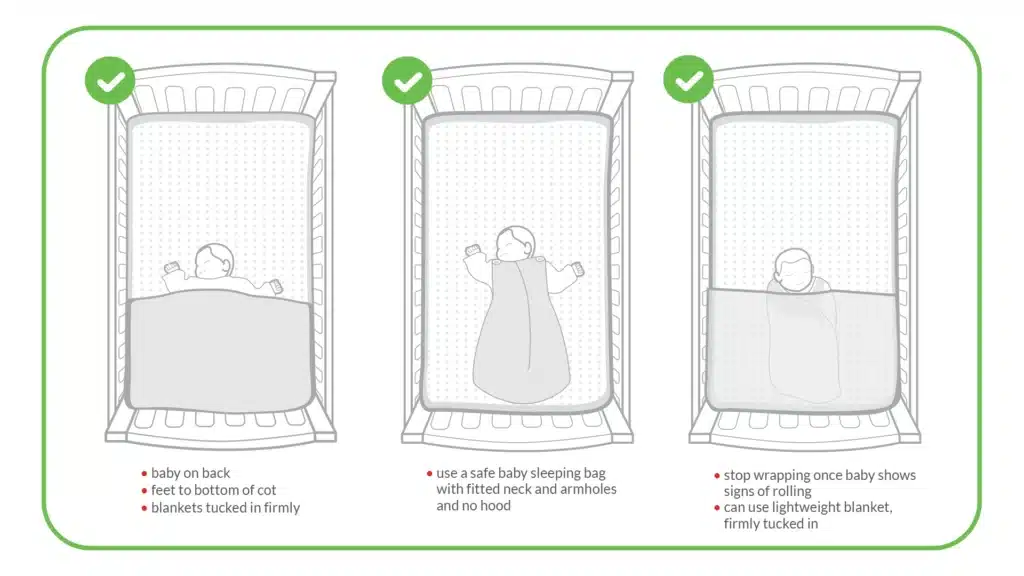
Safe ways to introduce a blanket
Introduce a blanket step by step. Start with supervised naps. Use lightweight, breathable fabrics. Place the blanket low in the crib at first so the baby cannot pull it over the head.
Follow these steps:
- Choose a thin, cotton or muslin blanket
- Keep the blanket tucked at chest level, not above shoulders
- Watch naps and nights closely for the first few weeks
- Transition gradually: use the blanket at naps, then nights
If the baby shows signs of pulling the blanket up over the face, remove it and wait. Safety beats style. If a parent is unsure, consider using a wearable blanket or sleep sack as a safer alternative.

Types of blankets and materials to consider
Not all blankets are equal. Heavy blankets and thick fleece can trap heat. Avoid loose quilts, comforters, and large plush blankets for babies under 12 months.
Good options include:
- Lightweight muslin blankets
- Breathable cotton layers
- Thin, tightly woven blankets that don’t bunch easily
Avoid:
- Blankets with loose trim, long tassels, or big holes
- Weighted blankets for infants
- Any item that can cover the face or interfere with breathing
When can babies sleep with a blanket often depends on the blanket type. Choose breathable, safe fabrics to cut risk.
Room temperature, clothing, and layering
Blankets are only one part of sleep safety. Room temperature and sleep clothing matter too. Keep the nursery cool and use layers wisely.
Guidelines:
- Maintain room temp around 68–72°F (20–22°C)
- Dress baby in a one-piece sleeper or layers suited to the temperature
- Avoid heavy pajamas if you plan to add a blanket
If you use a blanket, reduce other layers. Check your baby’s neck or back to judge warmth. Hands and feet may feel cool and still be normal.

Common concerns and misconceptions
Parents worry about comfort, sleep quality, and emotional attachment to blankets. These are valid concerns. But safety must come first.
Myths and facts:
- Myth: Babies need thick blankets to sleep well.
Fact: Babies regulate sleep well with appropriate room temp and clothing. - Myth: A blanket always comforts newborns.
Fact: Many babies adapt and prefer sleep sacks or swaddles. - Myth: If a baby can sit, it’s safe to use a blanket.
Fact: Sitting alone does not guarantee the motor control to handle blankets.
When can babies sleep with a blanket is often framed as a single age. In truth, it’s a mix of age, skill, and careful choices.

Personal experience and lessons learned
In my years advising families, I’ve seen small changes make big differences. One family waited until 14 months. Their child could roll and pull a blanket off quickly. That extra wait put everyone at ease.
Lessons I’ve learned:
- Start with a sleep sack. It buys you time.
- Test blankets at naps before nights.
- Watch for indicators: if the blanket ends up near the face, remove it.
I once recommended switching from a heavy fleece to a thin muslin. The baby slept just as well and the parents relaxed. Those wins matter.

Frequently Asked Questions of when can babies sleep with a blanket
When is it safe for a baby to sleep with a blanket?
Most experts advise waiting until about 12 months, and only after a baby can roll and push objects away. Use light, breathable blankets and monitor the baby when you first introduce one.
Can a 9-month-old sleep with a light blanket if supervised?
Supervised naps might allow a light blanket at 9 months, but unsupervised night sleep is not recommended. The baby should be able to move the blanket away on their own.
Are sleep sacks better than blankets for infants?
Yes. Sleep sacks keep the baby warm without loose bedding and lower the risk of covering the face. They are a widely recommended safe alternative.
How do I check if my baby is too hot under a blanket?
Feel the back of the baby’s neck or chest; it should feel warm but not sweaty. Remove a layer if the baby is damp or flushed.
When should I stop using a sleep sack and move to a blanket?
Transition when your child reliably moves blankets off the face and shows good motor control, often after 12 months. Some parents keep sleep sacks until 18 months for comfort.
Conclusion
Deciding when can babies sleep with a blanket comes down to age, development, and careful choices. Wait until around 12 months and until your baby can roll and push a blanket away. Use thin, breathable fabrics, try sleep sacks first, and always monitor new sleep items during naps. Your goal is comfort without compromising safety.
Make a plan: check your baby’s milestones, pick safe materials, and introduce blankets slowly. If you found this helpful, subscribe for more sleep-safety guides or share your experience below — your story might help another parent make a calm, confident choice.