
Start brushing your baby’s teeth as soon as the first tooth appears, usually around six months of age.
Knowing when do you start brushing babies teeth helps protect tiny teeth from cavities from the very beginning. Good oral care starts before a baby can say “ahh,” and simple daily habits can make brushing feel as normal as bath time. This guide explains the right age, toothpaste amount, brushing method, dental visits, common mistakes, and ways to handle a fussy baby.
When Do You Start Brushing Babies Teeth?
You should start brushing a baby’s teeth when the first tooth breaks through the gum. For many babies, this happens near six months, but the timing can range from about 4 to 12 months. Some babies are born with a tooth, while others do not get their first tooth until after their first birthday.
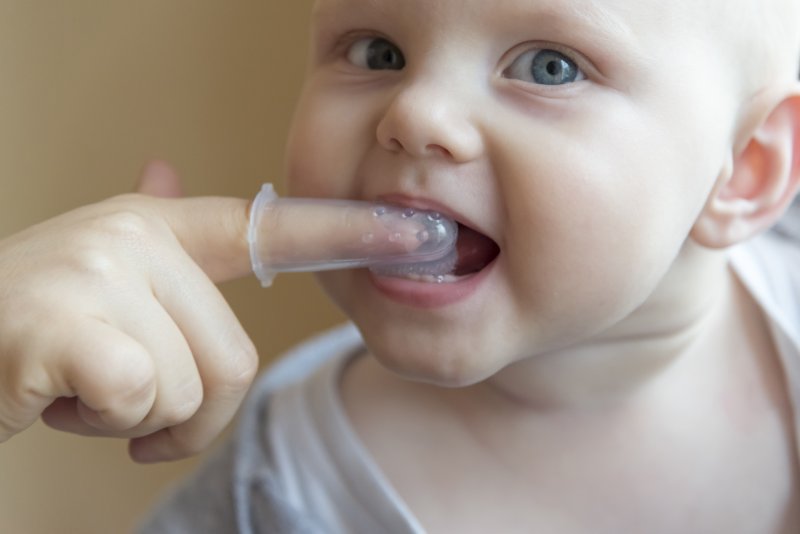
Before teeth appear, you can gently clean your baby’s gums once a day. Use a clean, soft, damp washcloth or a small infant gum brush. This removes milk residue and helps your baby get used to having their mouth cleaned.
When asking when do you start brushing babies teeth, remember that the first tooth is the key sign. Do not wait until your child has several teeth. Even one tooth can develop decay.
The American Academy of Pediatric Dentistry and the American Dental Association recommend brushing twice a day with a soft, small-headed toothbrush. Use fluoride toothpaste as soon as the first tooth appears.
Why Early Baby Tooth Brushing Matters
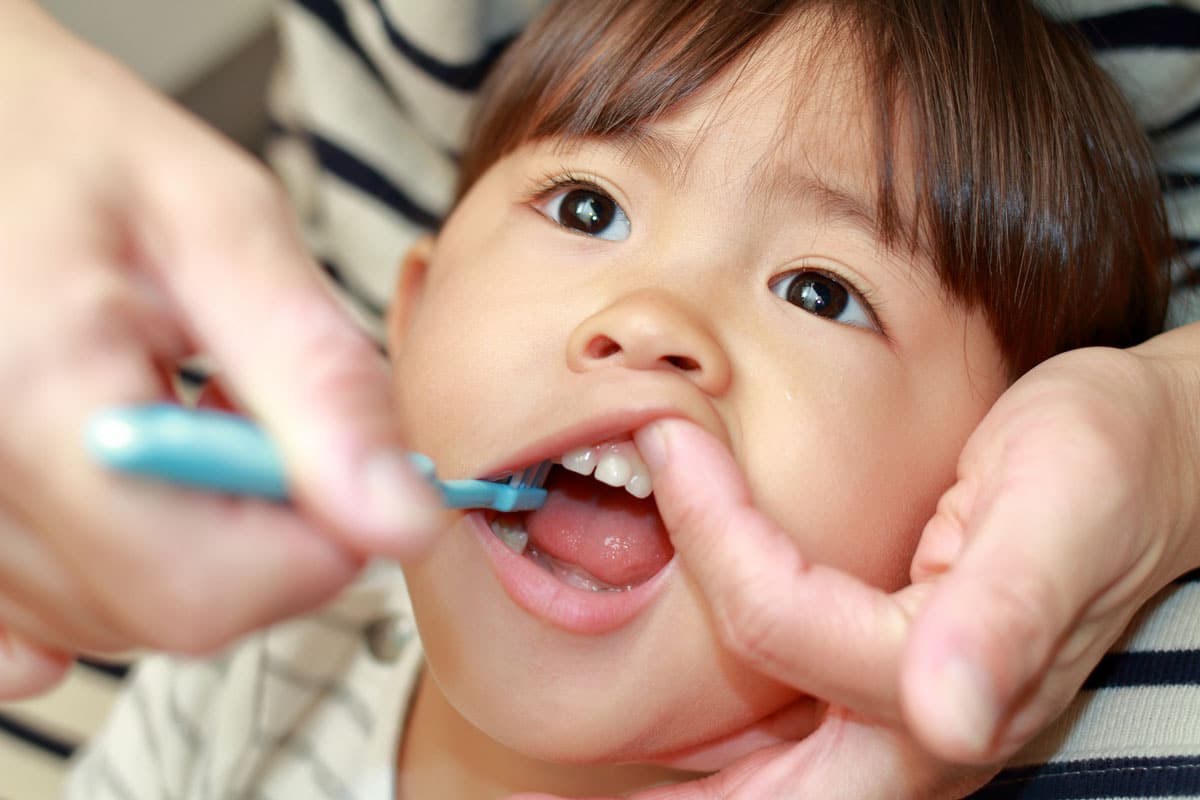
Baby teeth are small, but they play a large role. They help children chew food, form clear speech sounds, and save space for permanent teeth. Healthy baby teeth also support comfortable eating and normal jaw development.
Tooth decay can begin soon after the first tooth appears. Bacteria in the mouth use sugar from milk, formula, juice, and food. This process creates acid that can weaken tooth enamel.
Early brushing removes bacteria and food particles before they cause damage. It is like wiping rain from a window before it leaves a stain. A few seconds of care each morning and night can protect your child’s smile.
Baby teeth can also affect permanent teeth. Severe decay or early tooth loss may lead to pain, infection, trouble eating, or space problems. This does not mean every cavity causes long-term harm, but prevention is much easier than treatment.
When do you start brushing babies teeth? Start early because early habits are easier to build. A baby who learns that brushing is part of the daily routine may resist less as they grow.
How to Brush a Baby’s Teeth
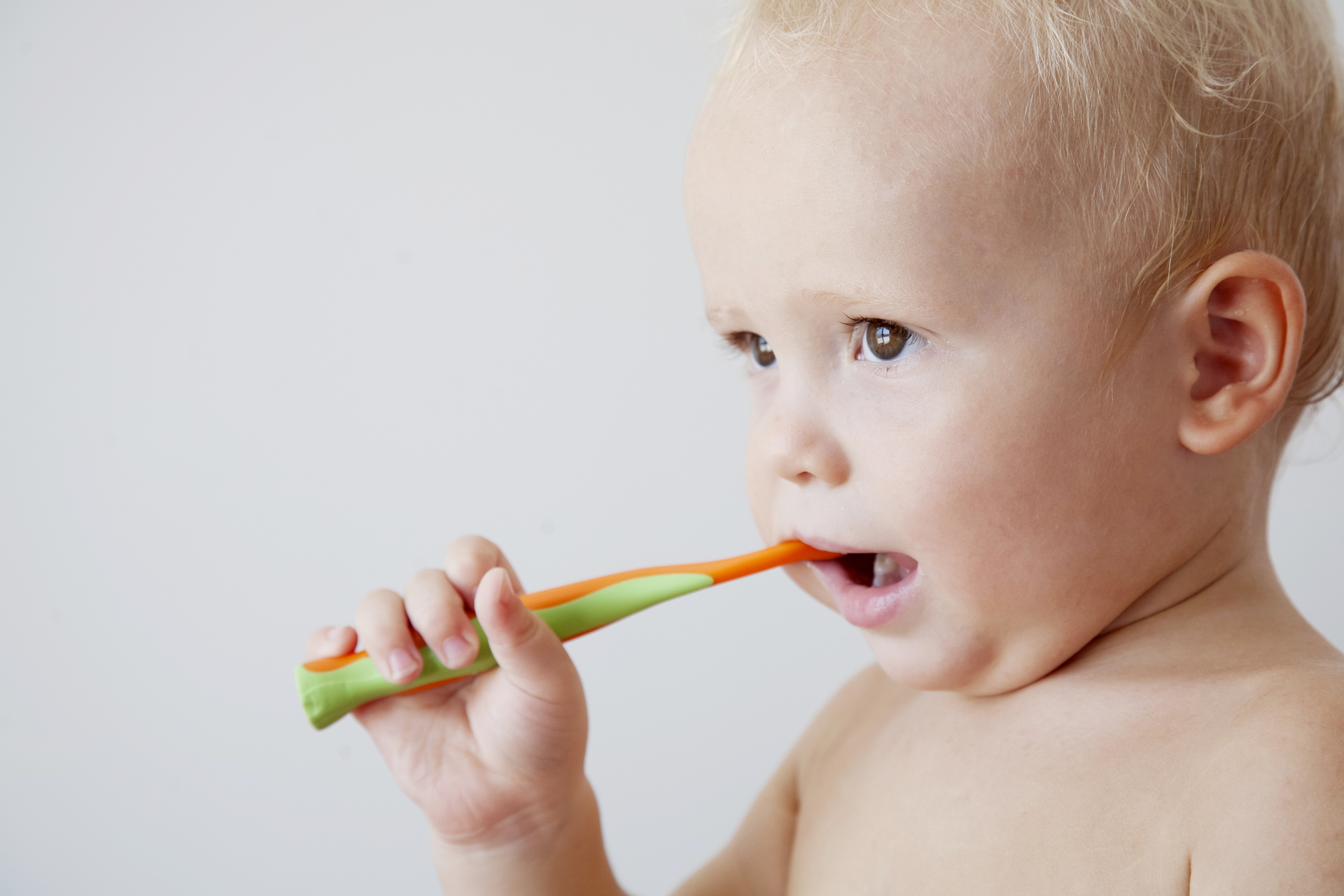
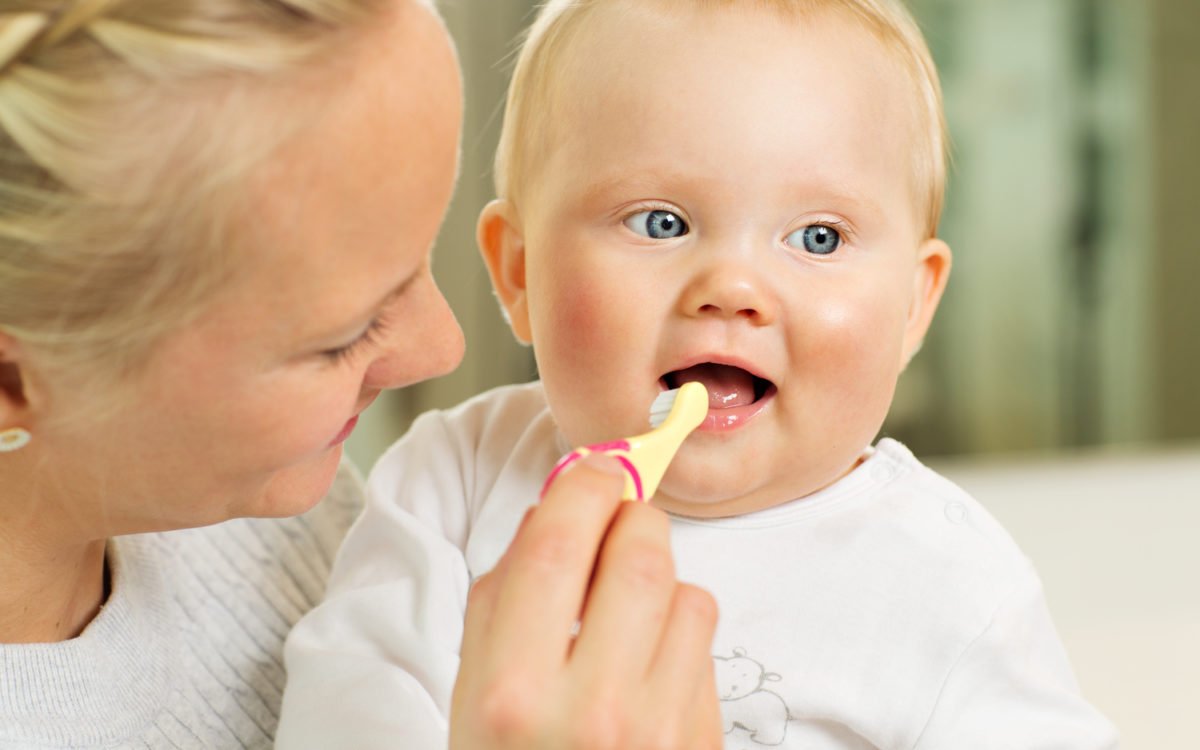
Choose an infant toothbrush with a small head, soft bristles, and a wide handle. A toothbrush made for babies is safer and easier to control than an adult brush.
Follow these steps:
- Place a smear of fluoride toothpaste on the brush. The amount should be about the size of a grain of rice.
- Hold your baby securely. You can place the baby on your lap with the head against your chest.
- Lift the lip gently to see the teeth and gumline.
- Brush the front, back, and chewing surfaces of each tooth.
- Use small, gentle circles. Do not scrub hard.
- Brush for about two minutes, twice each day.
- Let your baby spit if able, but do not worry if a small amount of toothpaste is swallowed.
- Rinse the toothbrush and store it upright so it can dry.
At first, your baby may chew the brush, turn away, or cry. This is common. Stay calm and keep the routine short. You can sing a simple song, use a mirror, or brush your own teeth at the same time.
Parents should do the actual brushing until the child has the hand control to clean every surface well. Many children need help until around age 6 to 8. Even when a child wants to brush alone, let them try first and then finish the job.

How Much Fluoride Toothpaste Should a Baby Use?
Use a tiny smear of fluoride toothpaste as soon as the first tooth appears. A rice-sized amount is enough for babies and children younger than 3 years.
From ages 3 to 6, use a pea-sized amount. Encourage your child to spit out the toothpaste, but avoid rinsing with a large amount of water. Rinsing can wash away the fluoride that helps strengthen enamel.
Fluoride is a mineral that helps repair early enamel damage and makes teeth more resistant to acid. When used in the correct amount, fluoride toothpaste is considered safe and effective for children.
Some parents worry about swallowing toothpaste. Babies cannot spit well, so the small amount matters. Avoid filling the brush with toothpaste or letting your child suck directly from the tube.
If your family uses well water, ask a dentist or doctor whether the water contains enough fluoride. Fluoride levels can vary, and a professional can recommend the safest plan for your child.
When do you start brushing babies teeth with fluoride toothpaste? Use it from the first tooth unless your child’s dentist gives different instructions for a specific medical reason.
Brushing Before the First Tooth
Gum cleaning is not a replacement for tooth brushing, but it is a useful early step. It keeps the mouth clean and helps your baby accept oral care.
To clean the gums:
• Wash your hands first.
• Wrap a clean, damp cloth around your finger.
• Wipe the upper and lower gums gently.
• Clean once a day, often during the bedtime routine.
• Do not use regular toothpaste before teeth appear unless a dental professional advises it.
You do not need special wipes, mouthwash, or flavored gels for a healthy baby. Plain water and a clean cloth are enough before the first tooth.
Gum cleaning may also help you notice swollen areas or a tooth that is about to appear. However, it will not prevent all teething discomfort. Teething can cause sore gums, drooling, and a strong desire to chew.
Avoid numbing gels that contain benzocaine unless a health professional specifically recommends a safe product. Never give a baby aspirin for teething pain. For medication advice, contact your pediatrician.
Baby Tooth Brushing and Feeding Habits
Brushing helps, but feeding habits matter too. Frequent exposure to sugar gives mouth bacteria more chances to produce acid.
Keep these habits in mind:
• Avoid putting a baby to bed with a bottle of milk, formula, juice, or another sweet drink.
• Do not dip pacifiers in honey, sugar, or syrup.
• Avoid juice for babies younger than 12 months unless a doctor recommends it.
• Offer water between meals when your child is ready and your pediatrician approves.
• Do not share spoons or clean a dropped pacifier with your mouth. This can pass cavity-causing bacteria to your baby.
• Begin offering a cup around the time your child is developmentally ready, often near 6 months.
• Keep sweet foods and drinks limited, especially between meals and at bedtime.
Breast milk and formula provide important nutrition. The concern is not feeding your baby. The concern is repeated, prolonged contact between teeth and sugary liquids, especially during sleep when saliva flow decreases.
If your baby nurses at night, do not feel guilty. Night feeding can be an important source of comfort and nutrition. Ask your child’s pediatric dentist for personalized advice, especially after teeth appear.
When do you start brushing babies teeth if your baby still wakes for feeds? Start when the first tooth appears and discuss nighttime feeding with the dental team.

When Should a Baby First Visit the Dentist?
Schedule your baby’s first dental visit by the first birthday or within six months of the first tooth appearing. This visit is usually short and gentle. The dentist checks tooth growth, gums, enamel, jaw development, and possible signs of decay.
The first visit also gives parents a chance to ask about:
• Fluoride toothpaste
• Teething symptoms
• Pacifier use
• Thumb sucking
• Bottle and breastfeeding routines
• Fluoride in drinking water
• Toothbrush choices
• Injury prevention
Do not wait for a problem before finding a dentist. A first visit helps create a dental home, which means your child has an ongoing place for preventive care and advice.
Some babies may need an earlier visit. Contact a dentist promptly if you notice white or brown spots, a chipped tooth, swelling, bleeding that does not stop, or signs of pain while eating.
A dental check cannot replace brushing at home. Think of it as a safety check, while daily brushing is the routine maintenance that keeps the smile strong.

Common Mistakes Parents Should Avoid
Many parents ask when do you start brushing babies teeth because they are afraid of starting too early. In reality, the most common problem is starting too late or brushing only when the baby cooperates.
Avoid these mistakes:
• Waiting until all baby teeth have appeared
• Using no fluoride toothpaste without a dental reason
• Using too much toothpaste
• Brushing only the front teeth
• Letting a baby sleep with a bottle
• Allowing a child to brush without adult help
• Using a firm toothbrush
• Sharing toothbrushes
• Replacing brushing with water or a wet cloth after teeth appear
• Skipping brushing during travel or busy evenings
A common real-life lesson in parent education is that consistency matters more than perfection. One difficult night will not ruin your baby’s teeth. The goal is to return to the routine at the next brushing time.
If your baby bites the toothbrush, try a second brush. Let your child hold one while you use the other. Replace the brush every three months, or sooner if the bristles look worn or after an illness.
Tips for Making Brushing Easier
Some babies accept brushing right away. Others treat the toothbrush like a tiny enemy. A calm, predictable approach usually works better than force.
Try these ideas:
- Brush at the same times every day.
- Use a short song that lasts about two minutes.
- Brush in front of a mirror.
- Give your baby two toothbrushes and let them choose.
- Let your child watch you brush.
- Use a calm voice and gentle movements.
- Try brushing while your baby lies on your lap.
- Praise cooperation instead of demanding perfect stillness.
- Keep the brush away from the back of the throat.
- Offer comfort after brushing, such as a cuddle or story.
You may need to change your method as your baby grows. A position that works at 8 months may not work at 18 months. Stay flexible, but keep the twice-daily goal.
If brushing becomes a daily struggle, ask a pediatric dentist to watch your technique. Small changes in position, timing, or brush size can make a big difference.
Signs Your Baby May Need Dental Care
Early tooth decay is not always painful. Parents may first notice a change in color or texture.
Call a dentist if you see:
• White, chalky lines near the gumline
• Yellow, brown, or black spots
• A visible hole in a tooth
• Swollen gums or facial swelling
• Bleeding that continues after gentle contact
• Trouble chewing or feeding
• Crying when the mouth is touched
• A tooth that becomes loose after an injury
• Fever or unusual irritability with mouth swelling
A fever is not usually caused by normal teething alone. If your baby has a high fever, appears very ill, or has facial swelling, contact a pediatrician or seek urgent care.
Do not apply aspirin, alcohol, or unapproved pain products to the gums. Ask a pediatrician about safe options and correct dosing if your baby seems uncomfortable.
Frequently Asked Questions About When Do You Start Brushing Babies Teeth
When do you start brushing babies teeth?
Start brushing when the first tooth appears, often around 6 months. Brush twice daily with a soft infant toothbrush and a rice-sized smear of fluoride toothpaste.
Should I brush my baby’s gums before teeth come in?
Yes. Wipe the gums once a day with a clean, damp cloth or soft infant gum brush. This keeps the mouth fresh and helps your baby learn to accept oral care.
Is fluoride toothpaste safe for babies?
Yes, a tiny rice-sized smear of fluoride toothpaste is recommended from the first tooth for most babies. Use only the recommended amount and ask a dentist if your child has special health needs.
When should my baby first see a dentist?
Your baby should see a dentist by the first birthday or within six months after the first tooth appears. Earlier care may be needed if you notice spots, swelling, pain, or an injury.
What if my baby swallows the toothpaste?
A baby may swallow a small amount, which is expected. Use only a rice-sized smear, keep the tube out of reach, and ask a dentist for advice if your child repeatedly eats large amounts.
Should I brush my baby’s teeth after nighttime feeding?
Ideally, brush after the last feeding before sleep. If your baby feeds again overnight, avoid adding sugar and discuss the feeding pattern with a pediatric dentist.
How long should I brush my baby’s teeth?
Aim for about two minutes twice a day. With a young baby, cleaning every tooth and the gumline matters more than reaching the full two-minute time at first.
Conclusion
The answer to when do you start brushing babies teeth is simple: begin when the first tooth appears. Before then, clean the gums with a damp cloth. Once teeth arrive, brush twice a day with a soft brush and a rice-sized smear of fluoride toothpaste.
Keep sugary drinks away from bedtime, help your child brush, and schedule the first dental visit by age 1. Start tonight with one gentle minute, then build the habit over time. For more guidance, speak with your child’s pediatric dentist and share your own brushing tips in the comments.