
Having a baby does not usually make you more fertile, but ovulation can return before your first period.
The answer to “are you more fertile after having a baby” depends on how soon ovulation returns, whether you breastfeed, your age, and your usual reproductive health. Many people can become pregnant again sooner than expected, so understanding postpartum fertility can help you plan with confidence.
Are you more fertile after having a baby?
No. Current medical evidence does not show that having a baby creates a general, lasting boost in fertility. Your body may ovulate again quickly after birth, but that is different from being more fertile than before pregnancy.
The main reason this question comes up is timing. Ovulation happens before a period. This means you may release an egg before you see your first postpartum period and become pregnant without warning.
After birth, hormone levels change quickly. Pregnancy hormones fall, and the ovaries may slowly begin their usual cycle. For some people, this takes a few weeks. For others, especially those who breastfeed, ovulation may take many months to return.
So, are you more fertile after having a baby? Usually, no. You may simply have an earlier return of ovulation than you expected.
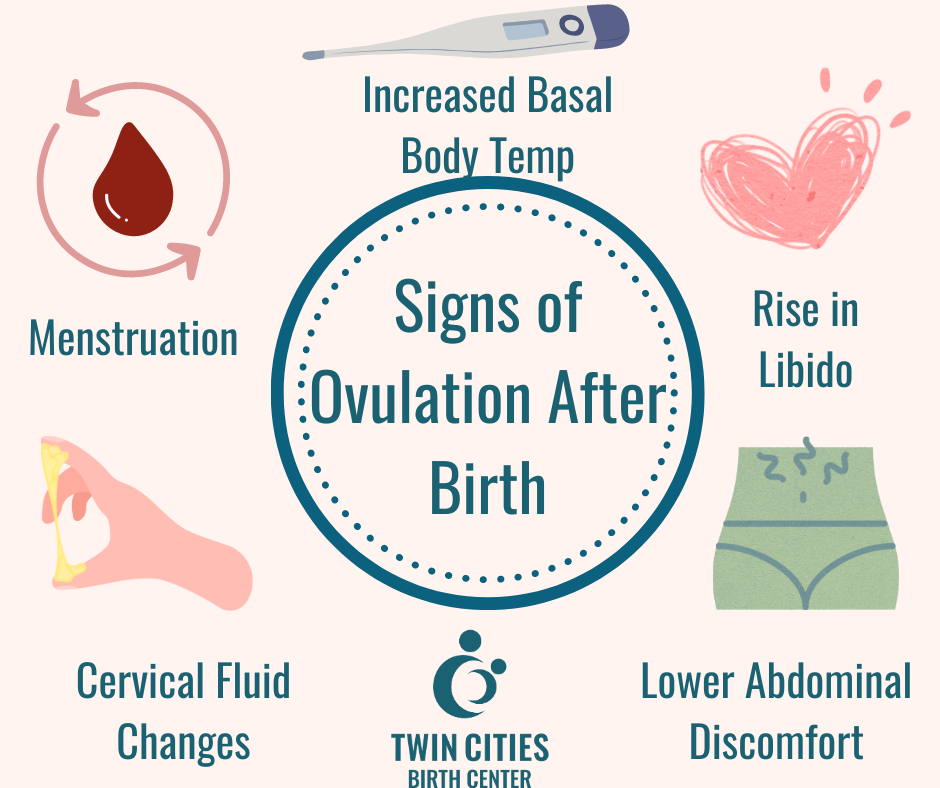
How soon can fertility return after childbirth?
There is no single timeline for postpartum fertility. It can vary after a vaginal birth, cesarean birth, miscarriage, or stillbirth.
Some people ovulate as early as three weeks after giving birth. The Centers for Disease Control and Prevention notes that pregnancy can happen this soon, even before the first period.
Your fertility may return sooner if you:
• Do not breastfeed
• Breastfeed only sometimes
• Use formula or pump less often
• Have longer gaps between feeds
• Have already had irregular cycles
• Are no longer producing high levels of prolactin
Prolactin is a hormone that supports milk production. It can also reduce the signals that trigger ovulation. Still, its effect is not the same for everyone.
If you are asking, are you more fertile after having a baby, the practical answer is this: you may be fertile earlier, but not necessarily more fertile.
The first postpartum period may not be predictable
Your first period after birth may be heavier, lighter, longer, or more painful than before pregnancy. Some people have spotting or irregular cycles for several months.
Because cycle tracking may be less reliable during this stage, do not assume that irregular bleeding means you cannot get pregnant. Ovulation can occur during a cycle that looks unusual.
Does breastfeeding delay ovulation?
Breastfeeding can delay ovulation, but it does not always prevent pregnancy. The effect is strongest when breastfeeding is frequent and exclusive.
The lactational amenorrhea method, or LAM, may work as temporary birth control when all three conditions are met:
• Your baby is younger than 6 months
• Your period has not returned
• You breastfeed fully or nearly fully, with short gaps between feeds
LAM becomes less reliable if your baby sleeps for long periods, receives regular formula, uses many bottles, or begins solid foods. Pumping may also affect the pattern that keeps ovulation suppressed.
Even when LAM is used correctly, it is temporary. Once any condition changes, use another form of contraception if you want to avoid pregnancy.
This helps answer are you more fertile after having a baby in a useful way: breastfeeding may delay fertility, but it does not create a dependable “safe period.”
Why pregnancy can happen before your first period
A period comes after ovulation if pregnancy does not occur. Therefore, the first sign that your fertility has returned may be ovulation, not bleeding.
Think of your menstrual cycle like a train route. The period is a later stop. Ovulation is an earlier stop. You can pass the ovulation stop before you ever notice the period stop.
This is why someone may become pregnant while still recovering from birth and while waiting for a normal cycle. The risk is higher when couples have unprotected sex soon after delivery.
Signs of ovulation can include:
• Clear, slippery cervical mucus
• A mild rise in basal body temperature
• Increased sexual desire
• One-sided pelvic discomfort
• Changes in cervical position
These signs are not always easy to read after childbirth. Sleep loss, breastfeeding, stress, hormonal changes, and postpartum bleeding can make fertility tracking confusing.
If you are wondering, are you more fertile after having a baby, remember that an early ovulation may feel like a sudden return of fertility. It does not prove that your fertility is higher than before.
Can you get pregnant while breastfeeding?
Yes, you can get pregnant while breastfeeding. Breastfeeding lowers the chance of ovulation for many people, but it does not remove the chance completely.
Pregnancy risk rises when:
• Your baby sleeps through the night
• You skip or shorten nursing sessions
• You supplement with formula
• You pump instead of nursing at the breast
• Your period returns
• Your baby starts eating solid foods
• More than six months have passed since birth
Breastfeeding can also continue during a new pregnancy for many healthy people. However, milk supply may drop, and the taste of milk may change. Ask your health care professional for individual advice, especially if you have a history of preterm birth, miscarriage, anemia, or other complications.
Does having a baby improve fertility problems?
Having a baby does not cure infertility. Some people become pregnant more easily after a first child, but this may happen because the original difficulty was temporary or unexplained.
For example, a couple may have needed more time to conceive because of stress, timing, mild ovulation changes, or chance. After birth, their circumstances may be different. That does not mean pregnancy changed the ovaries or created a permanent fertility increase.
Secondary infertility means difficulty conceiving after having one or more children. It can affect anyone, even if a previous pregnancy happened quickly.
• Age-related changes in egg supply or egg quality
• Changes in ovulation
• Blocked or damaged fallopian tubes
• Endometriosis
• Fibroids
• Changes in sperm count or movement
• Thyroid or other hormone conditions
• Complications from a previous pregnancy or surgery
If you are under 35 and have tried for 12 months without pregnancy, consider a fertility evaluation. If you are 35 or older, seek help after 6 months. Ask sooner if your periods are absent, very irregular, painful, or unusually heavy.
So, are you more fertile after having a baby? A later pregnancy may happen quickly, but that does not mean a fertility problem has been permanently solved.

How long should you wait before trying again?
The best timing depends on your health, age, pregnancy history, support system, and personal goals. Medical guidance often encourages avoiding very short intervals between birth and the next pregnancy.
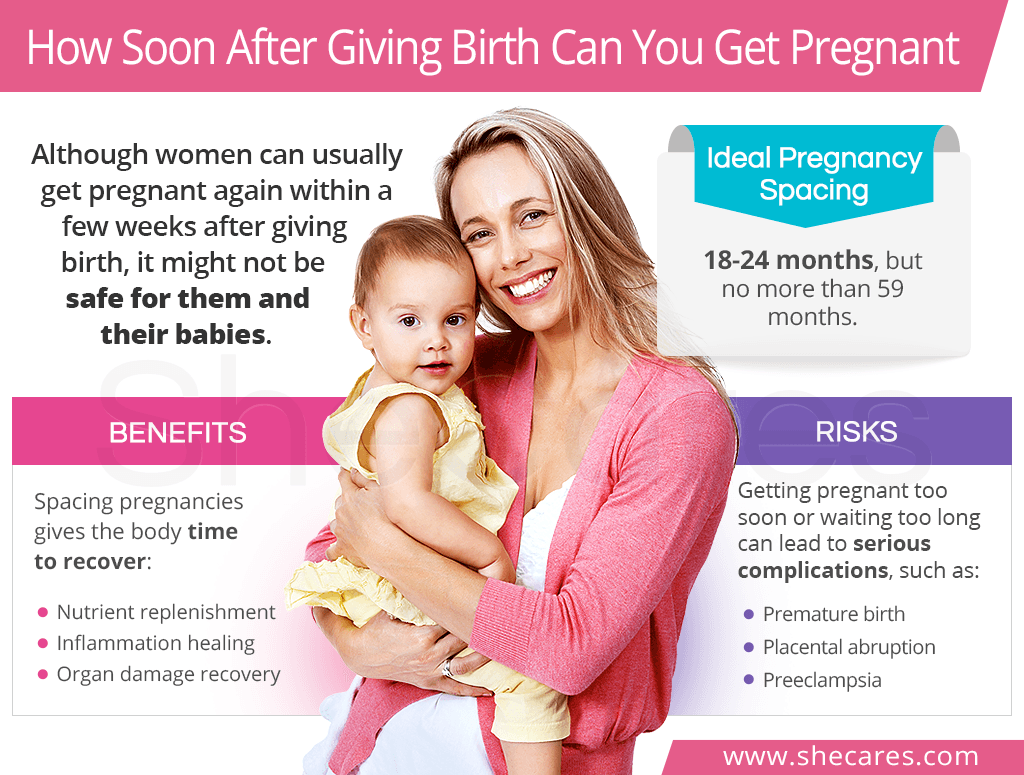
The American College of Obstetricians and Gynecologists advises people to avoid intervals shorter than 6 months and to discuss the benefits and risks of becoming pregnant again sooner than 18 months.
A short interval may raise the chance of:
• Preterm birth
• Low birth weight
• Placental problems
• Maternal anemia
• Nutritional depletion
• Emotional and physical strain
These risks do not mean that every closely spaced pregnancy will have a problem. They mean that timing deserves a personal discussion with an obstetrician or midwife.
Before trying again, consider:
- Allowing your body time to heal
- Treating anemia or other health issues
- Reviewing medications with a clinician
- Taking a prenatal vitamin with folic acid
- Planning child care and practical support
- Checking emotional readiness
- Discussing birth control until you are ready
Your ideal timing may not match another family’s timing. The goal is a healthy, informed choice rather than a perfect number of months.
Birth control after having a baby
If you do not want another pregnancy right away, discuss contraception before or soon after delivery. You may be fertile before your first postpartum visit.
Options may include:
• Condoms
• Progestin-only pills
• Combined hormonal pills, patches, or rings
• Birth control injections
• Implants
• Hormonal intrauterine devices
• Copper intrauterine devices
• Diaphragms
• Permanent contraception
Some methods can be used immediately after birth, while others may need to wait. Estrogen-containing contraception may not be suitable in the early postpartum period because blood clot risk is higher, especially after a cesarean birth or with other risk factors.
A health care professional can match contraception to breastfeeding, migraine history, blood pressure, clot risk, and future pregnancy plans.
One common mistake is waiting for a period before starting birth control. If you are asking, are you more fertile after having a baby, remember that fertility may return before that first period.
When to seek medical advice
Contact a health care professional urgently for heavy bleeding, severe pelvic pain, fever, chest pain, trouble breathing, a severe headache, vision changes, or thoughts of harming yourself or your baby. These symptoms are not normal signs of routine fertility returning.
Make a regular appointment if:
• Your period has not returned long after you stop breastfeeding
• Your cycles remain very irregular
• Sex is painful
• You have symptoms of thyroid disease
• You are worried about pregnancy
• You want to choose postpartum birth control
• You want to plan another pregnancy
Take a home pregnancy test if you have had unprotected sex and notice nausea, breast changes, unusual fatigue, or new bleeding. A negative test taken too early may miss a pregnancy, so repeat it after several days if your period does not come.
Common mistakes to avoid
Postpartum fertility can be hard to predict. These mistakes are especially common:
• Assuming breastfeeding always prevents pregnancy
• Waiting for the first period to use contraception
• Treating postpartum spotting as a true period
• Relying only on a fertility app
• Forgetting that pumping and formula feeding can change ovulation timing
• Trying again without treating anemia or other health problems
• Comparing your fertility timeline with a friend’s
A simple plan can help. Decide whether you want to avoid pregnancy, try soon, or remain unsure. Then ask your clinician about contraception, nutrition, recovery, and safe timing.
Real-life fertility planning after birth
Many new parents expect their cycle to return on a familiar schedule. In real life, sleep loss and breastfeeding can make the body feel less like a calendar and more like changing weather.
A common example is a parent who breastfeeds during the day but gives one bottle at night. They may still have no period, yet ovulation can return as feeding patterns change. If they rely only on missed periods as protection, an unplanned pregnancy may occur.
The most useful lesson is to plan for fertility before it becomes obvious. Ask about contraception during pregnancy, at the hospital, or during the postpartum visit. If you hope to conceive again, ask about folic acid, health conditions, medications, and pregnancy spacing.
Healthcare advice should be personal, not based only on online stories. One person may ovulate six weeks after birth, while another may not ovulate until months after weaning. Both patterns can be normal.

Frequently Asked Questions About Are You More Fertile After Having a Baby
Are you more fertile after having a baby?
Usually, no. Having a baby does not generally increase fertility, but ovulation can return sooner than expected, sometimes before the first postpartum period.
How soon can you get pregnant after having a baby?
Pregnancy can occur as early as about three weeks after childbirth if ovulation returns. This can happen before your first period, so contraception may be needed soon after delivery.
Does breastfeeding prevent pregnancy?
Breastfeeding can delay ovulation, but it does not always prevent pregnancy. It is most reliable as birth control only when the three conditions of the lactational amenorrhea method are met.
Can you ovulate without having a period after birth?
Yes. Ovulation happens before a period, so you can release an egg and become pregnant before your first postpartum menstrual bleed.
Does a cesarean birth change fertility?
A cesarean birth does not usually make you more fertile or less fertile by itself. Recovery, complications, scar tissue, breastfeeding, and overall health may affect when it is safe and comfortable to try again.
When should you see a fertility specialist after having a baby?
If you are under 35, seek an evaluation after 12 months of trying without pregnancy. If you are 35 or older, seek help after 6 months, or sooner for absent periods, severe pain, or known fertility concerns.
Is it safe to get pregnant soon after giving birth?
A short pregnancy interval may increase some health risks, including preterm birth and anemia. Discuss your health and ideal timing with an obstetrician or midwife before trying again.
Conclusion
Are you more fertile after having a baby? In most cases, no. However, fertility can return before your first period, and breastfeeding is not a guarantee against pregnancy.
Track your recovery, use contraception if needed, and speak with a health care professional before planning another pregnancy. If this guide helped, explore trusted postpartum health resources or share your questions with your care team.