
Most babies have working lungs by 37 weeks, but lung growth and air-sac development continue through childhood.
When are babies’ lungs fully developed? The answer depends on what “fully developed” means. A baby may have enough surfactant to breathe well at birth, yet the lungs keep growing, forming new air sacs, and improving their defenses for years. This guide explains fetal lung development, premature birth, newborn breathing, and the signs that need medical care.
What does “fully developed lungs” mean?
People often use “fully developed” to mean that a baby can breathe safely without extra help. Doctors may use the term in a wider way. They may be talking about surfactant levels, airway structure, the number of alveoli, or how well the lungs exchange oxygen.
These are related, but they do not happen at the same time. A newborn’s lungs can work well while they are still maturing.
Surfactant is a slippery substance made by special lung cells. It keeps the tiny air sacs, called alveoli, from collapsing after each breath. Without enough surfactant, breathing takes much more effort.
The lungs also continue to:
• Form more alveoli, which are tiny air sacs where oxygen enters the blood
• Develop blood vessels around the alveoli
• Strengthen the airways and lung tissue
• Improve the body’s ability to fight germs and clear mucus
• Adjust breathing control after birth
A useful way to picture this is to think of the lungs as a new tree. The main branches are present before birth, but many smaller branches and leaves continue to grow after the baby arrives.

When are babies’ lungs fully developed before birth?
When are babies’ lungs fully developed before birth? Most full-term babies have mature enough lungs to breathe outside the womb by about 37 weeks of pregnancy. However, lung maturity varies from baby to baby.
Pregnancy is usually divided into three stages:
Early pregnancy
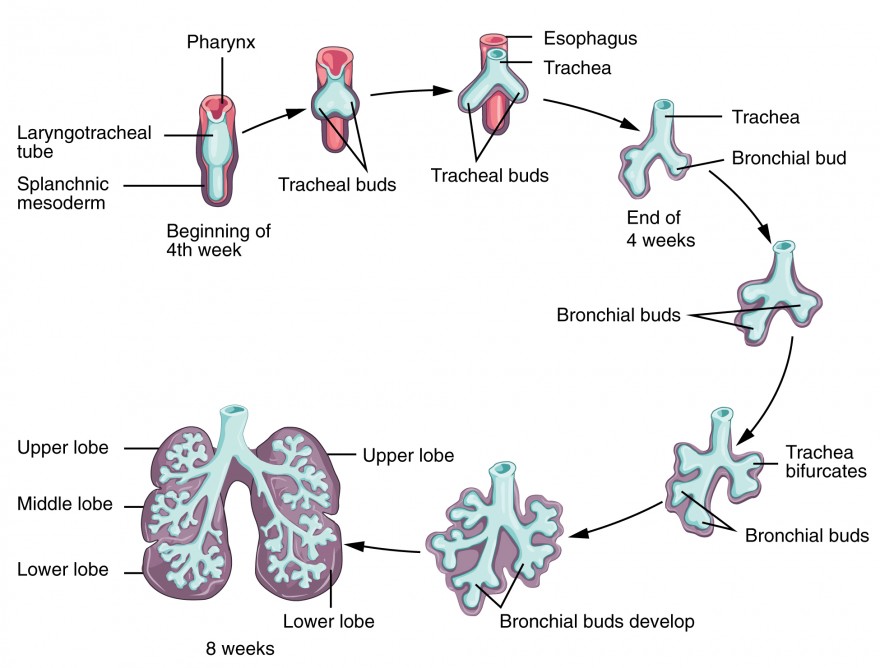
During the first trimester, the basic lung bud forms. The airways begin to branch, much like the limbs of a small tree.
At this stage, the lungs are not ready for air breathing. Their main job is to grow and prepare for later development.
Middle pregnancy
During the second trimester, the airways become more complex. Blood vessels grow close to the future air sacs, which helps prepare the lungs for oxygen exchange.
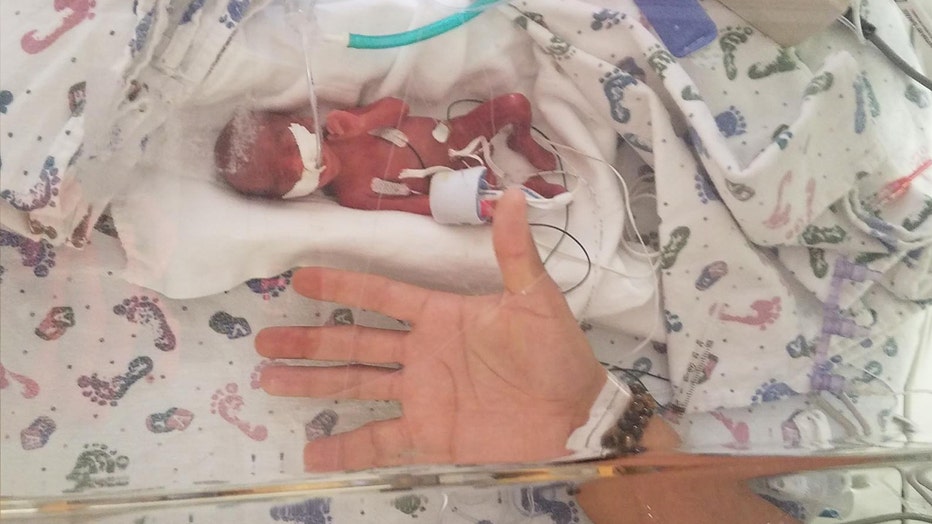
Around 24 weeks, some babies may survive with intensive neonatal care. Survival at this stage is uncertain, and serious health problems remain possible. This is one reason doctors treat birth before 28 weeks as extremely premature.
Late pregnancy
During the third trimester, the lungs produce increasing amounts of surfactant. The alveoli also become better suited for gas exchange.
By 34 to 36 weeks, lung function is often much better than it was earlier in pregnancy. Still, babies born during this period may have temporary breathing problems.
By 37 weeks, most babies have lungs mature enough for regular breathing. This does not mean the lungs have stopped growing.
How lung development changes by week
The answer to when are babies lungs fully developed is clearer when doctors consider gestational age. Gestational age counts pregnancy from the first day of the last menstrual period.
Before 24 weeks
The lungs are still in an early stage. The airways and blood vessels are developing, but the lungs have very limited ability to exchange oxygen.
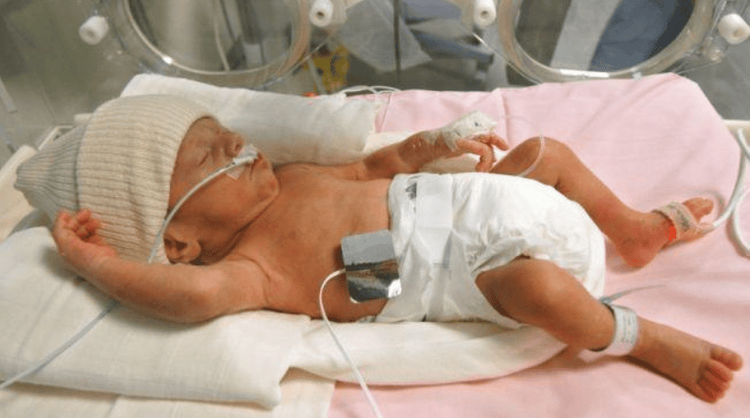
Babies born this early need care in a neonatal intensive care unit, often called a NICU. They may need breathing support, oxygen, surfactant treatment, and careful monitoring.
From 24 to 27 weeks
The lungs may begin to make small amounts of surfactant. The amount is often not enough for easy breathing after birth.
Many babies born in this period need a ventilator or a gentler form of breathing support. Their care depends on birth weight, infection risk, other health problems, and the resources of the hospital.
From 28 to 31 weeks
Lung function continues to improve. Surfactant production increases, but the lungs may still be immature.
A baby born during this period may breathe with continuous positive airway pressure, known as CPAP. Some babies need a breathing tube and a ventilator for a time.
From 32 to 36 weeks
The lungs are much more prepared, but late preterm babies can still have breathing trouble. They may breathe fast, pause during sleep, or need oxygen.
Even a baby born at 35 or 36 weeks can have more feeding, temperature, blood sugar, and breathing problems than a baby born at 39 or 40 weeks.
At 37 to 40 weeks
Most babies born at term can breathe without major lung support. Their lungs usually have enough surfactant for the transition from fluid-filled lungs in the womb to air-filled lungs after birth.
Still, “term” does not mean every baby has the same lung maturity. Medical conditions, infection, diabetes during pregnancy, and planned early delivery can affect breathing.

Why are 37 weeks often considered a key point?
Around 37 weeks, many babies have enough surfactant to keep their alveoli open. This reduces the risk of respiratory distress syndrome, a condition linked to low surfactant levels.
However, the risk does not disappear at exactly 37 weeks. Babies born at 37 or 38 weeks have a higher chance of breathing problems than babies born at 39 or 40 weeks. This is why doctors avoid nonessential early delivery when possible.
A planned cesarean birth before labor may also raise the chance of temporary breathing trouble. During labor, chemical and hormonal changes help clear fluid from a baby’s lungs. A cesarean birth before labor may provide less time for this process.
Doctors balance these risks against the reason for delivery. For example, early birth may be safer when the pregnant person has severe high blood pressure, heavy bleeding, infection, or problems with the placenta.
When are babies lungs fully developed in this setting? A doctor cannot answer with gestational age alone. The full medical picture matters.
When do babies’ lungs finish developing after birth?
The lungs continue to mature after birth. New alveoli form rapidly during infancy and early childhood.
Many medical references state that alveolar development continues through about 8 years of age. Some research suggests that new air sacs and lung growth may continue beyond that point, possibly into adolescence. The exact age is not the same for every child.
This later development does not mean young children cannot breathe normally. It means their lungs are still increasing in size and capacity.
Premature birth can affect this process. Some premature babies develop bronchopulmonary dysplasia, or BPD. BPD is a chronic lung condition linked to immature lungs, oxygen treatment, and mechanical ventilation.
Many children with mild BPD improve as their lungs grow. Others may have wheezing, repeated chest infections, or a higher risk of asthma-like symptoms. Follow-up with a pediatrician or pediatric lung specialist can help.

What happens to a baby’s lungs at birth?
Before birth, a baby’s lungs contain fluid. The placenta supplies oxygen and removes carbon dioxide through the umbilical cord.
At birth, several changes happen quickly:
- The baby takes the first breaths.
- Air enters the lungs and pushes out much of the fluid.
- Blood flow to the lungs rises.
- The heart changes how it moves blood.
- Oxygen begins moving from the lungs into the bloodstream.
Surfactant helps keep the alveoli open during this major transition. Without enough surfactant, the air sacs may collapse, making each breath difficult.
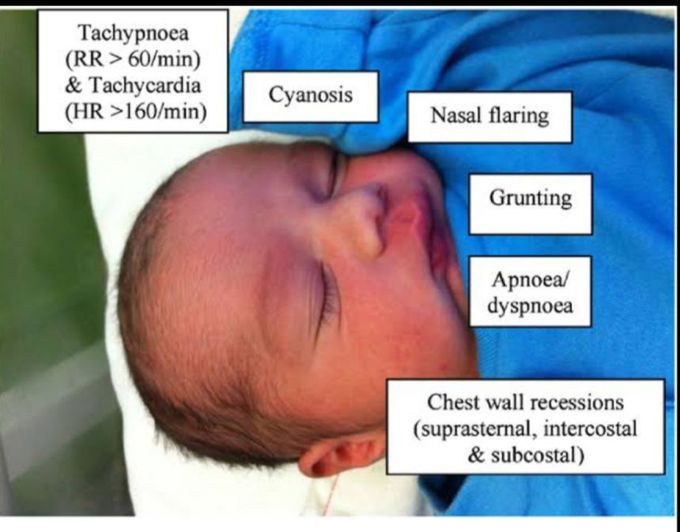
Some newborns breathe fast for a short time because fluid clears more slowly. This condition is called transient tachypnea of the newborn. It often improves within one to three days, but medical staff must check the baby to rule out more serious causes.
What makes lung development slower or more difficult?
Several factors can affect how well a baby’s lungs work at birth. Gestational age is important, but it is not the only factor.
Premature birth
The earlier a baby is born, the greater the chance of low surfactant levels and weak breathing muscles. Premature babies also have smaller airways and less reserve.
Maternal diabetes
Diabetes during pregnancy can delay surfactant production in some babies. Good prenatal care and blood sugar control can lower related risks.
Infection or inflammation
An infection before or around birth can affect the lungs. It may also cause breathing problems that are not caused by prematurity alone.
Planned early delivery
A cesarean birth before labor may increase the chance of temporary breathing difficulty, especially before 39 weeks.
Genetic or structural conditions
Some babies have conditions that affect the lungs, heart, chest wall, or muscles used for breathing. These problems may need specialist care.
Exposure to smoke
Smoke exposure during pregnancy and after birth can harm lung growth and raise the risk of wheezing, asthma, respiratory infections, and sudden infant death. Keeping the home and car smoke-free is one of the most useful steps caregivers can take.

How do doctors assess fetal lung maturity?
Doctors do not usually test fetal lung maturity just because a parent wants to know when are babies lungs fully developed. Pregnancy age and the medical situation usually provide enough information.
If early delivery is being considered, the care team may use several tools:
• Ultrasound to assess growth, fluid, and overall well-being
• Fetal monitoring to check the heart rate
• Amniocentesis in selected cases to study substances linked with lung maturity
• Blood tests and imaging for the pregnant person when illness may affect delivery decisions
• A physical examination after birth to assess breathing effort and oxygen levels
Tests of amniotic fluid can provide useful information, but they are not perfect. They may not predict every breathing problem, and they may not be needed when delivery is medically urgent.
A healthcare team may give corticosteroids before an expected early birth. These medicines can speed fetal lung development and reduce serious breathing complications in many premature babies. They are used at specific pregnancy stages and only when the expected benefit outweighs the risks.
How are immature lungs treated after birth?
Treatment depends on the baby’s symptoms, oxygen level, gestational age, and overall condition. A baby with mild breathing trouble may need close observation only.
Possible treatments include:
• Extra oxygen through small tubes near the nose
• CPAP to keep the airways and alveoli open
• Surfactant placed into the lungs through a breathing tube
• A ventilator for babies who cannot breathe well alone
• Careful fluid and nutrition support
• Antibiotics when infection is suspected
• Caffeine for some premature babies with pauses in breathing
Surfactant replacement can be life-saving for babies with respiratory distress syndrome. It does not “finish” lung development, but it helps the existing lungs work while they mature.
Modern NICU care has improved greatly. Even so, treatment can have risks. Ventilators and high oxygen levels may injure fragile lung tissue, so neonatal teams use the lowest effective support and monitor babies closely.
What can parents do to support healthy lung development?
Parents cannot control every part of fetal lung development. They can, however, reduce avoidable risks and seek care early.
Helpful steps include:
• Attend regular prenatal visits
• Avoid smoking, vaping, marijuana, and secondhand smoke
• Ask a healthcare professional before taking medicines during pregnancy
• Manage diabetes, high blood pressure, and asthma
• Receive recommended vaccines
• Report signs of infection or early labor promptly
• Keep babies away from sick contacts when possible
• Use safe sleep practices
• Keep the baby’s home and car free from smoke and strong irritants
After birth, protect the baby from respiratory viruses with good handwashing and age-appropriate vaccines. Ask the pediatrician about special protection against respiratory syncytial virus, or RSV, when recommended.
One practical lesson is worth remembering: do not judge a baby’s breathing by appearance alone. A baby may look calm while oxygen levels are low, or may breathe fast for a harmless reason. Newborn breathing concerns deserve professional assessment.
Signs of breathing trouble in a newborn
Call a healthcare professional right away if a newborn has unusual breathing. Seek emergency help for severe symptoms.
Warning signs may include:
• Breathing faster than expected for a sustained period
• Grunting with each breath
• Skin pulling in between or below the ribs
• Widening of the nostrils
• Blue, gray, or pale lips or skin
• Long pauses in breathing
• Weak crying or poor feeding
• Extreme sleepiness or difficulty waking
• Fewer wet diapers along with poor feeding
A newborn’s normal breathing can be irregular. Brief pauses of a few seconds may occur during sleep. Long pauses, color changes, or poor responsiveness are not normal.
If you are worried, trust your instincts. It is safer to have a clinician check the baby than to wait for symptoms to become severe.
Can you tell if a baby’s lungs are fully developed by symptoms?
Symptoms alone cannot prove that a baby’s lungs are fully developed. A baby may breathe normally and still have lungs that are continuing to grow.
Doctors may check breathing rate, oxygen saturation, heart rate, blood gases, and chest imaging. These findings help identify problems, but no single test gives a complete picture of lung maturity.
This is also why a healthy-looking newborn still needs routine follow-up. Premature babies may develop problems later, even after they leave the hospital.
Frequently Asked Questions About When Are Babies Lungs Fully Developed
When are babies lungs fully developed for birth?
Most babies have lungs mature enough for independent breathing by about 37 weeks of pregnancy. Lung structure and air-sac growth continue after birth, often through early childhood.
Are a baby’s lungs fully developed at 36 weeks?
Not always. Many babies born at 36 weeks breathe well, but late preterm babies have a higher risk of respiratory distress than babies born at 39 or 40 weeks.
When do premature babies’ lungs mature?
Premature babies’ lungs mature at different rates. Surfactant treatment, antenatal corticosteroids, CPAP, and other NICU care can support breathing while the lungs continue to develop.
Do babies’ lungs keep growing after birth?
Yes. New alveoli and blood vessels continue to develop after birth. Lung growth is especially active during infancy and early childhood.
Can a pregnant person speed up fetal lung development?
There is no safe home method that guarantees faster lung development. When early birth is likely, a healthcare professional may recommend corticosteroids to improve lung function and reduce complications.
Is breathing trouble common in babies born at 37 weeks?
It can happen, although most babies born at 37 weeks breathe without major problems. The risk is higher than it is for babies born at 39 or 40 weeks, especially after a planned cesarean before labor.
When should parents seek help for newborn breathing?
Get urgent medical help for blue or gray skin, severe chest pulling, grunting, long pauses, poor feeding, or difficulty waking. Newborn breathing problems can worsen quickly, so prompt assessment matters.
Conclusion
When are babies lungs fully developed? Most babies have lungs ready for life outside the womb by about 37 weeks, but lung growth continues for years. Surfactant production, alveoli, blood vessels, and breathing control all mature at different rates.
Premature birth, infection, diabetes, smoke exposure, and early cesarean delivery can affect breathing. Prenatal care, a smoke-free environment, and quick attention to warning signs can make a meaningful difference.
If you are pregnant or caring for a newborn, discuss your baby’s individual risks with your obstetrician, midwife, pediatrician, or NICU team. For more trusted guidance, explore reputable child health resources and share your questions with a qualified healthcare professional.