
To clean a baby's ears, gently wipe only the outer ear with a warm, damp washcloth.
Learning how to clean a baby's ears is mostly about knowing what not to touch. A baby's ear canal usually cleans itself, so safe care means wiping visible skin, leaving earwax alone, and watching for signs of infection. This guide explains the safest method, common mistakes, and when your baby needs medical care.
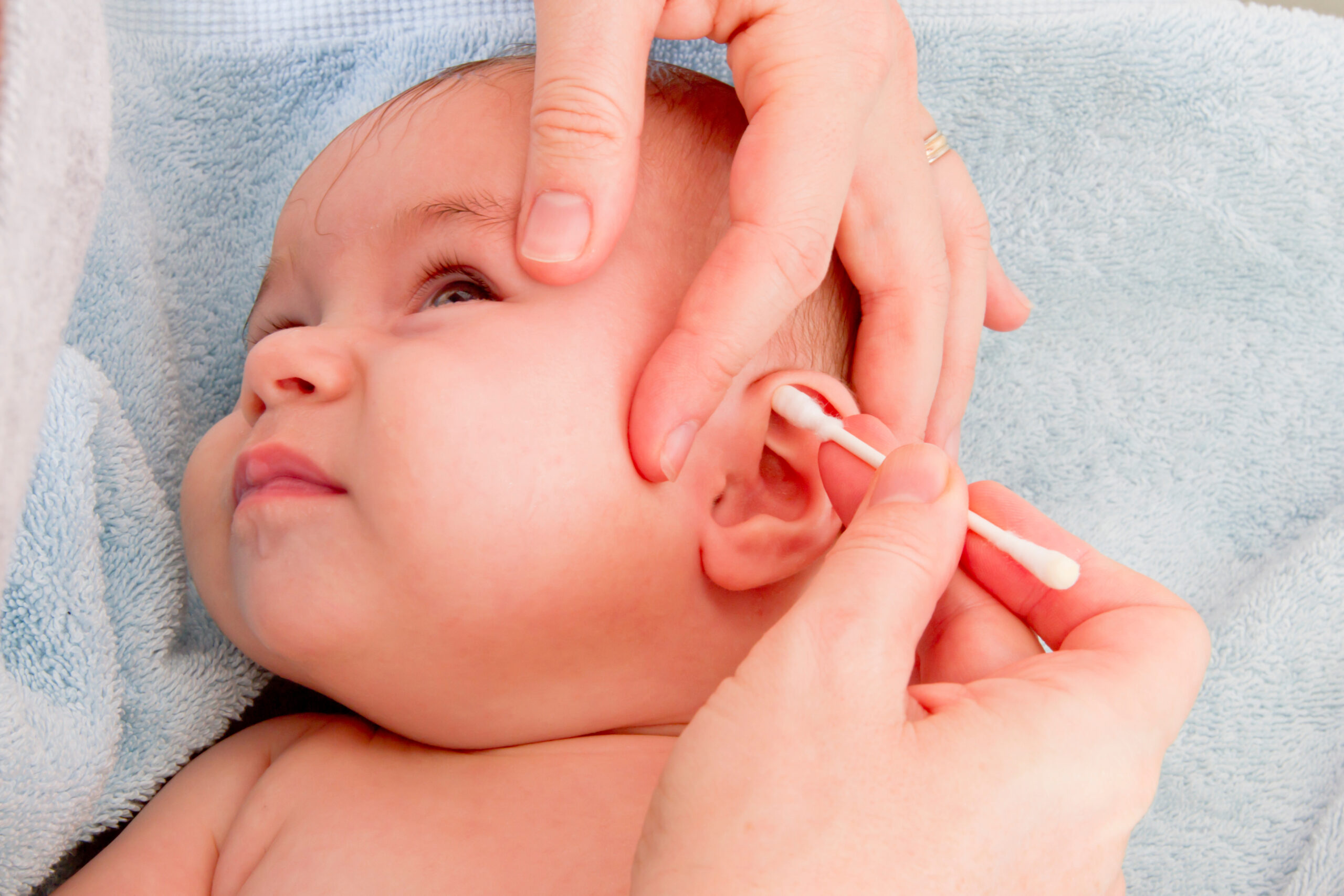
Do Babies Need Ear Cleaning?
Most babies do not need routine cleaning inside the ear canal. Earwax, also called cerumen, is normal and helpful. It traps dust, protects the delicate skin, and slowly moves toward the ear opening on its own.
When parents ask how to clean a baby's ears, they often picture removing all the wax. That is not needed. A small amount of yellow, brown, or orange wax near the opening is usually harmless.
You only need to clean the parts you can see:
• The outer ear
• The skin behind the ear
• The folds around the ear
• Wax that has reached the outside opening
Think of the ear canal as a self-cleaning tunnel. Pushing a cotton swab into it can move wax deeper, much like pushing crumbs farther into a narrow tube.
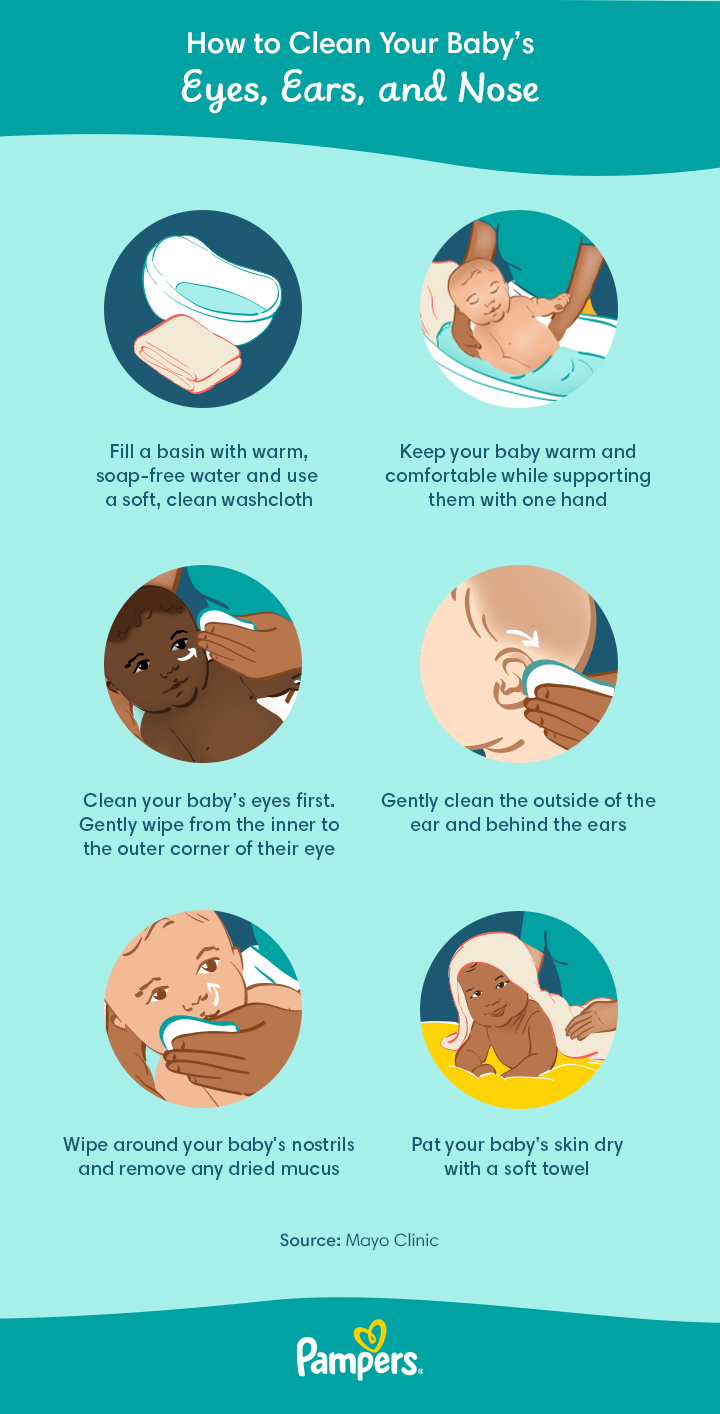
How to Clean a Baby's Ears Safely
The safest way to clean a baby's ears is gentle, simple, and limited to the outside. You do not need special ear tools or a deep-cleaning routine.
What you need
• A soft, clean washcloth
• Warm water
• A clean towel
• A safe place to hold or lay your baby
The water should feel warm, not hot. Test it on the inside of your wrist before using it.
Step-by-step method
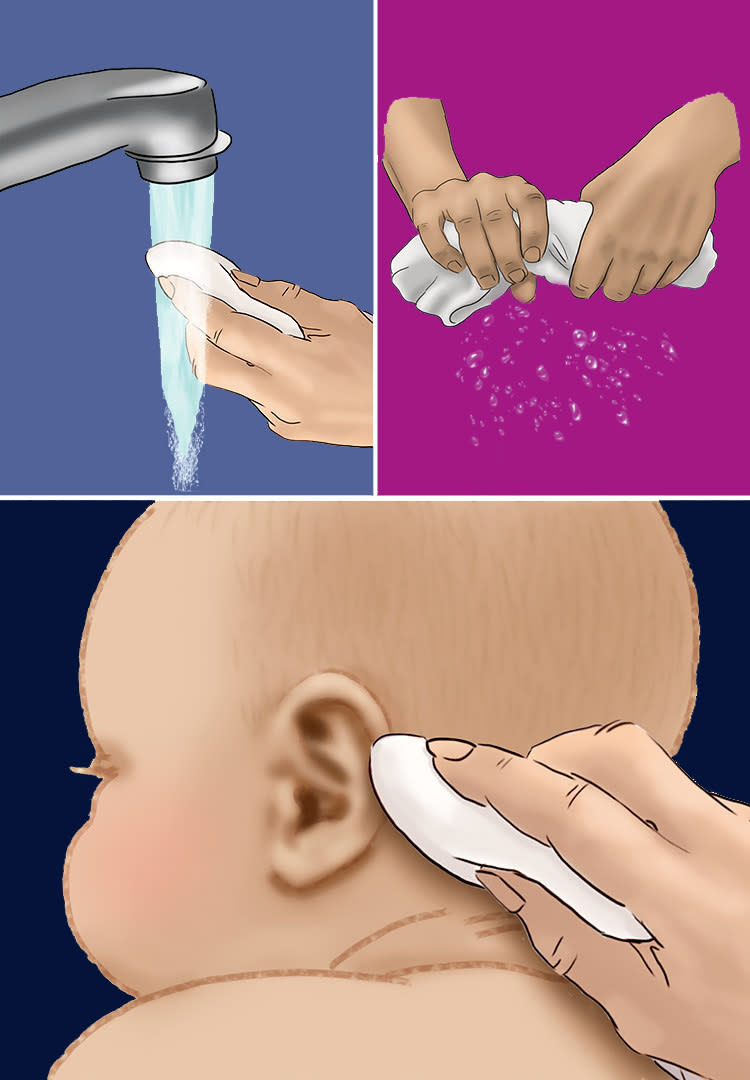
Wash your hands with soap and water.
Wet a soft washcloth with warm water.
Wring the cloth well so it is damp, not dripping.
Gently wipe the front, back, and outer folds of the ear.
Wipe only wax that you can easily see at the ear opening.
Use a clean corner of the cloth for the other ear.
Pat the ears dry with a soft towel.
Never push the cloth, your finger, or any object into the ear canal. If wax is not easy to reach, leave it alone.
Many parents find it easiest to clean a baby's ears during a bath. The baby is often calm, and the warm water can soften wax on the outer ear. Still, do not pour bath water into the ear or hold the baby's head under water.
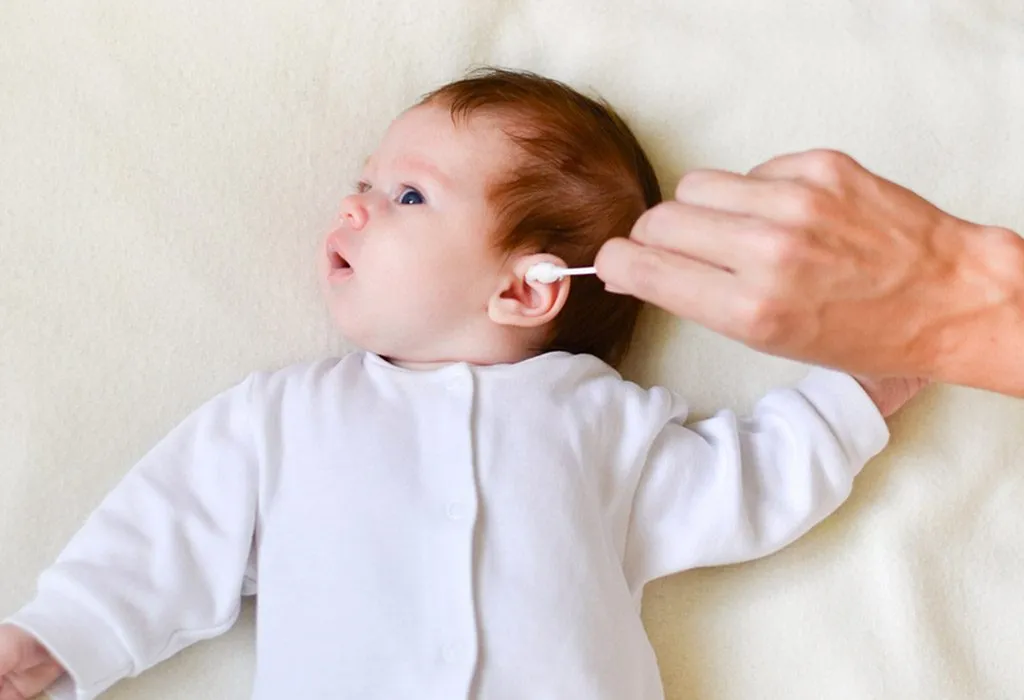
How Often Should You Clean a Baby's Ears?
For most babies, cleaning the outer ears once or twice a week is enough. You can also wipe them during normal bathing when you notice milk, spit-up, sweat, or dirt.
There is no need to clean inside the ears every day. Frequent rubbing can irritate the skin and may cause small cracks. Irritated skin can make infection more likely.
Clean the ears sooner if:
• Milk or formula dries behind the ear
• Spit-up collects in the ear folds
• Sweat or dirt is visible
• The outer ear looks soiled after a bath
A baby's ears can look slightly oily or waxy and still be healthy. Clean appearance does not require removing every trace of wax.
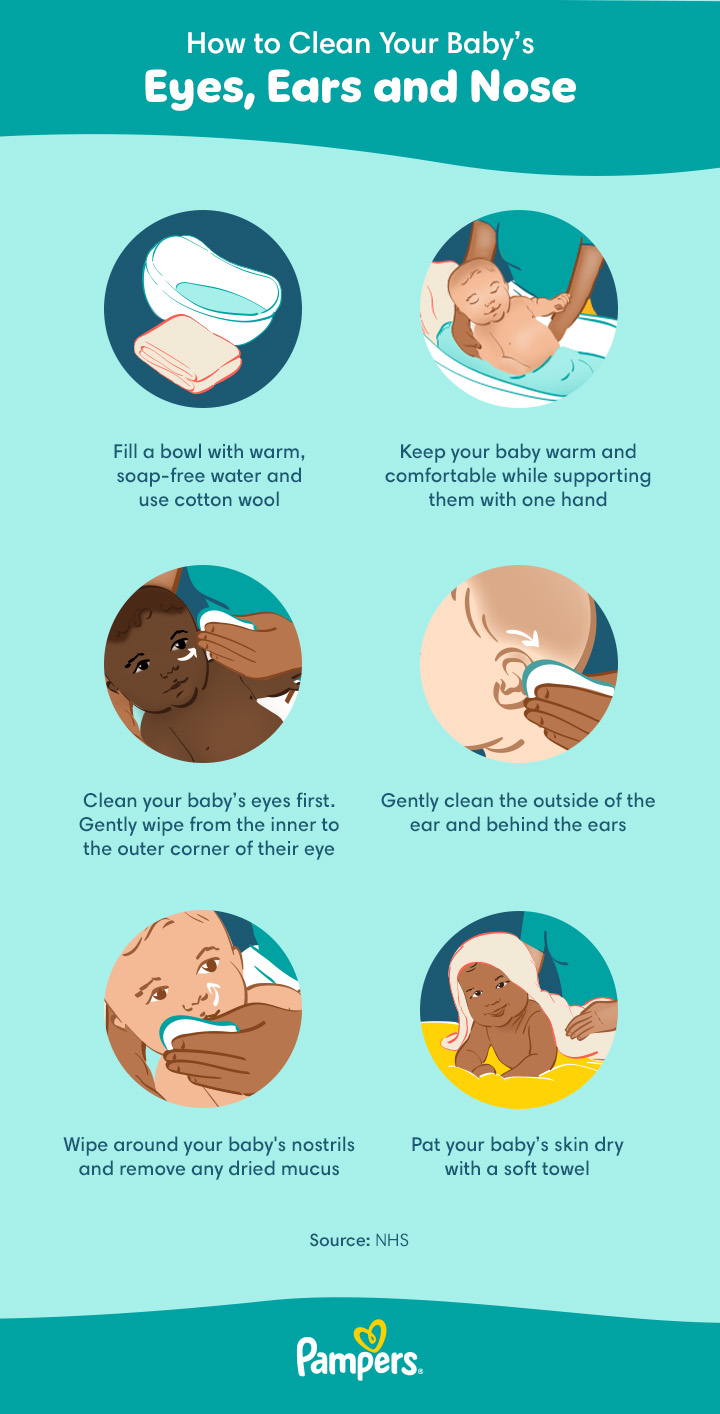
What Not to Use on a Baby's Ears
Knowing how to clean a baby's ears also means knowing which methods can cause harm. The ear canal is small, sensitive, and easy to scratch.
Do not use:
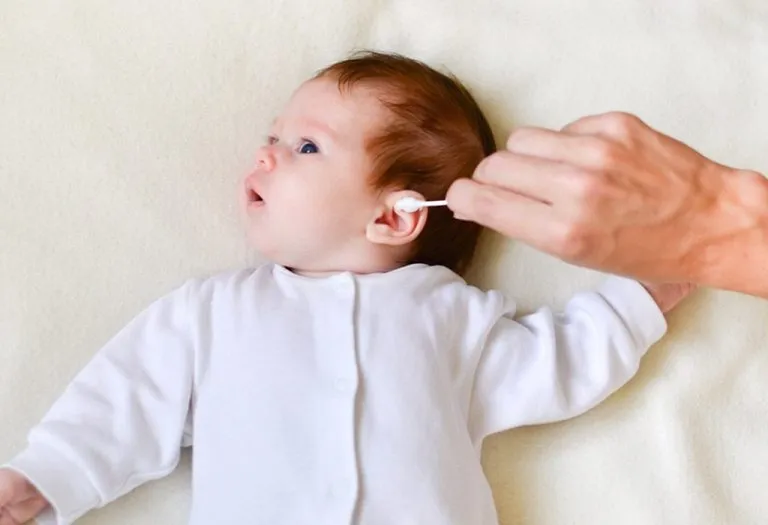
• Cotton swabs or cotton buds inside the ear
• Your fingernail or finger inside the canal
• Hairpins, clips, or other pointed items
• Ear candles
• Vacuum ear cleaners
• Hydrogen peroxide unless a clinician tells you to use it
• Adult ear drops without medical advice
• Homemade oil, garlic oil, or herbal mixtures
Cotton swabs are a common mistake. They may remove a little wax from the surface, but they often push the rest deeper. They can also scratch the canal or damage the eardrum if a baby moves suddenly.
The U.S. Food and Drug Administration warns against ear candles because they can cause burns, block the ear canal, and injure the ear. Ear-cleaning devices sold online may also look safe while creating pressure or trauma.

Can You Use Baby Oil or Ear Drops?
Do not put baby oil, mineral oil, water, or ear drops into a baby's ear unless a pediatrician or other qualified clinician recommends it.
Some adults use softening drops for earwax. Babies are different. A clinician must first check the eardrum and rule out a hole, ear tubes, infection, or another problem.
Ear drops may be unsafe when:
• Your baby has ear tubes
• Fluid or pus is draining from the ear
• The eardrum may be damaged
• Your baby has severe ear pain
• The cause of the ear blockage is unclear
If a pediatrician prescribes drops, follow the exact dose and timing. Keep the bottle clean, and do not share it with another child.
How to Clean Wax From a Baby's Ear Opening
A small amount of wax at the ear opening is usually easy to manage. Use a damp washcloth and wipe the visible area without trying to scoop deeper.
If the wax is dry, hold the warm, damp cloth against the outer ear for a few seconds. This may soften the wax so it wipes away gently. Do not scrape or pull at it.
Stop if your baby cries, turns away, or seems uncomfortable. Crying does not always mean something is wrong, but it makes sudden movement more likely. A moving baby and a cleaning tool are a risky combination.
If wax keeps building up, blocks the opening, or seems to affect hearing, ask your pediatrician for advice. A clinician can remove it with proper tools and good lighting.
Cleaning Behind a Baby's Ears
The skin behind the ear can collect milk, sweat, lint, and skin oils. This area may become red or sore if moisture stays trapped there.
To clean behind a baby's ears:
Use a warm, damp washcloth.
Gently wipe the crease behind the ear.
Rinse the cloth and wipe away any residue.
Pat the skin dry.
Apply only a product recommended for your baby's skin if the area is dry or irritated.
Do not scrub. The skin behind the ear is delicate, especially in newborns. If you see cracking, oozing, a bad smell, spreading redness, or a rash that does not improve, contact your baby's healthcare provider.
A practical lesson many new parents learn is that drying matters as much as washing. Moisture hidden in a skin fold can cause more trouble than a little visible dirt.

Signs of an Ear Infection or Other Problem
Cleaning cannot treat an ear infection. Babies may not be able to point to ear pain, so signs can be subtle.
Contact your pediatrician if your baby has:
• Fever
• New or worsening fussiness
• Trouble feeding or sleeping
• Repeated ear pulling with other symptoms
• Fluid, blood, or pus from the ear
• A strong odor from the ear
• Swelling or redness around the ear
• Reduced response to sounds
• Balance problems in an older infant
Ear pulling alone does not always mean an infection. Babies often touch their ears when they are tired, teething, or exploring their bodies. The full pattern matters.
Seek urgent medical care if your baby is very ill, has swelling behind the ear, has a stiff neck, has a serious injury, or has blood or clear fluid draining after an object entered the ear. Babies younger than 3 months with a temperature of 100.4°F (38°C) or higher need prompt medical evaluation.
Do not delay care by trying to clean deeper. When pain, fever, or drainage is present, the goal is medical assessment, not more wiping.
Ear Care for Newborns
Newborn ears need very gentle care. Their skin is thin, and the outer ear may still have traces of birth fluid, vernix, or normal skin oils.
Use a soft cloth with plain warm water. Clean the outside and behind the ears, but avoid rubbing hard or using scented soaps.
During the first weeks, check the skin folds during diaper changes or baths. Keeping the area dry can help prevent irritation. Do not insert anything into a newborn's ear, even if the opening looks small or seems to contain wax.
If a newborn has ear drainage, a rash, swelling, fever, or unusual sensitivity around the ear, contact the baby's healthcare provider. Newborn symptoms deserve extra caution because infections can progress quickly.
Common Mistakes Parents Make
Parents usually want to help. The problem is that ear cleaning advice for adults does not always apply to babies.
Common mistakes include:
• Cleaning too deeply
• Using cotton swabs after every bath
• Trying to remove normal wax
• Putting drops in without medical advice
• Scrubbing red or irritated skin
• Ignoring fluid because it looks like ordinary wax
• Using a tool while the baby is moving
• Sharing ear drops between children
One mistake I often see in family-care guidance is treating earwax like dirt. Wax is a normal part of ear health. Once parents understand that, ear care becomes safer and much less stressful.
A calm routine works best. Wipe the outside, dry the skin, and stop there.
Tips for Easier Baby Ear Care
A few small changes can make how to clean a baby's ears less stressful for both of you.
• Choose a calm time after feeding, not when your baby is hungry.
• Support your baby's head and neck while wiping.
• Keep one hand on your baby if the baby is old enough to reach for the cloth.
• Use short, gentle strokes.
• Talk softly or sing to help your baby stay calm.
• Keep cleaning supplies out of reach after use.
• Check both ears, but do not compare them too closely. Normal wax varies from side to side.
• Ask another adult to help if your baby is moving a lot.
Never force an ear-cleaning session. You can stop and try again later. A clean outer ear is not worth risking a scratch inside the canal.
When a Doctor Should Remove Earwax
A pediatrician may need to remove earwax if it blocks the ear canal or makes it hard to examine the eardrum. This may happen when a baby has hearing concerns, repeated ear infections, or symptoms that could have more than one cause.
A clinician may use a small instrument, gentle suction, or another method suited to the child's age and condition. The method depends on the amount of wax, the baby's movement, the appearance of the eardrum, and whether ear tubes are present.
Do not attempt professional-style removal at home. A baby's ear canal is narrow, and even a small movement can cause pain or injury.
Medical evaluation is especially important when you notice drainage, bleeding, fever, hearing changes, or pain. These signs cannot be safely explained by earwax alone.
How to Clean a Baby's Ears: Safety Checklist
Use this quick checklist during bath time:
• Wash your hands first.
• Use a clean, soft, damp washcloth.
• Wipe the outer ear only.
• Clean behind the ears.
• Remove only wax that is clearly visible at the opening.
• Pat the area dry.
• Avoid cotton swabs and ear tools.
• Do not use drops unless a clinician advises them.
• Watch for pain, fever, swelling, odor, or drainage.
• Call your pediatrician when symptoms are unclear or worsening.
This simple routine follows the main safety advice used in pediatric care: protect the ear canal, avoid unnecessary treatment, and seek help when symptoms suggest a medical problem.
Frequently Asked Questions About How to Clean a Baby's Ears
Can I use a cotton swab to clean my baby's ears?
No. Cotton swabs can push wax deeper, scratch the ear canal, or injure the eardrum if your baby moves suddenly. Use a damp washcloth on the outer ear instead.
How often should I clean my baby's ears?
Clean the outer ears during normal bathing or whenever you see dirt, milk, or moisture. Most babies do not need daily ear cleaning or any cleaning inside the ear canal.
Is yellow earwax normal in a baby?
Usually, yes. Yellow, light brown, or orange wax can be normal if there is no pain, bad smell, bleeding, or drainage. Ask a pediatrician if the wax blocks the opening or appears with other symptoms.
Can I put water in my baby's ear during a bath?
A little bath water touching the outer ear is usually not a concern, but do not pour water into the ear canal. Wipe the outer ear and pat it dry after the bath.
What should I do if my baby's ear is draining fluid?
Do not insert a cloth, swab, or drop into the ear canal. Contact your baby's healthcare provider, especially if the fluid is bloody, cloudy, foul-smelling, or accompanied by fever or pain.
Can ear pulling mean my baby has an ear infection?
Ear pulling alone does not prove an infection. Babies may pull their ears because of tiredness, teething, or curiosity, but ear pulling with fever, crying, poor sleep, feeding trouble, or drainage should be checked by a clinician.
Conclusion
Learning how to clean a baby's ears is simple: wipe the outer ear with a warm, damp washcloth, clean behind the ears, and leave the ear canal alone. Normal earwax protects the ear, while cotton swabs, drops, and sharp tools can cause injury.
Keep the routine gentle and brief. If your baby has fever, pain, swelling, hearing changes, bleeding, or drainage, contact a pediatrician instead of trying to clean deeper. Save this guide for bath time, explore trusted pediatric health resources, and share your questions with your child's healthcare provider.