
Yes — babies can have distressing dreams, though classic nightmares are rare in very young infants.
As a pediatric sleep coach and parent who has worked with hundreds of families, I’ll explain what researchers and clinicians understand about do babies have nightmares, how to tell the difference between bad dreams and other sleep events, and practical steps you can take to soothe your child. This guide combines evidence-based insights, clear examples, and simple strategies so you can handle nighttime scares with confidence.
Do babies have nightmares?
Babies move into REM sleep early in life, and REM is when dreaming occurs. That means the brain systems that support dreaming are active in infancy. So when parents ask do babies have nightmares, the short scientific answer is yes — but with nuance.
Newborns and young infants may experience primitive dream-like states. These are not always full, memorable nightmares like older children recall. As the baby’s memory and language develop, nightmares become more structured and reportable. Understanding how sleep develops helps explain when and why dreams become scary.
How infant sleep and brain development relate to nightmares
Sleep stages evolve quickly in the first year of life. Infants spend more time in REM sleep than adults. REM supports learning and memory. It also creates the neural conditions for dreams.
- REM sleep is prominent in infants and supports brain growth.
- Memory systems that can hold coherent nightmare content mature slowly.
- By about six months, babies show more organized sleep patterns and may have more vivid dream states.
Because memory is limited, babies can’t always form the long narratives that make an older child call something a nightmare. When people ask do babies have nightmares, they often mean: can babies be frightened in their sleep? The answer is yes, and those reactions can look scary.

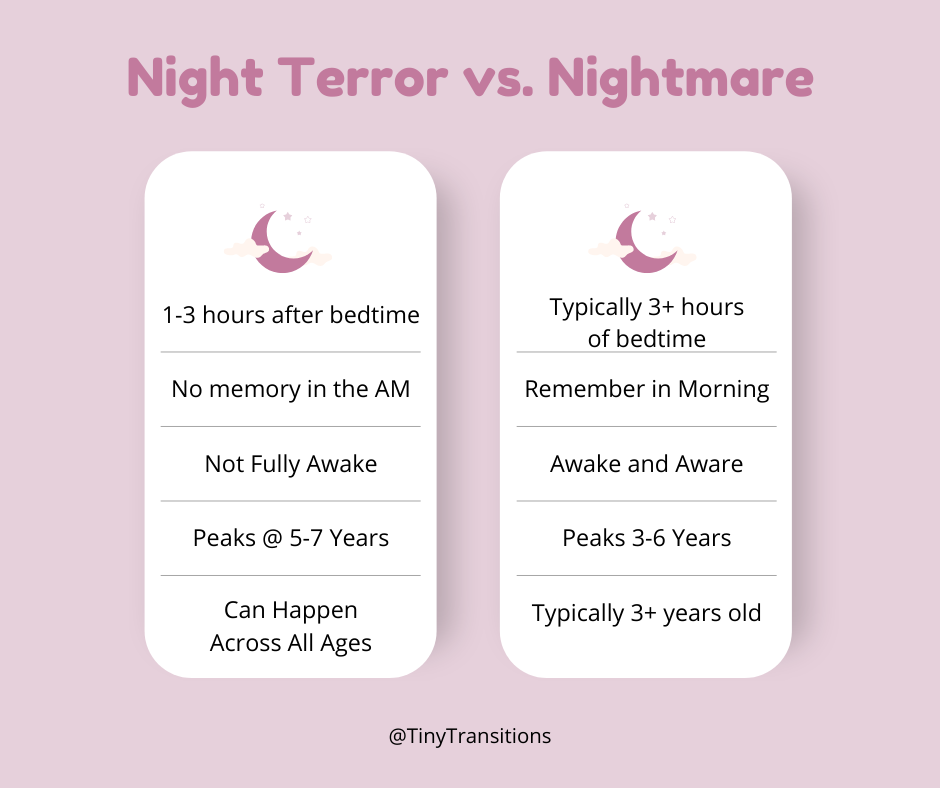
Nightmares versus night terrors: why the difference matters
Parents often confuse nightmares and night terrors. Distinguishing them matters for how you respond.
- Nightmares
- Usually occur during REM sleep.
- Child wakes fully and may remember or be easily soothed.
- Become common when memory improves, often after age 2.
- Night terrors
- Happen from deep, non-REM sleep.
- Child may scream, thrash, or appear terrified but stay largely inconsolable.
- More common in preschool years; rare in infancy.
When you search for do babies have nightmares, remember that infants more commonly show brief startle or crying episodes. Those are often normal arousals, not classic nightmares or night terrors.
Common causes and triggers of frightening sleep in babies
Several triggers can make dreams or sleep-related fear more likely. Recognizing triggers helps reduce episodes.
- Illness or fever
- Fevers change brain chemistry and sleep patterns and can trigger vivid dreaming or night waking.
- Overstimulation or stress
- A busy day with loud events can make sleep less restful.
- Sleep deprivation
- Overtired babies wake more and may have more intense REM.
- Separation anxiety
- Starts around 6–9 months and can cause frightened awakenings.
- Medications and teething
- Some medicines or pain can alter sleep architecture.
If you want to answer do babies have nightmares in practical terms, look first at these triggers. Reducing stressors often lowers nighttime distress.

How to know if your baby is having a nightmare
It can be hard to tell if a baby had a nightmare. Look for these clues.
- Sudden crying or fussing during sleep with signs of fear.
- Waking and seeking comfort from a caregiver.
- Short episodes that resolve with soothing.
- No repetitive, prolonged thrashing (which suggests other issues).
If the baby calms when picked up and comforted, that likely points to a bad dream or simple arousal. If the child is unresponsive or continues to act terrified for long periods, document the events and consult a pediatrician.

How to respond when a baby seems to have a nightmare
Your calm response helps the baby regulate. Use simple, consistent steps.
- Comfort gently
- Pick up, hold, and speak softly until the baby calms.
- Reassure with touch
- Skin-to-skin or soft stroking aids regulation.
- Keep the room dim and quiet
- Avoid bright lights and loud noises that can prolong the episode.
- Maintain a predictable routine
- A steady bedtime reduces stress and lowers the chance of scary sleep.
When parents ask do babies have nightmares, they want to know how to act. These steps usually help most infants settle quickly.

When to seek professional help
Most nighttime distress is normal. Seek help if you notice red flags.
- Frequent or prolonged episodes that disrupt sleep daily.
- Signs of developmental regression or loss of skills.
- Poor weight gain, breathing problems, or unusual movements.
- If medication or medical conditions might be causing sleep disruption.
Call your pediatrician for an evaluation. In some cases, a sleep specialist or neurologist can run tests to rule out seizures or other disorders. Being proactive protects your child’s health and your peace of mind.

Practical tips to reduce nighttime fear and nightmares
Small changes often make big differences. Try these practical tips.
- Set a calm bedtime routine
- Bath, quiet feeding, gentle story, consistent timing.
- Limit screen and loud play before bed
- Reduce strong stimulation in the hour before sleep.
- Keep sleep cues consistent
- Same room, similar sounds, and safe bedding.
- Use white noise
- A steady sound can mask sudden noises that jolt REM sleep.
- Track patterns
- Note when episodes occur to find triggers like illness or schedule changes.
Applying these tips will help lower the frequency of scary sleep for most families. If you wonder do babies have nightmares because your child wakes upset often, systematic changes can help.
My experience: lessons from working with families
I once worked with a family whose six-month-old woke nightly crying. We tracked feedings, naps, and evening excitement. The root cause was multiple late naps plus overstimulation from daytime visitors. We adjusted nap times and created a quiet pre-bed routine. Night waking dropped within a week.
Lessons learned:
- Small routine shifts work fast.
- Keep a simple log to spot patterns.
- Trust your instincts and reach out early if things don’t improve.
When parents ask do babies have nightmares, I often share similar stories to show that solutions are practical and achievable.
PAA-style quick questions
Can newborns have nightmares?
Newborns enter REM sleep and can have dream-like activity, but classic nightmares are unlikely because memory is limited.
How can I tell a nightmare from a normal wake-up?
If your baby wakes and calms quickly with cuddles, it’s likely a bad dream or normal arousal rather than a sleep disorder.
Are night terrors possible in babies?
Night terrors are rare in babies and more common in older toddlers and preschoolers; most infant episodes are benign arousals.
Do vaccinations cause nightmares?
Temporary sleep changes can follow vaccines, but there is no strong evidence that vaccines cause nightmares.
Can teething cause night awakenings that seem like nightmares?
Yes, teething pain can wake babies and make them cry in a startled way that looks like a nightmare.
Frequently Asked Questions about do babies have nightmares
What age do babies start having real nightmares?
Most children report classic nightmares when memory and language grow, usually after age two. Before that, infants have dream-like states but limited recall.
Can sleep training reduce nightmares?
Sleep training can improve sleep quality and reduce overtired-related arousals, which may lower occurrences of frightening sleep. It does not eliminate normal dream activity.
Should I wake a baby during a nightmare?
If your baby wakes suddenly and is upset, soothing and gentle waking help. If the baby remains deeply distressed and unresponsive, contact a pediatrician for guidance.
How long do nightmare episodes usually last in babies?
Most episodes are short and resolve within minutes when the baby is comforted. Persistent or daily long episodes warrant a medical check.
Could medications cause bad dreams in infants?
Some medications can change sleep patterns and dreams. Always discuss side effects with your pediatrician before assuming medication is the cause.
Is it normal for a baby to scream in their sleep?
Occasional screams can be normal, often due to startle or brief arousal. Frequent screaming or prolonged distress should be evaluated by a professional.
Can I prevent nightmares completely?
You cannot prevent all dreaming or occasional frightening sleep. You can reduce triggers and create a soothing routine to minimize episodes.
Wrap-up and next steps
Babies do have dream-related sleep activity, and they can be frightened during sleep, though classic nightmares as adults experience them usually appear later. Focus on consistent routines, gentle soothing, and reducing known triggers like overtiredness and illness. Track patterns and consult your pediatrician if episodes are frequent or severe.
Try one simple step tonight: create a calm 20–30 minute pre-sleep routine and watch for changes over a week. If this article helped, share your experiences in the comments or subscribe for more practical sleep and parenting guides.