
Most pregnant people first feel baby move between 16 and 25 weeks, typically around 18–20 weeks.
I’ve worked with many expectant parents and written extensively on pregnancy milestones, so I know how confusing and exciting first fetal movements can be. This guide explains how early can you feel baby move, what those movements feel like, factors that change timing, how to track kicks, when to call your provider, and practical tips to help you notice movement sooner. Read on for clear, evidence-based, and experience-driven advice to help you recognize and trust your baby’s signals.

When you can expect first movements and what “first feelings” mean
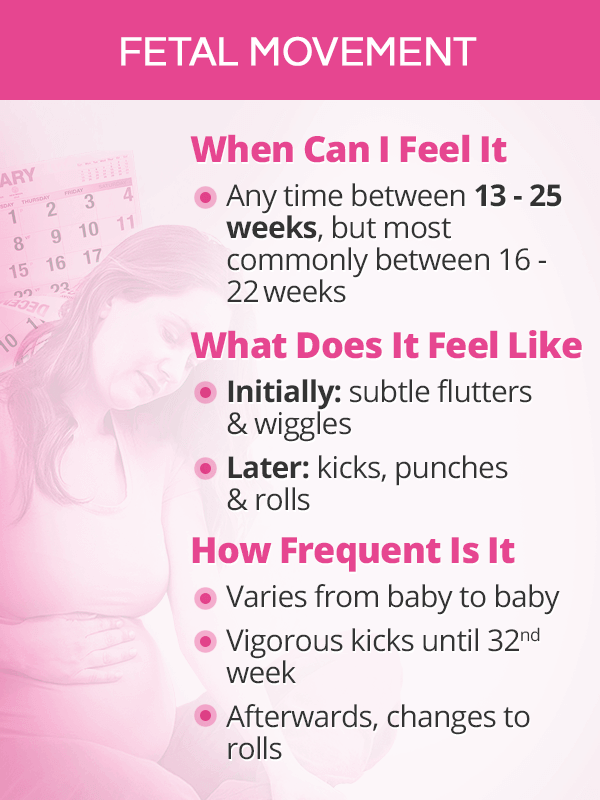
Most people notice fetal movement, called quickening, between 16 and 25 weeks. First-time parents often feel it later, usually near 18–20 weeks. People who have been pregnant before may notice movements as early as 13–16 weeks.
How early can you feel baby move if you are a first-time parent?
First-time parents usually feel the first flutter around 18–20 weeks. Some feel it earlier or later; it varies by body type and placenta placement.
Can you feel baby move before 20 weeks?
Yes. Many people feel tiny flutters before 20 weeks, especially in later pregnancies. If you don’t feel movement by 25 weeks, mention it to your provider.
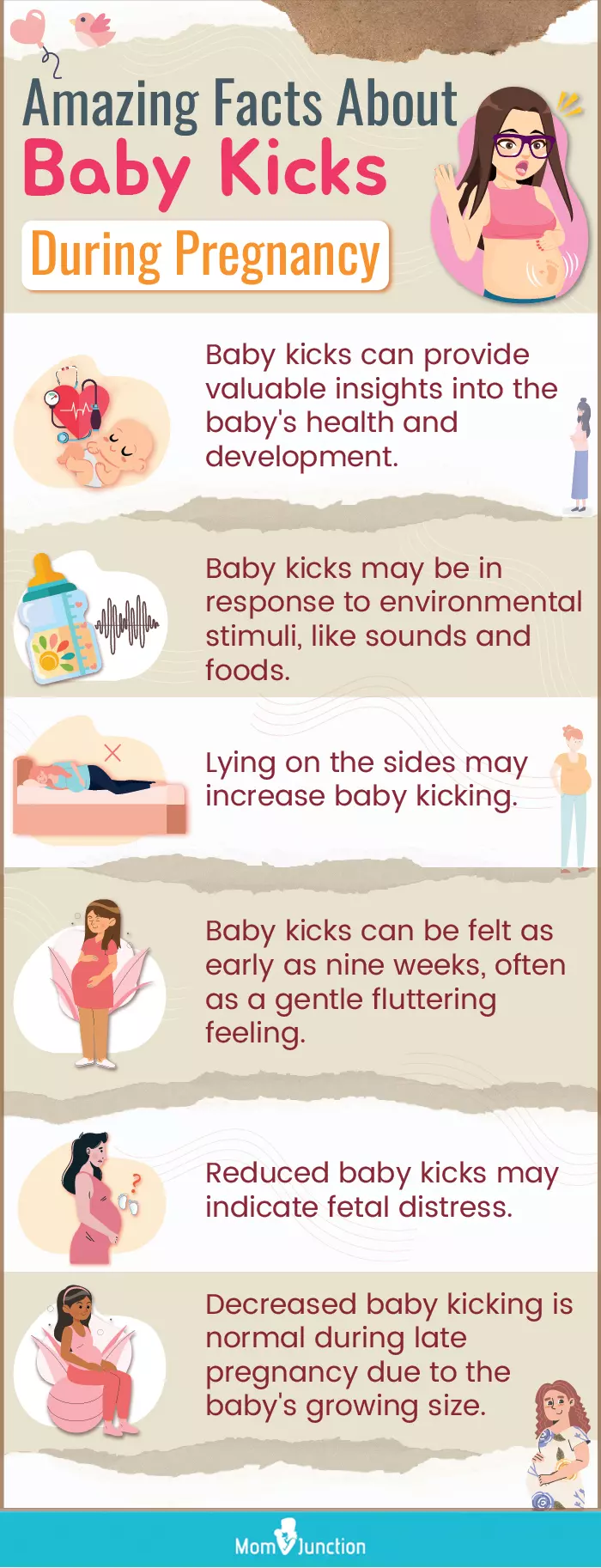
What those early movements feel like
Early fetal movement is subtle. Common descriptions include fluttering, bubbles, taps, or a gentle nudge. Movements start as small twitches. Over weeks they grow into rolls, strong kicks, and stretches.
You might confuse early movement with gas or muscle twitch. That’s normal. As moves get stronger you’ll recognize patterns. By the third trimester the kicks are distinct and often timed around your activity or sleep.

Factors that affect how early you can feel baby move
Many things change when you feel movement. Here are the main factors:
- Maternal pregnancy experience — People who’ve been pregnant before often feel movement earlier.
- Placenta position — An anterior placenta (front wall) can cushion kicks and delay when you feel them.
- Maternal body type — Extra abdominal fat can make early movements harder to notice, though many still feel them on time.
- Fetal activity level — Babies have individual temperaments. Some are calm, some are active.
- Amniotic fluid volume — Low or high fluid levels can change how movement feels.
- Uterine tone and muscle sensitivity — A relaxed uterus may transmit movement more clearly.
- Medications and smoking — Some substances can change fetal activity.
- Time of day — Babies often move more when you’re resting or after a meal.
How to track movements and why it matters
Counting kicks gives you a snapshot of fetal wellbeing. The simple method:
- Pick a time when your baby is usually active, often after a meal or in the evening.
- Lie on your left side or sit comfortably.
- Record how long it takes to feel 10 distinct movements.
- Expect 10 movements in 2 hours as a common benchmark. Many people feel 10 within 30–60 minutes.
If your baby usually meets the count faster, use your baseline. If movement slows, repeat the check in a quiet place and try a snack or cold drink. Persistent reduction needs a call to your provider. Tracking helps you learn patterns and gives clear data to report to clinicians.
When to call your healthcare provider about decreased movement
Decreased fetal movement can signal problems, so act if you notice changes. Call your provider if:
- You can’t get 10 movements in 2 hours when your baby is usually active.
- You notice a sudden drop in activity or a clear change in pattern.
- Movements become much weaker than normal for more than a day.
If your provider can’t be reached, go to the nearest pregnancy triage or emergency department. Quick action reduces worry and helps catch issues early.

Practical tips to feel baby move earlier
Try these easy, low-risk steps when you want to encourage movement or confirm activity.
- Rest on your left side — This improves blood flow and often wakes the baby.
- Drink something cold or sugary — A cold drink or a small snack can stimulate baby activity.
- Gently press or tap your belly — Light taps sometimes prompt a response.
- Use quiet focus time — Sit or lie quietly and pay attention for 20–30 minutes.
- Play music or sing — Some babies respond to sound and vibration.
- Track consistently — Regular checks help you notice normal rhythms.
Avoid alcohol or risky practices to provoke movement. Simple, safe methods work best.

My experience: lessons learned and practical takeaways
I remember sitting with a client at 19 weeks who felt a “butterfly” flutter and worried it was gas. I told her to relax, drink a cold glass of water, and lie on her left side. The movement returned and she started tracking kicks. That simple step eased her anxiety quickly.
Lessons I share with parents:
- Trust small feelings early; patterns form over weeks.
- Keep a simple log — it helps when talking to your provider.
- Don’t ignore decreased movement — early action matters.
These strategies saved time and worry for many parents I’ve worked with. They build confidence and create a clearer dialogue with care providers.

Common myths and misconceptions about feeling fetal movement
People hear many myths. Here are clear facts:
- Myth: You must feel movement by 16 weeks.
Fact: Many feel movements later. 16–25 weeks is the typical range. - Myth: Larger people can’t feel movement until late in pregnancy.
Fact: Body type can influence sensation, but many larger-bodied people feel movement on time. - Myth: If you don’t feel movement, the baby is in trouble.
Fact: A lack of sensation can be normal for a time, but persistent decrease should be checked. - Myth: Babies always move at the same time every day.
Fact: Patterns exist but can shift with growth and sleep cycles.
Clearing myths keeps parents calm and informed.
Frequently Asked Questions of how early can you feel baby move
When will I first feel my baby move if I’m pregnant for the first time?
Most first-time parents feel their baby between 18 and 20 weeks. Some feel light flutters earlier or later, and that range is normal.
Can placenta position delay when I feel movement?
Yes. An anterior placenta can cushion movements and make them harder to notice early on. Movements typically become clearer as the baby grows.
Is it normal to not feel movement every day in early pregnancy?
Yes. Early movement can be sporadic. By the third trimester, you should feel regular patterns and stronger kicks each day.
What should I do if I suddenly feel less movement?
Lie on your left side, drink a cold beverage, and count movements for up to two hours. If the count is low or you remain concerned, contact your provider right away.
Are there safe ways to wake the baby if I can’t feel them?
Yes. Rest, change position, drink a cold drink, or gently tap your belly. Avoid unsafe methods and contact your provider if movement doesn’t return.
Will my baby’s activity tell me the gender?
No. There’s no reliable link between fetal movement timing or pattern and baby gender. Movement reflects growth and sleep cycles.
Conclusion
Feeling your baby move is one of pregnancy’s most vivid milestones. Most people notice movement between 16 and 25 weeks, often around 18–20 weeks, but many factors change timing and sensation. Learn your baby’s rhythm through simple tracking, use gentle techniques to encourage motion, and call your provider if movement decreases. Trust your instincts, keep a short log, and don’t hesitate to ask for medical advice when unsure. If this article helped, leave a comment, subscribe for more pregnancy guides, or share your first-movement story below.