
Baby elephants typically weigh between 220 and 330 pounds at birth, depending on species.
I’ve worked with wildlife teams and orphaned calves for years, so I can explain how much does a baby elephant weigh, why those numbers change, and what they mean for calf care and conservation. Read on for clear facts, real-world tips, and easy ways to track healthy growth.

How much does a baby elephant weigh?
Understanding how much does a baby elephant weigh starts with species. At birth, a calf’s weight reflects its species, the mother’s condition, and environmental factors. African savanna calves are the heaviest at birth. Asian elephant calves tend to be a bit lighter. Forest elephants, which are smaller as adults, also have smaller newborns.
Typical newborn weight ranges
- African savanna elephant calf: about 250 to 330 pounds.
- African forest elephant calf: about 200 to 250 pounds.
- Asian elephant calf: about 220 to 300 pounds.
Newborns also vary by sex. Male calves often weigh slightly more than females, but the difference is small at birth. Remember that single calves are the norm; twins are rare and often smaller. When you ask how much does a baby elephant weigh, these ranges give a practical answer for most situations.
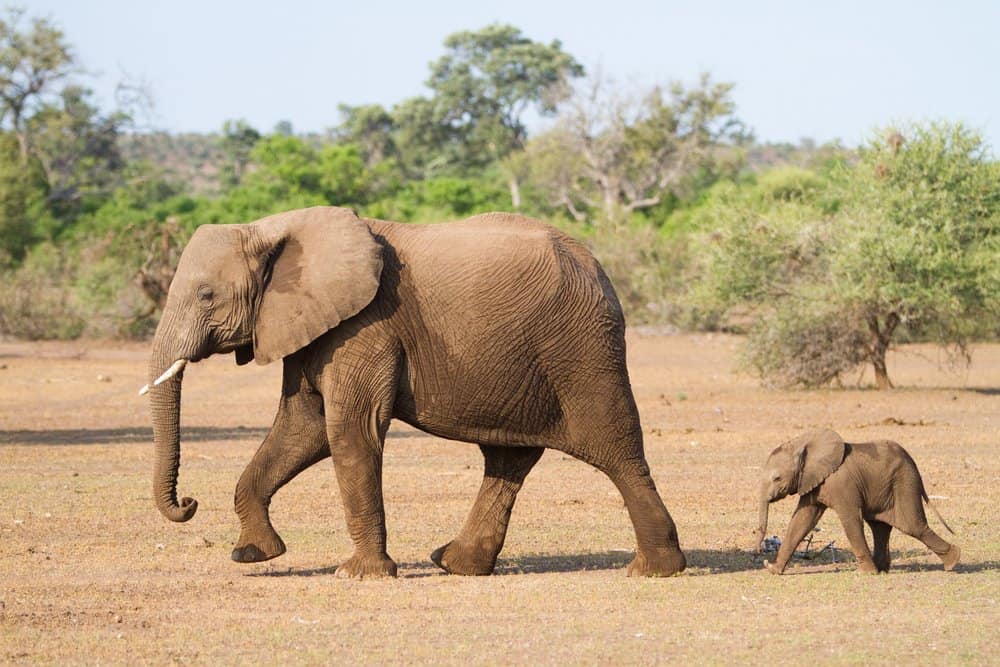
Factors that affect a baby elephant's weight
Many factors shape how much does a baby elephant weigh. Here are the main ones:
- Maternal nutrition. A well-fed mother usually has a heavier calf.
- Gestation length. Slightly longer pregnancies often yield heavier calves.
- Species and genetics. Size genes matter; savanna elephants are larger than forest or Asian elephants.
- Health and disease. Illness in the mother can lead to lower birth weight.
- Habitat and stress. Food scarcity or high stress can reduce calf weight.
Personal experience: while volunteering at a rescue center, I saw two calves born weeks apart from the same herd. One mother had access to lush forage and the calf weighed close to 320 pounds. The other mother had poor food and the calf was under 240 pounds. That real contrast shows how diet and environment matter.
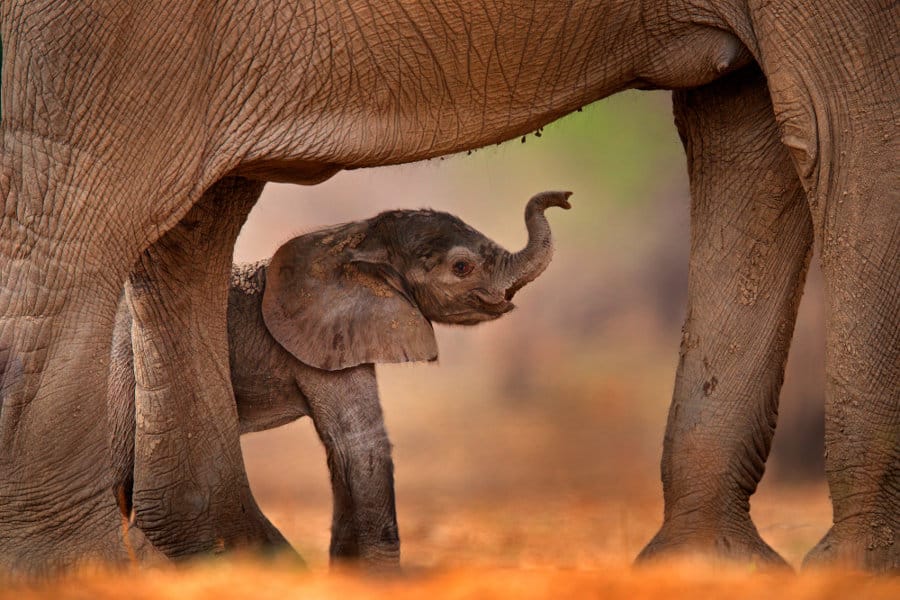
Growth milestones and weight over time
Babies grow fast, and tracking how much does a baby elephant weigh at different ages helps caretakers spot problems. Typical growth patterns:
- At birth: 220–330 pounds depending on species.
- 1 month: often 330–440 pounds as milk intake rises.
- 6 months: many calves double birth weight, around 440–660 pounds.
- 1 year: most reach 660–880 pounds, starting more solid food.
- 2–3 years: calves can weigh 1,000–1,500 pounds before weaning age varies by species.
- Juvenile to adult: growth continues slowly over years to reach adult mass (4,000–13,000 pounds depending on species and sex).
Milk is the main fuel for the first months. Calves nurse frequently and may take up to two years to reduce reliance on milk entirely. Keep records and weigh calves regularly to follow milestones and spot slow growth early.

How researchers and caretakers estimate weight
Accurate weight helps with dosing medications and planning nutrition. Methods used include:
- Platform scales. The safest and most accurate when available.
- Sling and veterinary scale. Useful for very young or small calves.
- Girth-based formulas. Measure chest girth and use a formula to estimate weight when scales aren’t possible.
- Visual estimation by experienced staff. Fast but less precise and best for triage.
Each method has limits. Scales require training and calm animals. Girth formulas depend on correct measurement placement. Visual guesses work if the estimator has years of experience. I learned to combine girth measures with a quick visual check to get reliable results when scales were not an option.

Why knowing how much a baby elephant weighs matters
Weight tells you about health at a glance. Key reasons to measure and know calf weight:
- Health checks. Low or falling weight can signal disease or poor milk intake.
- Medication dosing. Accurate weight avoids underdosing or overdosing.
- Nutrition planning. Weight guides supplemental feeding and recovery diets.
- Conservation and research. Population health studies use birth weights and growth curves.
- Rescue decisions. Teams decide whether a calf can be reintroduced or needs long-term care based on growth.
Weight data also helps vets and managers set priorities during droughts or crises. Clear weight records can mean the difference between recovery and decline.

Common misconceptions about baby elephant weight
People often assume incorrect facts. Let’s clear up common myths:
- Myth: All baby elephants weigh the same. Fact: Weight varies widely by species, mother, and conditions.
- Myth: Twins are common and healthy. Fact: Twins are rare and usually face higher risks.
- Myth: Bigger at birth means healthier long-term. Fact: Birth weight helps, but postnatal care and disease matter more.
- Myth: Calves need solid food immediately. Fact: Milk is crucial; solid food is introduced gradually.
- Myth: You can visually judge weight perfectly. Fact: Visual estimates help, but measurements are best.
Correcting these helps caretakers and curious readers make better choices for calves.
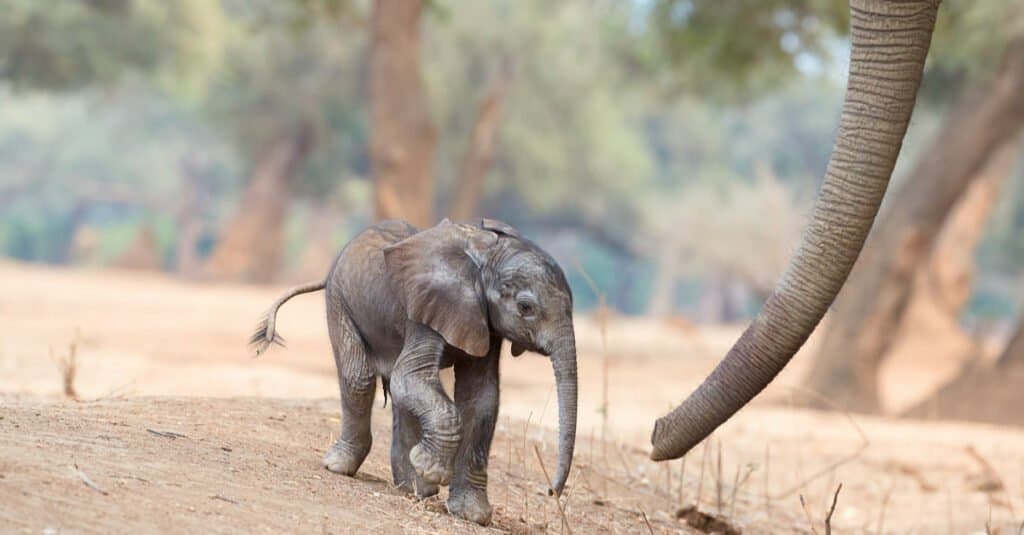
Practical tips for caretakers and volunteers
Simple steps help track and support healthy growth:
- Weigh regularly. Weekly checks in the first months are ideal.
- Use girth formulas when scales are unavailable and record measurements carefully.
- Monitor nursing behavior. Less nursing often shows in weight trends first.
- Keep diet logs. Note supplemental feeds, amounts, and frequency.
- Work with a vet. Share weight trends to guide treatment or supplements.
A tip from the field: when a calf refused to nurse, a steady weight chart showed the decline before other signs. Early intervention saved that calf. Keep records simple and consistent.

Frequently Asked Questions of how much does a baby elephant weigh
How much does a baby elephant weigh at birth?
Most baby elephants weigh between 220 and 330 pounds at birth, with African savanna calves near the top of that range and forest or Asian calves often a bit lighter.
Do baby elephants gain weight quickly?
Yes. Calves can gain hundreds of pounds in their first year because they nurse frequently and grow rapidly during the early months.
Can you tell a calf’s health just by weight?
Weight is a strong indicator but not the whole story. Combine weight trends with behavior, nursing, and vet exams for a full health picture.
How do caretakers weigh a baby elephant safely?
Caretakers use platform scales, sling scales, or girth-based estimates and always prioritize safety, working with trained vets and staff.
Do male and female baby elephants differ in weight?
Male calves often weigh slightly more than females at birth, but the difference is typically small and grows with age.
Are twins common in elephants?
Twins are rare in elephants and often carry higher risks; most births are single calves.
Conclusion
Knowing how much does a baby elephant weigh gives you a clear view of calf health, guides care decisions, and supports conservation. Use simple, regular measurements, watch nursing and behavior, and work with vets to act fast when weight drops. If you care for or study calves, start a clear weight log today and share data with professionals to improve outcomes. Leave a comment with your experiences, subscribe for more wildlife care tips, or explore local conservation groups to help baby elephants thrive.