
No — true overfeeding of a breastfed baby is rare; breastfed infants usually self-regulate milk intake.
I’ve spent years working with new parents and lactation counselors, and I can say confidently that many worries about “can you overfeed a breastfed baby” come from understandable anxiety, not from feeding science. This article walks through how breastfed babies regulate intake, when extra feeding might be a concern, common signs to watch for, and clear, practical strategies you can use at home. I’ll share clinical insights, real-world examples, and easy-to-follow tips so you feel confident feeding and protecting your baby’s health.
How breastfeeding naturally prevents overfeeding
Breastfeeding is demand-driven. Babies latch, suck, and pause when they feel full. Milk flows based on supply and baby’s suckling. This creates a feedback loop that usually stops babies from taking too much.
Milk composition also helps. Foremilk is thinner and thirst-quenching. Hindmilk is richer and more filling. As a baby nurses, they move from foremilk to hindmilk. That shift supports satiety and weight gain without excess.
My experience with families shows most concerns arise from fast weight gain or frequent cluster feeds. These are often normal growth spurts, teething, or comfort nursing—not true overfeeding.

Can you overfeed a breastfed baby? The science and facts
The short scientific answer to can you overfeed a breastfed baby is that it’s unlikely but not impossible in specific situations. Babies have innate hunger and fullness cues that protect them. Suckling slows and swallowing decreases when they are satisfied.
However, a few conditions can weaken that protection:
- Overly rigid feeding schedules that ignore baby cues
- Bottle supplementation with high-flow nipples or formula that is easier to gulp
- Certain medical conditions that affect appetite or digestion
Research and clinical observation show breastfed infants rarely develop the kind of forced overconsumption seen when adults encourage finishing bottles. But substituting bottle feeds or pressuring to “finish the feed” can override baby-led regulation.

Signs and red flags that may suggest too much feeding or a problem
Most breastfed babies do fine. Still, watch for signs that suggest an issue rather than normal variation.
- Very frequent spitting up, vomiting, or gustatory distress after feeds may suggest overfeeding or reflux.
- Rapid weight gain far above normal percentiles could be worth checking with a pediatrician.
- Persistent fussiness, gassiness, or poor sleep tied to feeds may mean feeding technique or milk balance needs review.
- If a baby never appears satisfied or always wants to nurse for comfort rather than hunger, explore underlying causes.
If you notice sudden changes in feeding patterns or growth, seek a checkup. Often a simple latch adjustment, paced bottle feeding, or a feeding plan resolves the problem.

Practical tips to prevent overfeeding and support healthy intake
Use these clear, practical strategies to keep feedings baby-led and balanced.
- Watch hunger and fullness cues rather than the clock. Cues include rooting, sucking motion, and opening mouth. Fullness cues include relaxed hands and falling asleep at the breast.
- Offer both breasts and allow nursing until the baby slows their suck. This helps the baby reach hindmilk, which is more satisfying.
- If you supplement by bottle, use paced bottle feeding with a slow flow nipple to mimic breastfeeding rhythm.
- Avoid pressuring the baby to “finish” a bottle or breast. Stop when the baby shows fullness cues.
- Track wet and dirty diapers and regular weight checks to ensure adequate intake.
From my practice, a simple change like paced bottle technique stopped much of the overfeeding worry for anxious parents.

Common scenarios: when extra feeding might be needed
There are times when a baby may need more milk and feeding more often is appropriate.
- Growth spurts occur at around 2–3 weeks, 6 weeks, and 3 months. Babies nurse more during these times.
- If baby is ill or recovering, more frequent nursing can provide comfort and hydration.
- Low supply or slow weight gain requires structured feeding to increase intake and milk production.
- Premature infants or those with certain health conditions may need specialized feeding plans.
When feeding more, follow a pediatrician or lactation consultant’s guidance. That ensures extra feeding meets a real need and does not cause problems.

Real-life example and lessons learned
I once worked with a first-time mom who worried her 2-month-old wanted to nurse every hour. She thought she was overfeeding by responding to the baby. After observing a latch and charting diapers, we found a growth spurt and a short nursing technique issue. A few simple adjustments and reassurance helped; the baby’s pattern normalized in days.
Lesson learned:
- Trust baby cues while also verifying growth and output.
- Seek help early for latch or supply concerns. Small fixes prevent long-term anxiety and feeding issues.
When to seek professional help
Seek help if any of the following occur:
- The baby is not gaining weight as expected or is losing weight.
- There is persistent vomiting, blood in stool, or dehydration signs like fewer wet diapers.
- Nursing is painful for the mother, or latch problems persist.
- You feel overwhelmed, anxious, or unsure about feeding plans.
A pediatric visit and a consultation with a lactation counselor can provide clear steps and peace of mind.

Two to three quick PAA-style questions
Q: Can bottle feeding cause overfeeding when breastfeeding is also used?
A: Yes, bottles can increase overfeeding risk if flow is fast or parents encourage finishing the bottle. Use paced bottle techniques to mimic breastfeeding and let the baby lead.
Q: Does cluster feeding mean the baby is overeating?
A: No. Cluster feeding is normal during growth spurts and often helps boost milk supply. It’s usually short-lived and not true overfeeding.
Q: Can breastfeeding too often spoil a baby?
A: Frequent breastfeeding does not spoil a baby; it builds trust and supports growth. Comfort nursing is normal and healthy.
Frequently Asked Questions of can you overfeed a breastfed baby
What does overfeeding a breastfed baby look like?
Overfeeding in breastfed babies is rare but may show as excessive spit-up, consistent vomiting, or very rapid weight gain. More often, symptoms point to reflux, poor latch, or formula supplementation issues rather than true overfeeding.
How many times should a breastfed baby eat in 24 hours?
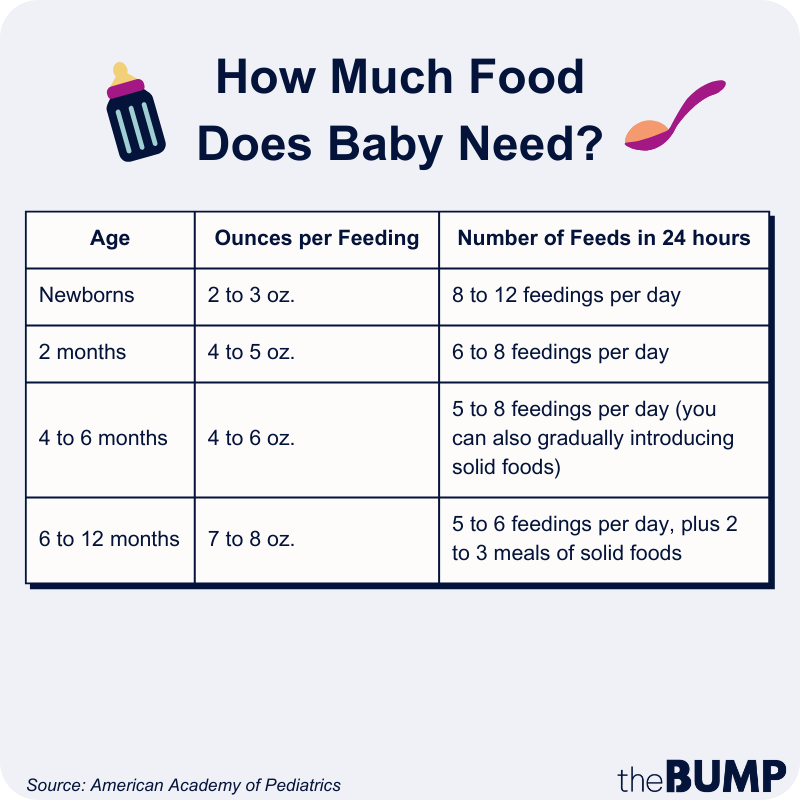
Newborns commonly nurse 8–12+ times per day. Frequency varies by growth stage, and babies self-regulate to meet needs. Track diapers and weight to confirm adequate intake.
Can comfort nursing cause overfeeding?
Comfort nursing usually does not cause overfeeding. It provides soothing, bonding, and calories. If comfort nursing is constant and interferes with weight gain or sleep, discuss strategies with a lactation consultant.
Is it OK to stop a feeding if the baby seems full?
Yes. If the baby shows clear fullness cues—relaxed hands, falling asleep, decreased sucking—you can stop the feeding. For safety, burp and watch the baby for signs of contentment afterward.
Does supplementing with formula increase overfeeding risk?
Supplementing can increase overfeeding risk if bottles are used improperly or parents insist on finishing. Use paced bottle feeding and follow a health professional’s guidance when supplementing.
When should I worry about my breastfed baby’s weight?
Worry if the baby loses weight after the first week, drops below growth curve expectations, or shows signs of dehydration. Regular well-baby checks help spot problems early and guide feeding plans.
Wrap up and actionable takeaway
Breastfed babies are built to self-regulate, so the short answer to can you overfeed a breastfed baby is that true overfeeding is uncommon. Most feeding worries come from normal growth patterns, bottle transitions, or latch and technique issues. Watch cues, track output and growth, and use paced bottle feeding if you supplement. If you feel unsure, seek help early from a pediatrician or lactation consultant.
Take action today: observe your baby’s cues for one full day, note wet diapers and sleep, and ask one specific feeding question at your next well-baby visit. If this article helped, subscribe for more practical feeding tips or leave a comment with your experience.