
You can usually start feeling baby move between 18 and 25 weeks of pregnancy.
I’ve cared for many pregnant people and tracked fetal movement patterns for years, so I know how urgent and exciting this question is. This article explains when can you start feeling baby move, what those first flutters feel like, why timing varies, how to track movement, and when to call your provider. Read on for clear, practical guidance based on clinical experience and common pregnancy patterns.

Understanding fetal movement
Fetal movement means any kick, roll, flutter, or stretch you can feel from your baby. Early motions are small and subtle. As the baby grows, movements grow stronger and more regular.
Fetal movement tells you about growth and activity. Doctors use movement patterns to check fetal health in later pregnancy. If you wonder when can you start feeling baby move, know that timing varies but patterns are predictable.
Typical timeline: when can you start feeling baby move
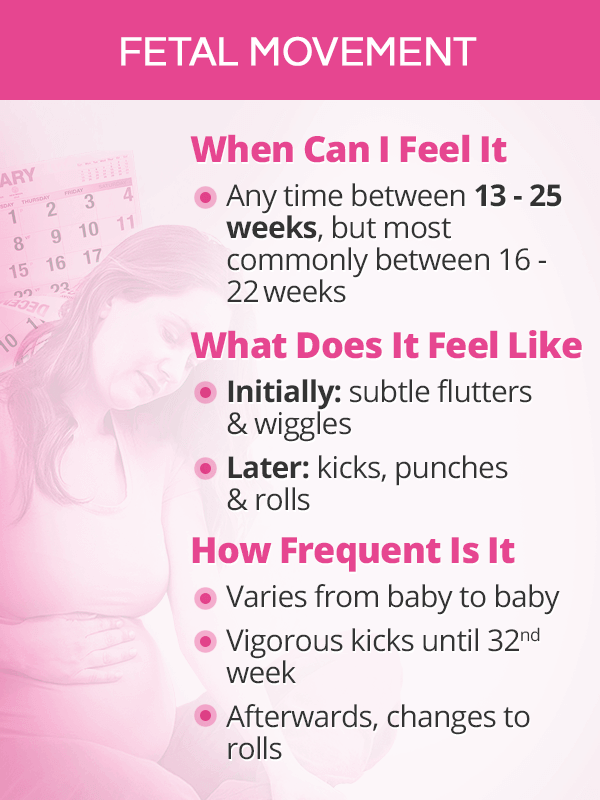
Most people feel the first movements in the second trimester. Exact timing depends on factors like pregnancy number and body type.
Common windows
- First pregnancy: Many feel movement between 18 and 22 weeks.
- Subsequent pregnancies: Many feel movement earlier, often 16 to 18 weeks.
- Late or early movement: Some do not notice movement until 24 to 25 weeks, and a few feel it sooner than 16 weeks.
If you ask when can you start feeling baby move, remember this timeline is a guide, not a rule. Each pregnancy is different. If you haven’t felt movement by 24 weeks, share this with your provider so they can check fetal well-being.

What movement feels like and how it changes
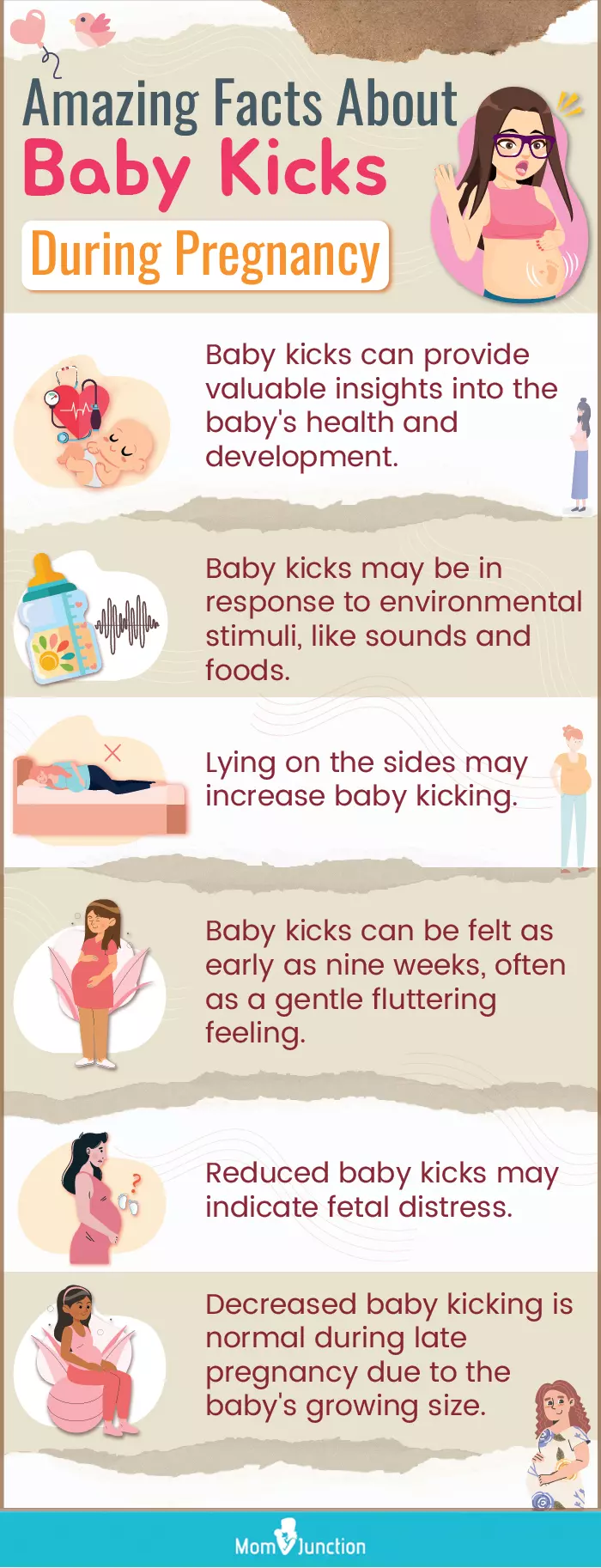
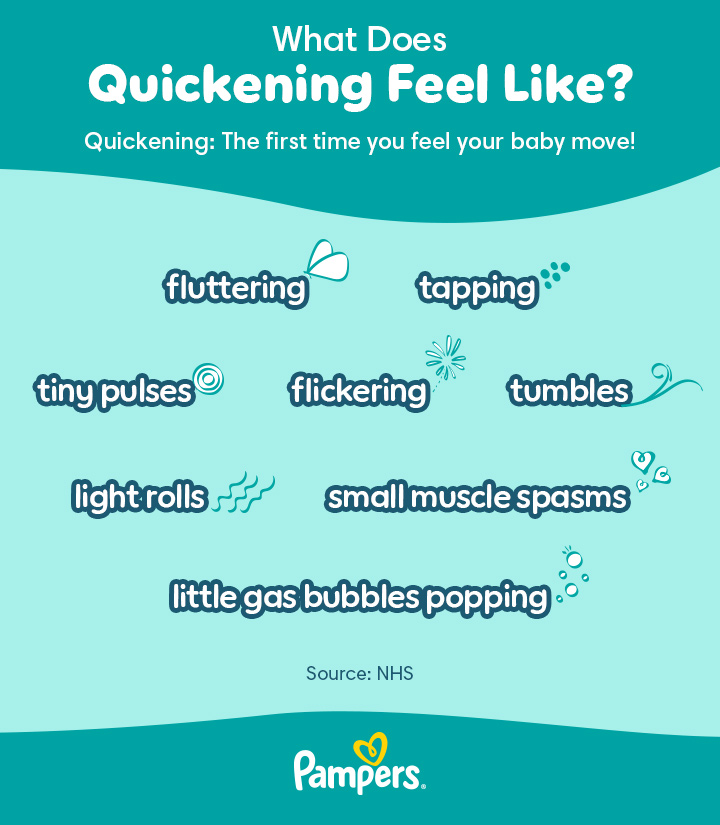
Early movement often feels like bubbles, flutters, or gas. At first, those sensations may be irregular and faint. Over weeks, they become stronger and more distinct.
How movements evolve
- Flutters and bubbles: Early sensation, often mistaken for gas.
- Rolls and stretches: Mid-pregnancy; feel like a thin stretching or soft pressure.
- Strong kicks and jabs: Later pregnancy; distinct taps and shifts.
- Regular patterns: By the third trimester, many notice consistent awake and sleep cycles.
When can you start feeling baby move is partly about learning these sensations. Listen to your body and track what feels new or different.
Factors that affect when you feel movement
Several things change when you first notice movement. Understanding them helps set realistic expectations for when can you start feeling baby move.
Key factors
- Placenta position: A front (anterior) placenta can cushion movement and delay first sensations.
- Maternal body type: Higher body mass and abdominal tone can make early moves harder to feel.
- Baby position: If the baby faces your back, movements may be less noticeable.
- Activity level: Very active people may miss subtle early flutters; quiet moments reveal them.
- Pregnancy number: People with previous pregnancies usually feel movement earlier.
- Baby size and activity: Some babies are naturally quieter or more active.
These factors explain why two people at the same week may answer when can you start feeling baby move differently.

How to encourage and track movements
If you’re waiting to feel movement, simple steps help you notice and track it. Tracking also supports fetal health checks.
Tips to notice movement
- Sit or lie quietly on your side for 20 minutes. Relax and focus on sensations.
- Drink a cold glass of water or have a light snack. Sugar or cold can make the baby more active.
- Gently press your hand on your belly and wait for movement.
- Try different positions; many feel movement best lying on the left side.
Kick counting method
- Pick a time when your baby is usually active.
- Lie on your left side and count movements until you reach 10.
- Record how long it took. Many providers expect 10 movements in under two hours when the baby is active.
When can you start feeling baby move matters for these counts. Start gentle tracking when you first notice regular flutters. If movement drops or you can’t get 10 movements in two hours when normally active, contact your provider.

When to call your provider
Know when to seek help. Movement changes can signal need for evaluation.
Call your provider if
- You notice a sudden drop in usual movements.
- You can’t get 10 movements in two hours when the baby is usually active.
- Movements feel weaker or much different than before.
Always trust your instincts. If you worry about when can you start feeling baby move or if movement changes, reach out. Better safe than sorry.

My experience and practical tips
Early in my career, a patient worried she hadn’t felt movement by 22 weeks. We reviewed placenta position and activity patterns. After a quiet evening lying on her left side and having a cold drink, she felt clear flutters within 30 minutes. That moment eased her anxiety.
Personal tips I share with patients
- Keep a simple log of times when you feel movement. Patterns emerge quickly.
- Talk to your partner about what to expect. Shared monitoring reduces stress.
- Use apps or a notebook to note when movements feel different.
- Don’t compare too much with friends; timing varies widely.
If you ask when can you start feeling baby move, treat advice as flexible. Your body and baby are unique. Small tracking habits make you more confident and help spot meaningful changes.
Frequently Asked Questions of when can you start feeling baby move
When do first baby movements usually happen?
Most people feel first fetal movements between 16 and 25 weeks, with first pregnancies often later. Timing varies with placenta position and maternal factors.
Can I feel movements earlier than 16 weeks?
Yes, some people feel early flutters before 16 weeks, especially in later pregnancies. These early sensations are usually faint and easy to miss.
Does placenta location delay feeling movement?
A front (anterior) placenta can cushion movements and delay the sensation of flutters. It often causes later first awareness but not reduced fetal activity overall.
How can I track movements at home?
Lie on your left side during a quiet time and count movements until you reach 10. Record how long it takes and repeat daily if concerned.
When should I be worried about decreased movement?
Contact your provider if your baby’s usual movement pattern drops suddenly or you cannot reach 10 movements in two hours when normally active. Trust your instincts and call anytime you’re concerned.
Conclusion
Feeling your baby move is a key pregnancy milestone, and most people ask when can you start feeling baby move with excited impatience. Expect first flutters between 16 and 25 weeks, with many seeing movement earlier in subsequent pregnancies. Factors like placenta position, body type, and baby position shape timing. Track movements with simple kick counts, rest on your left side, and contact your provider for any sudden changes.
Takeaway: start gentle tracking when you first notice flutters, keep a short movement log, and reach out to your provider if patterns shift. If this helped, subscribe for more pregnancy guides or leave a comment with your story — I’d love to hear when you first felt your baby move.