
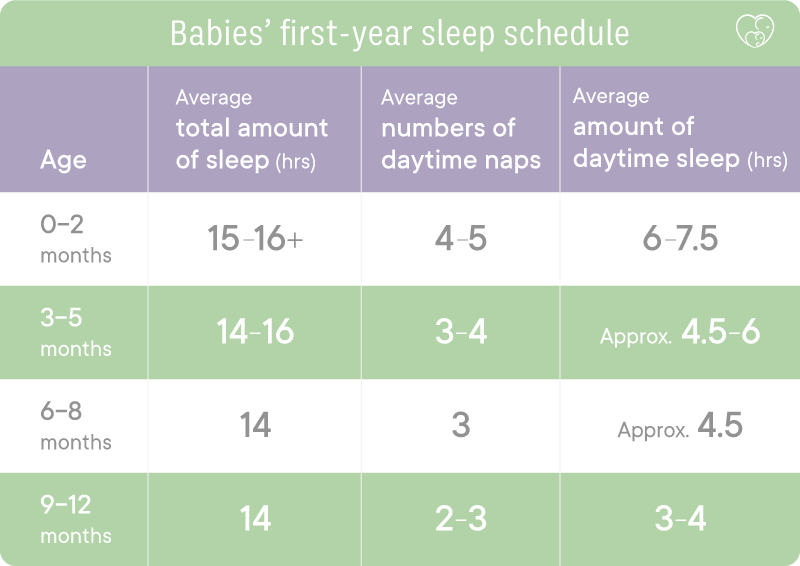
Most babies transition to one nap between 12 and 18 months, commonly around 15–18 months.
As a pediatric sleep coach with years of hands-on experience, I’ll walk you through when do babies drop to one nap and why it matters for sleep, mood, and development. This guide breaks down the typical age range, clear signs your child is ready, practical step-by-step transitions, sample schedules, troubleshooting tips, and real-life lessons I’ve learned from families I’ve worked with. Read on for a calm, evidence-informed plan to move your child smoothly to one nap.
Typical age range and signs of dropping to one nap
Most children drop to one nap between 12 and 18 months, though some do so a little earlier or later. Asking when do babies drop to one nap? Expect variation: genetics, temperament, daily activity, and how long the child naps overall all affect timing.
Common signs your child may be ready to drop to one nap
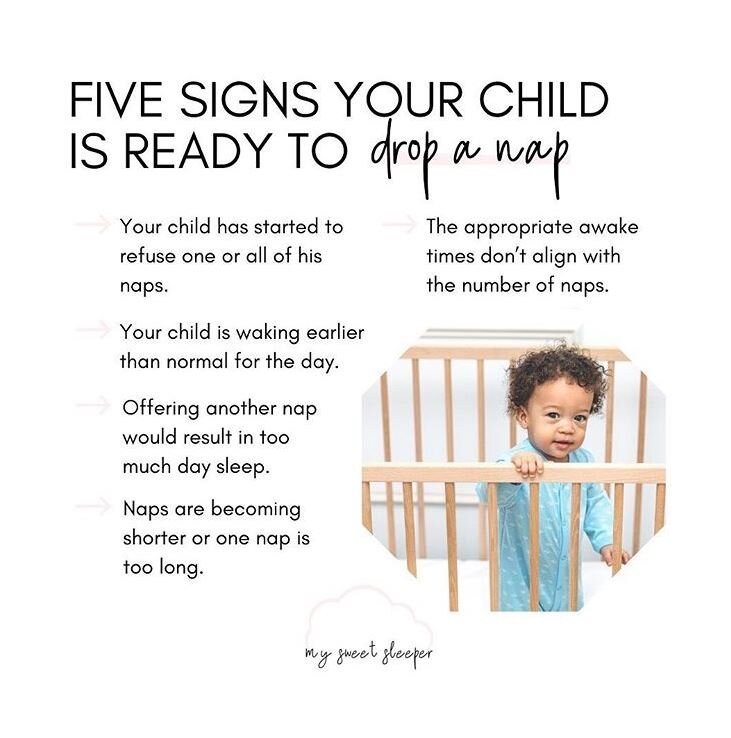
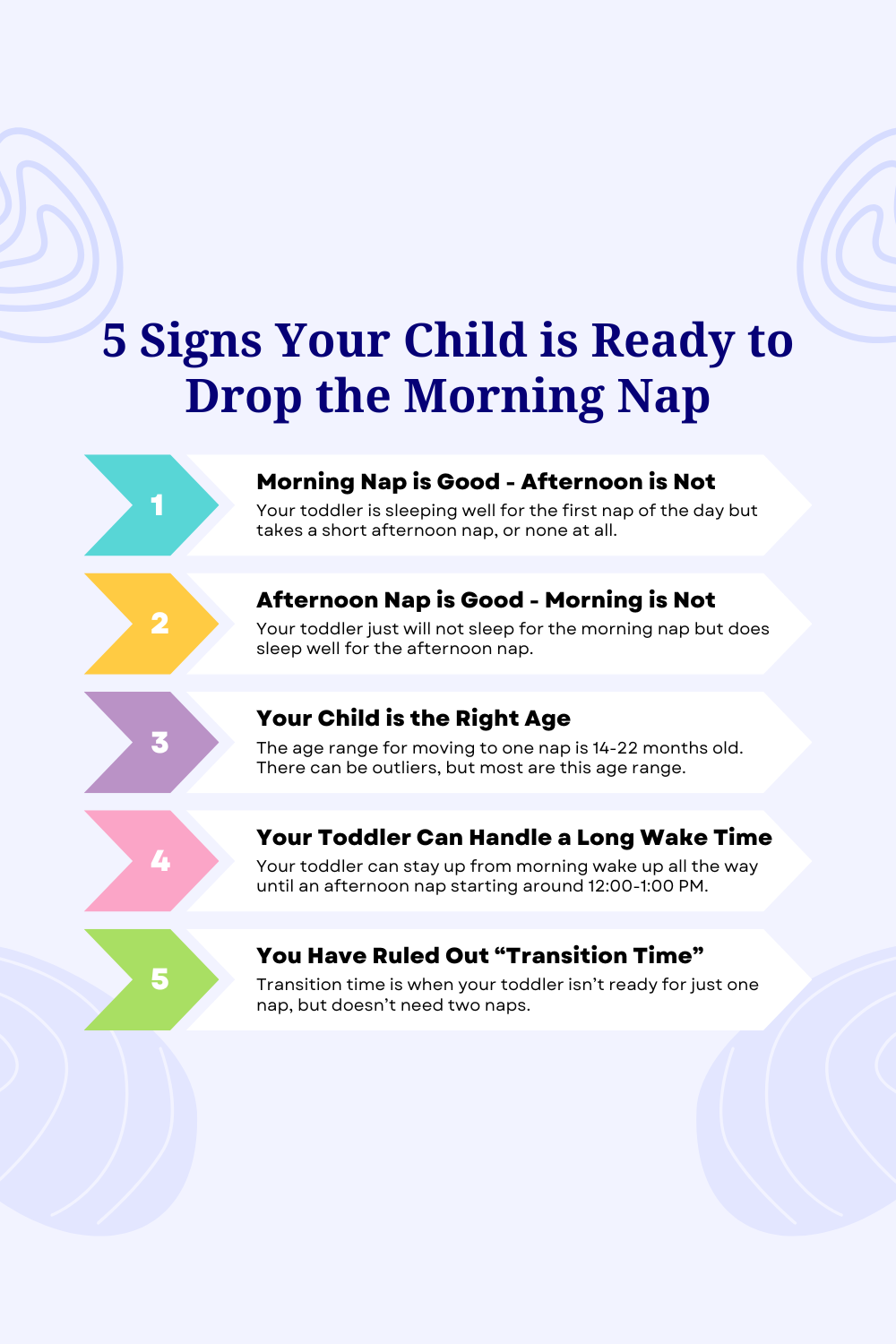
- Takes a long time to fall asleep for morning nap or fights it regularly.
- Morning nap becomes short (20–45 minutes) and doesn’t feel restorative.
- Bedtime gets later when naps are skipped, or your child resists the second nap.
- Wakes earlier in the morning or is very sleepy late afternoon consistently.
- Shows sustained wake windows of about 4–6 hours and handles them well.
Watch patterns over 1–3 weeks before making changes. A short streak of nap resistance doesn’t always mean your child is done. When do babies drop to one nap depends on steady patterns more than single-day fussiness.
Why babies drop to one nap
Understanding the why helps you plan. The shift to one nap is driven by brain development and changing sleep pressure. As children age, they need less total daytime sleep and can stay awake longer between sleeps.
Biological reasons
- Maturing circadian rhythms support consolidated night sleep and longer wake windows.
- Reduced daytime sleep need as neural networks mature.
- Developmental milestones (mobility, language) increase daytime stimulation, making naps less deep.
Environmental and behavioral factors
- Activity level, light exposure, and family routine speed or slow the transition.
- Frequent late naps or irregular schedules can delay one-nap readiness.
- Illness, travel, or sleep regressions temporarily change patterns.
Knowing when do babies drop to one nap helps you plan the environment and schedule to support healthy sleep without forcing change prematurely.

How to tell your baby is ready to drop to one nap
Readiness comes from behavior and consistent sleep patterns. Look for repeated signs across days and weeks rather than isolated incidents.
Key readiness cues
- Two naps a day consistently shorten to one longer nap.
- Child remains content and alert across a 4.5–6 hour wake window.
- Nighttime sleep remains stable despite skipping one nap occasionally.
- Short morning naps followed by a long afternoon nap that feels restorative.
Quick test to try
- On a typical day, skip the morning nap and aim for a single midday nap around 12:30–1:30 p.m. See how your child handles it and watch nighttime sleep. This trial helps answer when do babies drop to one nap for your specific child.

How to transition: step-by-step plan
A gradual, flexible approach often works best. Below is a simple plan you can adapt.
Steps to transition
- Shift morning nap later by 15–30 minutes every 3–4 days until you merge naps into one midday nap.
- Keep consistent wake and bedtime routines to stabilize circadian cues.
- Aim for a single nap in the middle of the day, usually between 11:30 a.m. and 2 p.m.
- Keep the nap environment dark, cool, and calm to encourage consolidation.
- Avoid long late-afternoon naps; if the one nap runs long, move bedtime earlier.
- Wake window before one nap: about 4–5.5 hours for most toddlers.
- Nap length target: 1.5–3 hours total during the day.
- Night sleep: 10–12 hours at night, possibly with one brief wake.
Sample gradual schedule (example)
- Week 1: Move morning nap later by 30 minutes every 3 days.
- Week 2: Merge naps into a single nap around 12:30 p.m.
- Week 3: Fine-tune nap length and bedtime based on child’s mood and night sleep.
When do babies drop to one nap? Often when you see your child can stay content across the longer morning wake window and benefit from a consolidated midday rest.
Common problems and troubleshooting
Transitions rarely go perfectly. Here’s how to handle common issues.
Short nap drama
- If the one nap is very short (under 45 minutes), try offering a consistent wind-down, longer nap window, or a calming pre-nap routine. Gentle resettling at the start of the nap can help.
Overtired or cranky evenings
- If bedtime gets earlier and mood worsens, move the nap slightly earlier or shorten its length. Consistent bedtimes help restore balance.
Night wakings increase
- Night wakings during transition can happen. Keep night care calm and brief. Reassess nap timing and length; too-late naps can fragment night sleep.
Regression and illness
- Expect setbacks around growth spurts or illness. Revert to two naps briefly if needed and retry after recovery.
Stubborn resistance
- If your child consistently resists the single nap after a month, they may not be ready. Wait and try again in 2–4 weeks.
When do babies drop to one nap? Use patterns and patience to troubleshoot rather than forcing a schedule based only on age.

Sample schedules by age
These are starting points. Adjust based on your child’s cues and family life.
12–14 months (still likely two naps)
- Wake: 7:00 a.m.
- Morning nap: 9:30–10:00 a.m. (30–60 min)
- Afternoon nap: 1:30–2:30 p.m. (1–2 hrs)
- Bedtime: 7:00–7:30 p.m.
15–18 months (transition window)
- Wake: 7:00 a.m.
- Single nap trial: 12:00–2:00 p.m. (1.5–3 hrs)
- Bedtime: 7:00–7:30 p.m.
18–24 months (usually one nap)
- Wake: 7:00 a.m.
- Nap: 12:30–2:30 p.m. (1.5–3 hrs)
- Bedtime: 7:00–8:00 p.m.
These schedules answer common questions about when do babies drop to one nap by showing practical timings to try.

Personal experience and expert tips
I’ve guided many families through this shift. One toddler in my care resisted the morning nap for weeks but fell into a restful single nap after we pushed the morning wake window slowly from 3.5 to 5 hours. Small, consistent steps beat abrupt changes.
Lessons learned
- Don’t rush the process; watch patterns over 10–14 days.
- Keep routines consistent: same wake time, nap cues, and bedtime.
- Use calm activities mid-morning to lengthen wake windows without stress.
Mistakes to avoid
- Forcing a merger overnight. Abrupt changes cause short naps and overtiredness.
- Letting nap times slide later every day. That wrecks night sleep.
- Relying solely on age; behavior and sleep quality matter more.
When do babies drop to one nap? In my experience, planning for flexibility and observing your child closely leads to the smoothest transition.

Frequently Asked Questions of when do babies drop to one nap
When exactly do babies drop to one nap?
Most babies drop to one nap between 12 and 18 months, with many doing so around 15–18 months. Individual variation is normal, and behavior rather than strict age guides readiness.
Will dropping to one nap ruin nighttime sleep?
Not usually. If the one-nap schedule is timed well and bedtime remains consistent, nighttime sleep often becomes longer and more consolidated.
How long should the one nap be?
Aim for 1.5 to 3 hours total during the day. Short naps under 45 minutes may need routine tweaks to lengthen them.
What if my baby refuses the one nap?
If refusal persists despite gradual shifts, your baby may not be ready. Return to two naps for a short period and try again in 2–4 weeks.
How do wake windows change when dropping to one nap?
Wake windows typically lengthen to about 4.5–6 hours between wake and the single nap, and about 11–13 hours from wake to bedtime.
Does dropping to one nap affect feeding or daycare schedules?
Yes, you may need to coordinate meals and daycare routines around the single nap. Communicate with caregivers and plan meals before and after the nap for smoother transitions.
Conclusion
Understanding when do babies drop to one nap gives you a clear path to calmer days and better nights. Watch for consistent readiness cues, use gradual shifts, maintain strong routines, and be patient with setbacks. Start small, test a one-nap day, and adjust based on your child’s mood and night sleep. If you found these tips helpful, try a two-week trial using one of the sample schedules, leave a comment with your experience, or subscribe for more practical sleep guidance.