
Most babies start crawling between 7 and 10 months, though wide variation is normal.
I’ve worked with parents and pediatric teams for years helping families understand infant milestones, and I can tell you the question what age do babies start crawling comes up all the time. This guide explains typical timelines, why crawling matters, common variations, signs to watch for, practical ways to encourage safe crawling, and when to ask a doctor for advice. Read on to get clear, evidence-informed answers and real-world tips you can use today.
When Do Babies Typically Start Crawling?
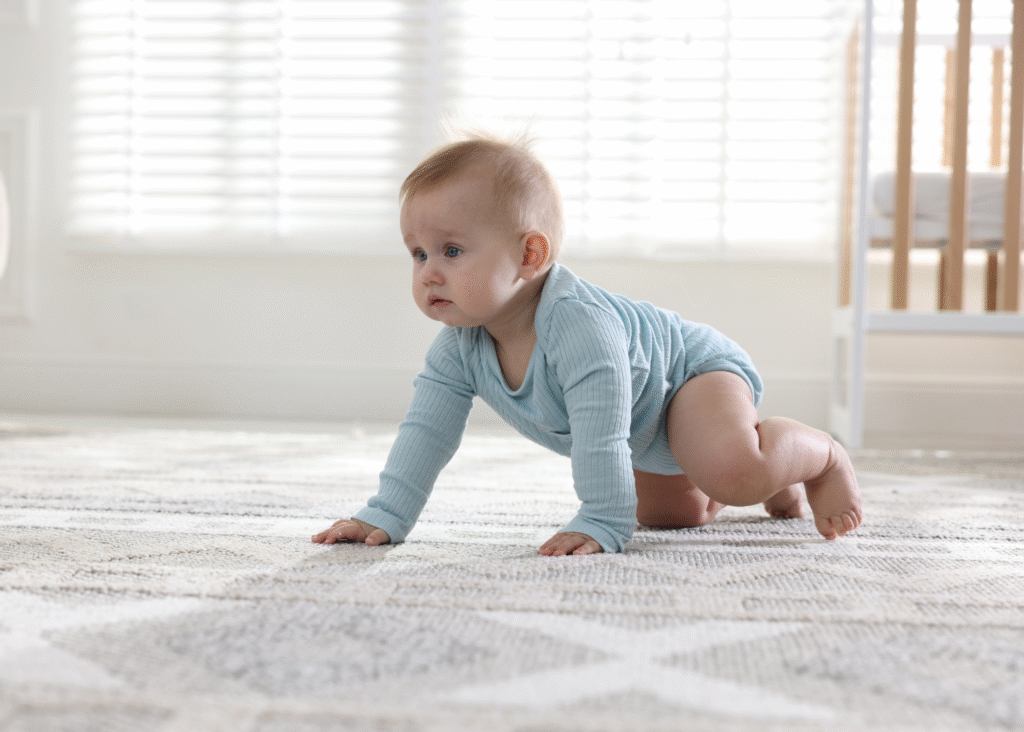
Most infants begin purposeful crawling between 6 and 10 months. If you are asking what age do babies start crawling, know that this window covers the majority of babies. Some babies show crawling-like movements as early as 5 months. Others may not crawl until 11 or 12 months or may skip traditional crawling altogether and move by scooting or cruising.
Factors that shift timing:
- Baby’s muscle tone and core strength. Stronger neck and trunk control often mean earlier mobility.
- Amount of daily floor time. Babies who practice on their tummies get more practice coordinating limbs.
- Family genetics and temperament. Calm, cautious babies may delay exploring.
- Birth history. Premature birth or early health issues can shift the timeline.
Keep in mind that the question what age do babies start crawling isn’t a single number. There is a healthy range, and individual differences matter.

Why Crawling Matters
Crawling does more than move a baby from A to B. It builds fundamentals for later skills.
- Brain development. Crawling helps develop cross-body coordination and integrates the two brain hemispheres.
- Motor skills. It strengthens shoulders, arms, hips, and core needed for sitting, standing, and walking.
- Sensory learning. Babies learn depth, texture, and spatial awareness while exploring on the floor.
- Problem solving. Crawling encourages planning and persistence when overcoming obstacles.
Even when babies skip classic hands-and-knees crawling, they often gain similar benefits through other forms of self-propelled movement.
Signs Your Baby Is Ready to Crawl
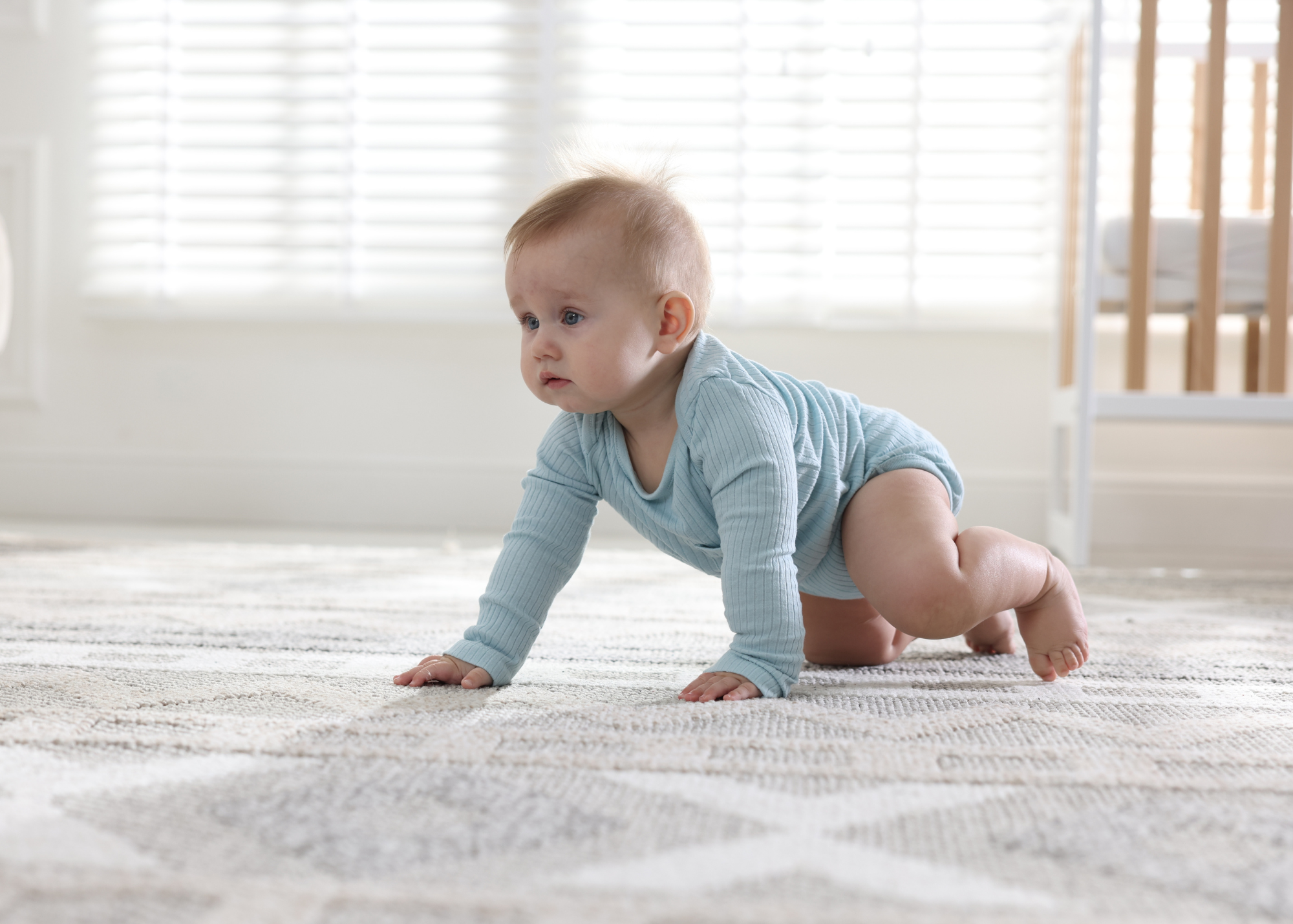
Look for these clear signs that crawling is near:
- Strong head control and steady sitting without support.
- Pushing up on hands during tummy time and rocking back and forth.
- Reaching and pivoting while on the belly.
- Bringing knees forward under the body in a rocking motion.
- Showing clear interest in reaching toys a little out of reach.
These behaviors answer the practical part of what age do babies start crawling: when you see these signs, crawling often follows within weeks.
Common Types of Crawling and Variations
Babies invent many ways to move. Common styles include:
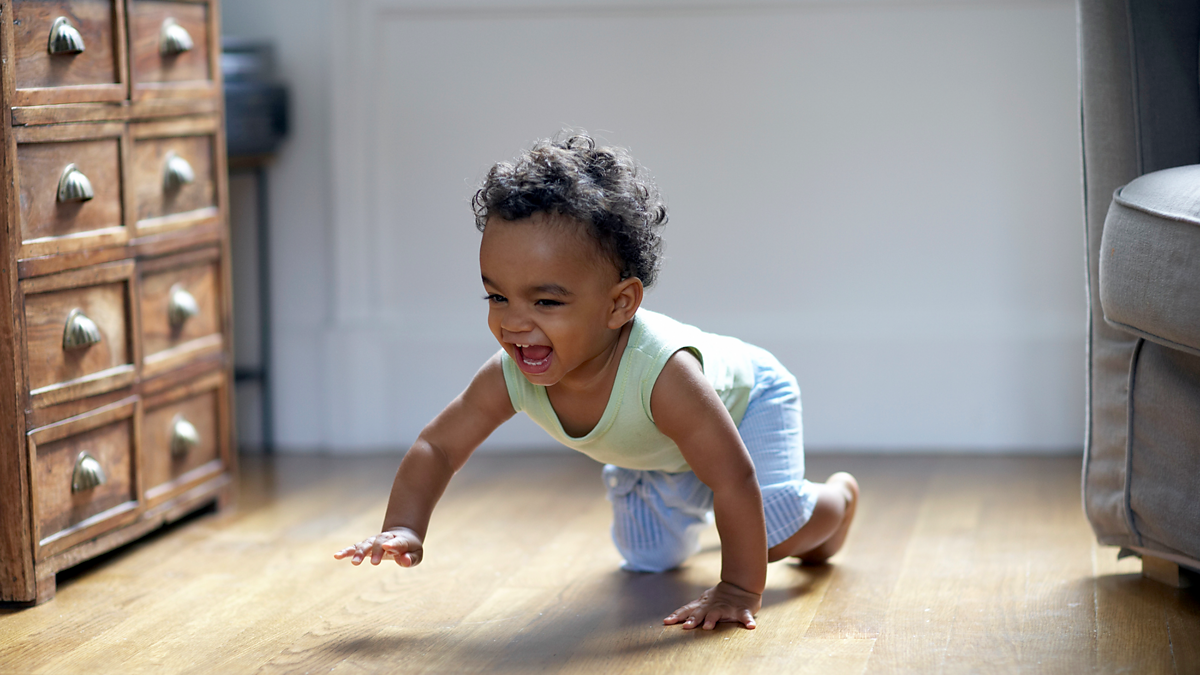
- Hands-and-knees crawl: classic, alternating hand and knee movement.
- Army crawl: belly stays on the floor while baby pulls forward with the arms.
- Scooting: sitting or bottom-first movement using feet to push.
- Bear crawl: weight on hands and feet with hips high; often stronger babies use this.
- Cruise and walk: some babies pull to stand and cruise along furniture before they crawl.
All these patterns answer broader questions about what age do babies start crawling by showing that style varies. The key is self-initiated, independent movement.

How to Encourage Safe Crawling at Home
Small changes at home can make a big difference. Practical tips I’ve used with families:
- Increase daily tummy time. Start with short, frequent sessions and keep them playful.
- Place favorite toys just out of reach to motivate forward movement.
- Create a safe floor space by removing small objects and using a soft mat or rug.
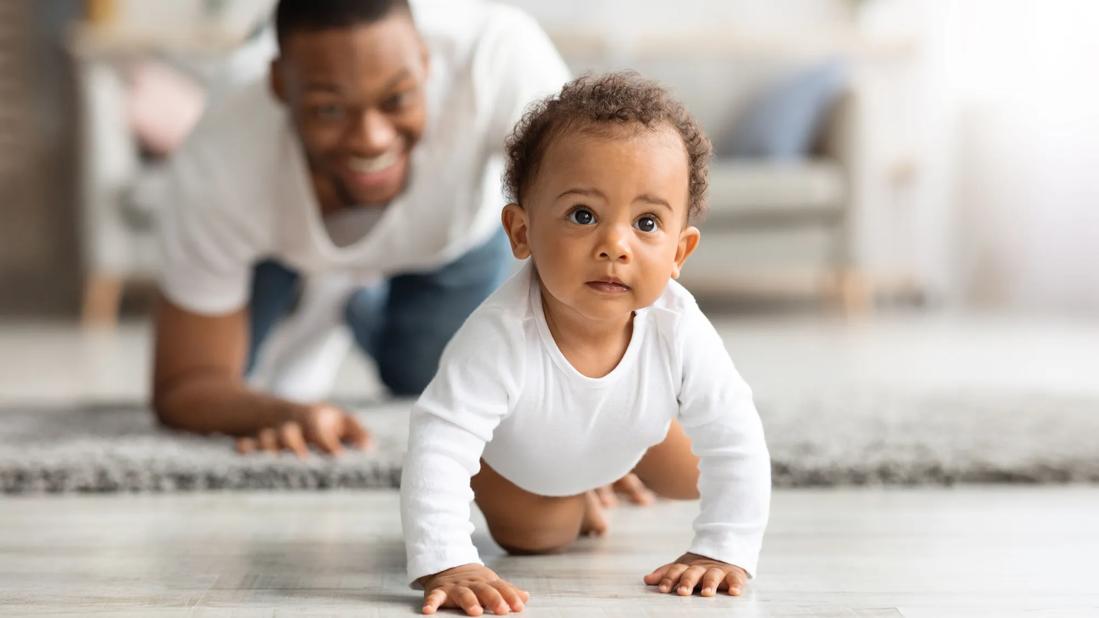
- Model reaching and crawling: get down at baby’s level and use voice and smiles to guide them.
- Limit time in bouncers and seats that reduce floor practice.
Personal note: I once recommended tummy time games to a tired new parent. After a week of two-minute sessions several times daily, their baby began rocking and then crawling within three weeks. The change was consistent and simple.

When to Be Concerned and When to Seek Help
You don’t need to panic if your baby is late, but watch for clear red flags:
- No head control by 4 months or no rolling by 6 months.
- Very stiff or very floppy muscle tone.
- Little to no interest in moving toward toys by 9–10 months.
- Asymmetric movement or consistently using only one side of the body.
If you’re worried about what age do babies start crawling in your child’s case, talk with your pediatrician. They may recommend a developmental screen, physical therapy evaluation, or monitoring plan. Early referral can help when there are real delays, and most interventions are simple and effective.
PAA-style Questions
Can some babies skip crawling?
Yes. Many babies skip the classic hands-and-knees crawl and move by scooting, rolling, or cruising. Skipping crawling is not automatically a problem if movement is functional and progressive.
Does crawling predict walking time?
Not directly. Crawling helps strength and coordination, but babies often walk on their own schedule regardless of crawling. Timing depends on many factors beyond crawling.
Should I push my baby to crawl earlier?
Gently encourage practice with tummy time and safe floors, but avoid forcing positions. Babies develop at their own pace and responsive encouragement works best.

Frequently Asked Questions of what age do babies start crawling
What is the average age babies start crawling?
Most babies start crawling between 6 and 10 months. Some begin earlier or later and still fall within a healthy range.
Is crawling necessary before walking?
No. Crawling is helpful but not strictly required before walking. Some children skip crawling and still develop normal walking patterns.
My baby scoots instead of crawling. Is that okay?
Yes. Scooting is a valid way of moving and offers similar benefits in strength and independence. Ensure the baby has opportunities for varied movement and tummy time.
When should I worry about delayed crawling?
Consider evaluation if your baby shows no purposeful movement toward toys by about 9–10 months or has other developmental concerns. Early assessment can clarify next steps.
Can toys or equipment speed up crawling?
Toys that motivate reaching and crawling can help, but equipment that keeps babies upright too long may reduce floor practice. Use motivating toys and supervised floor time instead.
Conclusion
Crawling typically begins between 6 and 10 months, but the real focus should be on progress, not a single date. Watch for readiness signs, give safe opportunities for practice, and consult a pediatrician if you see red flags. Try a few simple steps this week: add short tummy-time sessions, place a favorite toy just out of reach, and create a clear floor space for exploration. Share your observations with your healthcare provider and connect with other parents for support. If this guide helped, leave a comment or subscribe for more practical parenting tips.