
You can usually tell the gender of a baby by ultrasound between 18 and 22 weeks.
I’ve helped many expectant parents understand their options and timing for finding out their baby's sex. This article explains when can you tell the gender of a baby, how different tests work, what affects accuracy, and practical tips to make the process smooth and sure. I’ll share clinical facts, real-world experience, and easy steps so you can decide when and how to learn your baby’s gender with confidence.

How fetal sex is determined
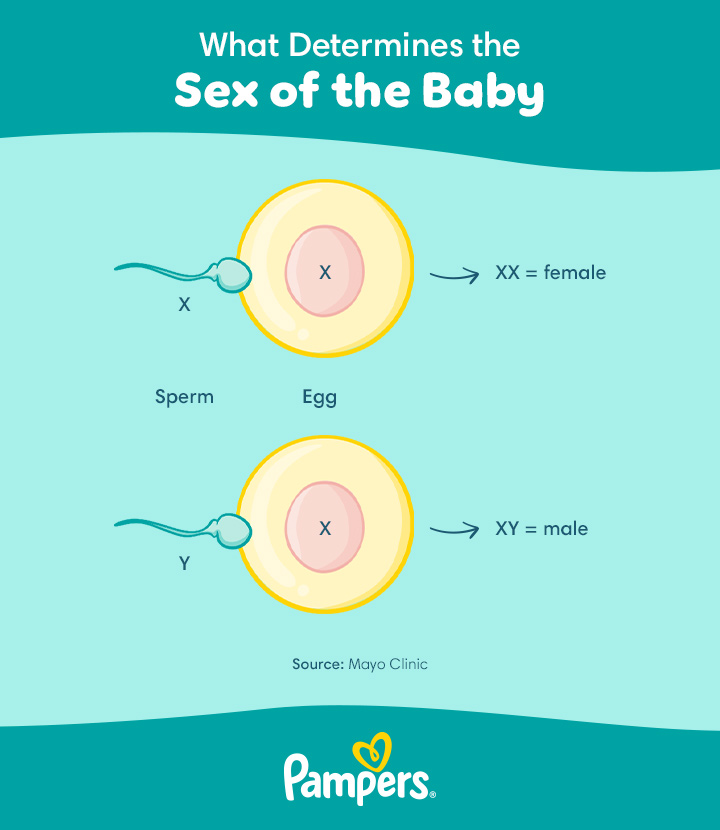
Fetal sex is set at conception when the sperm’s chromosome combines with the egg. An embryo with XY chromosomes typically develops male anatomy. An embryo with XX chromosomes typically develops female anatomy. External genitalia start to form around 9 to 12 weeks and become easier to see later in pregnancy, which is why timing matters when asking when can you tell the gender of a baby.
Common methods and when they can tell the gender
There are several ways to learn a baby’s sex. Each method has its own timing, accuracy, and trade-offs. Below are the main options you will hear about when wondering when can you tell the gender of a baby.
Ultrasound (anatomy scan)
- Timing: Commonly between 18 and 22 weeks.
- Accuracy: Around 95% to 99% when anatomy is clear and the baby cooperates.
- Notes: Accuracy depends on fetal position, the technician’s skill, and maternal body type.
Noninvasive prenatal testing (NIPT) or cell-free DNA
- Timing: From about 9 to 10 weeks of pregnancy.
- Accuracy: Greater than 99% for detecting sex chromosomes in many labs.
- Notes: This is a blood test that screens fetal DNA in the mother’s bloodstream. It’s mainly used for chromosomal screening but also tells sex early.
Chorionic villus sampling (CVS)
- Timing: Usually 10 to 13 weeks.
- Accuracy: Near 99% when testing fetal chromosomes.
- Notes: CVS is invasive and carries a small risk of miscarriage. It’s done for diagnostic reasons, not routine sex discovery.
Amniocentesis
- Timing: Usually 15 to 20 weeks.
- Accuracy: Near 99% for chromosomal and karyotype results.
- Notes: Like CVS, amnio is diagnostic and invasive. It is very accurate but used when there is a medical reason.
Early or elective scans and home methods
- Timing: Some clinics offer 12-week scans or “gender reveal” ultrasounds as early as 12–14 weeks.
- Accuracy: Lower than mid-pregnancy anatomy scans. Early scans are more likely to be wrong.
- Notes: At-home testing kits that claim to tell sex early use the same cell-free DNA principle. Verify lab quality before relying on results.
When deciding when can you tell the gender of a baby, consider accuracy needs, timing preferences, and whether you want medical confirmation or an early hint.

Accuracy, limitations, and factors that affect timing
Knowing when can you tell the gender of a baby involves understanding limits. No method is perfect in every situation.
- Fetal position: If the legs are crossed or the baby faces the spine, ultrasound views can be blocked.
- Gestational age: Before 12 weeks, external genitalia may not be distinct enough for reliable ultrasound determination.
- Maternal body habitus: Higher maternal BMI can reduce ultrasound image clarity.
- Operator skill and equipment: High-resolution machines and experienced sonographers improve success.
- Biological exceptions: Rare chromosomal variations and intersex conditions can make genetic sex and anatomy differ.
Noninvasive tests like NIPT are very accurate for chromosomal sex. Ultrasound is highly accurate at 18–22 weeks but less so earlier. Invasive tests (CVS and amnio) are diagnostic and nearly definitive but carry procedure risks. Be transparent with your provider about why you want to know and pick the test that fits your needs.

Personal experience and practical tips
From working with parents and clinics, I’ve learned a few practical lessons about when can you tell the gender of a baby.
- Wait for the right timing: If you want high certainty, schedule the anatomy scan at 18–22 weeks. Early excitement is natural, but waiting reduces surprises.
- Ask what the clinic offers: Some centers provide NIPT as part of screening. Ask when results are available and how they report sex.
- Prepare questions for the sonographer: Ask how confident they are, and whether the scan is for anatomy only or includes sex determination.
- Be ready for rechecks: If the baby’s position hides the anatomy, plan a brief follow-up scan.
- Keep expectations flexible: I’ve seen early scans confidently report one sex and later scans show the opposite. That happens when anatomy is still developing or was misread.
These practical steps make it easier to plan a reveal, announcement, or just satisfy curiosity about when can you tell the gender of a baby.

Ethical, cultural, and emotional considerations
Finding out the sex of a baby can be joyful. It can also raise ethical and cultural questions.
- Family expectations: In some cultures, there is pressure to learn or prefer a specific sex. Be aware of your values and legal restrictions where relevant.
- Selective testing: Medical testing should not be used for sex selection. Many providers will counsel against nonmedical uses of invasive tests.
- Emotional impact: Unexpected results can cause stress. Prepare emotionally and have support systems ready.
- Privacy: Decide who you want to tell and when. Some parents prefer to keep gender private until birth.
When deciding when can you tell the gender of a baby, balance curiosity with the ethical and emotional implications.

Frequently Asked Questions of when can you tell the gender of a baby
How early can a blood test tell the gender of a baby?
Blood tests like NIPT can typically identify fetal sex from about 9 to 10 weeks with high accuracy. Results are usually available within a few days to two weeks depending on the lab.
Is an ultrasound at 12 weeks reliable for sex determination?
An ultrasound at 12 weeks can give an early guess, but it is less reliable than the anatomy scan at 18–22 weeks. Waiting until the mid-pregnancy scan improves accuracy significantly.
Can the baby’s position affect when can you tell the gender of a baby?
Yes. Fetal position is a common reason an ultrasound cannot determine sex. If the legs are tucked or the baby faces away, the view may be blocked and a re-scan may be needed.
Are at-home gender tests accurate?
At-home tests that analyze cell-free fetal DNA can be accurate if they use certified labs and follow proper timing guidelines. Check lab accreditation and instructions before trusting results.
Will invasive tests be done only to find out gender?
No. Invasive tests like CVS and amniocentesis are diagnostic and typically performed for genetic concerns, not solely to determine sex. They carry a small risk and should be used for medical reasons.
Conclusion
You can often learn a baby’s gender through noninvasive tests as early as 9–10 weeks or by ultrasound at 18–22 weeks for the most reliable visual answer. Choose the method that fits your need for timing, accuracy, and medical context. Plan ahead, ask clear questions, and expect that occasional rechecks may be needed. If you’re eager to know, talk to your care provider about NIPT or schedule the mid-pregnancy anatomy scan. Share your plans, subscribe for updates, or leave a comment about your experience—your story may help others decide when can you tell the gender of a baby.