
Most parents reliably learn their baby's sex between 10 and 20 weeks, depending on the test.
As an experienced maternity writer and former clinic coordinator, I’ll walk you through exactly when do you find out gender of baby, how each method works, what affects accuracy, and practical tips from real clinic experience. This guide blends clear medical facts, simple timelines, and hands-on advice so you can plan with confidence—whether you want an early answer or prefer to wait for a surprise.

How gender is determined biologically
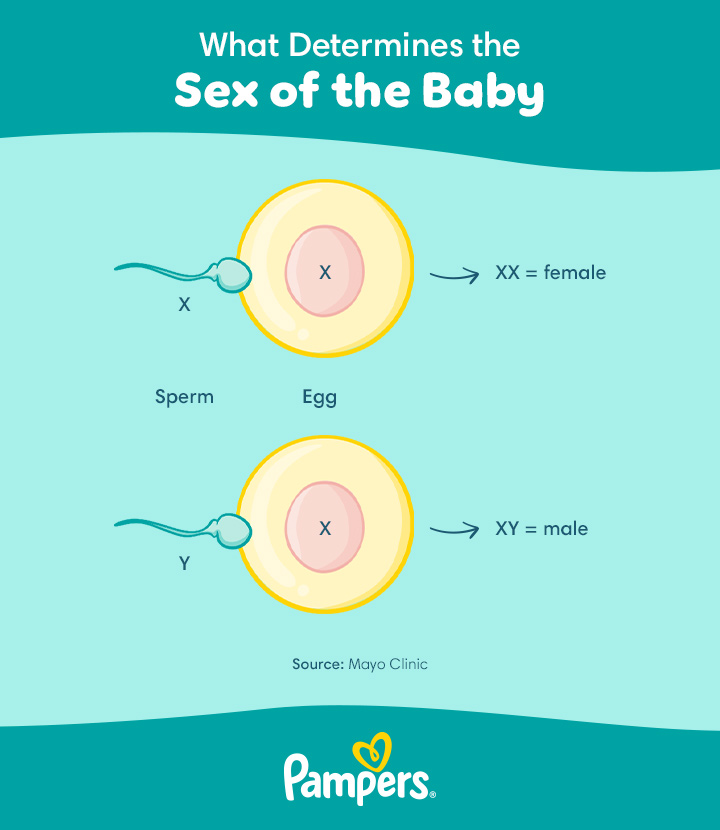
The sex of a baby is set at conception. Sperm carry either an X or a Y chromosome; the egg always contributes an X. If the sperm brings an X, the embryo is XX (typically female); if it brings a Y, the embryo is XY (typically male). This simple genetic fact is why tests that read fetal DNA can tell you sex early.

Common medical methods to find out gender of baby
Here are the main clinical ways to learn sex and roughly when they can be used.
Ultrasound (anatomy scan)
- Timing: Usually 18 to 22 weeks for reliable anatomy views.
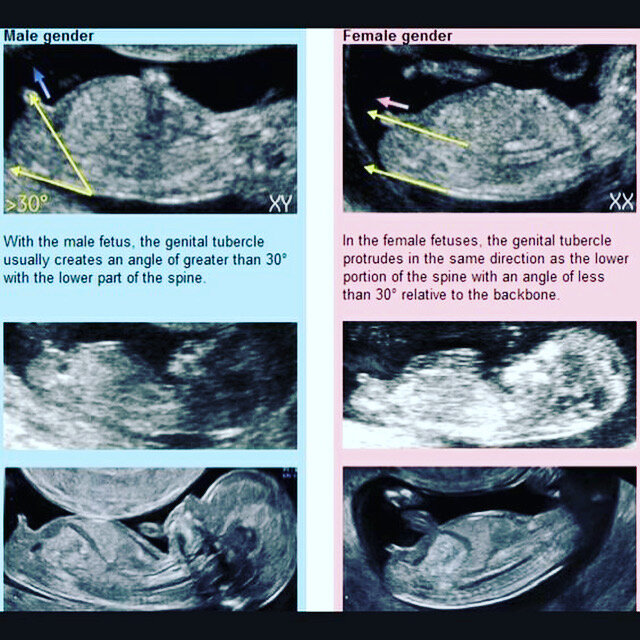
- What it shows: Visual clues like genital anatomy and overall fetal development.
- Accuracy: Often 95%+ when done at the right time and with a clear view, but lower earlier or in tricky situations.
Noninvasive prenatal testing (NIPT / cell-free DNA)
- Timing: From about 9 to 10 weeks onward.
- What it shows: Detects fetal DNA in the mother’s blood and can report presence of Y chromosome material.
- Accuracy: Very high for sex determination (over 99% in many labs), but not perfect; rare biological causes can confuse results.
Chorionic villus sampling (CVS) and amniocentesis
- Timing: CVS around 10–13 weeks; amniocentesis around 15–20 weeks.
- What they do: Directly sample fetal cells for genetic testing. Primarily used to check for chromosomal conditions.
- Accuracy: Definitive for sex because they test fetal chromosomes, but these are invasive and used for medical reasons, not routine sex checks.
At‑home egg/sperm or calendar “tests”
- Timing: Varies; many claim early results.
- What to expect: Many home kits or old wives’ methods are unreliable. Only validated lab tests (NIPT, CVS, amnio) and good ultrasound are trustworthy.

PAA-style quick questions
Can you find out gender at 12 weeks?
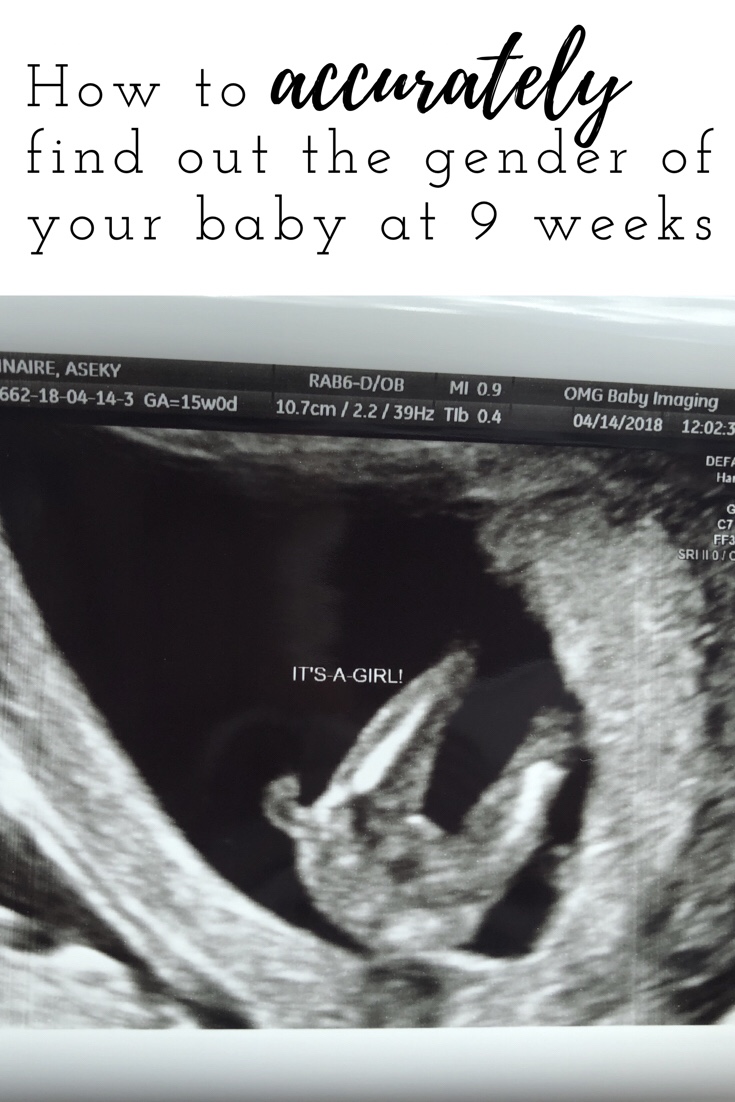
Yes, NIPT can indicate sex as early as 9–10 weeks, and some ultrasound technicians may attempt identification at 12 weeks, though accuracy is lower than later scans.
Is ultrasound accurate for gender at 20 weeks?
Yes, ultrasound at 18–22 weeks is the most common noninvasive time and generally yields highly accurate results when conditions are favorable.
Timeline: when do you find out gender of baby (week-by-week guide)
This quick timeline helps you pick a method that matches how soon you want to know.
- 9–10 weeks
- NIPT can show fetal sex by detecting Y chromosome fragments in maternal blood.
- 11–14 weeks
- Early ultrasounds may try to identify sex, but accuracy varies.
- CVS around 10–13 weeks gives definitive answers if done for medical reasons.
- 15–20 weeks
- Amniocentesis (if clinically indicated) gives definitive information.
- Anatomy ultrasound at 18–22 weeks is the standard noninvasive check and often used to reveal sex.
- After 20 weeks
- Ultrasound accuracy generally improves as the fetus grows and positioning improves.
Use this timeline to decide whether early answers (NIPT) or the standard anatomy scan fits your needs.
Accuracy, limitations, and factors that affect results
Even with good tests, some things can lower confidence or cause errors.
- Maternal body habitus
- Higher BMI can reduce ultrasound image quality and make visualization harder.
- Fetal position and movement
- The baby’s pose can hide genitalia during an ultrasound, causing an inconclusive result.
- Multiple pregnancies
- Twins or higher-order multiples complicate both ultrasound views and DNA-based testing.
- Biological anomalies and mosaicism
- Rare genetic mosaics or chromosomal anomalies can produce ambiguous results.
- Vanishing twin or maternal conditions
- DNA from another fetus or unusual maternal chromosome fragments can mislead NIPT labs.
- Operator and lab skill
- Experience of the ultrasound tech and the lab conducting NIPT influence accuracy.
Expectation management is key: no test is 100% reliable in every situation. For the most reliable answer, invasive testing gives definitive chromosomal evidence, but it is used for medical indications.

Myths, old wives’ tales, and non-medical “signs”
People love guessing sex with fun myths, but these are not reliable.
- Myths that don't work
- Carrying high vs. low, heart rate differences, the shape of the belly, and cravings do not predict sex reliably.
- Why they persist
- They’re simple stories that feel personal. They can be fun but should not replace medical tests.
If you enjoy the folklore, treat it as entertainment. Use clinical tests when accuracy matters.

Personal experience and practical tips from the clinic
I worked in prenatal care coordination and have sat with many parents while they waited to learn sex. Here are honest tips I learned.
- If you want to know early, choose NIPT around 10 weeks. It’s quick and very accurate for sex.
- For a “gender reveal” via ultrasound, schedule the 20-week anatomy scan and request the tech to note the sex only if they’re confident.
- Don’t be afraid to ask for a second look if the image is unclear—technicians often try different angles or suggest a follow-up.
- Keep expectations realistic: I’ve seen high-BMI patients and awkward fetal positions lead to surprise outcomes at birth.
- Mistake to avoid: announcing too widely after an early test without confirming through later scans if you rely on ultrasound alone.
These tips are practical. They helped many parents avoid surprises and made planning smoother.
Ethical, legal, and cultural considerations
Knowing when do you find out gender of baby can intersect with ethics and law in some places.
- Sex-selective concerns
- In some countries, revealing fetal sex early may be restricted to discourage sex-selective termination.
- Privacy and data
- Genetic test results are sensitive; confirm how your lab or clinic stores and shares your information.
- Cultural practices
- Family expectations around gender can be strong. Decide in advance how and when you’ll share information.
If you have ethical or legal questions, discuss them with your provider or a genetic counselor.
Planning after you find out gender of baby
Once you know, practical next steps help you prepare.
- Preparing the nursery and registry
- Use the knowledge to choose a name, buy clothing, and set up a registry if you want specific items.
- Announcements and privacy
- Plan who to tell and how. Some parents opt for private sharing before public announcements.
- Keep options open
- Even with known sex, baby may not conform to gender expectations. Prepare for flexibility in language and items.
Small planning actions reduce stress and make the next months smoother.
Frequently Asked Questions of when do you find out gender of baby
When is the earliest you can reliably know the gender of the baby?
Noninvasive prenatal testing can reliably indicate fetal sex from about 9–10 weeks, with high lab accuracy; ultrasound becomes more reliable after 18 weeks.
Can the gender change after a test says one thing?
Sex chromosomes don’t change, but rare lab error, mosaicism, or a vanishing twin can make an early test misleading; invasive testing provides definitive chromosomal results.
What if the ultrasound technician says they can’t tell the sex?
Ask to reschedule for another time or request a follow-up scan. Fetal position or lower image quality often improves in a few weeks.
Is it safe to find out the gender early with NIPT?
Yes, NIPT is a blood test and is safe. It analyzes fetal DNA fragments and can give reliable sex information, though follow-up testing is recommended for medical concerns.
Should I wait to know the gender, or find out early?
This depends on personal preference. If you want time to plan, early tests help; if you prefer a surprise, waiting for birth preserves that excitement.
Conclusion
Knowing when do you find out gender of baby depends on the test you choose: NIPT can tell you as early as 9–10 weeks, while the routine ultrasound anatomy scan usually reveals sex at 18–22 weeks. Each option balances timing, accuracy, and purpose—NIPT is early and highly accurate, ultrasound is standard and visual, and invasive tests are definitive but used for medical reasons. Be mindful of factors like BMI, fetal position, and multiple pregnancies that affect results.
Trust your provider, ask questions, and pick the path that fits your comfort level. If you want an early answer, schedule NIPT and confirm with later imaging; if you prefer a surprise, set that boundary with family and your care team. Share your choice, subscribe for more prenatal tips, or leave a comment about your own experience—your story can help others decide.