
Most babies roll from back to belly between 4 and 6 months of age.
As a pediatric clinician and parent coach, I’ve tracked infant motor milestones for years and guided dozens of families through the noisy, exciting period when little ones learn to roll. This article explains when do babies roll from back to belly, why timing varies, how to spot readiness, safe ways to encourage rolling, and when to check with your pediatrician. Read on for practical tips, clear timelines, and real-world examples that help you support your baby’s first big motor milestones.
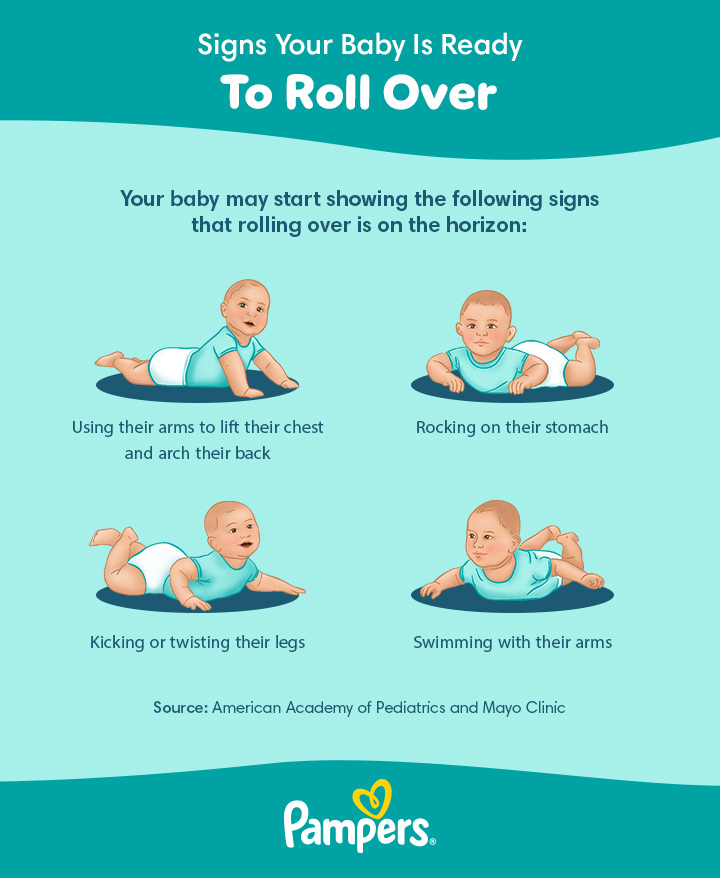
Typical timeline: when do babies roll from back to belly
Most babies begin rolling from back to belly around 4 to 6 months. Some do it a little earlier, and a few take longer. Rolling is part of a sequence of motor skills that includes head control, pushing up on arms, and shifting weight. Remember that each baby follows their own pace.

Why the age range varies
Babies develop at different rates. Genetics, tummy-time practice, muscle tone, and temperament all matter. Premature infants often reach milestones later, based on corrected age. Some infants prefer sitting or observing and delay rolling a bit without any medical problem. When do babies roll from back to belly depends on this mix of factors.

Developmental signs that rolling is coming
Watch for these signs before your baby rolls:
- Improved head control: steady head when upright.
- Stronger arms: pushes up on forearms during tummy time.
- Side-to-side movement: shifts weight and reaches across midline.
- Curled knees and hips: helps create momentum to roll.
These signs usually appear in the months before rolling. Spotting them helps answer when do babies roll from back to belly for your child.

How to encourage rolling safely
Practice and patience are key. Use short, daily sessions and make activities fun.
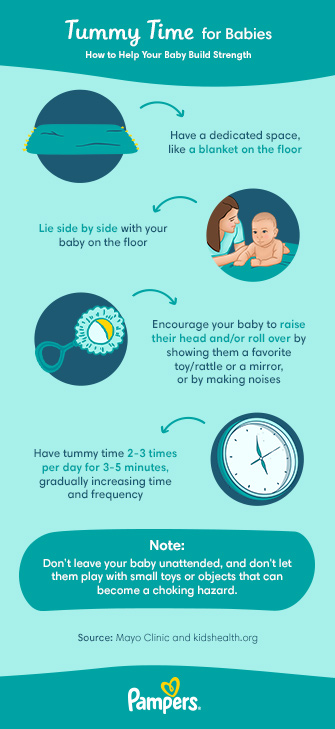
- Give tummy time daily: start with a few minutes and build up to several short sessions.
- Use toys: place a toy just out of reach to prompt reaching and rolling.
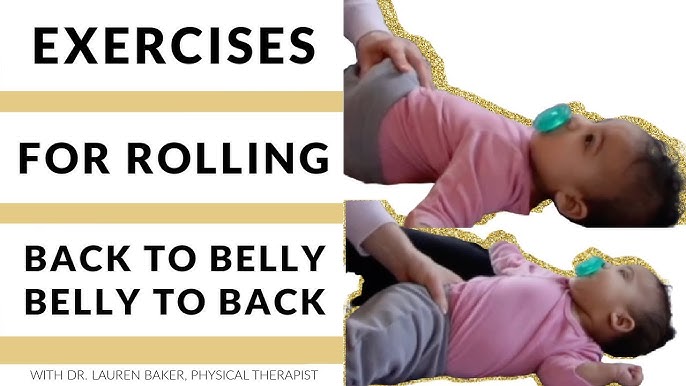
- Gentle guidance: roll your baby gently during play to show the motion.
- Increase variety: practice on different safe surfaces like a blanket on the floor.
Avoid forcing rolls by turning your baby repeatedly. Gentle modeling and regular practice help most infants learn when do babies roll from back to belly.

Safety tips for rolling and sleeping
Rolling changes sleep and safety routines. Families should know the basics.
- Supervise awake play: always watch your baby during tummy time and rolling practice.
- Sleep on back: continue placing babies on their backs to sleep until a provider advises otherwise.
- Remove hazards: keep loose blankets, pillows, and soft toys out of baby’s sleep area.
- Crib safety: lower mattress and avoid bumpers or soft bedding that may trap a rolling infant.
When a baby rolls independently and reliably, you can adapt sleep positioning with pediatric advice. Until then, follow safe-sleep guidelines even after your baby begins to roll.
When to worry: developmental red flags
Most variation is normal, but check with a pediatrician if you notice:
- No head control by 3 months.
- Little or no push-up during tummy time by 4 months.
- Asymmetry: one side weak or one arm not used.
- Stiff or floppy muscles that limit movement.
If you wonder when do babies roll from back to belly and your baby shows these signs, seek evaluation. Early therapy can help if needed.
My experience and practical tips
I once worked with a family whose first baby rolled at 3 months and whose second didn’t roll until 6 months. Both were healthy. The difference came down to tummy-time routine and temperament. Practical lessons:
- Start gentle tummy time from day one.
- Make short sessions enjoyable with songs and toys.
- Celebrate small gains like reaching, shifting, and pushing up.
These simple habits helped both babies gain the strength and coordination to roll when they were ready.

PAA-style questions (quick answers)
How do I know my baby is ready to roll?
Look for steady head control, pushing up on arms, and reaching across the body. These are strong clues that rolling will come soon.
Can I push my baby to roll faster?
No. Gentle encouragement helps, but forcing movements may stress your baby and does not speed natural development. Keep practice playful.
Does tummy time cause rolling?
Tummy time builds the neck, shoulder, and core strength needed for rolling. Regular tummy time supports when do babies roll from back to belly.

Frequently Asked Questions of when do babies roll from back to belly
When is it normal for a baby not to roll by 6 months?
Many babies roll by 6 months, but some take a little longer. If your baby has other developmental delays or abnormal muscle tone, check with a pediatrician.
Should I be worried if my baby rolls one way but not the other?
Asymmetry can be normal early on. Persistent preference for one side or weakness on one side should be evaluated by your pediatrician.
How much tummy time do babies need to roll?
Aim for several short tummy-time sessions daily totaling 20 to 30 minutes by the middle of the first year. Gradual increases help build strength.
Can rolling affect sleep safety?
Yes. Even if a baby rolls, continue to place them on their back to sleep until advised otherwise. Monitor sleep setup to prevent suffocation risks.
When should I call a doctor about motor delays?
Contact a doctor if your baby lacks head control by 3 months, does not push up by 4 to 5 months, or shows uneven movements. Early assessment is important.
Conclusion
Understanding when do babies roll from back to belly helps you set expectations and support your baby confidently. Watch for head control, pushing up, and weight shifts as signs that rolling is near. Keep tummy time fun, follow safe sleep rules, and check with your pediatrician if you see persistent delays or asymmetry. Try these tips at home, track progress, and share your experiences with other parents—small daily steps help babies reach their milestones. If this guide helped you, subscribe for more practical parenting tips or leave a comment with your baby’s rolling story.