
Babies typically start kicking between 16 and 25 weeks of pregnancy, often felt by 20 weeks.
I’ve guided dozens of expectant parents and watched many pregnancies progress, so I know how electric and reassuring those first movements can feel. This article explains when do babies start kicking, what those kicks mean, how timing can vary, and practical steps you can take to recognize and track movements. Read on for clear timelines, simple tracking methods, safety cues, and friendly, evidence-aligned advice you can use right away.
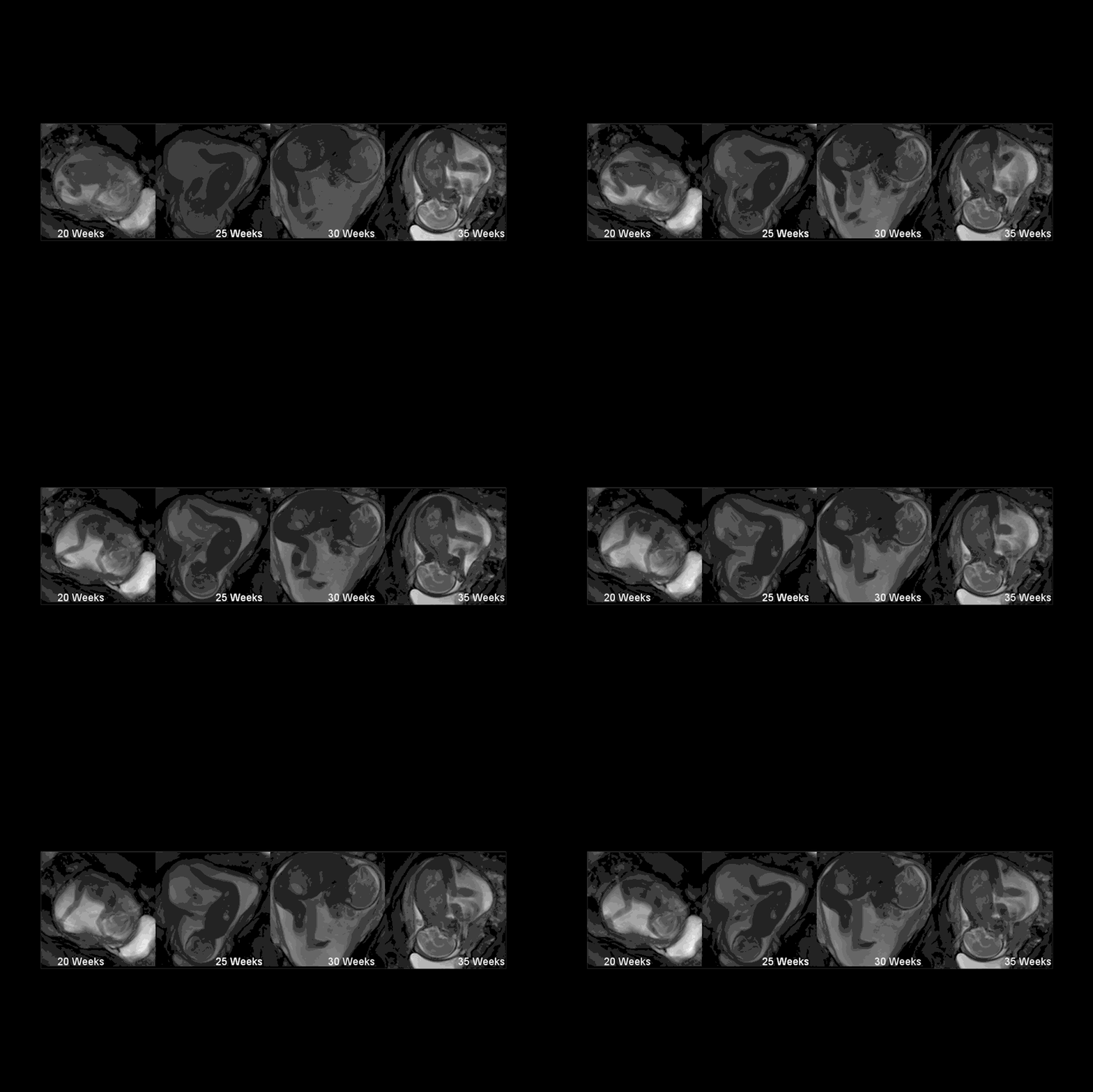
Typical timeline: when do babies start kicking
Most parents wonder exactly when do babies start kicking and what “kick” really means. Here’s a clear timeline that covers common ranges and what to expect at each stage.
- Weeks 7–8: Tiny fetal movements begin, but they are too small for the mother to feel.
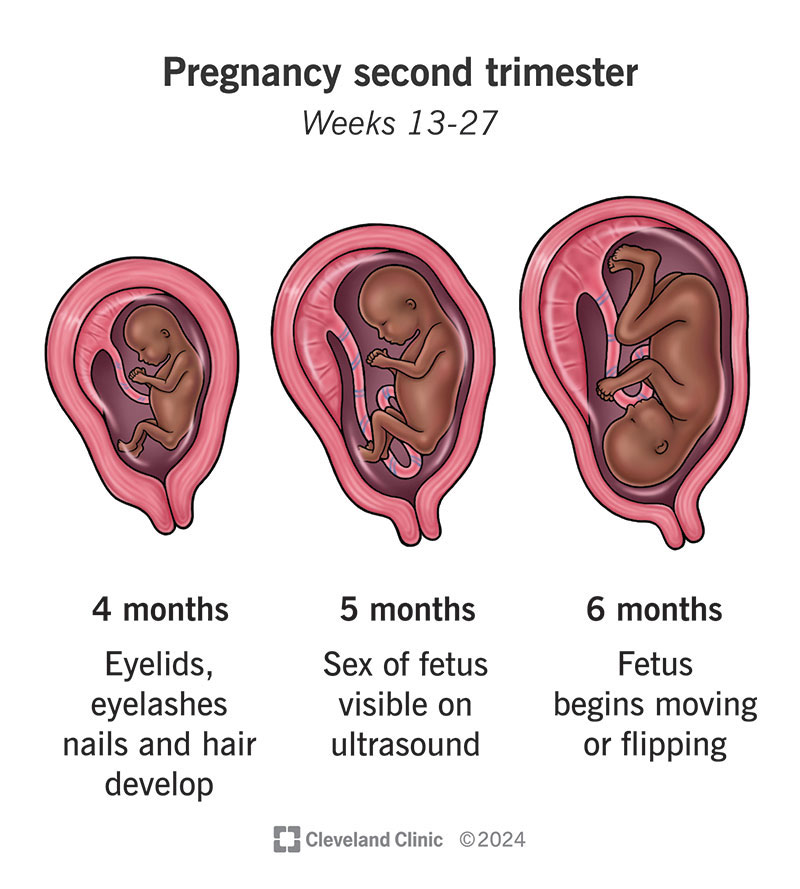
- Weeks 16–20: Many first-time parents begin to notice light flutters or “butterflies.” This window is the most common period when people ask when do babies start kicking.
- Weeks 20–24: Movements become stronger and more distinct. By 24 weeks, kicks are more regular and easier to track.
- Weeks 28–32: Movements are frequent and powerful. Many parents can see kicks from the outside of the belly.
- Weeks 34–40: Space gets tight; kicks may change to rolls and shifts rather than big flails.
Keep in mind that when do babies start kicking varies by pregnancy. Some people feel action as early as 13 weeks, especially if they’ve been pregnant before. First pregnancies often see movement a bit later.
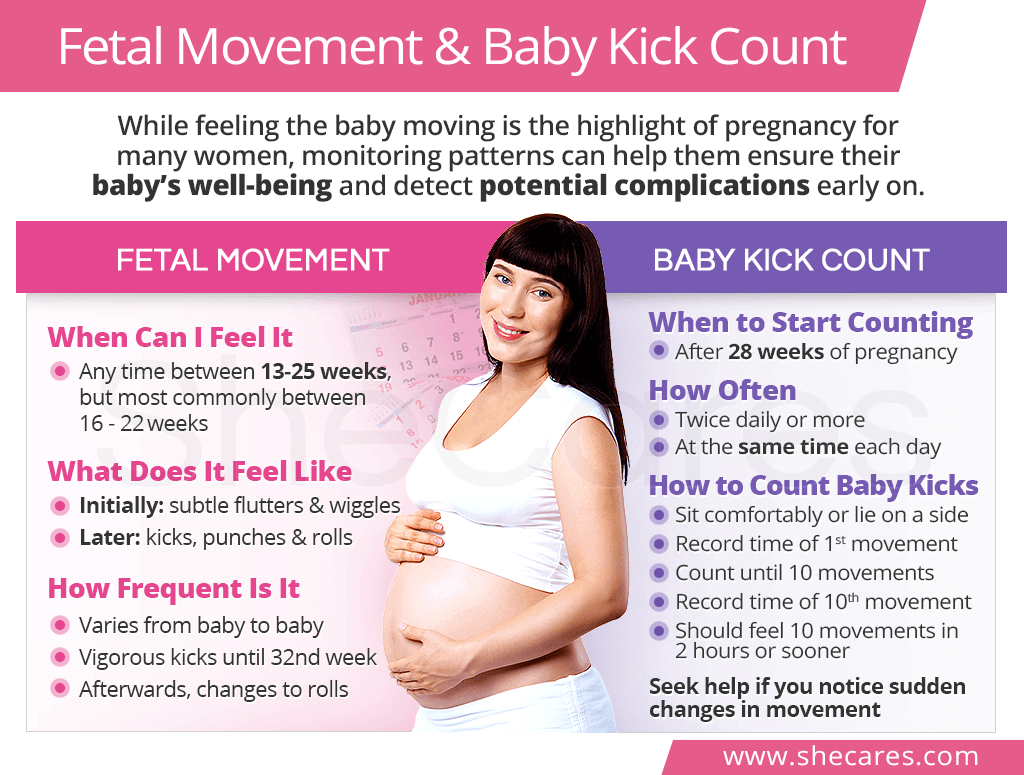
What fetal movements feel like and how to recognize them
Understanding the quality of movement helps answer when do babies start kicking in a practical way. Movements change in type and strength over time.
- Flutter: A soft, tickling sensation that feels like gas bubbles. Common around 16–20 weeks.
- Kick: A sharp, distinct push you can feel against fingers on the belly. Typical after 20 weeks.
- Roll: A slow, flowing movement as the fetus shifts position. Often felt in the third trimester.
- Jabs: Quick, strong stabs usually from arms or legs. Can feel surprising but are normal.
Tips to notice movement:
- Lie on your side and relax for 15–30 minutes. Movement is easier to detect when you’re still.
- Try a light snack or cold drink; these sometimes prompt activity.
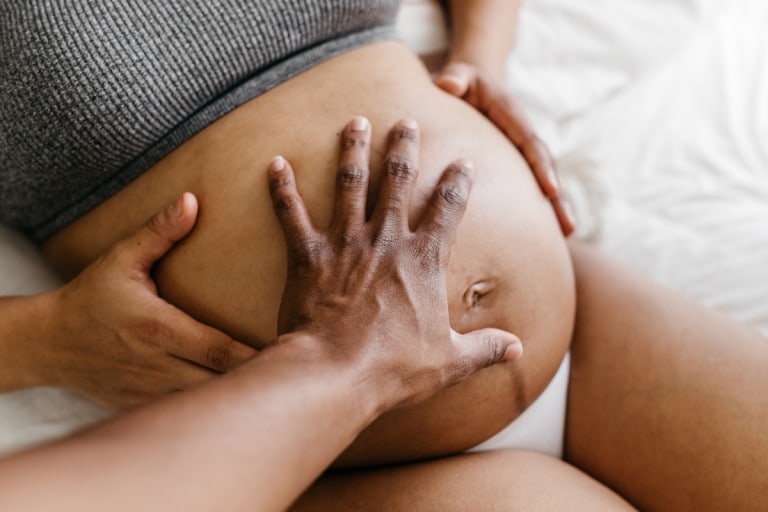
- Place your hand on your belly to feel where the baby moves most.
Factors that affect when babies start kicking
Many factors influence when do babies start kicking. Knowing these helps set realistic expectations.
- Placenta position: An anterior placenta (front-facing) can cushion movements, making kicks feel later or lighter.
- Maternal body type: Higher body fat or abdominal muscles might change how movement feels.
- Fetal position: If the baby faces the spine, movements may feel less strong.
- Pregnancy number: People with prior pregnancies often feel movement earlier.
- Activity and time of day: Babies often move more when the parent rests or in the evening.
Remember, variation is normal. If you’re worried that you’re not feeling movement at the expected time, your provider can check fetal heart tones or do an ultrasound for reassurance.
How to track kicks: counting and what to expect
Tracking movement answers the “when do babies start kicking” question in a practical, safety-focused way. Kick counts are simple and useful.
How to do a basic kick count:
- Pick a time when your baby is usually active, often after meals or in the evening.
- Sit or lie on your left side and note the time.
- Count distinct movements until you reach 10. Aim to count 10 movements within 2 hours.
What to expect:
- After about 28 weeks, most babies will achieve 10 movements within 1–2 hours.
- You may notice daily patterns: some babies are nap-time sleepers, others party animals after dinner.
When tracking, record times and patterns. This helps you and your provider spot changes and trends over days.

When to contact your healthcare provider
Knowing when do babies start kicking includes knowing when a change requires action. Movements are a key fetal wellbeing sign.
Call your provider if:
- You notice a big, sustained drop in regular movements.
- You cannot get any movement after gentle prompting like changing position or a snack.
- You feel fewer than half your normal movements in a day, especially after 28 weeks.
What the provider may do:
- Ask about your kick-count record and patterns.
- Use a Doppler or listen to the fetal heartbeat.
- Order an ultrasound or nonstress test to evaluate fetal activity and heart rate.
Timely calls are important. Most visits rule out problems quickly and provide peace of mind.

My experience and practical tips
From personal experience supporting families, I’ve learned simple habits ease anxiety and help detect meaningful changes.
Lessons I’ve learned:
- Keep a small notebook or phone note for kick counts. Patterns become clear quickly.
- Share feeling milestones with your partner. Feeling the baby together builds connection.
- Don’t compare too strictly to friends. Every baby’s timeline for when do babies start kicking differs.
Practical tips:
- Try darkening the room and lying quietly for 10–20 minutes to feel subtle moves.
- Use a timer: set a 2-hour window for counting, but aim to feel at least 10 movements in that time.
- If you’re early in pregnancy and eager to feel movement, be patient. Most reassuring fetal checks occur later when movement is more reliable.

Frequently Asked Questions of when do babies start kicking
When is it normal to first feel fetal movement?
Many people feel first movement between 16 and 25 weeks; by 20 weeks is common. Prior pregnancies often feel movement earlier.
Can an anterior placenta delay when I feel kicks?
Yes. An anterior placenta can cushion movements, making kicks harder to feel until later in pregnancy.
How often should a baby kick after 28 weeks?
After 28 weeks, many babies show regular activity and reach 10 movements within 1–2 hours during active periods. Patterns vary by baby and time of day.
Are decreased movements always a sign of trouble?
Not always, but decreased movements can signal concern. If you notice a clear drop or fewer movements than usual, contact your provider promptly.
What techniques help encourage fetal movement for tracking?
Lie on your side, drink a cold beverage, eat a small snack, and place hands on your belly. Quiet, still moments make movement easier to notice.
Conclusion
Feeling your baby move is one of pregnancy’s most vivid milestones. Knowing when do babies start kicking helps you set expectations, track fetal well-being, and know when to seek help. Use simple kick counts, note daily patterns, and trust your instincts—early action often brings quick reassurance. If this article helped, try tracking a kick count tonight, share your experience in the comments, or subscribe for more practical pregnancy guidance.