
Most babies begin rolling between 4 and 6 months, though some roll earlier or later.
I’ve worked with many new parents and child development specialists, and I know how worrying and exciting this milestone can feel. This article answers when do babies start rolling, explains the stages, shows how to encourage rolling safely, and highlights when to seek help. Read on for practical tips, real-life examples, and clear guidance you can trust.

Typical timeline: when do babies start rolling
Most babies show the first signs of rolling by 2 to 4 months. Early rolling often looks like a reflex or a sudden flop from tummy to back. By about 4 to 6 months many infants roll both ways—tummy to back and back to tummy. Some babies roll earlier, especially if they have strong neck and shoulder control. A few babies take a bit longer and still hit rolling by 6 to 7 months. Every baby is different, so use ranges, not exact dates, when you think about when do babies start rolling.

Why rolling matters
Rolling is more than a cute trick. It shows growing neck, shoulder, and core strength. It helps babies learn to shift their weight and coordinate limbs. Rolling also opens the door to sitting, crawling, and exploring. Tracking when do babies start rolling gives parents a useful snapshot of motor progress and helps spot delays early.

Signs and stages of rolling
Early signs
- Pushing up on arms while on tummy and turning the head to one side shows the body learning to shift weight.
- Twisting the hips or swinging a leg across the body are precursors to a full roll.
Tummy-to-back (often first)
- Babies often roll from tummy to back first because it is easier to arch and let gravity help.
- This usually appears around 2 to 4 months.
Back-to-tummy (often later)
- Rolling from back to tummy needs more core strength and usually shows up between 4 and 6 months.
- Babies who skip tummy-to-back and go straight to back-to-tummy are not uncommon.
Variations to expect
- Some babies roll earlier if they spend lots of awake time on the floor.
- Premature babies or babies with low muscle tone may reach rolling later, but they often catch up.

How to encourage rolling safely
Create a safe floor zone
- Use a firm, flat surface like a play mat on the floor rather than a soft bed.
- Limit time on elevated surfaces to avoid falls.
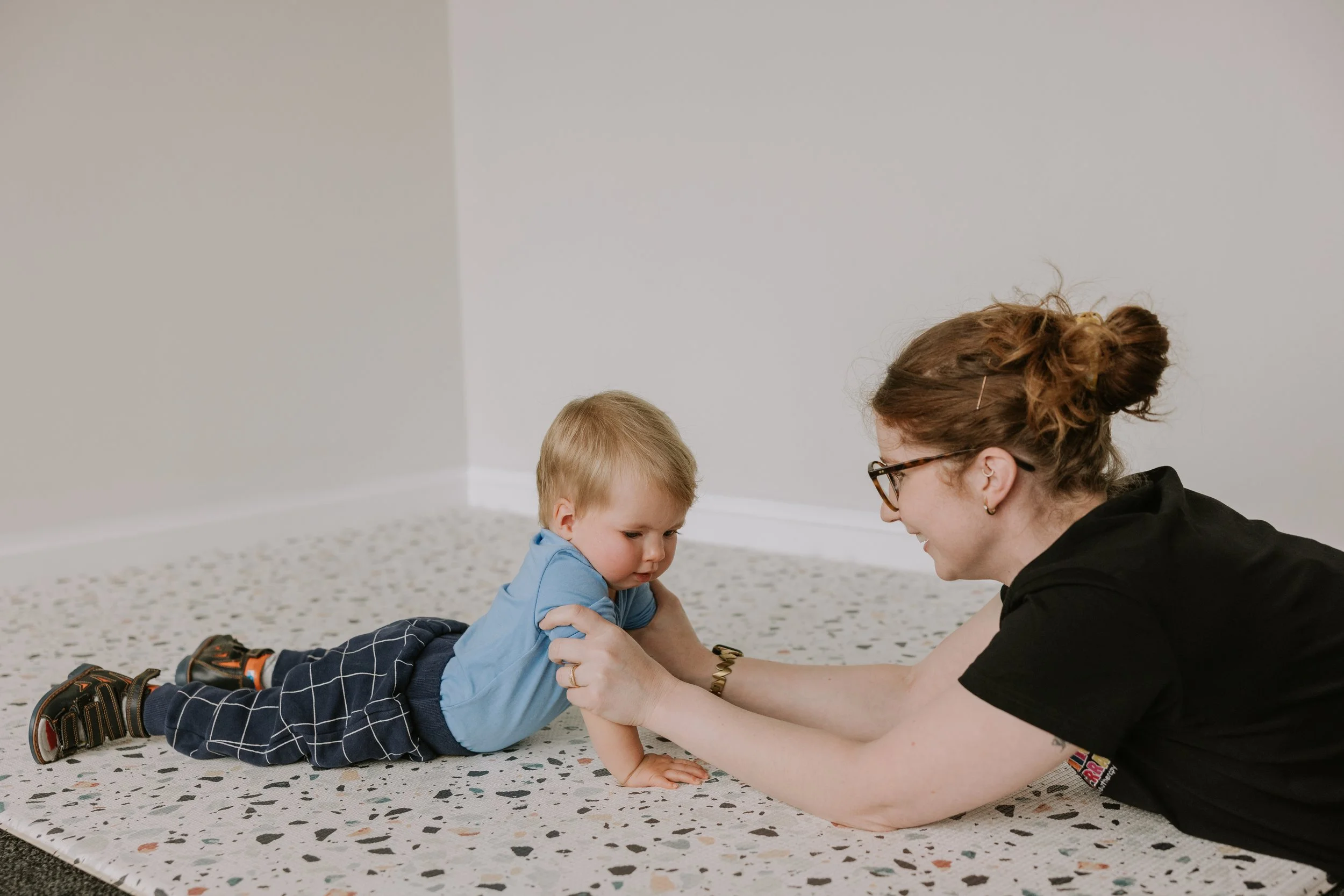
Practice tummy time
- Give short tummy sessions several times a day, starting from newborn days.
- Gradually increase tummy time as baby tolerates it to build strength.
Use engaging toys
- Place a toy just out of reach to motivate a baby to twist and reach.
- Move toys side to side to prompt rolling attempts.
Gentle guided practice
- Help the motion by guiding the hip and shoulder through a roll.
- Support the baby’s shoulders while they learn to rotate the hips.
Place them awake and supervised
- Let your baby try rolling while you watch closely. Cheer and celebrate small efforts.

When to worry and when to seek help
Watch the range, not a single date
- If your baby is not attempting to roll by about 6 months, bring it up with your pediatrician.
- If your child rolled early and then seems to lose motor skills, seek advice quickly.
Red flags
- Persistent floppy or rigid tone.
- Lack of head control by 4 months or not using arms to push up on tummy.
- No attempts to roll by 6 months or asymmetry (using only one side).
What to expect at a checkup
- A pediatrician will assess strength, reflexes, and developmental history.
- They may refer you to early intervention or a pediatric physical therapist if needed.

Safety: preventing falls and promoting safe exploration
Never leave a baby on a high surface unattended
- Babies who roll can fall from beds, changing tables, or sofas quickly.
- Always place babies in a safe area on the floor when practicing rolling.
Use supervised playtime for new skills
- Stay within arm’s reach when baby practices rolling near hazards.
- Remove small objects and clutter from the play zone.
Car seats and carriers
- Rolling is a floor skill; don’t use seats or carriers as practice surfaces.
- Give babies plenty of supervised time off devices to build real strength.

Related milestones and next steps after rolling
Rolling is a gateway skill
- After rolling, babies often learn to sit with less support.
- Crawling, scooting, and pulling to stand usually follow rolling.
How rolling affects sleep and routine
- Rolling can change how a baby falls asleep and how safe they are in unsupervised settings.
- Expect more movement during naps and check sleeping position safety.
What to track next
- Note when your child sits independently, crawls, and pulls to stand to see a clear motor trend.
- These markers help monitor overall development after you observe when do babies start rolling.
My experience and practical tips
I worked with many families where rolling was a turning point. One baby I worked with rolled tummy to back at 3 months, then took two more months to roll back to tummy. Parents felt worried at first, then relieved when the pattern became clear. My main lessons:
- Be patient and consistent with short tummy time sessions.
- Make floor practice fun with songs and toys.
- Never compare too closely to other babies; ranges matter.
Frequently Asked Questions of when do babies start rolling
When do babies start rolling over for the first time?
Most babies roll from tummy to back between 2 and 4 months. Rolling both ways commonly appears by 4 to 6 months.
Is it normal for babies to roll early, like at 2 months?
Yes. Some babies roll early, especially if they have strong neck and shoulder control or lots of tummy time. Early rolling is normal as long as other milestones follow.
Why might a baby roll only one way first?
Rolling tummy to back is easier because gravity helps and it needs less core strength. Back-to-tummy requires more strength, so it often comes later.
When should I call my pediatrician about rolling delays?
Mention concerns if your baby shows no rolling attempts by 6 months or has poor head control by about 4 months. Also consult if you see very weak or very stiff muscle tone.
Can I teach my baby to roll faster?
You can encourage rolling with daily tummy time, motivating toys, and gentle guided rolls. Avoid forcing movements; let skills build gradually and safely.
Will rolling cause my baby to sleep less or wake up more?
Rolling can make sleep lighter because babies move more. Keep a safe sleep space and expect some sleep pattern changes as motor skills grow.
Conclusion
Rolling is a major early motor milestone that most babies reach between 4 and 6 months, though some roll earlier or later. Watch for signs like tummy pushes and hip twists, encourage practice with short tummy time sessions, and keep the baby’s play area safe. If your baby hasn’t tried to roll by about 6 months or shows concerning tone or head control issues, talk to your pediatrician. Try the tips here, be consistent, and celebrate small wins—your calm, steady support makes a big difference. If you found this helpful, share your story, subscribe for more child development guides, or leave a question below.