
Yes, babies can get strep throat, though it’s less common in infants under age one.
As a pediatric clinician and parent who has cared for sick infants, I know how worrying a sore throat in a baby can feel. This article explains whether can babies get strep throat, what signs to watch for, how doctors test and treat it, and practical steps parents can take at home. I combine clinical experience, clear explanations, and real-life tips so you can make calm, informed choices if your baby seems unwell.

What is strep throat?
Strep throat is a throat infection caused by the bacterium group A Streptococcus. It mainly affects the throat and tonsils and often causes fever, sore throat, and swollen lymph nodes in older children and adults.
Strep is contagious and spreads through respiratory droplets. It is treatable with antibiotics when diagnosed promptly.

Can babies get strep throat?
Yes — the short answer to the question can babies get strep throat is that infants can become infected, though rates are lower in babies under one year. Most cases of strep throat occur in preschool and school-age children. Babies do get exposed to group A strep, and some will develop true strep throat.
When exploring can babies get strep throat, consider that symptoms in infants can be subtle. Babies may not show classic signs like a clear sore throat complaint. That makes vigilance important for parents and clinicians.
Signs and symptoms to watch for in babies
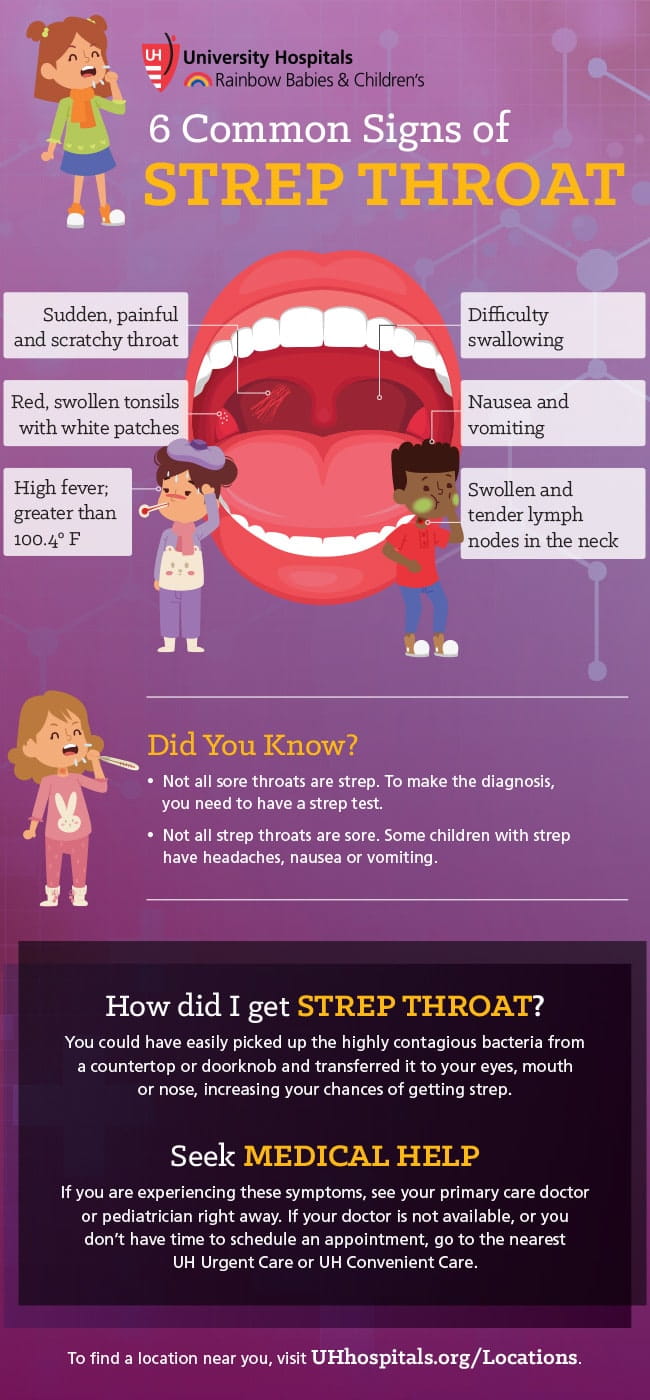
Symptoms of strep throat in older kids are well known, but in babies the presentation is often quieter. Watch for a cluster of signs, not just one.
Common signs
- Fever higher than 100.4°F (38°C)
- Poor feeding or refusal to nurse or take a bottle
- Irritability, more crying than usual
- Fussiness or decreased activity
- Swollen or tender lymph nodes in the neck
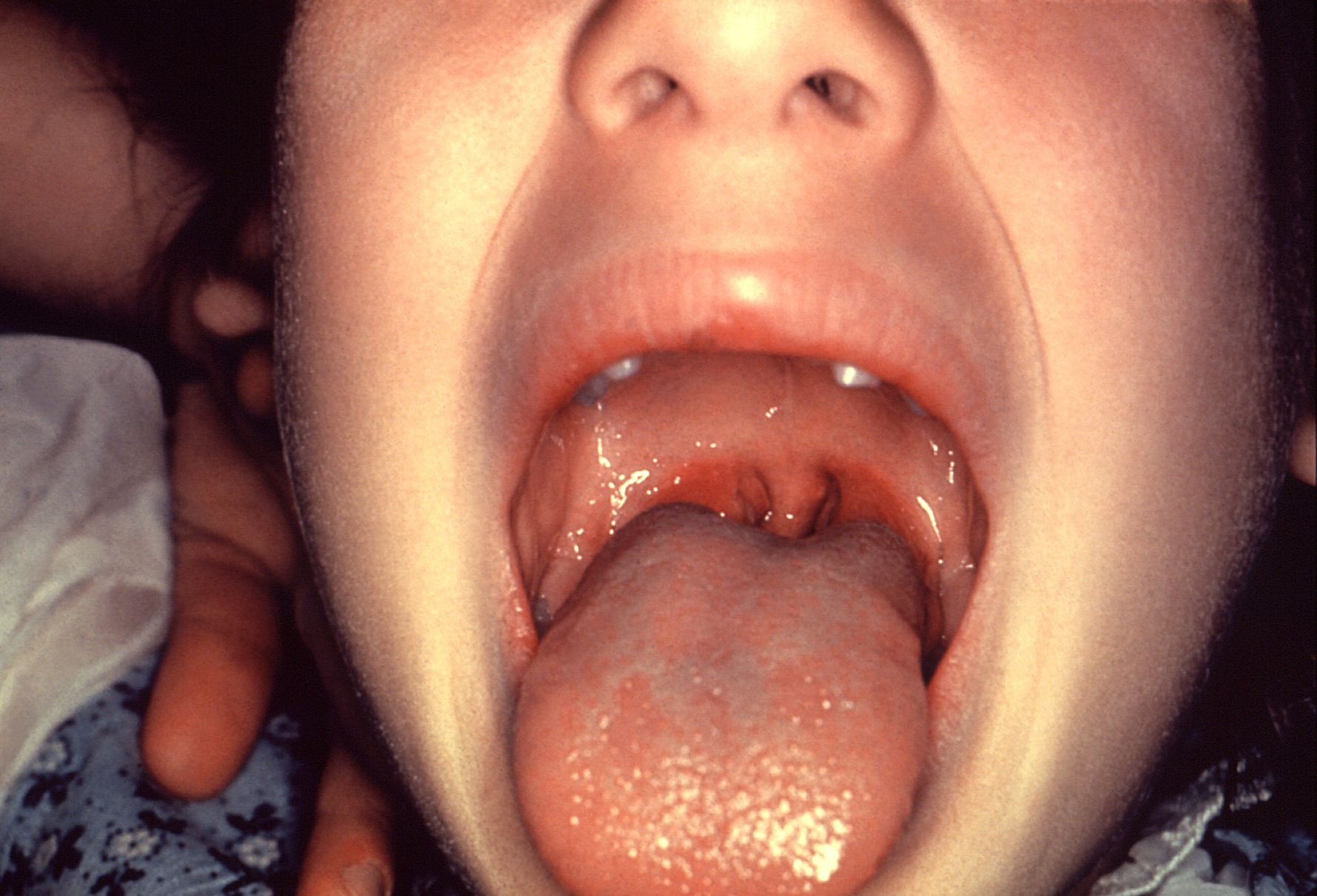
- Redness in the throat or white spots on the tonsils (may be hard to see in some infants)
Less specific clues
- Runny nose or cough (more often viral than strep)
- Vomiting or stomach pain (young children sometimes present with tummy symptoms)
- Drooling or trouble swallowing (if throat is painful)
Because babies can’t tell you about throat pain, any combination of fever and poor feeding should prompt a call to your pediatrician.

How strep throat spreads and common causes
Group A Streptococcus bacteria spread in simple, predictable ways. Understanding transmission helps prevent infection.
How it spreads
- Coughing or sneezing droplets from an infected person
- Direct contact with saliva or nasal fluids
- Sharing utensils or toys contaminated with bacteria
Risk factors for infants
- Close contact with a school-age sibling who has strep
- Daycare exposure to a symptomatic child or carrier
- Household adults who carry the bacteria even if they feel well
Note that carriers exist — people who have the bacteria in their throat but show no symptoms. Carriers can complicate diagnosis and household management.
Diagnosis and testing for infants
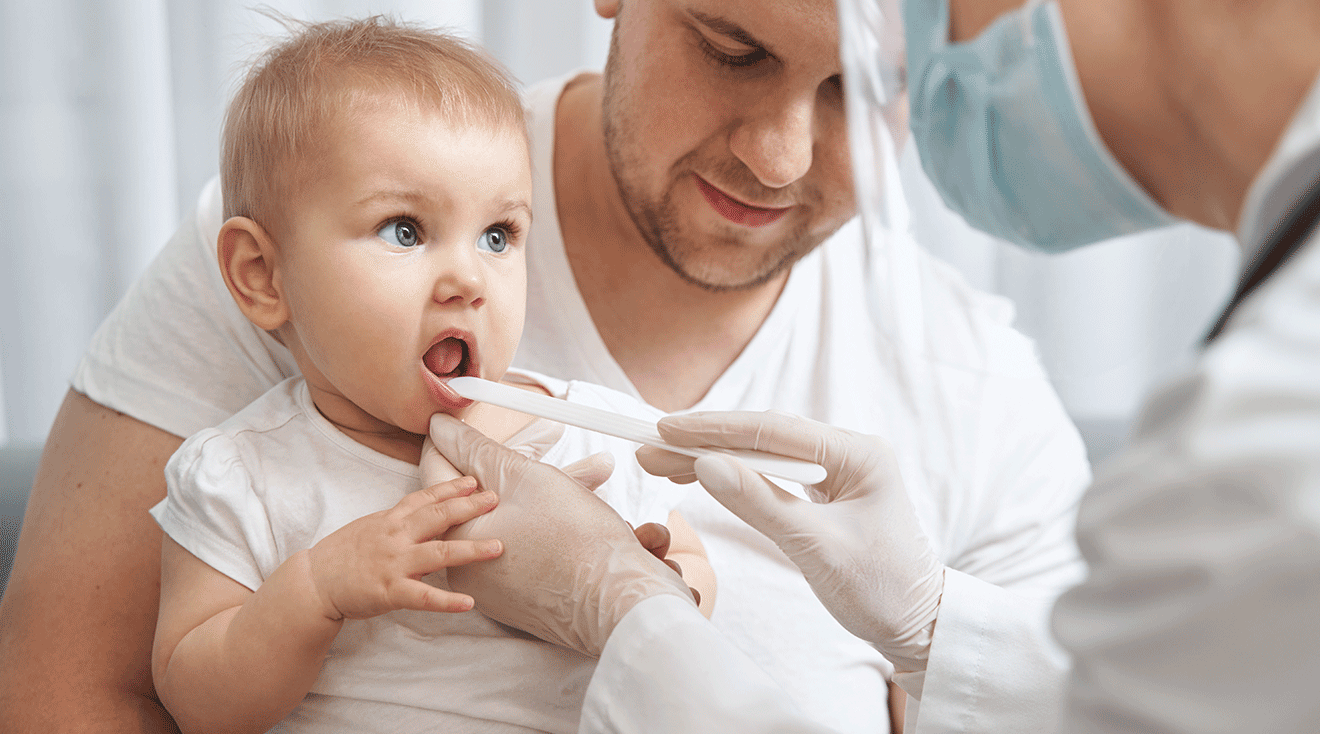
Diagnosing strep throat in babies requires clinical judgment and testing. Doctors balance the likelihood of strep against more common viral causes.
Common tests
- Rapid antigen detection test (rapid strep) — gives quick results from a throat swab but is less sensitive in very young children
- Throat culture — more accurate, takes 24–48 hours for results
- Clinical exam — doctor looks for fever, swollen nodes, red throat, and assesses risk factors
In infants under one year, providers may be more cautious. They often test when fever is present and other causes are less likely. If the rapid test is negative but suspicion remains, a culture may follow.

Treatment options and what parents should expect
When a baby is diagnosed with strep throat, antibiotics are the standard treatment to reduce symptoms and prevent complications. The choice of antibiotic and dosing depends on age and weight.
Antibiotic basics
- Penicillin or amoxicillin are commonly used and safe for infants if prescribed at the correct dose
- For penicillin allergy, doctors select appropriate alternative medicines
- Complete the full course even after symptoms improve to reduce relapse and spread
Supportive care at home
- Offer frequent, small feedings for babies who feed poorly
- Use a cool-mist humidifier to ease breathing and throat discomfort
- Keep the baby hydrated; offer breast milk or formula often
- Use fever reducers as advised by your pediatrician
If symptoms worsen or do not improve after 48–72 hours of antibiotics, contact your doctor.
Complications and risks to be aware of
Serious complications from strep throat are rare in modern medicine, but they can occur if infections are missed or untreated. Awareness helps families act quickly.
Possible complications
- Spread to nearby tissues such as peritonsillar or retropharyngeal abscess
- Middle ear infections or sinus infections
- Rare long-term complications like acute rheumatic fever (less common where antibiotics are used promptly)
Infants who are very young, medically complex, or dehydrated may face higher risks and need closer monitoring. Timely treatment and follow-up care reduce most risks significantly.
Prevention and practical home-care tips
Preventing strep throat in babies focuses on hygiene and limiting exposure. These steps are simple and effective.
At-home prevention
- Encourage handwashing for all caregivers and visitors before touching the baby
- Avoid close contact with anyone who has fever, sore throat, or a confirmed strep infection
- Clean shared toys, bottles, and surfaces with soap and water or disinfectant
- Keep the baby’s immunizations up to date; while no vaccine prevents strep, vaccines reduce other infections that weaken immunity
- Breastfeed if possible — breast milk supports the baby’s immune system
If someone in the household has strep, follow treatment and hygiene guidance from the pediatrician to lower risk for the infant.
When to call the doctor or seek urgent care
Trust your instincts. If your baby seems unusually sick, call your pediatrician. Use these red flags to act quickly.
Seek immediate care if
- Baby has a fever over 100.4°F (38°C) and is under three months old
- Baby won’t wake to feed or is difficult to arouse
- Baby is breathing fast, grunting, or showing signs of trouble breathing
- There is persistent vomiting, signs of dehydration, or poor urine output
- Swelling in the neck or throat seems to make breathing or swallowing hard
For older infants, persistent high fever or worsening symptoms despite care also warrant urgent evaluation.
Personal experience: lessons from the clinic and home
As a pediatric clinician and a parent, I’ve seen how confusing a fever and poor feeding can be. One infant I treated had mild fever and fussiness for two days while a preschool sibling had strep. The clinic did a throat swab and started antibiotics; feeding improved within 24 hours. That case taught me three things.
Lessons learned
- Early communication with your pediatrician reduces worry and speeds treatment.
- Look for clusters of signs — feeding, fever, and behavior — rather than waiting for a classic sore throat.
- Don’t hesitate to ask for a throat culture if a rapid test is negative but symptoms persist.
These simple steps help parents move from anxious to proactive care when wondering can babies get strep throat.
Frequently Asked Questions of can babies get strep throat
Can newborns get strep throat?
Newborns can be exposed to group A strep, but true strep throat in the first weeks of life is uncommon. Any fever in a newborn should prompt immediate medical attention.
How is strep different from a viral sore throat in babies?
Strep often causes higher fevers and more abrupt symptoms, while viral illnesses commonly come with cough and runny nose. Testing is the only reliable way to distinguish them.
Will antibiotics make my baby contagious immediately?
Antibiotics typically reduce contagiousness within 24 hours, but your doctor may advise keeping the baby away from vulnerable people until the treatment period is underway. Always follow your pediatrician’s guidance.
Can breastfeeding help prevent strep throat?
Breastfeeding supports the baby’s immune system and may lower the risk of many infections, but it does not guarantee prevention of strep. Good hygiene and avoiding exposure remain important.
How long does recovery usually take in infants?
With appropriate antibiotics and care, many babies improve in 24–48 hours, though the full course of antibiotics is usually 10 days. Follow-up with your pediatrician if symptoms do not improve.
Conclusion
Babies can get strep throat, but it is less common than in older children, and symptoms can be subtle. Know the signs — fever, poor feeding, irritability, and neck swelling — and contact your pediatrician promptly if you are worried. Early testing and timely antibiotics usually lead to fast recovery and prevent complications. Use hygiene, cautious contact with sick people, and supportive home care to reduce risk.
Take action: if your baby shows signs of illness, call your pediatrician and keep a log of symptoms and feeding. Share your experience in the comments or subscribe for more clear, practical advice about infant health.