
Yes — babies can have nightmares, though they usually start after about six months.
I’ve worked with infants and advised parents for years, and I can confidently say this question deserves a clear, evidence-based answer. In this article I’ll explain what nightmares are, when babies can have them, how to tell the difference between a nightmare and other night disturbances, and practical steps you can take to soothe your child. Expect simple science, real-world examples, and clear actions you can try tonight.
Understanding nightmares and infant sleep
Nightmares are upsetting dreams that wake a child and leave them scared. To have a nightmare, a baby needs the brain patterns linked to dreaming. Babies cycle through sleep stages, including REM sleep, from early months, but dreaming that produces nightmares usually appears later.
Research and clinical experience suggest that true nightmares are rare in very young infants. Most early night awakenings come from hunger, discomfort, or immature sleep rhythms. Still, can babies have nightmares? Yes, especially as memory and emotion systems mature around six months to a year.
When can babies have nightmares?
Most experts say nightmares become possible when infants develop more complex sleep architecture and memory. This often happens around six months of age. Before that, infants can wake upset, but it’s less likely to be a dream with a clear scary story.
Toddlers and preschoolers report nightmares more often because they can remember and tell a story. Babies may show signs that something frightening happened in sleep even if they cannot describe it. Watch for consistent patterns to figure out what’s going on.
Signs a baby may be having a nightmare or a night terror
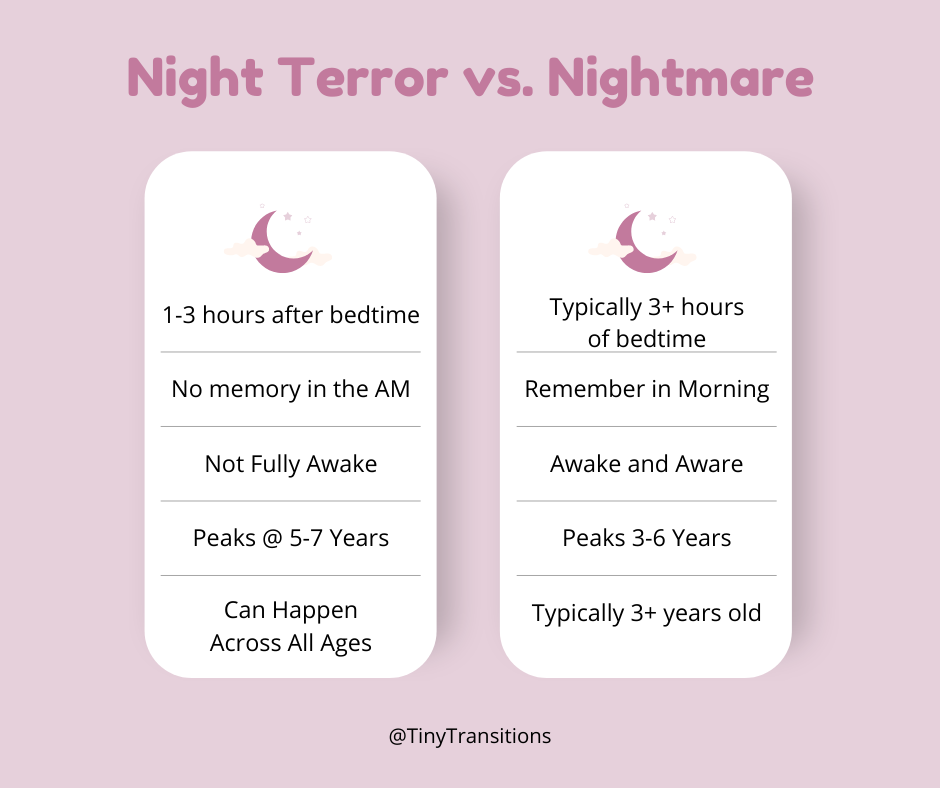
Nightmares and night terrors look different. It helps to know the signs.
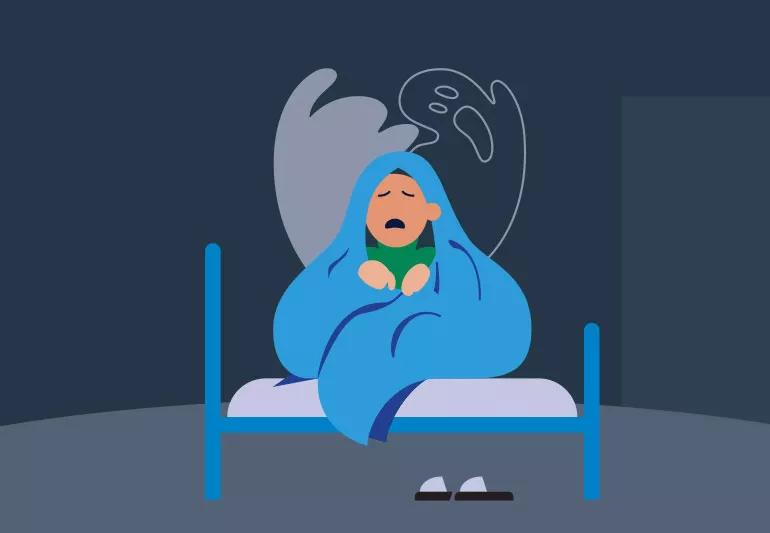
- Nightmares start in REM sleep and usually wake the baby fully. The baby may cry, look frightened, and want comfort.
- Night terrors occur in deep non-REM sleep and can make a baby scream, thrash, or look panicked while not fully awake.
- If a baby calms with soothing and can be settled back to sleep, a nightmare is more likely than a night terror.
- Night terrors often involve a blank stare and are hard to soothe in the moment.
When you wonder if can babies have nightmares or night terrors, watch the timing and the baby’s response to comfort. That helps tell the difference.
Common causes and triggers
Many things can trigger nightmares or night disturbances in babies. Some are medical, others are environmental or emotional.
- Illness or fever: A fever can make sleep more restless and increase vivid dreams.
- Overstimulation: A busy or stressful day can overflow into sleep.
- New experiences: Big changes like starting daycare or travel can cause rough nights.
- Sleep deprivation: Poor daytime naps or late bedtimes can increase night fearfulness.
- Medications and caffeine (rare in babies): Some substances affect sleep cycles.
I’ve seen babies who had a bad sleep stretch after a vaccine day or after a travel day. These common triggers can make you ask, can babies have nightmares more often during stressful periods? Yes, stress and change can raise the chance.

How to comfort a baby after a nightmare
When your baby wakes up upset, simple, calm actions help most of the time. Keep steps short and gentle.
- Pick them up softly and hold them close. Skin-to-skin or cuddling soothes fast.
- Use a low, steady voice. Sing or hum to reduce fear.
- Check for physical needs: diaper, temperature, or signs of illness.
- Offer a pacifier if used. It can calm and support sleep.
- Keep lighting dim and movements slow to avoid overstimulation.
If your baby has frequent fear-filled awakenings, add a consistent bedtime routine. A quiet bath, soft story, and predictable sleep cue help regulate sleep and reduce nightmares.

Preventive steps and sleep hygiene
Good sleep habits lower the chance of nightmares and other night problems. Simple routines go a long way.
- Keep regular nap and bedtime schedules each day.
- Create a calm pre-sleep routine that lasts 20–30 minutes.
- Make the sleep environment cool, dark, and quiet. Consider white noise at low volume.
- Limit strong stimulation near bedtime, such as loud play or screens.
- Track patterns in a sleep diary to spot triggers like illness or change.
From my experience, families who follow a steady routine see fewer scary night wakings. When you ask, can babies have nightmares because of routine changes, the answer is often yes—consistency helps.

When to see a pediatrician
Most single-night scares do not need medical care. But consult your pediatrician if:
- Night awakenings become frequent and worsen over weeks.
- Your baby shows signs of developmental regression, severe sleep loss, or daytime problems.
- You notice abnormal movements, breathing pauses, or very high fevers at night.
- Soothing does not help and the events look like seizures or severe night terror episodes.
A doctor can check for medical causes and suggest behavior or sleep interventions. Be open about timing, frequency, and what helps. This information is key to good advice.

Personal experience and practical tips
As a pediatric nurse and parent, I’ve soothed many babies after rough nights. One infant in my care would wake screaming after loud daytime events. We learned to reduce late-day activity and added a calming bath. The wake-ups dropped quickly. That taught me these lessons:
- Small changes matter. Adjusting quiet time before bed often fixes odd nights.
- Track patterns. A simple sleep log helped a family spot a fever link to scary awakenings.
- Trust your instincts. If it feels different or more intense, seek help.
These tips are practical and easy to try tonight.
PAA-style questions
What age do babies start dreaming?
- Babies enter REM sleep early, but vivid, recallable dreams that cause nightmares usually appear around six months or later.
How do I calm a baby after a scary wake-up?
- Hold the baby, speak softly, and check for physical needs. Keep lights low and avoid stimulation.
Can teething cause nightmares?
- Teething can disturb sleep and cause fussiness that looks like nightmares, but it does not directly cause dreaming.
Are night terrors the same as nightmares?
- No. Night terrors happen in deep sleep and babies may not be fully awake, while nightmares wake the child and cause fear.
Can changes in routine increase nightmares?
- Yes. Travel, daycare starts, or big household changes can raise the chance of bad night awakenings.
Frequently Asked Questions about can babies have nightmares
Can newborns have nightmares?
Newborns have active sleep but do not typically have documented nightmares. Most newborn night waking is due to feeding, discomfort, or immature sleep cycles.
At what age do nightmares usually start?
Nightmares commonly begin around six months to two years as memory and emotion systems grow. Toddlers show them more clearly because they can express fear.
How can I tell a nightmare from a night terror?
A nightmare wakes the baby and they can be soothed. A night terror occurs in deep sleep; the baby may seem awake but is hard to calm and does not fully register you.
How often are nightmares a sign of a problem?
Occasional nightmares are normal. If they are frequent, disrupt sleep, or affect daytime mood, see a pediatrician to rule out sleep disorders or medical causes.
Can sleep training reduce nightmares?
Sleep training that promotes regular sleep and self-soothing can reduce night awakenings and may lower the chance of nightmare-like episodes.
Should I let my baby cry after a nightmare?
Comfort first. Responding to your baby’s fear helps them learn safety and trust. Gentle, consistent soothing is usually best for nightmares.
Can illness or fever cause scary dreams?
Yes. Fevers and illness can increase night restlessness and vivid sleep, which may lead to scary awakenings.
Conclusion
Babies can have nightmares, especially as their brains mature around six months and beyond. Most night scares are mild and respond to calm comfort, consistent routines, and attention to health and sleep habits. If events are frequent, severe, or worry you, consult your pediatrician for evaluation and tailored advice. Try a steady bedtime routine tonight, track sleep patterns for two weeks, and reach out to your child’s doctor if things don’t improve — your careful steps can bring better sleep for the whole family.