
Baby oil is not a safe sexual lubricant—it can damage condoms and increase infection risk.
I’ve worked as a sexual health writer and educator for years, and I get asked the question can baby oil be used as lube more than you might expect. This article gives a clear, evidence-based look at the risks, mechanics, and safer alternatives so you can make an informed choice about sexual lubrication.

Why people consider baby oil as lube
Many people wonder can baby oil be used as lube because it feels slick, is cheap, and is easy to find. It offers long-lasting slipperiness and seems harmless since it’s marketed for skin. People also assume “baby” equals safe for sensitive areas.
But marketing and skin-care use do not equal safety for intimate use. I’ll explain the science and practical concerns below so you can weigh benefits and risks.

How baby oil works and what it's made of
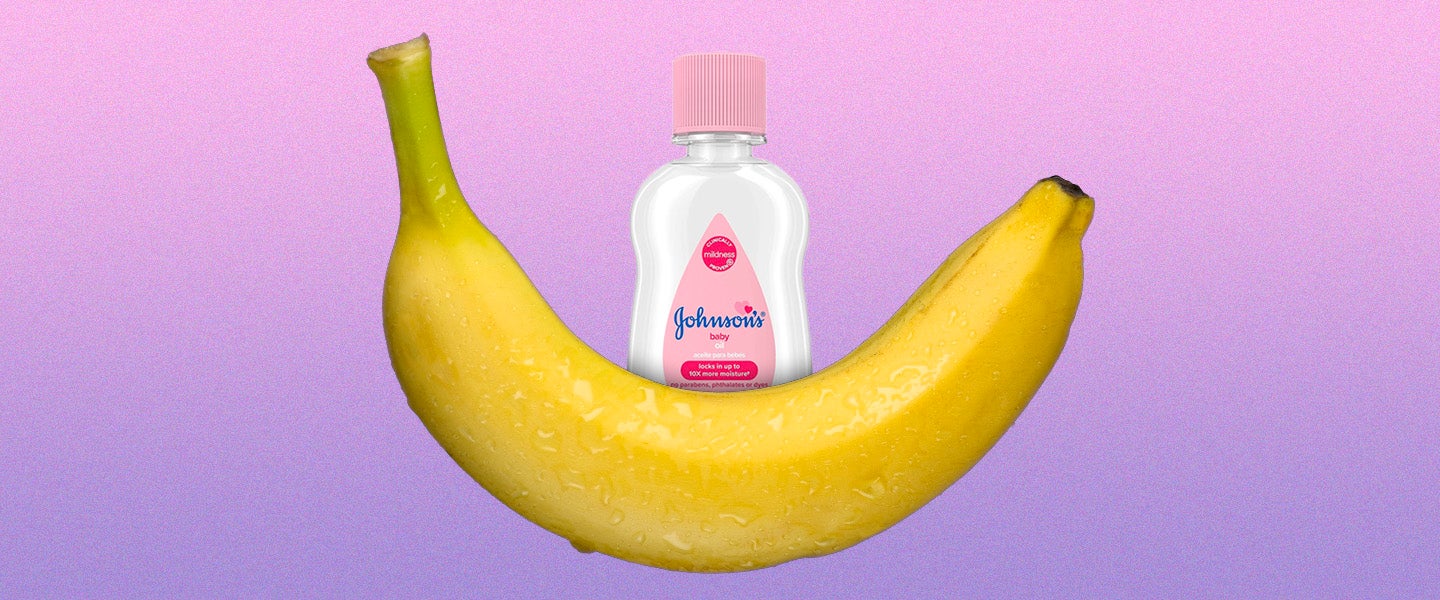
Baby oil is usually a mineral oil or a blend of mineral oil and fragrances. Mineral oil is an occlusive agent. It sits on the skin and prevents moisture loss by forming a barrier.
That barrier quality is why baby oil feels slippery and long-lasting. However, that same barrier can trap bacteria, disrupt natural lubrication, and interact poorly with latex and some silicone surfaces. Knowing how it works helps explain why many experts advise against using it inside the body.

Safety and risks of using baby oil as lube
Answering can baby oil be used as lube requires a frank look at safety. Here are the main risks:
Condom failure risk
Mineral oil degrades latex and can cause condoms to break or slip. This raises the chance of pregnancy and STI transmission.Infection and irritation
Baby oil can trap bacteria and upset the natural pH of the vagina or anus. That can increase the risk of yeast infections, bacterial vaginosis, and irritation.Toy damage and hygiene issues
Mineral-oil products can break down some silicone sex toys and are hard to clean off porous materials. Residue may harbor microbes.Not sperm-friendly
Baby oil does not have properties to protect sperm or enhance fertility and can interfere with fertility-friendly practices.
These risks make the short-term convenience of baby oil a poor trade-off for sexual safety. If you do use it, know the limits and take precautions.
Compatibility with condoms and sex toys
A key part of answering can baby oil be used as lube is compatibility tests.
With latex condoms: avoid
Mineral oils weaken latex. Use water-based or silicone-based lubricants with latex condoms.With polyurethane condoms: better but not ideal
Polyurethane is less sensitive than latex, but oils can still affect fit and safety. Stick with manufacturer guidance.With silicone toys: avoid
Mineral oil can degrade silicone and shorten a toy’s lifespan. Use water-based lubricants for silicone toys.With porous materials: caution
Porous toys or condoms can trap oil and bacteria and are harder to sanitize properly.
If you plan protected sex, choosing a compatible lubricant is essential. When in doubt, pick a product labeled safe for condoms and toys.
Alternatives to baby oil for lubrication
If your core question is can baby oil be used as lube because you need a cheap option, consider these safer choices:
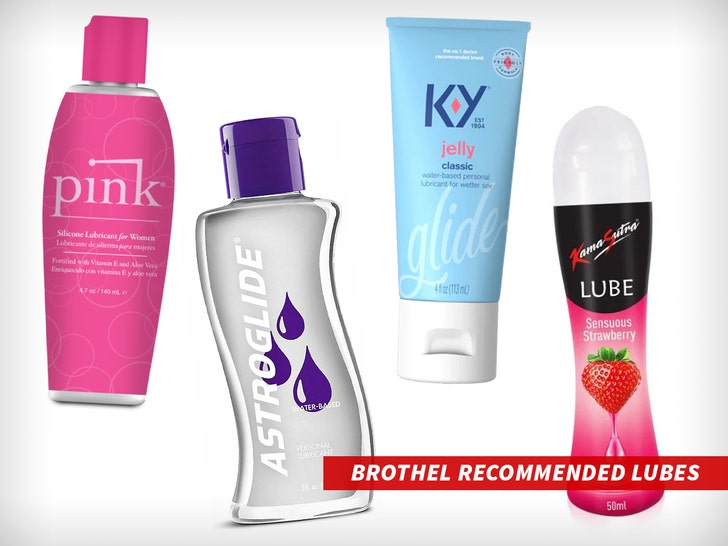
Water-based lubricants
Safe with condoms and most toys. Easy to wash off and widely available.Silicone-based lubricants
Long-lasting and condom-safe. Avoid with silicone toys.Hybrid lubricants
Combine water and silicone for longevity and toy compatibility. Check labels for condom safety.Medical-grade or natural options
Some glycerin-free, paraben-free formulas reduce irritation for sensitive users.
Choosing an alternative reduces infection risk and protects condoms and toys. Read labels for compatibility and ingredients.
How to choose a safe lubricant
Choosing well reduces problems later. Use this checklist when picking lube instead of asking can baby oil be used as lube again:
Check condom compatibility on the label.
If it doesn’t mention condoms, assume it might damage latex.Look for pH-balanced formulas for vaginal use.
pH balance helps preserve the natural microbiome.Avoid irritants for sensitive skin.
Steer clear of fragrances, flavors, or high-glycerin formulas if you’re prone to yeast infections.Match formula to activity.
Choose silicone-based lube for long sessions, water-based for toys and easy cleanup.Try small sizes first.
Test on skin for reactions before using internally.
This practical approach lowers risk and improves comfort.

Personal experience and practical tips
From my work and personal testing, people often underestimate cleanup and long-term effects. I once tried baby oil in a pinch and saw two issues: residue that was hard to clean and a torn condom after sex. That experience taught me three lessons:
- Don’t use baby oil with condoms. It’s a gamble you don’t want to take.
- Test a small amount on your skin before internal use. Watch for itching or burning.
- Keep a small, trusted lube at home and in your bag to avoid risky substitutes.
Simple preparation avoids most lubrication mishaps. I recommend carrying a travel-size water-based or hybrid lube.

Common short questions (PAA-style)
Q: Will baby oil cause a condom to break?
A: Yes, mineral oil can weaken latex and increase the chance of breakage.
Q: Can baby oil cause yeast infections?
A: It can trap moisture and disturb flora, which may raise infection risk for some people.
Q: Is baby oil safe for anal sex?
A: Anal tissue is delicate; baby oil can increase infection risk and may damage condoms, so avoid it for anal use.

Frequently Asked Questions of can baby oil be used as lube
Is baby oil safe to use with condoms?
No. Mineral oil in baby oil can degrade latex and greatly increase the risk of condom failure. Use a condom-safe lube instead.
Can baby oil cause infections?
Yes. Baby oil can trap bacteria and disturb the natural balance of vaginal flora, which may lead to infections like yeast overgrowth or bacterial vaginosis.
Is baby oil safe for anal sex?
It is not recommended. Baby oil can weaken condoms and trap bacteria, which raises safety concerns for anal intercourse.
Can baby oil damage silicone sex toys?
Yes. Mineral oil may degrade silicone toys and leave residue that is hard to clean. Use water-based lubricants for silicone toys.
What should I use if I need a cheap lubricant?
Choose a basic water-based lube labeled safe for condoms and sensitive skin. Many affordable options are widely available and safer than baby oil.
If I accidentally used baby oil, what should I do?
Stop use if you feel irritation and carefully wash the area with mild soap and water. If you experience ongoing pain, discharge, or signs of infection, see a healthcare provider.
Conclusion
Baby oil’s slick feel makes the question can baby oil be used as lube tempting, but the risks outweigh the convenience. It can weaken condoms, increase infection risk, and damage toys. Choose a product designed for sexual use—water-based or silicone-based lubes are safer and offer better protection for intimacy.
Takeaway: keep a trusted condom-safe lubricant on hand, read labels, and prioritize safety over shortcuts. If this article helped, leave a comment or subscribe for more honest, practical sexual health guidance.