
Mostly to absorb moisture, prevent chafing, and soothe minor skin irritation.
I’ve worked around parents, nurses, and product formulators for years, so I know the practical ways people ask what is baby powder used for and which uses really work. In this article I’ll explain common uses, safe practices, ingredient concerns, smart alternatives, and hands-on tips from my experience so you can make informed choices about what is baby powder used for in daily life.
Common uses of baby powder
Baby powder is simple in concept but broad in use. Knowing what is baby powder used for helps you pick the right product and avoid risky habits. Below are the most common, practical uses people rely on.
- Diaper rash and skin dryness. Apply lightly to clean, dry skin to reduce friction and keep skin drier.
- Preventing chafing. Use on thighs, underarms, or skin folds to reduce rubbing during activity.
- Moisture control in shoes and sports gear. Sprinkle inside shoes or equipment to reduce sweat and odor.
- Freshening linens and closets. A light dusting absorbs musty smells in small spaces.
- Hair styling and oil control. A small amount can help absorb scalp oil and add texture.
- Pet grooming basics. Some use a touch for pets’ damp fur to reduce odor, but use caution.
What is baby powder used for depends on the formula. Talc-based powders feel silky and are very absorbent. Cornstarch powders absorb well and tend to be milder for skin. Choose the right type for the job.
How to use baby powder safely
Safety matters more than habit. Many uses of baby powder are harmless when done right, but inhaling powder or applying it to damaged skin can cause problems.
- Use sparingly. Less powder means less risk of inhalation and fewer residue issues.
- Keep powder away from the baby’s face and nose. Gently pat powder onto your hand first, then apply.
- Avoid clouding the air. Pour slowly and close to the skin to limit airborne particles.
- Do not use on broken or infected skin. Powder can trap bacteria or irritate open areas.
- Prefer cornstarch if concerned about inhalation or talc. It is less linked to respiratory problems.
If you wonder what is baby powder used for in hospitals or clinics, staff follow tighter rules to avoid airborne use near breathing passages. Use the same caution at home.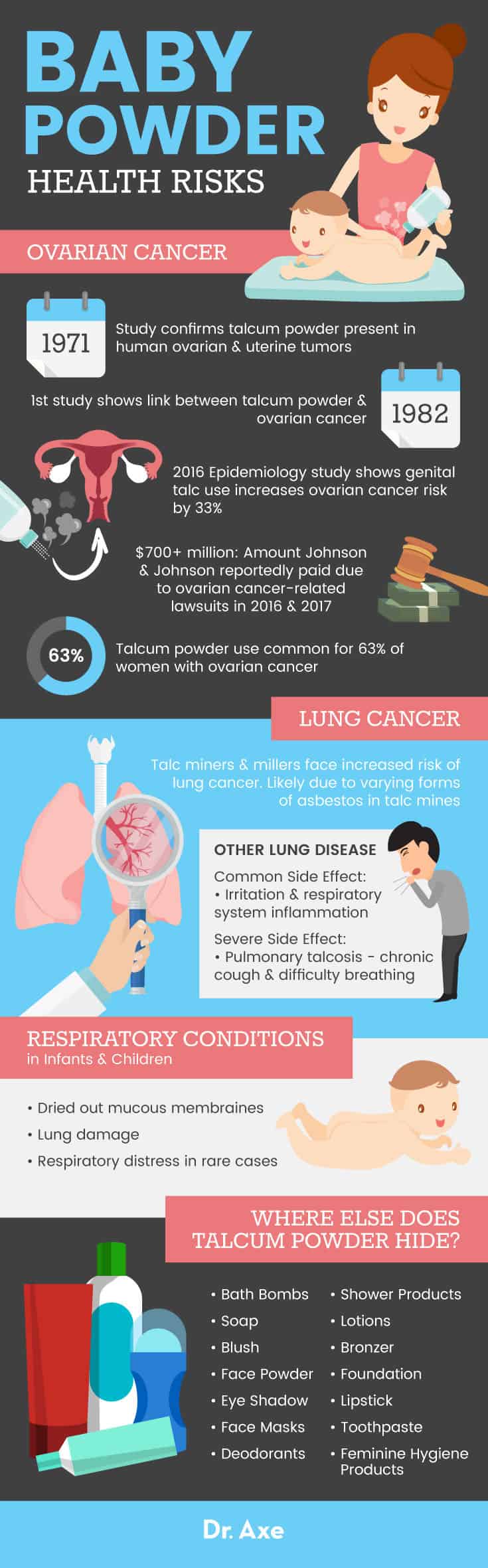
Ingredients and safety concerns
Understanding ingredients helps answer what is baby powder used for and whether it’s right for you.
- Talc. A mineral that absorbs moisture well. In some cases, talc has been linked to contamination with asbestos and to long-term health questions.
- Cornstarch. A plant-based starch that absorbs moisture and tends to be gentler on skin and lungs.
- Fragrances and additives. These help scent the powder but can trigger sensitivities in some people.
Research and regulatory reviews have raised concerns about talc in certain products. Because of that, many caregivers now choose cornstarch-based powders. When reading labels, look for clear ingredient lists and third-party testing claims.
Alternatives and DIY options
If you want the benefits of baby powder without commercial formulas, try these safe options. These picks are useful when thinking about what is baby powder used for beyond store-bought jars.
- Pure cornstarch. Use as-is to absorb moisture. It’s affordable and accessible.
- Arrowroot powder. A natural, gentle starch alternative similar to cornstarch.
- DIY soothing mix. Combine 1 cup cornstarch with 1 teaspoon baking soda and a few drops of mild essential oil, if desired; test on a small skin patch first.
- Moisture-wicking clothing and barrier creams. Often a better choice for heavy-duty chafing or severe rashes.
Avoid using flour or talc substitutes that create fine dust clouds. Test any DIY mix on a small skin patch before wider use.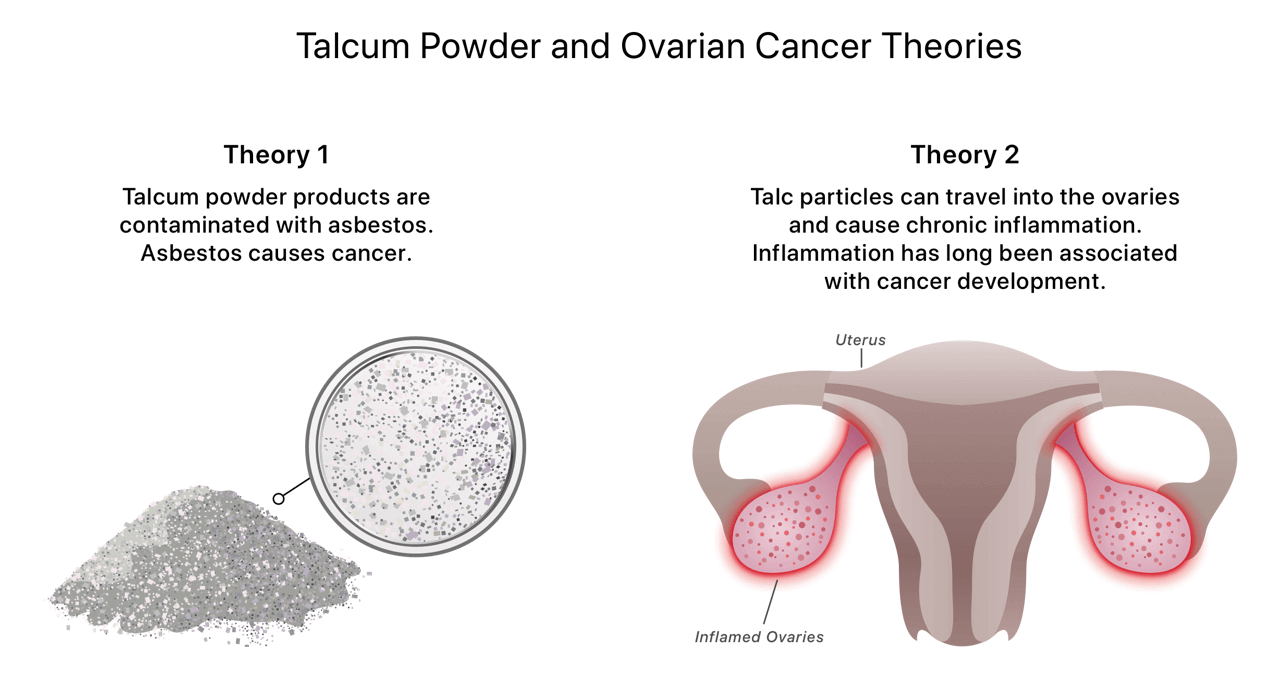
Personal experience and practical tips
I’ve used baby powder in many real situations. Early on, I made the mistake of over-applying powder to a newborn’s diaper area, which created clumps and irritated the skin. I learned to use just a pinch and to pat it on with my hand rather than shaking from the container.
Practical tips I use now:
- Keep powder in a small shaker bottle to control the amount.
- Use cornstarch for infants and talc-free blends for older kids and adults.
- Store powder in a dry, cool place to prevent clumping.
- For shoes, sprinkle a little at night and shake out in the morning.
These small habits answer what is baby powder used for and improve results while lowering risks.
When not to use baby powder
Knowing when to skip powder is as important as knowing its uses.
- Do not use on broken skin, deep rashes, or sores. Powder can worsen infections.
- Avoid using near the face, nose, or mouth. Airborne particles can irritate lungs.
- Do not use talc-based powders if you prefer to avoid potential long-term risks.
- Skip on newborns if you cannot control dust exposure. Their lungs are delicate.
When unsure about skin conditions, talk to a pediatrician or dermatologist before using powder. This helps you decide which uses of baby powder are safe for your situation.
Frequently Asked Questions of what is baby powder used for
What is baby powder used for on a newborn?
Baby powder is mainly used to keep skin dry and reduce friction in diaper areas. Use sparingly and avoid letting powder become airborne near the baby’s face.
Can I use baby powder for chafing?
Yes. A light dusting can reduce friction and soothe mild chafing. Choose a cornstarch-based powder for less risk of irritation.
Is talc-based baby powder safe?
Talc has been linked to contamination concerns and long-term questions, so many people prefer talc-free formulas. If you choose talc-based powder, use it cautiously and avoid inhalation.
Can baby powder help with smelly shoes?
Yes. Sprinkling a little powder inside shoes absorbs moisture and reduces odor. Let it sit overnight and shake out excess before wearing.
How often should I use baby powder?
Apply only as needed. Frequent, heavy use is unnecessary and raises inhalation risk. A light application during diaper changes or after showers is usually enough.
Can baby powder be used on pets?
Some people use small amounts to freshen damp fur, but animals can inhale powder, and their skin reacts differently. Check with a vet before regular use.
Conclusion
Baby powder is a simple tool with many practical uses, from moisture control and chafing prevention to small household jobs. Knowing what is baby powder used for—and choosing the right formula and method—lets you get the benefits without the risks. Use sparingly, prefer cornstarch if you want a gentler option, and avoid powder near faces or open skin. Try one small change this week: swap to a talc-free powder for diaper changes or shoes and notice the difference. If you found this helpful, leave a comment with your experience or subscribe for more practical guides.