
Most babies get their first tooth around 6 months, though timing can range widely.
As a pediatric caregiver and parent who has guided many families through teething, I’ll walk you through exactly when do babies get first tooth, what to expect, and how to help your baby stay comfortable. This guide blends clear timelines, real-life tips, and simple dental steps so you can spot signs early, soothe symptoms safely, and make smart choices for your child’s oral health.
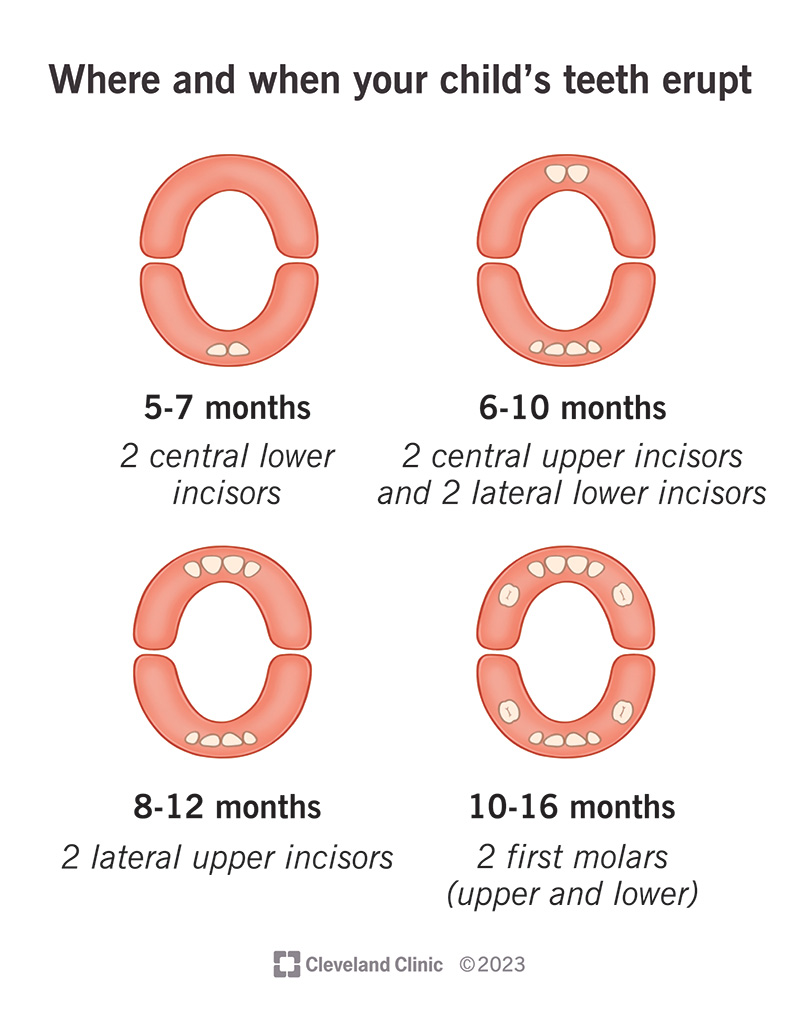
Typical timeline: when do babies get first tooth
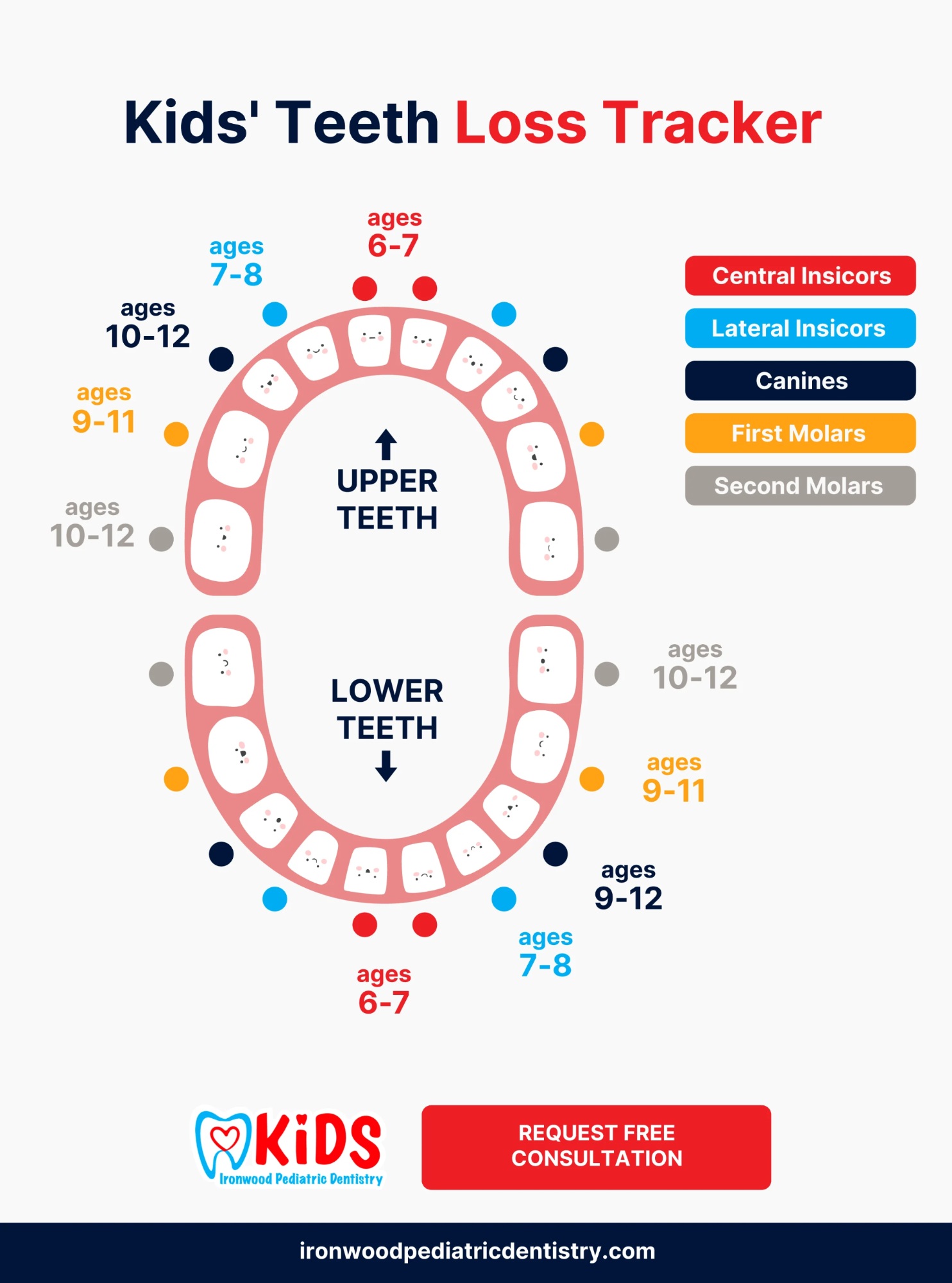
Most infants show the first tooth at about six months. Some babies start as early as three months. Other babies don’t get teeth until 12 to 16 months. Late teething can still be normal. The lower central incisors are usually the first to appear. The order is often lower central, then upper central, followed by lateral incisors.
Many parents ask when do babies get first tooth and worry if timing differs. Variation is normal. Genetics, birth weight, and prematurity can shift the timeline. Keep a simple record of dates. It helps at checkups and when you plan dental care.
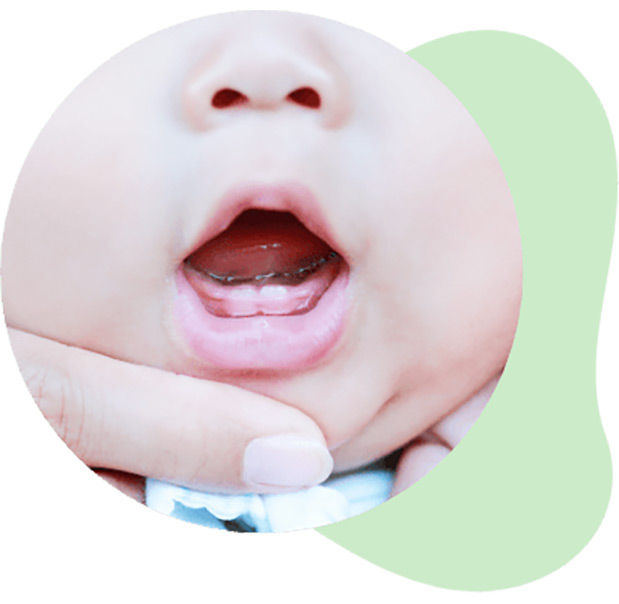
Signs and symptoms of the first tooth
Teething looks different for each baby. Expect a mix of mild signs. Watch for patterns rather than single symptoms.
- Increased drooling and wet bibs most days.
- Chewing on toys or fingers to ease pressure.
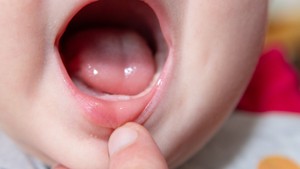
- Slight gum swelling and a visible white bump.
- Irritability, fussiness, or waking at night.
- Mild decrease in appetite for solids but usually still nursing or bottle-feeding.
- Low-grade temperature under 100.4°F (38°C) can occur. High fever is not typical.
If you are tracking when do babies get first tooth, watch gums. I once saw a tiny white dot three days before my niece’s tooth came through. That dot was the first sign. Simple observations like this help you prepare.
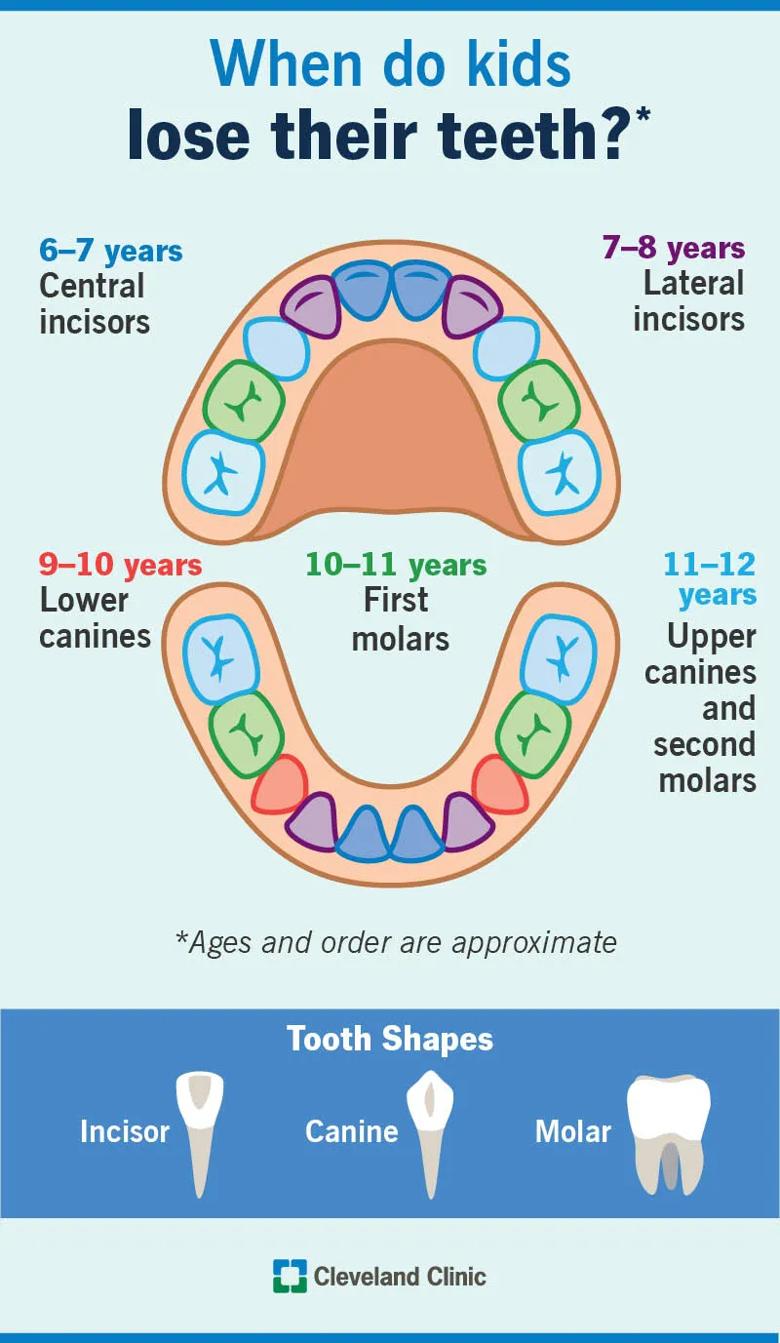
How to comfort a teething baby
Comforting helps both baby and caregiver. Use safe, gentle methods. Avoid teething remedies that can harm.
- Offer a clean, textured teething ring chilled in the fridge. Do not freeze it.
- Use gentle gum massage with a clean finger. Press lightly on sore areas.
- Give firm, cool foods for older babies, like chilled mashed fruit, if they eat solids.
- Use a clean cloth for chewing. Replace often to keep it hygienic.
- Keep drool under control with bibs to prevent skin irritation.
- If fussiness is severe, talk to your pediatrician about acetaminophen or ibuprofen dosing.
From experience, chilled rings worked best for my own child. Cold eases pressure quickly. I learned not to use teething tablets or topical gels with benzocaine. They can be risky. Always check with your pediatrician first.
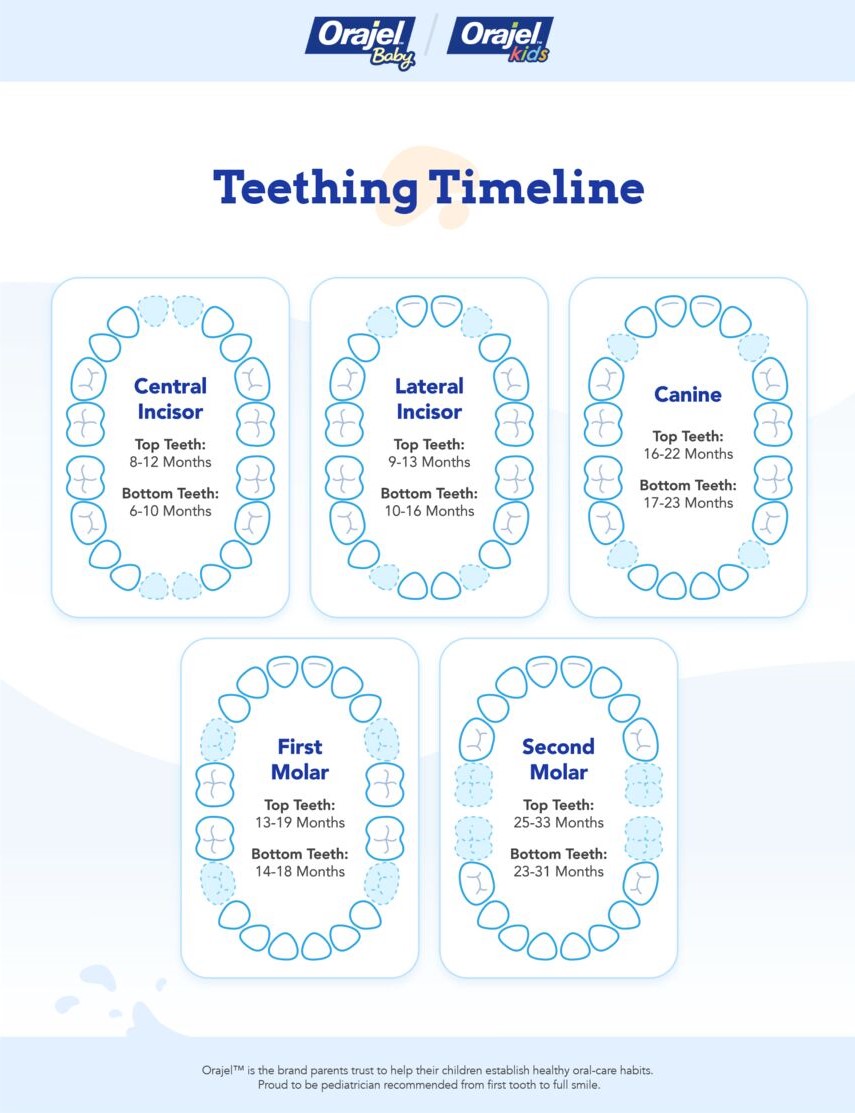
Variations and factors that affect timing
Many factors influence when do babies get first tooth. Knowing them reduces worry.
- Genetics: Family patterns often predict timing.
- Gestational age: Premature babies usually get teeth later.
- Nutrition: Good vitamin D and calcium help normal development.
- Medical conditions: Rare metabolic or syndromic issues can delay teeth.
- Gender and ethnicity: Small average differences exist but are not decisive.
If you wonder if late teething is a problem, consider overall growth and development. If your baby meets other milestones and grows well, delayed first teeth alone usually do not signal trouble. If you have concerns, your pediatrician or pediatric dentist can evaluate.

Dental care after the first tooth appears
Once that first tooth arrives, simple care starts immediately. Early routines build healthy habits.
- Wipe the tooth and gums with a soft, damp cloth after feeds.
- Use a soft baby toothbrush with water once the first tooth is visible.
- Use a rice-grain amount of fluoride toothpaste for infants. Check pediatrician guidance.
- Schedule the first dental visit by the child’s first birthday or within six months of the first tooth.
- Avoid frequent sugary liquids in bottles. Do not let baby fall asleep with milk or juice.
I learned the value of early dental visits the hard way. My first appointment with a pediatric dentist answered my questions and reduced my anxiety. The dentist checked bite and gave simple, practical tips.
When to call the doctor or dentist
Most teething is normal and mild. Call if you see any concerning signs.
- High fever above 100.4°F (38°C) during teething.
- Diarrhea that is severe or persistent.
- Very poor feeding or refusal to drink for many hours.
- Gums that look infected, with pus or unusual swelling.
- No tooth eruption by 18 months — seek evaluation.
If you ask “when do babies get first tooth?” and your child is past expected ranges with other problems, get professional advice. Early checks prevent bigger issues.
Common myths and facts about teething
Teething brings many myths. Clearing them helps you respond calmly.
- Myth: Teething causes high fever and serious illness.
Fact: Teething may cause slight temperature rise. High fever usually has another cause. - Myth: Every baby cries non-stop when teething.
Fact: Many babies are mildly bothered, not inconsolable. - Myth: Teething teeth must be pulled.
Fact: Natural eruption is best. Only treat dental problems with a dentist. - Myth: Teething necklaces prevent pain.
Fact: These can be a choking hazard and are not safe for babies.
Understanding facts reduces fear. When do babies get first tooth is a natural milestone, not a crisis.
Frequently Asked Questions of when do babies get first tooth
When do babies get first tooth on average?
Most babies get their first tooth around six months. Some begin as early as three months or as late as 12 to 16 months.
Which tooth appears first?
The lower central incisors usually come in first. Upper central incisors often follow next.
How long does the teething process last?
Teething continues until the full set of primary teeth appears, usually by age 2 to 3. The most intense phase is the first few teeth.
Can teething cause a fever?
Teething can cause mild temperature rises. High fever is not typical and should prompt medical attention.
When should I see a dentist after the first tooth?
See a dentist by the child’s first birthday or within six months of the first tooth. Early visits help prevent decay and set good habits.
Conclusion
Teething is a normal, varied milestone. Knowing when do babies get first tooth helps you spot signs, soothe your baby, and start dental care early. Use safe comfort methods, track timing, and seek advice when symptoms are severe or delayed. Take action today by setting a simple oral routine and scheduling your baby’s first dental visit. Share your teething stories below or subscribe for more practical parenting tips.