
Most babies start to hold their own bottle between 6 and 9 months of age.
If you’re wondering when do babies hold their own bottle, you’re not alone. As a pediatric nurse and parent who has guided many infants through feeding milestones, I’ll walk you through typical ages, the skills babies need, safety tips, and simple steps to teach self-holding. This guide blends clinical insight, clear how-to advice, and real-life tips so you can feel confident helping your child reach this small but meaningful milestone.
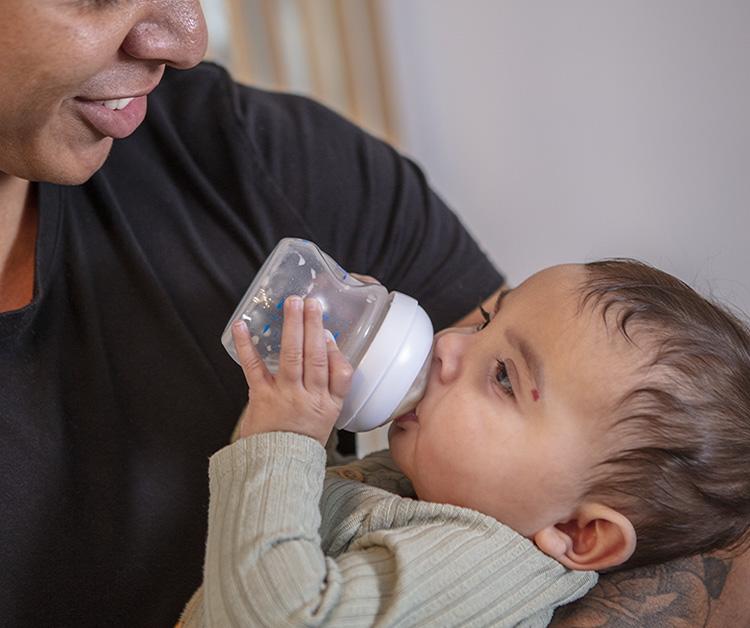
Typical age range and developmental timeline for when do babies hold their own bottle
Babies develop at their own pace, but patterns are common. Most infants begin to show interest in holding a bottle around 4 to 6 months. By 6 to 9 months, many can grasp and hold a bottle for short feeds. Between 9 and 12 months, holding becomes more reliable and independent.
- 0 to 3 months: Reflexive grasp. Baby cannot hold a bottle yet.
- 4 to 6 months: Improved hand-eye coordination and palmar grasp appear.
- 6 to 9 months: Many babies attempt and often succeed at holding their bottle.
- 9 to 12 months: More control, often able to bring bottle to mouth with minimal help.
If you ask when do babies hold their own bottle, think of the timeline as a window, not a strict deadline. Babies may reach this milestone earlier or later and still be within normal development.

Key skills babies need before holding their own bottle
When do babies hold their own bottle depends on a few basic skills. These skills are easy to spot and can guide your expectations.
- Head control: Baby should be able to hold their head steady in a supported sitting position.
- Sitting with support: Babies often learn to hold while propped in a high chair or infant seat.
- Palmar grasp: The open hand grasp appears around 4 to 6 months and helps with holding a bottle.
- Hand-to-mouth coordination: The ability to guide an object to the mouth improves with practice.
Observe these skills during play. If your baby can reach for and grasp toys with accuracy, they are likely close to holding their own bottle.
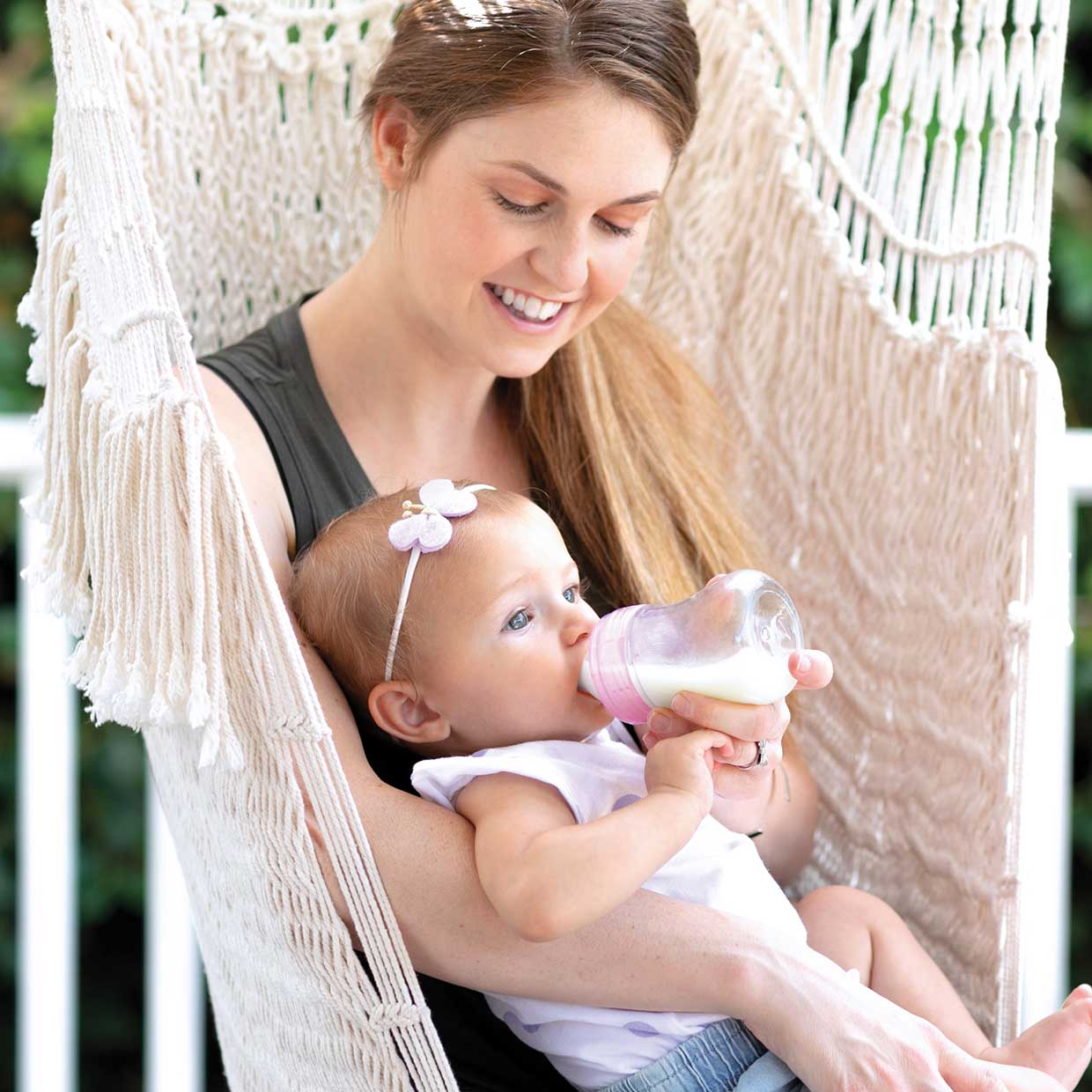
Safety rules when babies hold their own bottle
Safety is the top priority when teaching bottle holding. Follow simple rules every time.
- Always supervise bottle feeds to reduce choking and overfeeding risk.
- Avoid propping the bottle in a pillow or placing the baby unattended with a bottle.
- Keep baby semi-upright to reduce reflux and ear infection risk.
- Check bottle temperature before giving to baby.
- Stop bottle feeding when baby falls asleep regularly at the bottle to prevent tooth decay.
When figuring out when do babies hold their own bottle, safety considerations may change the timing. For example, babies with reflux might need more upright feeding and extra supervision.

How to teach your baby to hold their own bottle
Teaching is a step-by-step process. Keep sessions short, calm, and fun.
- Start when baby is alert and mildly hungry. A hungry but not frantic baby is more cooperative.
- Offer the bottle while supporting baby’s hand. Let them feel the weight first.
- Use bottles with easy-to-grip handles or add soft grips to the bottle.
- Practice during calm feeds. Gradually reduce hand support as baby improves.
- Praise effort, not perfection. Make it a positive experience.
From my experience, small, repeated practice sessions work best. I coached parents to give 2–3 short tries per day. Within a few weeks, many babies could hold the bottle for most of the feed.
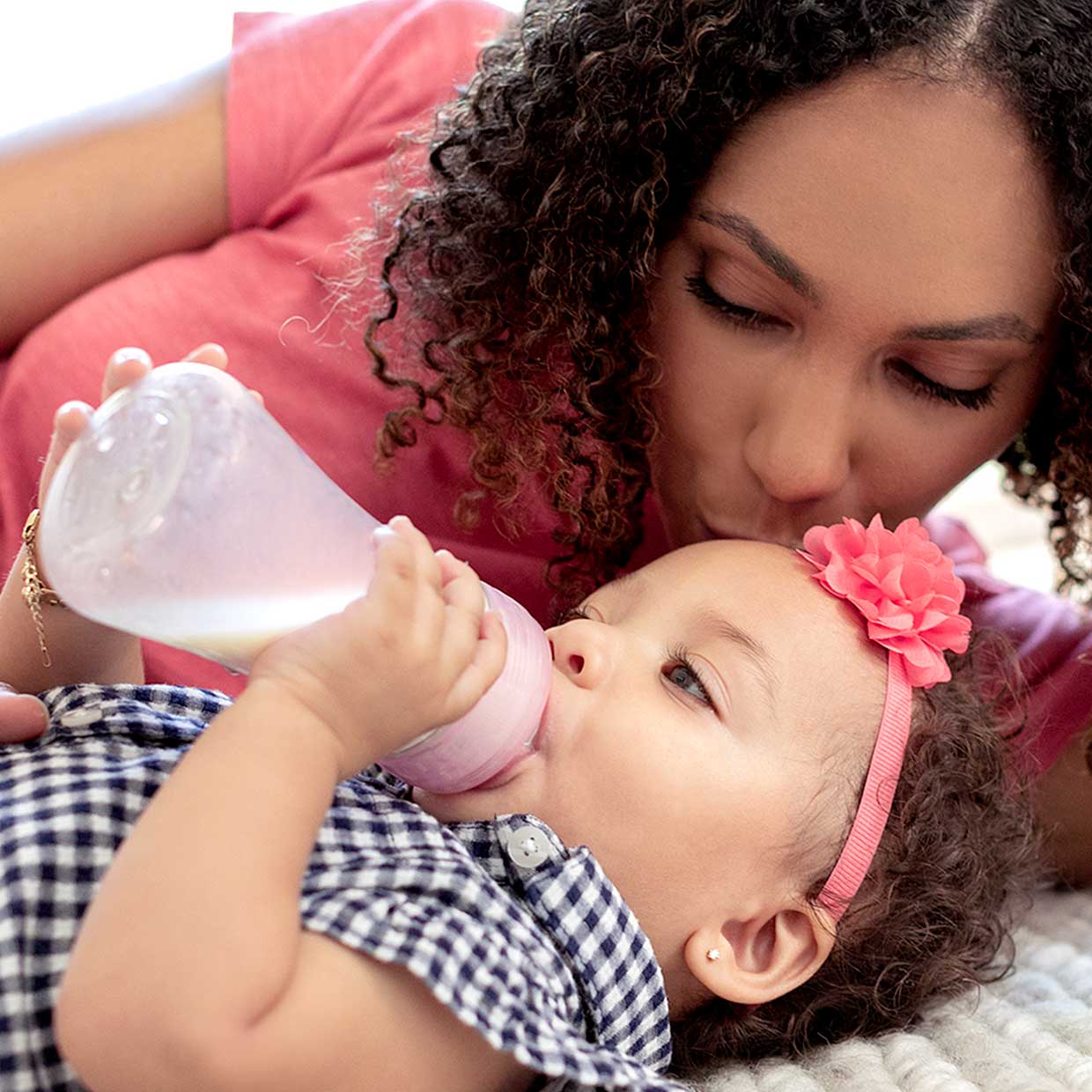
Products and tools that help when do babies hold their own bottle
Right tools make practice easier. Choose safe, simple items.
- Trainer bottles with two handles to help small hands.
- Lightweight bottles to reduce strain while learning.
- Soft bottle grips or silicone sleeves to improve hold.
- Comfortable high chair or support seat for stable sitting.
Avoid heavy glass bottles during practice. Lighter, ergonomically designed bottles speed the learning process and reduce frustration.

When to wait or seek help
Sometimes a pause or a check-in with a professional is wise when considering when do babies hold their own bottle.
- Premature infants may need more time to develop coordination.
- Babies with low muscle tone or medical conditions may progress slowly.
- If a 12-month-old cannot hold toys or bring objects to mouth, discuss it with your pediatrician.
I’ve worked with families where early intervention made a big difference. If you have concerns, a quick evaluation can clarify whether simple practice or further assessment is needed.

Practical tips and common mistakes
Small changes produce big gains. Here are real-world tips I’ve used and seen work.
- Keep practice brief. Short, calm sessions beat long, stressful ones.
- Model the action by letting baby hold an empty bottle first.
- Rotate bottles and toys to keep interest high.
- Don’t rush the transition from bottle to cup; both skills matter.
- Avoid forcing independence; support and nudge gently.
A common mistake is trying too late in a chaotic feeding moment. Start when baby is calm and engaged.

Frequently Asked Questions of when do babies hold their own bottle
When do most babies hold their own bottle?
Most babies begin to try holding a bottle around 4 to 6 months, with many reliably holding it by 6 to 9 months. Individual variation is normal.
Is it safe to let a baby hold a bottle while lying down?
It is not recommended to let a baby hold a bottle while lying flat due to increased choking and ear infection risks. Always keep the baby semi-upright and supervised.
What if my premature baby isn’t holding a bottle yet?
Premature babies often reach milestones later. Talk with your pediatrician about adjusted timelines and practice strategies to support motor skills.
Can holding their own bottle cause teeth problems?
Prolonged bottle use, especially with sugary liquids, can increase dental decay risk. Avoid letting baby sleep with a bottle and transition to a cup by around 12–18 months.
How can I help a baby who loses grip during feeding?
Use lightweight bottles, add soft grips, or practice holding with baby’s hand supported. Gentle guided practice improves grip strength and control.
When should I stop offering the bottle entirely?
Most experts suggest moving toward cups by 12–18 months and reducing bottle use by 18 months to lower tooth decay and encourage cup skills.
Conclusion
Most babies learn to hold their own bottle between 6 and 9 months, but the exact timing varies. Watch for head control, sitting ability, and grasp skills as signs your baby is ready. Use simple, supervised practice, safe positions, and lightweight bottles to help them learn. If you’re worried about delay or safety, consult your pediatrician for tailored advice. Try the small steps today, keep feeds calm, and celebrate the progress — then share your experiences or questions in the comments and subscribe for more practical parenting tips.