
Most babies say "mama" between six and twelve months, often first as babbling that becomes meaningful.
As a pediatric speech-language enthusiast with years of hands-on experience advising parents and working in early childhood settings, I’ll walk you through when do babies say mama and why the timing varies. This guide blends research-based insight, real-life examples, and simple tips you can use today to encourage clear, meaningful first words. Read on to understand typical timelines, what shapes early speech, how to support your baby, and when to get professional advice.

Typical timeline for saying "mama"
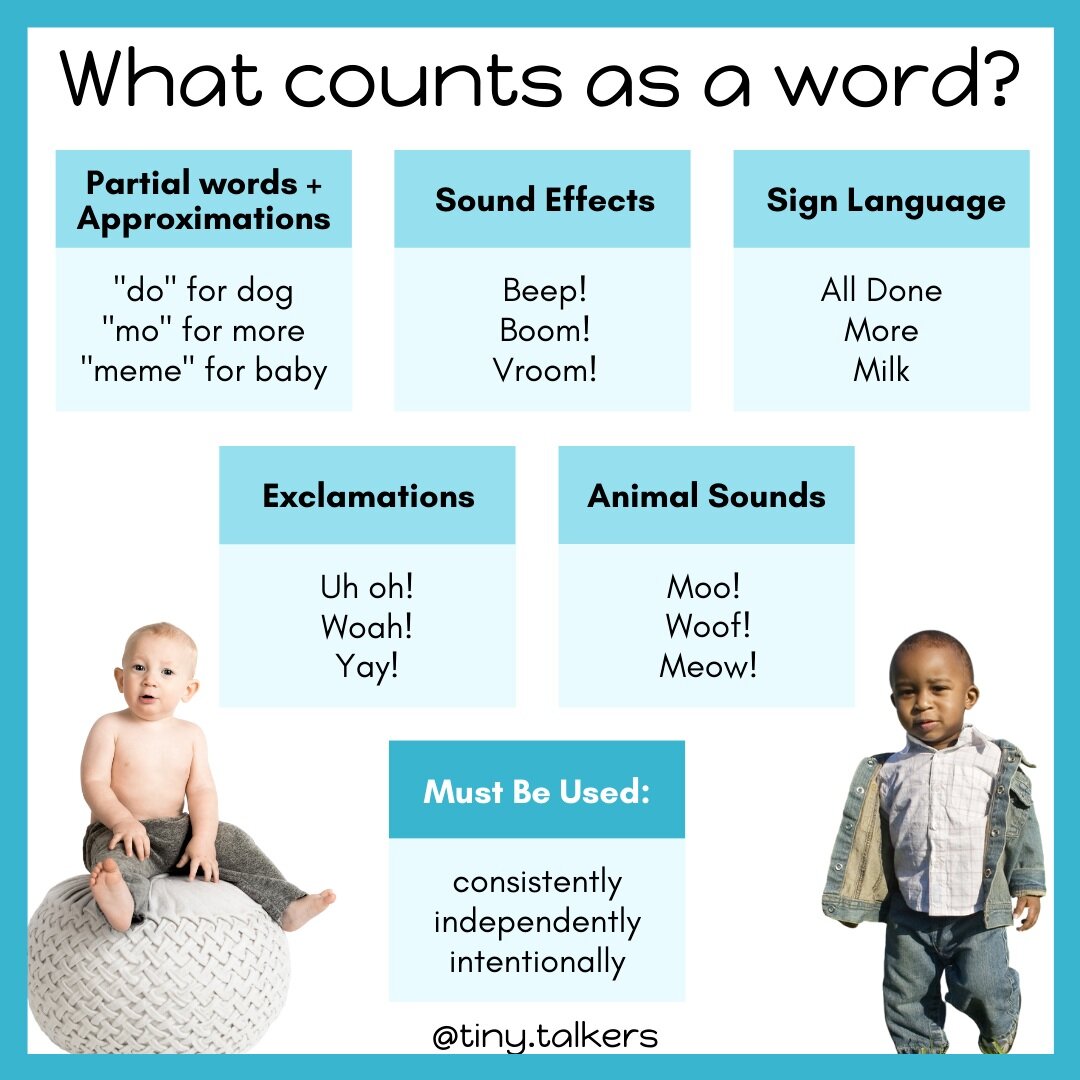
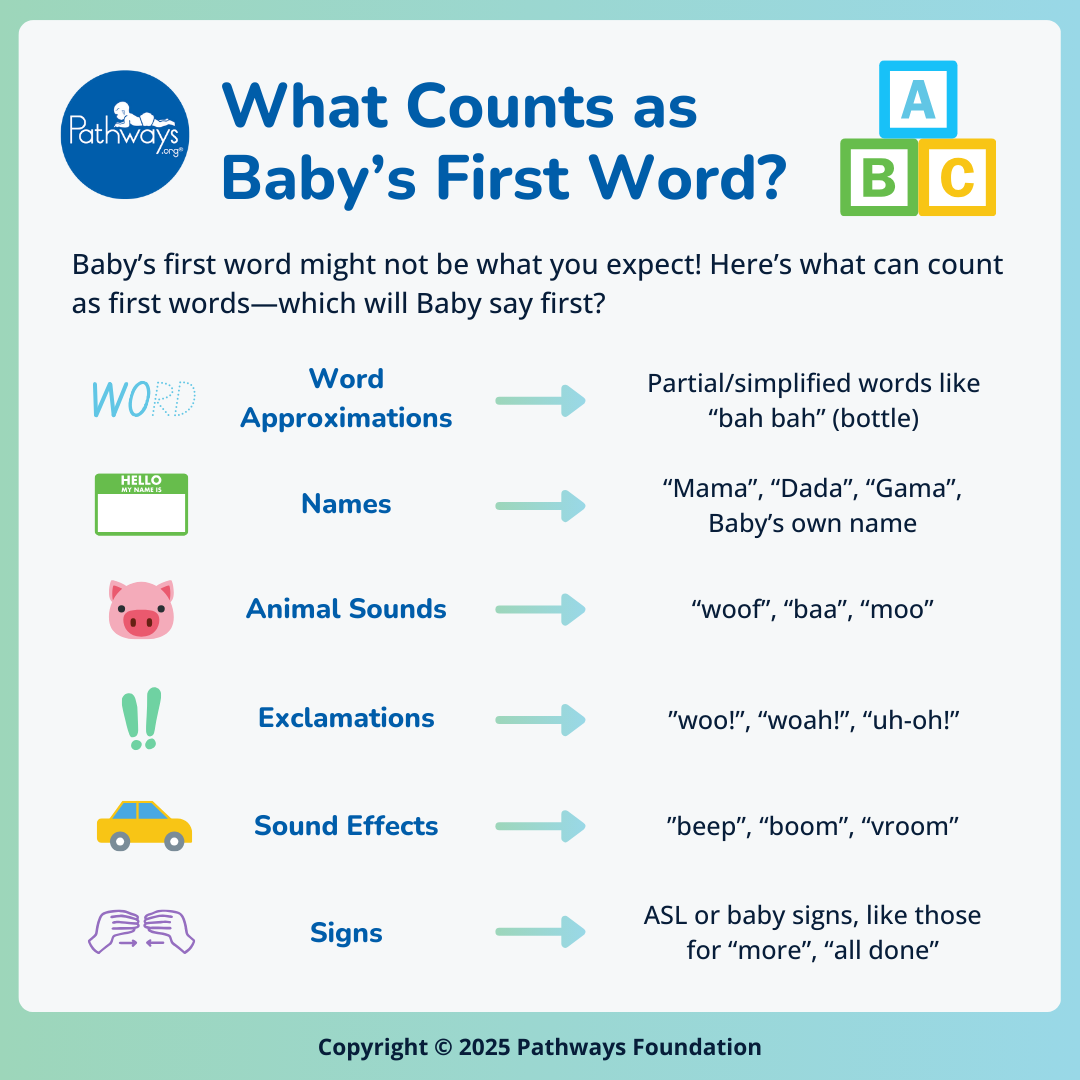
Most babies move from cooing to babbling and then to meaningful words. When do babies say mama often falls in the 6–12 month window. Early on, babies say sounds like "ba," "da," and "ma" as part of repetitive babble. Around 9–12 months many infants use "mama" deliberately for a parent, not just as a sound.
Common stages in early speech
- 0–3 months: cooing and vowel sounds.
- 4–6 months: consonant-vowel babbling such as "ba" or "ma."
- 6–9 months: more varied babble and intonation.
- 9–12 months: first targeted words, often "mama" or "dada."
When do babies say mama depends on many factors, but this timeline gives a clear map of what to expect. Watch for steady progress rather than exact dates.
What influences when babies say mama
Biology and environment both matter. Babies learn to say "mama" as they develop motor control in their mouth and as they hear caregivers respond to sounds. Social interaction speeds learning. Frequency of hearing a word and the emotional weight attached to it make a big difference in when a baby uses it meaningfully.
Key influences
- Hearing and listening: babies need clear exposure to the word.
- Social response: caregivers who respond make the word useful to the baby.
- Oral motor development: muscle control for lip and tongue movement is required.
- Temperament: some babies are eager talkers; others are quieter and take more time.
- Bilingual homes: babies may divide early sounds across languages and say "mama" later or in one language sooner.
A practical note on timing: if you ask when do babies say mama in bilingual homes, expect more variation. Both languages shape babbling and word choice.
How to encourage "mama" and early words
You do not need fancy tools to help your baby say "mama." Simple routines and warm interaction work best. Aim to make the word meaningful by linking it to the person and positive moments.
Simple, effective strategies
- Name the parent often when you play or feed: say "mama" naturally and clearly.
- Pause after saying "mama" to give the baby a chance to imitate.
- Use face-to-face time so the baby watches your mouth and expression.
- Respond to babble as if it matters to reinforce communication.
- Read simple board books with repeated names and images.
A tip from my practice: when babies see you smile and move closer each time they babble "ma," they try it more. That reward loop is powerful.

Signs of progress and related milestones
Saying "mama" is one sign among many in speech and social development. When do babies say mama is less important than steady gains in communication.
Look for these signs
- Increasing variety of sounds and syllables.
- Use of gestures like pointing and waving alongside sounds.
- Eye contact and turning toward a caller.
- Clear response when you say the baby’s name or call "mama."
If a baby babbles and links sounds with people and objects, that indicates healthy communication growth even before clear words appear.

When to seek advice
Most babies say "mama" on their own schedule. Still, certain red flags mean you should consult a pediatrician or speech-language pathologist. Early help leads to better outcomes when issues exist.
Red flags that warrant evaluation
- Little or no babbling by 9 months.
- No gestures like pointing or waving by 12 months.
- Not responding to sounds or name by 9–12 months.
- Sudden loss of sounds or social skills at any age.
If you worry about hearing, get a hearing check first. Hearing loss can delay word development. When do babies say mama after a hearing concern may be later, but early intervention helps.
My experience and practical tips
I’ve worked with parents who worried when do babies say mama and then relaxed as small steps added up. One baby I knew hardly babbled at seven months. Parents followed simple routines: name repetition, face time, and wait time. By ten months the baby began saying "mama" deliberately.
Lessons learned
- Patience matters: small daily routines beat sporadic drills.
- Quality beats quantity: brief, loving exchanges work best.
- Copy and expand: say the sound back and add one word to model speech.
Avoid these common mistakes
- Repeating the word too quickly without pauses.
- Rushing to label everything at once instead of focusing on people and routine.
- Comparing timelines too strongly with other babies.
When do babies say mama is often less a fixed moment and more a process. Trust the pattern of small gains.
Frequently Asked Questions of when do babies say mama
When is the earliest a baby might say mama?
Some babies begin to babble "ma" as early as 4–6 months, but meaningful use of "mama" usually appears between 6 and 12 months.
What if my baby says "dada" before "mama"?
It is common. Sound ease and timing often make "dada" appear first. Both are normal milestones and depend on the baby’s sound preferences.
Can I teach my baby to say mama faster?
You can encourage the word by naming the parent often, pausing to let the baby imitate, and responding warmly to attempts. Consistent, short interactions are most effective.
Does bilingualism delay saying mama?
Bilingual babies may show more variation, but they typically reach language milestones when both languages are combined. The timing for "mama" can vary without indicating a problem.
When should I worry about speech delay?
If your baby has no babbling by 9 months, no gestures by 12 months, or stops using sounds they had, consult a pediatrician or speech therapist for evaluation.
Conclusion
Saying "mama" is a key and sweet step in a baby’s language journey, but it often arrives as part of steady growth rather than on a single set date. Focus on warm interaction, clear naming, and patient routines to support your child. If you notice persistent delays or hearing concerns, seek professional advice early to give your baby the best start.
Try one new naming routine this week. Notice how your baby responds. If it helps, share your story or questions below and subscribe for more practical child language tips.