
Most children begin losing baby teeth around age 6 and usually finish by 12–13 years.
I’ve guided hundreds of parents through the loose-tooth phase and researched pediatric dental timelines to give you a clear, friendly, and accurate guide on when do baby teeth fall out. Read on to learn the typical schedule, signs to watch for, safe care tips, and when to call a dentist so you can feel confident supporting your child through each wiggly tooth.
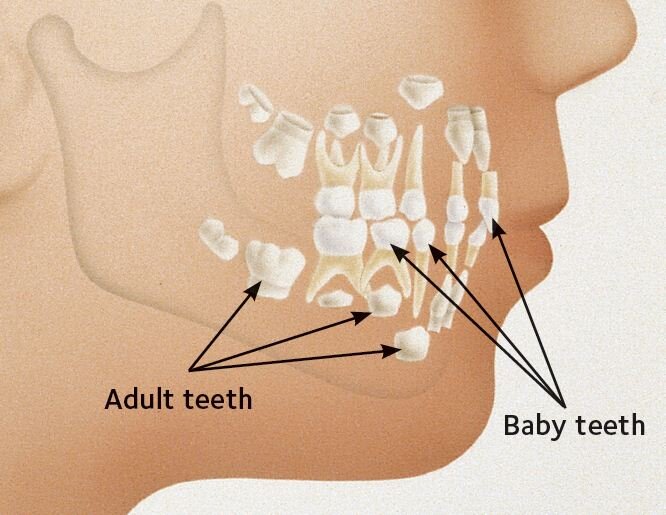
Typical timeline: when do baby teeth fall out
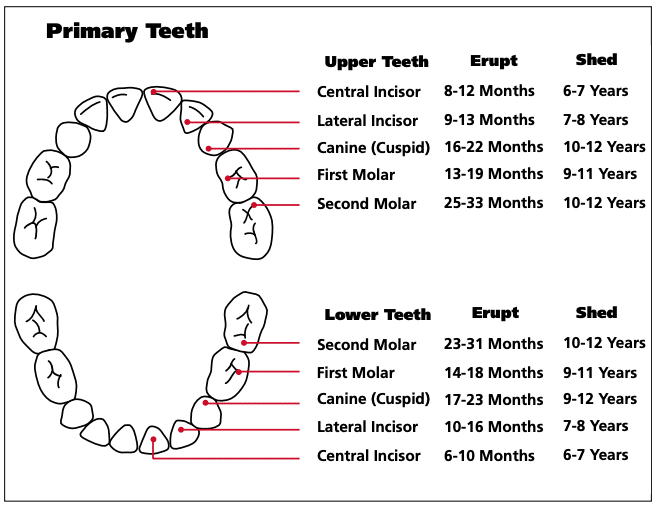
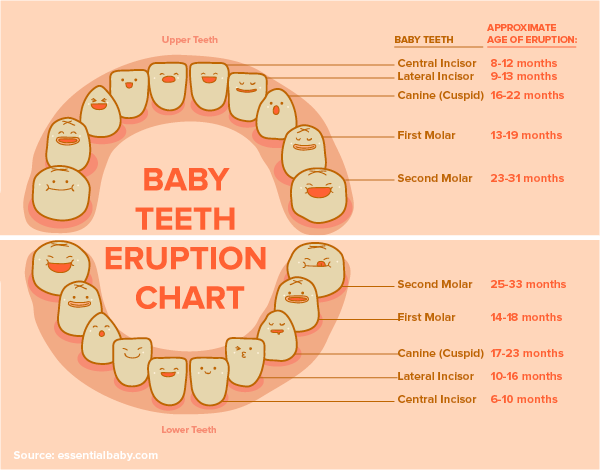
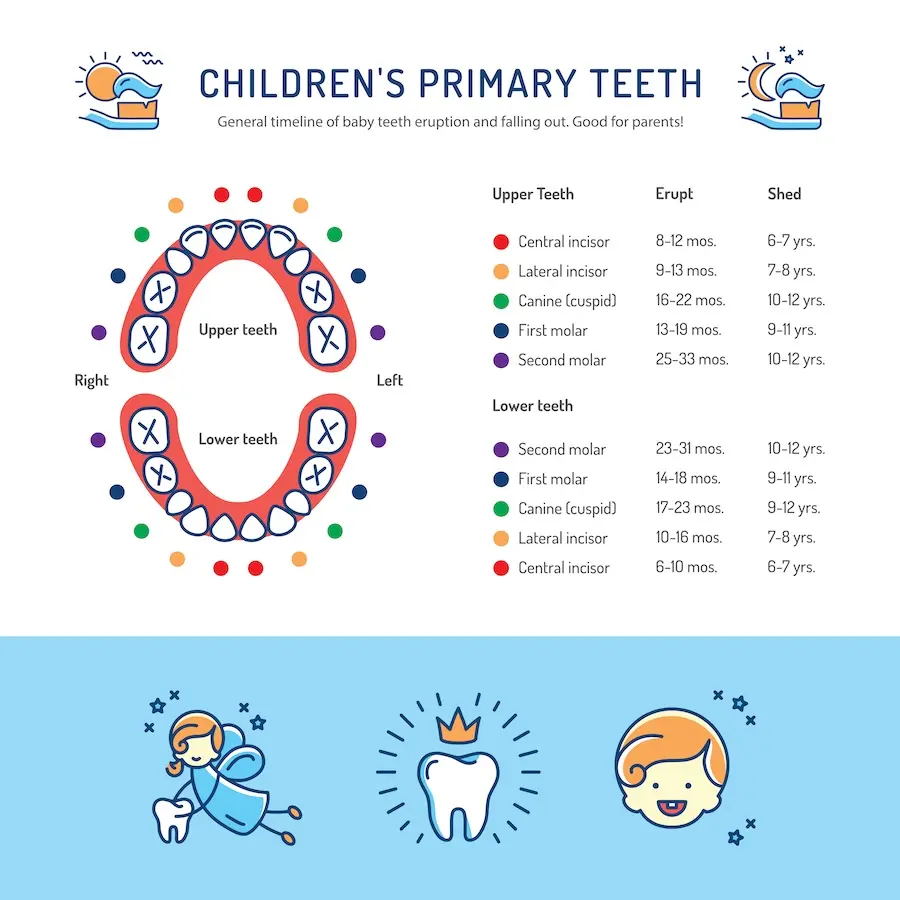
Children usually start losing baby teeth around age 6. The first teeth to fall are most often the lower central incisors, followed by upper central incisors. By age 12 to 13, most kids have lost all 20 primary teeth and permanent teeth are filling in.
Key stages:
- Age 6 to 7: Lower and upper central incisors fall out.
- Age 7 to 8: Lateral incisors and first molars may loosen.
- Age 9 to 11: Canines and premolars begin to replace baby molars.
- Age 11 to 13: Remaining molars and canines usually fall out.
Keep in mind that this timeline answers the core question of when do baby teeth fall out while still allowing for normal variation. Some children start earlier or later without any problem. If a child loses a tooth much earlier or much later than peers, discuss it with your pediatric dentist to rule out underlying issues.

PAA-style quick questions (short answers)
How early can baby teeth fall out?
Baby teeth can fall out as early as age 4 in some cases, though 6 is more common. Early loss may need dental review.
Is it normal if baby teeth fall out late?
Yes. Losing baby teeth at age 8 to 9 can still be normal. Persistent delay beyond 13 deserves a dental check.
Do baby teeth fall out in the same order they came in?
Usually yes. Front incisors that erupted first often fall out first, but order can vary slightly.
Early or late tooth loss: causes and normal variation
When do baby teeth fall out can depend on several factors. Genetics, dental crowding, injuries, and medical conditions all play a role. Nutritional status and overall health also influence timing.
Common causes of early tooth loss:
- Tooth decay that weakens the root structure.
- Trauma or accidents that knock teeth loose.
- Certain medical or genetic conditions that affect tooth development.
Common causes of delayed tooth loss:
- Permanent teeth that are slow to develop or move into place.
- Prolonged retention of baby tooth roots.
- Dental crowding where permanent teeth are blocked and cannot push out baby teeth.
From my experience working with families, most timing differences are harmless. However, if a tooth falls out much earlier than peers or stays until the mid-teens, get a dental X-ray to check for underlying issues.
Signs your child’s baby tooth is about to fall out
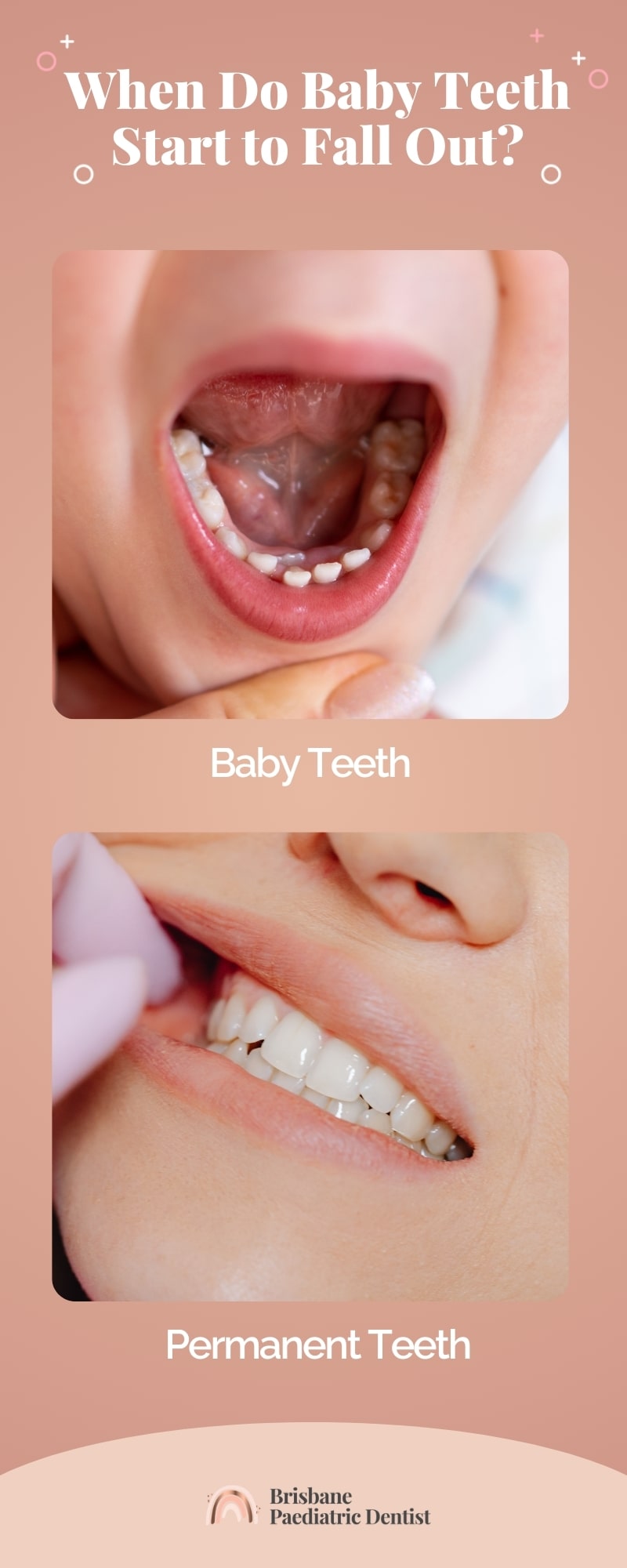
Parents often ask when do baby teeth fall out and how to spot the start. Here are common signs that a tooth will fall soon:
- Noticeable looseness when wiggled gently.
- Mild discomfort or sensitivity while chewing.
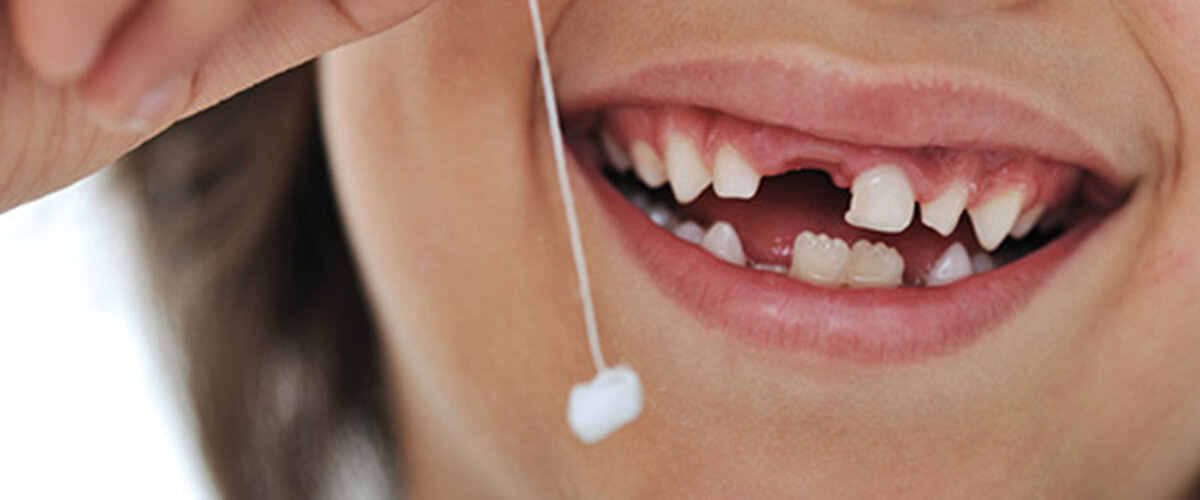
- Tooth appearing longer as the permanent tooth pushes underneath.
- Slight bleeding or a small gap where the tooth sits.
Simple ways to check:
- Have your child rinse and look in a mirror.
- Gently wiggle with clean fingers if the child is comfortable.
- Avoid forcing a tooth that isn’t ready.
I remember a child who kept insisting a tooth was ready but it barely moved. With a gentle check and patience, the tooth fell naturally two days later. Patience is usually the best approach.
How to help: pain relief, care, and safe practices
When do baby teeth fall out, parents want safe ways to ease discomfort and care for the mouth. Most tooth loss is low-risk and needs only simple care.
Comfort and care tips:
- Offer soft foods like yogurt and soup during soreness.
- Use a cold compress for swollen gums for 10–15 minutes.
- Over-the-counter children’s pain relievers can help, following dosing instructions.
- Encourage rinsing with warm salt water to keep the socket clean after a tooth falls out.
Do not:
- Pull a tooth that isn’t loose — wait until it moves freely.
- Use risky home remedies that aren’t dentist-recommended.
- Ignore excessive bleeding or severe pain.
Practical tip from experience: give your child a small reward or a fun “tooth ceremony” after the tooth falls. It reduces anxiety and makes the event positive.
When to see a dentist
Knowing when do baby teeth fall out also means knowing when to seek professional help. See a dentist if:
- A tooth falls out much earlier than normal (before age 5) without trauma.
- A tooth is loose but the permanent tooth underneath is not visible by age 8–9.
- There is persistent pain, swelling, fever, or signs of infection.
- Several teeth are delayed or expelled after an injury.
A dental exam and X-ray can show if permanent teeth are present and developing properly. Early intervention can prevent crowding, misalignment, or the need for more complex treatment later.
Common myths and mistakes to avoid
When do baby teeth fall out brings myths that can worry parents. Here are facts to clear common misunderstandings.
Myth: You should yank out loose teeth to speed things up.
Fact: Forcing a tooth can cause pain, bleeding, and infection. Wait until it’s very loose or let a dentist handle it.
Myth: Baby teeth aren’t important because they fall out anyway.
Fact: Baby teeth hold space for permanent teeth and help with chewing, speech, and jaw growth. Keep them healthy.
Myth: All kids lose teeth at exactly the same ages.
Fact: There is a normal range. Genetics and health make timing variable.
Avoid these mistakes:
- Ignoring severe or unusual symptoms.
- Skipping regular dental visits during the transition years.
- Allowing prolonged thumb-sucking that can affect tooth alignment.
Personal experience and practical tips
From my experience helping families, two practical habits help most children:
- Keep a simple tooth chart to track when each baby tooth becomes loose and falls. This helps spot patterns early.
- Maintain routine dental visits every six months, even through the tooth-loss years.
A story I often share: a parent brought a shy 7-year-old worried about a loose tooth. A calm check, an explanation of what to expect, and a playful “wiggle contest” turned fear into excitement. Small emotional support makes a big difference.
Frequently Asked Questions of when do baby teeth fall out
When do baby teeth fall out for most kids?
Most kids start losing baby teeth at about age 6 and finish by 12 to 13. Timing can vary by a few years and still be normal.
What is the usual first tooth to fall out?
The lower central incisors are usually the first to fall out. Upper central incisors commonly follow soon after.
Is it normal for a child to have missing permanent teeth?
Sometimes permanent teeth are congenitally missing or delayed. A dentist can confirm with X-rays and advise on treatment if needed.
How long does it take for a permanent tooth to come in after a baby tooth falls out?
Permanent teeth typically erupt within weeks to a few months after a baby tooth is lost. The timeline varies by tooth.
Can tooth loss cause serious problems?
Most baby tooth loss is harmless. Problems occur with infection, severe premature loss, or missing permanent teeth, which need dental attention.
What should I do if a tooth is knocked out in an accident?
Keep calm, control bleeding, and see a dentist immediately. For baby teeth, do not replant them; seek professional care for assessment.
Are there ways to reduce anxiety about losing teeth?
Yes. Explain the process simply, read books about losing teeth, and make the event fun with rituals or minor rewards.
Conclusion
Knowing when do baby teeth fall out helps you support your child with calm and confidence. Most children start around age 6 and finish by 12–13, but variation is normal. Watch for loosening, mild discomfort, and the appearance of permanent teeth, and keep regular dental checkups to catch any concerns early.
Takeaway: stay informed, offer gentle care, and consult a dentist when timing or symptoms seem unusual. If this guide helped, consider subscribing for more child health and dental tips, or leave a comment with your own loose-tooth stories — I’d love to hear them.