
Introduction
Most babies should not receive Benadryl (diphenhydramine) unless a U.S. pediatrician or other qualified clinician tells you to use it. The product label says not to give oral Benadryl to children under age 2. The American Academy of Pediatrics also advises parents not to use diphenhydramine in young children unless a doctor recommends it.
Benadryl can cause serious sleepiness, breathing problems, agitation, or overdose in infants. It also does not treat the dangerous part of a severe allergic reaction. If your baby has trouble breathing, swelling of the lips or tongue, repeated vomiting, collapse, or widespread hives with other symptoms, call 911. Use an epinephrine auto-injector if your child has one and a clinician has prescribed it.


What Is Benadryl?
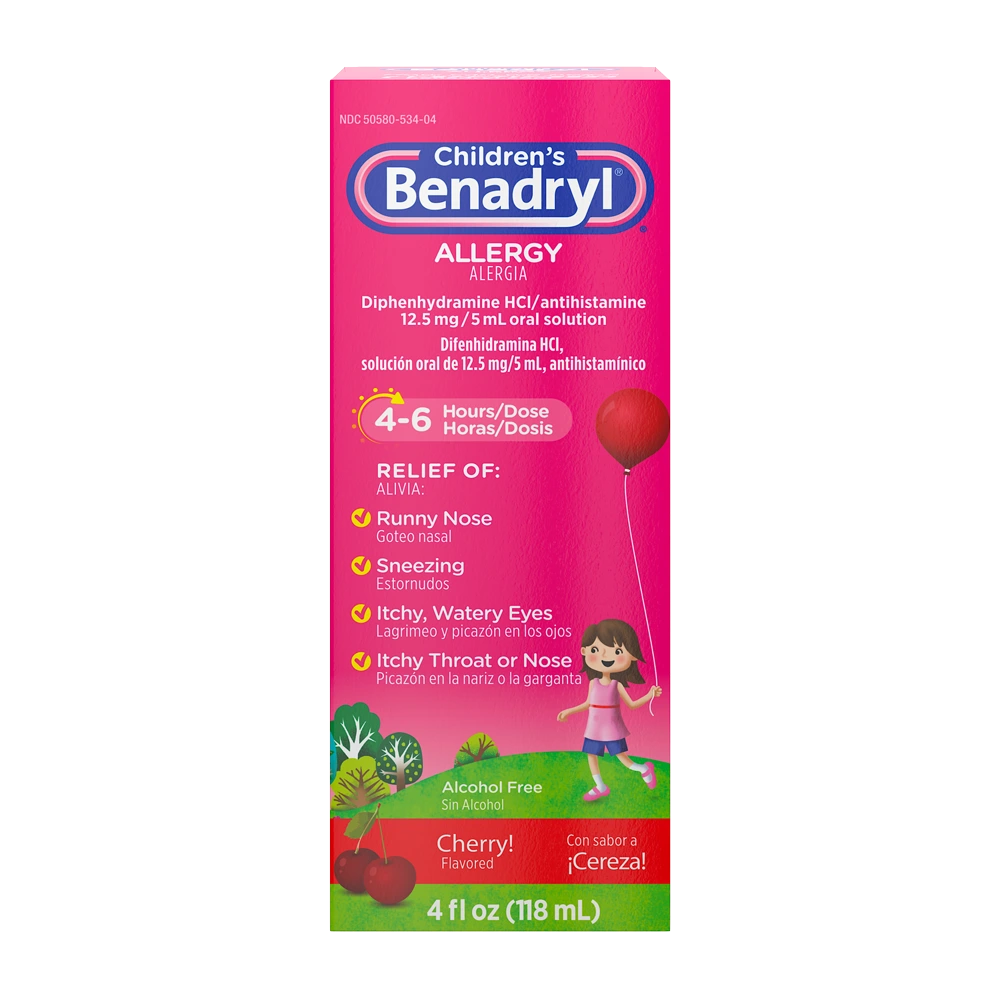
Benadryl is a brand name for diphenhydramine, an antihistamine. It blocks histamine, a chemical involved in allergy symptoms such as itching, hives, sneezing, and a runny nose.
Diphenhydramine can also make people sleepy. That effect is one reason some parents think it may help a baby sleep during travel or illness. Using Benadryl to make a baby sleep is unsafe and not recommended.
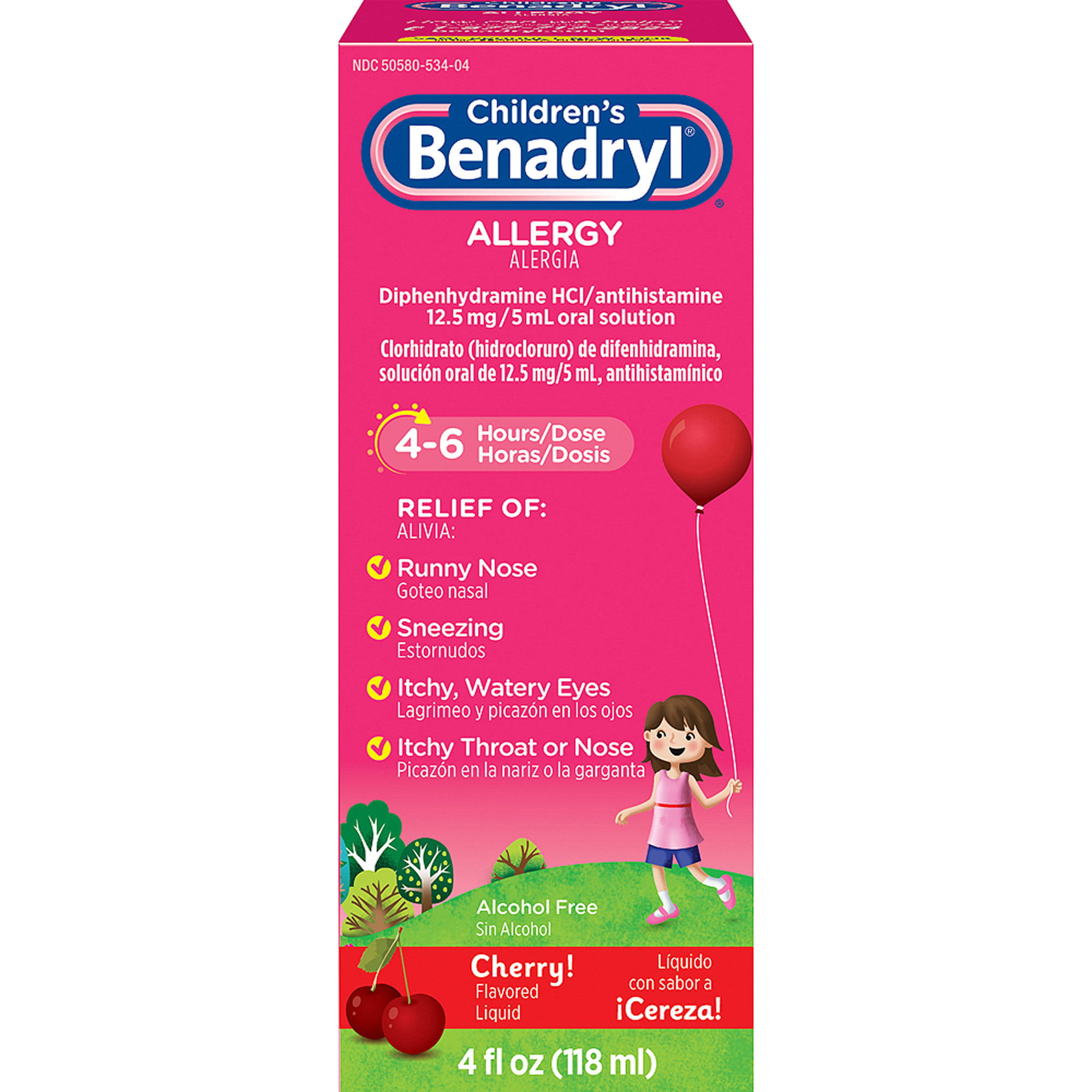
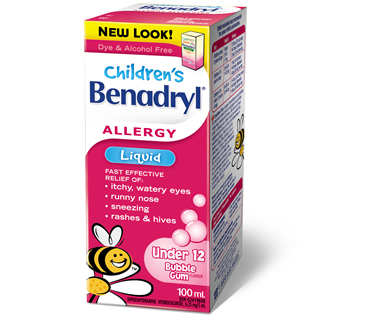
Benadryl products are not all the same. Some contain diphenhydramine alone. Others contain extra ingredients for cough, cold, congestion, or pain. Combination products can raise the risk of a dosing mistake.
Always check:
- The active ingredient
- The drug strength
- The child’s age
- Whether the product is for children
- Whether it contains other medicines
- The measuring device included with the product
A liquid labeled “children’s” is not automatically safe for infants. Read the full Drug Facts label.
Is Benadryl Safe for Babies?
For babies younger than 2 years, do not give oral Benadryl unless a doctor gives you clear instructions. U.S. over-the-counter diphenhydramine labels commonly state: “Do not use” in children under 2 years. Some labels say to ask a doctor before use in children under 6 years.
A doctor may sometimes recommend diphenhydramine for a specific medical reason. That decision depends on the baby’s age, weight, symptoms, other medicines, and health history. A clinician may also choose a different antihistamine or a non-drug treatment.
The risk is not only excess sleepiness. Babies may have:
- Slow or difficult breathing
- Extreme drowsiness
- Poor feeding
- Weakness or limpness
- Confusion or unusual behavior
- Fast heartbeat
- Agitation or restlessness
- Seizures
- Loss of consciousness
Some children become excited rather than sleepy after diphenhydramine. This reaction is called paradoxical excitation. It can make the medicine seem as if it is not working, which may tempt a caregiver to give more.
Never repeat a dose because a baby does not become sleepy.

Why age matters
Babies have small bodies and developing systems that process medicines differently from older children. A small measuring error can also produce a large dose relative to body weight.
A baby’s symptoms may have causes that Benadryl cannot treat. A rash may come from a virus, heat, eczema, or an irritant. Noisy breathing may come from congestion, croup, or a more serious problem. Treating the wrong cause can delay needed care.
When Might a Doctor Recommend Diphenhydramine?
A clinician may recommend diphenhydramine for a particular allergy-related problem in some children, but the instructions must come from that clinician. The dose is not based on age alone.
A doctor will consider:
- The child’s weight
- The reason for treatment
- The exact product and concentration
- Other medicines the child has taken
- Kidney, liver, breathing, or heart problems
- Whether the baby is premature or has another medical condition
Do not use an adult product, a sibling’s medicine, or an old prescription. Do not estimate a dose from a website, social media post, or a household spoon.
If a doctor does prescribe or recommend it, ask:
- What exact product should I use?
- How much should I give?
- How often can I give it?
- What measuring syringe should I use?
- How many doses are safe?
- What side effects require a call or emergency care?
- What should I do if my baby spits it out or vomits?
A written instruction can prevent mistakes, especially when more than one caregiver helps with the baby.
What to Do if Your Baby Has an Allergic Reaction
The right response depends on the symptoms. A severe allergic reaction needs emergency treatment, not Benadryl alone.
Call 911 now for signs of anaphylaxis
Call 911 in the United States if your baby has any of these signs, especially after eating a food, taking a medicine, or receiving a vaccine:
- Trouble breathing, wheezing, or noisy breathing
- Swelling of the tongue, lips, mouth, or throat
- Pale, blue, or gray skin
- Sudden limpness, fainting, or unusual sleepiness
- Repeated vomiting with hives or swelling
- Hives or flushing plus breathing, stomach, or circulation symptoms
If your child has a prescribed epinephrine auto-injector, use it as directed. Epinephrine is the first-line treatment for anaphylaxis. Do not wait to see whether Benadryl works.
After giving epinephrine, call 911 even if the baby seems better. Emergency teams can watch for symptoms that return and provide more treatment if needed.


For mild symptoms
If your baby has a small area of mild itching or a few hives but is breathing normally and acting well, call the child’s pediatrician for advice. Do not assume the rash is an allergy.
Until you receive guidance:
- Stop the suspected new food, medicine, or product.
- Keep the baby with you and watch for changes.
- Take a photo of the rash if it changes quickly.
- Note what the baby ate or touched and when.
- Do not give a new medicine without checking first.
Hives can spread even when the reaction remains mild, so continue to watch the baby closely.
Can Benadryl Help a Baby’s Cold, Cough, or Teething?
Benadryl is not a routine treatment for a baby’s cold, cough, or teething. Diphenhydramine does not cure a viral infection. It can also thicken mucus and cause sedation, which may make it harder to notice that a baby is getting worse.
For a stuffy nose, safer comfort measures may include:
- Saline nose drops
- Gentle suction with a bulb or nasal aspirator
- A cool-mist humidifier
- Fluids or breast milk as advised by the child’s clinician
- Holding the baby upright while awake
Never prop a baby to sleep or place pillows, wedges, or loose items in the sleep space. Babies should sleep on their backs on a firm, flat surface.
For teething, ask the pediatrician about age-appropriate care. Avoid numbing gels containing benzocaine in infants and avoid teething products that may be unsafe. The U.S. Food and Drug Administration warns against benzocaine oral products for children younger than 2 years because of the risk of methemoglobinemia, a serious condition that reduces oxygen delivery in the blood.
Do not give babies multi-symptom cold medicines unless a clinician specifically directs you. These products may contain several ingredients and can cause accidental double dosing.
What If You Already Gave Your Baby Benadryl?
If your baby received Benadryl, do not give another dose until you have spoken with a medical professional. Keep the package nearby so you can report the product name, strength, and ingredients.
Call Poison Control in the United States at 1-800-222-1222 for immediate, free advice. The service is available 24 hours a day, seven days a week. You can also use PoisonControl.org for online help when appropriate.
Call 911 right away if the baby:
- Is difficult to wake
- Has slow, shallow, or unusual breathing
- Turns blue, gray, or very pale
- Has a seizure
- Collapses
- Has severe agitation or a very fast heartbeat
When calling, provide:
- The baby’s age and weight
- The product name
- The strength, such as milligrams per 5 milliliters
- The amount given
- The time it was given
- Any other medicines taken
- The baby’s current symptoms
Do not make the baby vomit. Do not give more medicine, food, or drink unless Poison Control or a clinician tells you to do so.
How to Prevent a Benadryl Dosing Error
Most medicine errors happen when a caregiver uses the wrong product, the wrong tool, or more than one medicine with the same ingredient.


Use these safeguards:
- Store medicine out of a child’s reach.
- Keep medicine in its original package.
- Use an oral syringe, not a kitchen spoon.
- Check the concentration every time.
- Write down the time and amount of each dose.
- Tell every caregiver what was given.
- Avoid products with several active ingredients.
- Ask a pharmacist to check the product before use.
Never use diphenhydramine as a sleep aid. Do not mix it into a bottle unless a clinician or pharmacist specifically says to do so. If a baby does not finish the bottle, you may not know how much medicine the baby received.
Do not confuse Benadryl with other antihistamines
Some allergy medicines have different ingredients and age limits. Cetirizine, loratadine, and other antihistamines are not interchangeable with diphenhydramine. Their liquid strengths, dosing rules, and approved ages differ.
A pharmacist can help you compare the exact products available in your home. The safest question is not “How much Benadryl can my baby have?” It is: “What is causing these symptoms, and what treatment is safe for this child?”
When to Call the Pediatrician
Call your baby’s pediatrician for advice about:
- Hives without emergency symptoms
- A new rash
- Itching that does not improve
- A possible food or medicine reaction
- A cough or cold in a very young baby
- Any medicine given by mistake
- Symptoms that are getting worse
Seek urgent care for breathing changes, poor feeding with unusual sleepiness, signs of dehydration, or a baby who looks very ill. For babies younger than 3 months, a rectal temperature of 100.4°F (38°C) or higher needs prompt medical advice.
Do not use Benadryl to hide a fever, calm a crying baby, or help a baby sleep. Those symptoms need an assessment of the cause.

Frequently Asked Questions
Can a 6-month-old have Benadryl?
A 6-month-old should not receive Benadryl unless the baby’s doctor specifically recommends it. The U.S. product label says not to use oral diphenhydramine in children under 2 years. Ask the pediatrician about the symptom and the safest treatment.
Can Benadryl help a baby sleep?
No. Do not use Benadryl as a sleep aid. It can cause excessive sedation, breathing problems, agitation, or overdose. A baby who is unusually sleepy after taking it needs urgent medical advice.
Is Benadryl safe for a baby with hives?
Do not give it without medical guidance. Hives may be mild, but they can also be an early sign of a serious reaction. Call 911 for hives with breathing trouble, swelling, repeated vomiting, faintness, or unusual limpness.
Is children’s Benadryl different from infant Benadryl?
“Children’s” describes the intended product group, not proof that the medicine is safe for infants. Check the active ingredient, concentration, label age range, and added ingredients. There may not be an infant-approved version for your baby’s situation.
What can I give my baby instead of Benadryl for allergies?
The answer depends on the symptoms and the baby’s age. For a blocked nose, saline drops and gentle suction may help. For hives or suspected food allergy, call the pediatrician. For severe symptoms, use prescribed epinephrine and call 911 rather than relying on an antihistamine.


Key Takeaways
- Do not give Benadryl to a baby under 2 unless a clinician specifically directs you.
- Benadryl is not a safe sleep aid and is not a routine cold or teething treatment.
- Never guess the dose or use a sibling’s medicine.
- For breathing trouble, tongue or throat swelling, collapse, or severe symptoms, call 911.
- For a possible overdose, call Poison Control at 1-800-222-1222.
- Ask a pediatrician or pharmacist about the exact symptom and product before giving medicine.
Conclusion
Benadryl may be useful for some older children and specific medical situations, but it is not a routine medicine for babies. The safest plan is to identify the symptom, check the product label, and contact a pediatrician before giving diphenhydramine.
If your baby may be having a severe allergic reaction, act quickly: use prescribed epinephrine, call 911, and do not wait for Benadryl to work.
