Most babies should breastfeed exclusively for about six months, then continue with solid foods for two years or longer.
Knowing how long should I breastfeed my baby can make feeding feel less uncertain. Current guidance from the American Academy of Pediatrics and the World Health Organization supports exclusive breastfeeding for about six months, followed by continued breastfeeding with complementary foods. Still, every family has different needs, and a healthy feeding plan should support both the baby and the breastfeeding parent.
How long should I breastfeed my baby?
The short answer is simple: breastfeed exclusively for about the first six months if possible. At around six months, begin safe, age appropriate solid foods while continuing to breastfeed.
The American Academy of Pediatrics recommends breastfeeding for six months, then continuing for at least two years and beyond, as long as it is mutually desired by the parent and child. The World Health Organization gives similar advice.
This does not mean breastfeeding must stop at two years. It means there is no medical need to stop at that age if breastfeeding still works well for both of you.
The answer to how long should I breastfeed my baby may also change with your health, work schedule, milk supply, family support, and your baby’s growth. Breastfeeding is not an all or nothing choice. Any amount of breast milk can provide value, and combination feeding can also be a healthy option.
Breastfeeding recommendations by age
Breastfeeding needs change as your baby grows. Here is a simple guide.
Birth to about six months
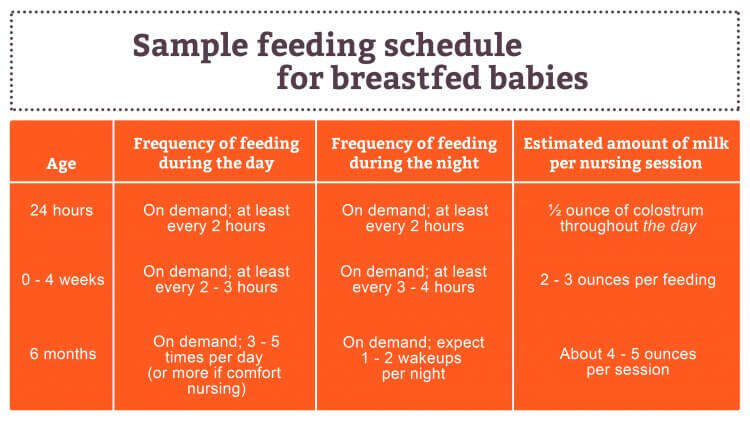
During this stage, breast milk can be your baby’s main source of food and fluid. Newborns often breastfeed 8 to 12 times in 24 hours, though feeding patterns vary.
Offer the breast when your baby shows hunger signs, such as:
• Stirring or waking
• Turning the head toward the breast
• Opening the mouth
• Sucking on hands
• Making soft sounds
Crying is often a late hunger sign. Feeding earlier may help your baby latch more calmly.
Around six months
At about six months, most babies are ready to try solid foods. Signs of readiness may include:
• Sitting upright with good head control
• Reaching for food
• Opening the mouth when food is offered
• Moving food from the front of the mouth toward the back
• Losing the strong tongue thrust that pushes food out
Begin with small amounts of soft food. Breast milk remains important during this transition.
Six to twelve months
Continue breastfeeding while offering a variety of foods. Start with iron rich foods, such as meat, beans, lentils, eggs, and iron fortified cereals.
Your baby may breastfeed before or after meals. There is no need to force a strict schedule. Think of solid food as practice at first, while breast milk remains a major source of nutrition.
Twelve months and beyond
After the first birthday, breast milk can still provide calories, protein, healthy fats, and immune support. Toddlers may nurse for comfort, connection, sleep, or nutrition.
Some children breastfeed once or twice a day. Others ask to nurse more often during illness, travel, teething, or major changes at home.
Benefits of breastfeeding past six months
Many parents wonder if breastfeeding still matters after their baby starts eating solids. It does. Breast milk continues to offer nutritional and immune benefits throughout the second year and beyond.
Potential benefits include:
• Continued intake of protein, fats, vitamins, and other nutrients
• Antibodies and immune factors that may help protect against infection
• Comfort during sickness, teething, and stress
• A familiar way to calm and reconnect
• Support for the parent and child bond
Breastfeeding after six months does not replace solid food. Babies need a varied diet as they grow. Breast milk and solid foods work together, much like two parts of the same bridge.
Research also suggests that longer breastfeeding is linked with some health benefits for both parent and child. However, studies often involve many factors at once, such as family income, health care access, diet, and parental education. This means breastfeeding alone cannot explain every result.

When should I introduce solid foods?
Most babies should begin solid foods at about six months. Starting much earlier is not usually recommended unless a health care professional gives specific advice.
Breast milk or infant formula should remain the main source of nutrition from six to twelve months. Solids slowly increase over time as your baby learns to chew, swallow, and enjoy new tastes.
Offer one or two small servings at first. Then gradually increase the amount and variety.
Good early foods include:
• Mashed beans or lentils
• Soft cooked vegetables
• Avocado
• Plain yogurt
• Scrambled egg
• Soft pieces of meat or fish
• Iron fortified infant cereal
Introduce common allergens, such as peanut and egg, when your baby is ready for solids. Early introduction may lower the risk of food allergy for some children. Ask your pediatrician for guidance if your baby has severe eczema, an existing food allergy, or another medical concern.
Never give honey before one year of age. Avoid choking hazards, including whole grapes, popcorn, nuts, chunks of raw vegetables, and hard pieces of meat.
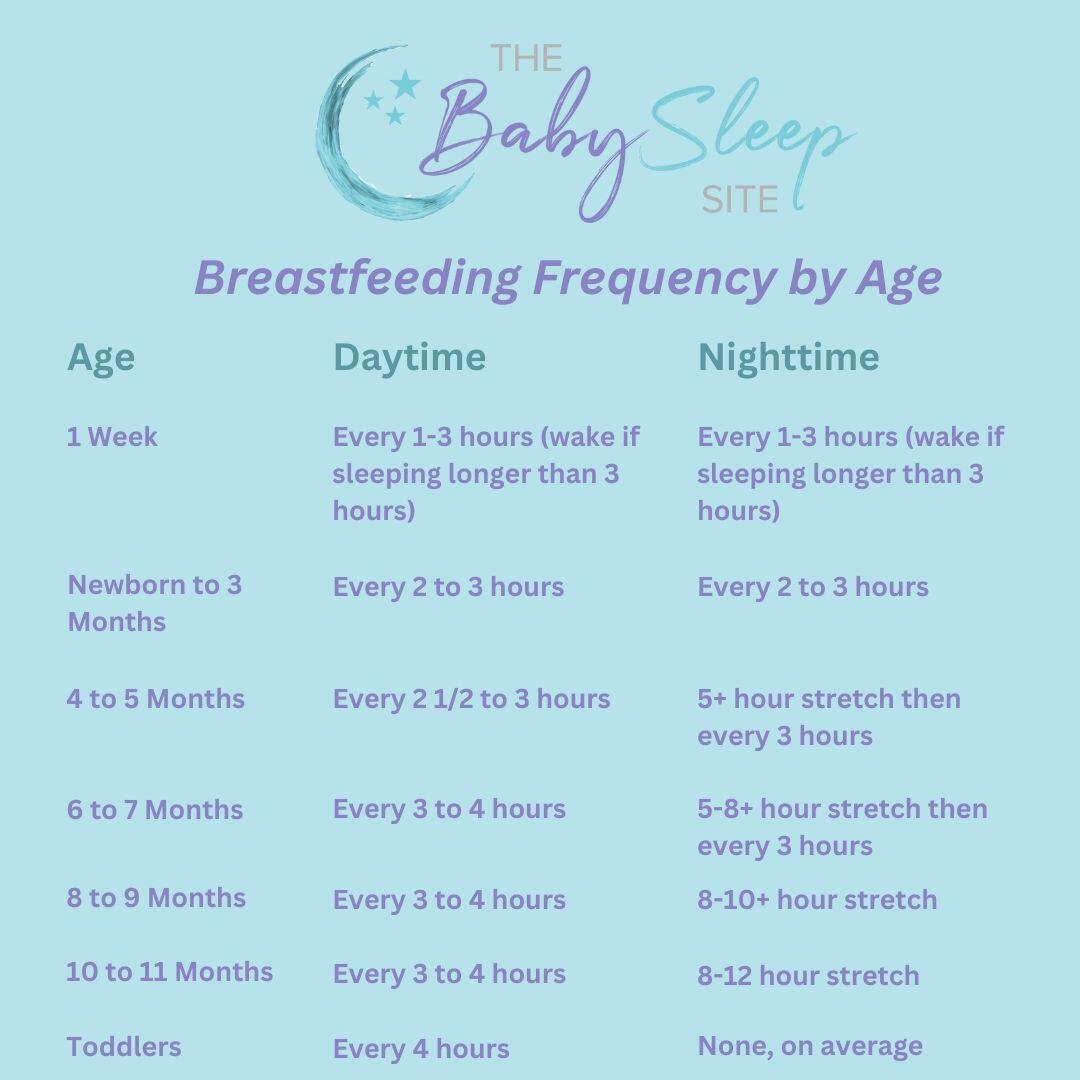
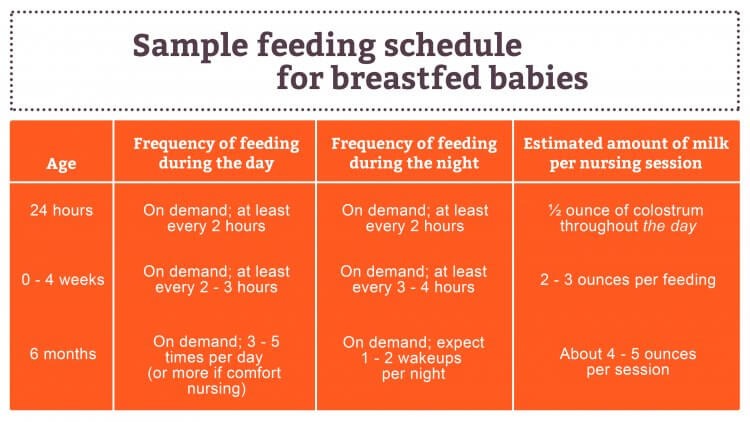
How often should a breastfed baby nurse?
Newborns usually breastfeed often because their stomachs are small and breast milk is easy to digest. Many newborns feed every two to three hours, but some feed more often.
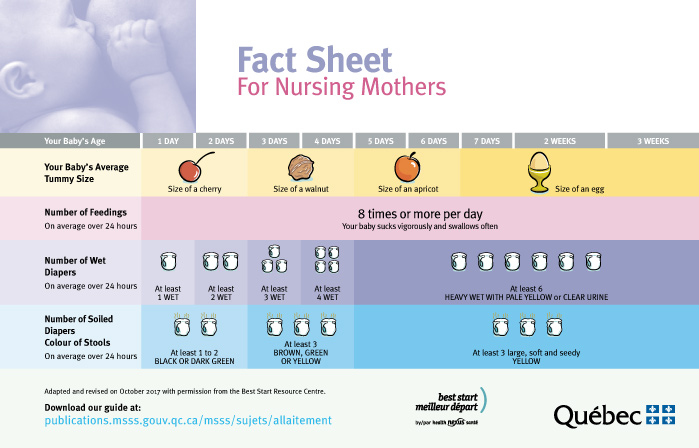
Rather than watching the clock alone, look at your baby’s overall pattern. A well fed baby often has regular wet diapers, seems alert when awake, and gains weight over time.
Signs that feeding is going well may include:
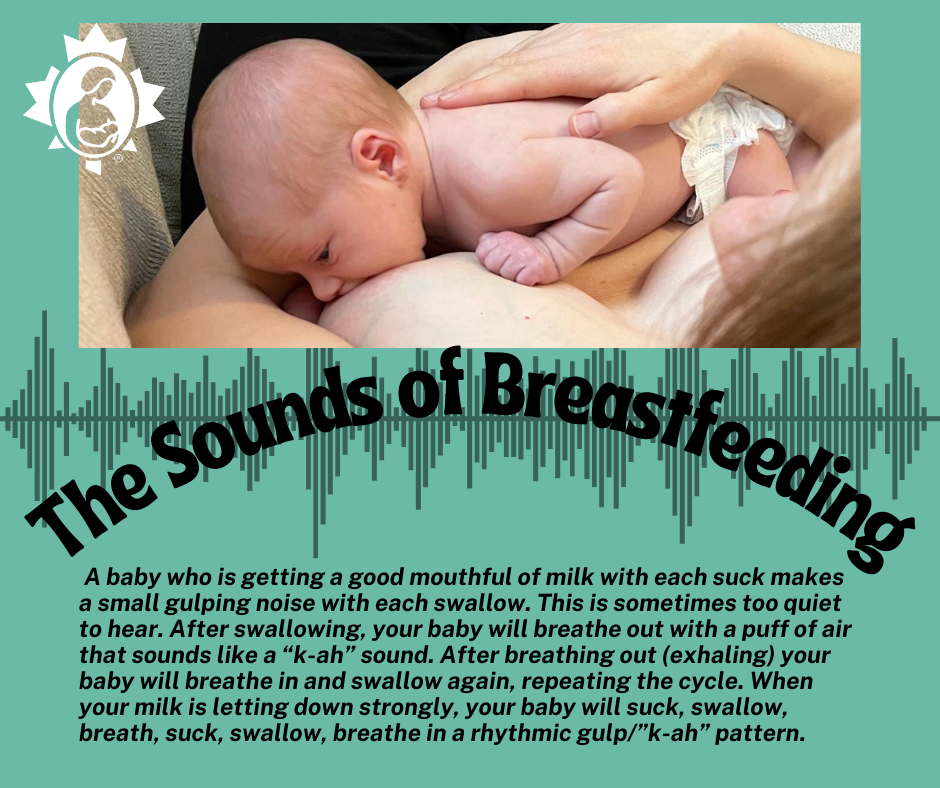
• Deep swallowing during feeds
• A relaxed body after nursing
• Several wet diapers each day after the first few days
• Regular weight gain
• Breasts that feel softer after feeding
Some babies nurse quickly. Others take more time. Feeding length is less important than effective milk transfer and steady growth.
If your baby is very sleepy, has fewer wet diapers, continues to lose weight, or seems weak, contact a pediatrician or lactation consultant promptly.
How do I know when my baby is ready to wean?
Weaning means reducing or stopping breastfeeding. It can happen gradually or quickly, though gradual weaning is often easier for both parent and child.
There is no single correct age for weaning. Some children stop on their own between one and three years. Others continue longer. The right time depends on your family’s comfort and needs.
Signs your child may be ready include:
• Showing less interest in nursing
• Skipping feeds without distress
• Comforting easily in other ways
• Eating a wide range of solid foods
• Accepting cups and other sources of fluids
If you are ready to wean but your child is not, reduce one feeding at a time. Replace that feeding with a snack, cup, story, cuddle, or outdoor activity.
Abrupt weaning can cause painful breast fullness, blocked ducts, or mastitis. It may also be hard emotionally for your child. A slow plan gives your body and your child time to adjust.

What if breastfeeding is painful or difficult?
Breastfeeding should not cause ongoing pain. Mild tenderness during the first days can happen, but severe pain, cracked nipples, bleeding, fever, or a hot, red area on the breast needs attention.
Common causes of pain include:
• A shallow latch
• Tongue movement problems
• Engorgement
• Blocked milk ducts
• Nipple damage
• Yeast or bacterial infection
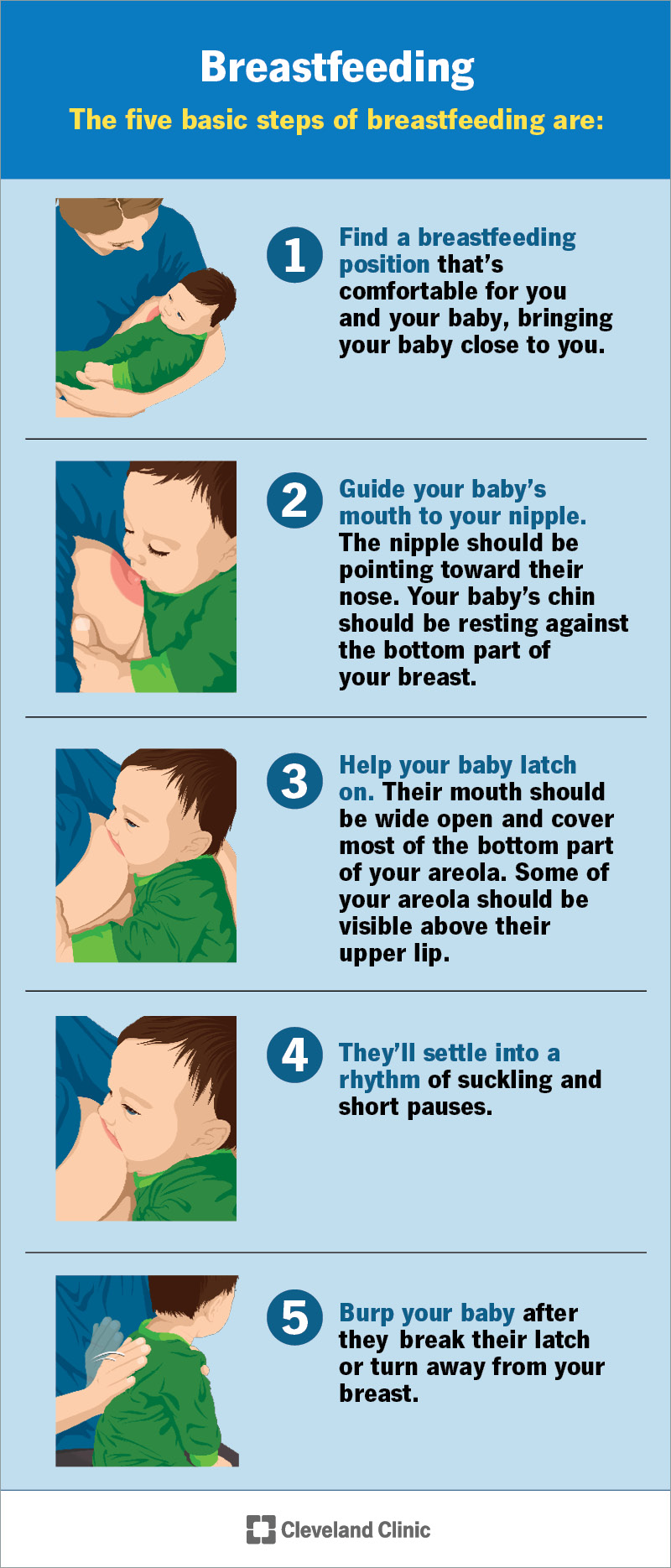
A lactation consultant can watch a feeding and suggest changes. Small adjustments in your baby’s position or latch often make a major difference.
Seek medical care if you have fever, chills, worsening breast redness, or flu like symptoms. These can occur with mastitis and may require treatment.
One practical lesson many parents learn is that waiting for a problem to become severe makes feeding harder. Asking for help early is not a sign of failure. It is a smart part of breastfeeding care.
Breastfeeding, pumping, and returning to work
Returning to work does not always mean breastfeeding must end. Many parents breastfeed when together and pump or use expressed milk when apart.
Before returning, consider:
• How often your baby usually feeds
• Where and when you can pump
• How breast milk will be stored
• Who will feed your baby
• Whether your workplace provides a private pumping area
The CDC recommends storing breast milk in clean containers and following safe time limits for room temperature, refrigeration, and freezing. Freshly expressed milk can generally remain at room temperature for up to four hours, in the refrigerator for up to four days, and in a freezer for about six months for best quality.
Storage advice can vary with temperature and freezer type. Check current guidance from a trusted health agency and label milk with the date.
Some parents pump more than their baby needs because they fear low supply. This can lead to oversupply, discomfort, and wasted milk. Pumping should match your baby’s needs as closely as possible.
Can I breastfeed if my baby is premature or sick?
Many premature or medically fragile babies can receive breast milk, but feeding plans may need extra support. Some babies begin with expressed milk through a tube or bottle before they can nurse directly.
Breast milk can be especially valuable for premature infants, but the amount and feeding method should follow the care team’s plan. A neonatal nurse, pediatrician, or lactation consultant can help protect milk supply and guide feeding.
Certain health conditions and medicines may affect breastfeeding. Most medicines are compatible with breastfeeding, but do not stop a prescribed medicine without medical advice.
Contact a health professional if your baby has poor weight gain, trouble breathing during feeds, repeated vomiting, or difficulty waking to eat.
How your health and feelings affect breastfeeding
Breastfeeding can be meaningful, but it can also be tiring. Sleep loss, nipple pain, pressure from others, and concerns about milk supply may affect your mental health.
Your well-being matters just as much as your breastfeeding goal. A feeding plan that leaves you exhausted, anxious, or unwell may need to change.
Helpful support may come from:
• A pediatrician
• A certified lactation consultant
• A primary care clinician
• A postpartum mental health professional
• A trusted family member
• A local or online parent support group
Parents sometimes compare their feeding journey with pictures or stories online. That comparison can hide important details, such as medical problems, pumping support, or private struggles. Your baby does not need a perfect feeding story. Your baby needs care, nourishment, and a responsive parent.
A practical breastfeeding plan
If you are deciding how long should I breastfeed my baby, use the recommendations as a guide rather than a test.
-
Aim for exclusive breastfeeding for about six months if it works for you and your baby.
-
Begin solid foods at about six months when your baby shows readiness.
-
Continue breastfeeding for two years or longer if it remains comfortable and wanted.
-
Watch your baby’s growth, wet diapers, behavior, and feeding quality.
-
Ask for help early if you have pain, low supply concerns, or feeding stress.
-
Adjust the plan when your health, work, or family needs change.
There is no prize for reaching a certain month. The best plan is one that supports your baby’s nutrition and your physical and emotional health.
Frequently Asked Questions About How Long Should I Breastfeed My Baby
Is six months of breastfeeding enough?
Six months of exclusive breastfeeding is a strong goal, but it is not a pass or fail measure. If you stop earlier or combine breast milk with formula, your baby can still grow and thrive with proper care.
Should I breastfeed after my baby turns one?
Yes, you can continue breastfeeding after age one if you and your child want to. Major health organizations support breastfeeding for two years or longer, along with a balanced diet.
Can I breastfeed for too long?
There is no set age when breastfeeding automatically becomes harmful. The key questions are whether your child eats a varied diet, grows well, and whether breastfeeding remains healthy and comfortable for both of you.
How long should each breastfeeding session last?
There is no fixed time for every session. Some babies feed for 10 minutes, while others need 30 minutes or more; effective swallowing, satisfaction, diaper output, and weight gain matter more than the clock.
What if I cannot breastfeed exclusively?
Combination feeding with breast milk and infant formula is a valid option. Talk with your baby’s health care professional about amounts, feeding cues, and safe preparation of formula.
When should I stop breastfeeding?
Stop when you and your child are ready, unless a medical professional advises otherwise. Gradual weaning often reduces breast discomfort and gives your child time to adjust.
Conclusion
The answer to how long should I breastfeed my baby is about six months of exclusive breastfeeding when possible, followed by breastfeeding with solid foods for two years or longer if it suits your family. Your baby’s growth, feeding behavior, health, and your own well-being should guide the plan.
Breastfeeding does not need to look perfect to be valuable. Set a realistic goal, seek support early, and change course when needed. For personalized advice, speak with your pediatrician or a lactation consultant, and explore trusted breastfeeding resources for the next stage of your journey.