
Aim for 6–10 bottles to start, adjusting by feeding method and laundry routine.
As a pediatric feeding expert and parent who’s tested dozens of brands, I’ll walk you through exactly how many baby bottles do i need for every common situation. This guide explains newborn needs, daycare setups, breastfeeding with bottles, sterilizing tips, and real-life advice so you buy the right number without overspending or running out at midnight. Read on to get a clear plan you can use today.

How many baby bottles do i need: baseline numbers and why it matters
A simple count helps you plan washing and storage. Newborns feed often. That makes bottle turnover fast.
General starter ranges:
- Breastfeeding with occasional bottles: 4 to 6 bottles.
- Pumping and bottle-feeding at home: 6 to 8 bottles.
- Exclusive formula feeding: 8 to 12 bottles.
- Daycare or long outings: add 6 to 8 bottles for that shift.
- Multiples: multiply counts per baby and add extras.
Knowing how many baby bottles do i need reduces stress. It also saves money by avoiding impulse buys. Pick a number that fits your wash routine and how often you go out.
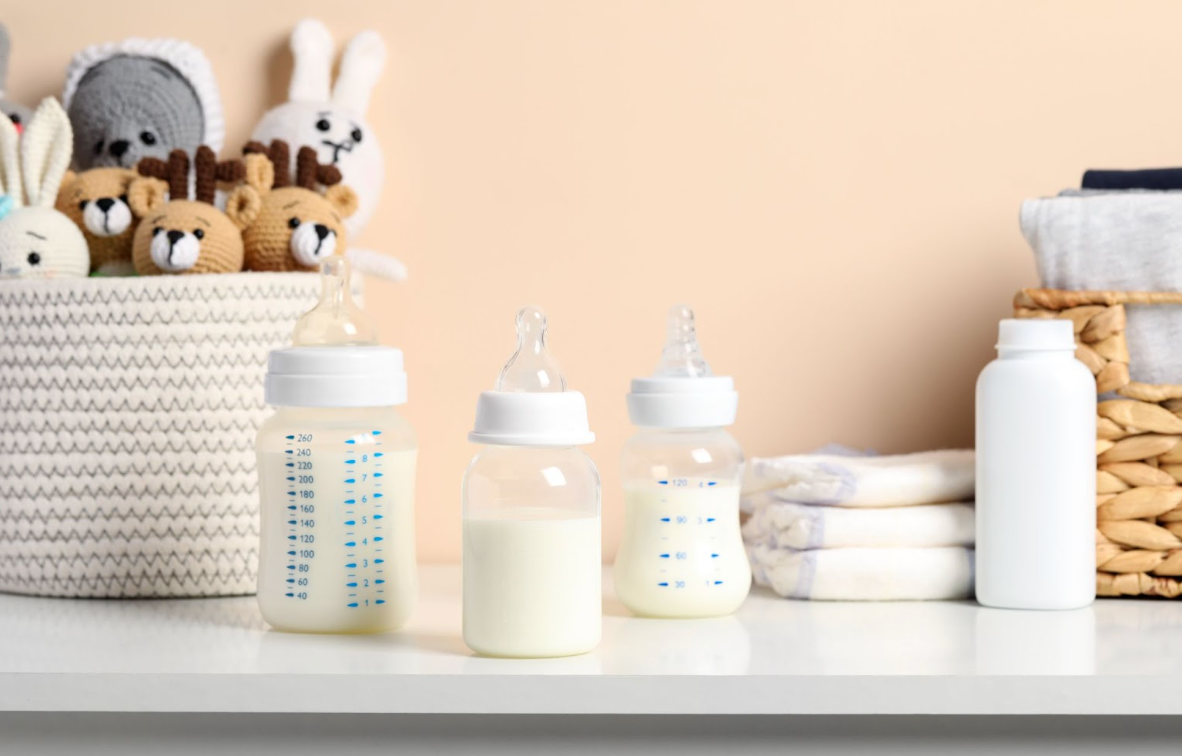
Key factors that change how many baby bottles do i need
Every family is different. These factors will guide your final count.
Feeding method
- Breastfeeding with occasional bottles needs fewer bottles.
- Full formula feeding needs more bottles for each day.
Washing frequency and dishwasher use
- If you wash bottles twice a day, you need fewer bottles.
- If hand washing only, keep more spare bottles.
Daycare and caregivers
- Daycare often requires 6 to 8 labeled bottles per day.
- Shared caregivers need extra sets to avoid mid-day shortages.
Baby age and feeding pace
- Newborns feed 8 to 12 times per day. This raises the bottle count.
- Older babies need fewer feeds and fewer bottles.
Bottle type and prep time
- Bottles that are easy to clean let you reuse faster.
- Bottles with many parts take longer to wash and may require more spares.
These points answer why how many baby bottles do i need is not one-size-fits-all. Match choices to your routine.
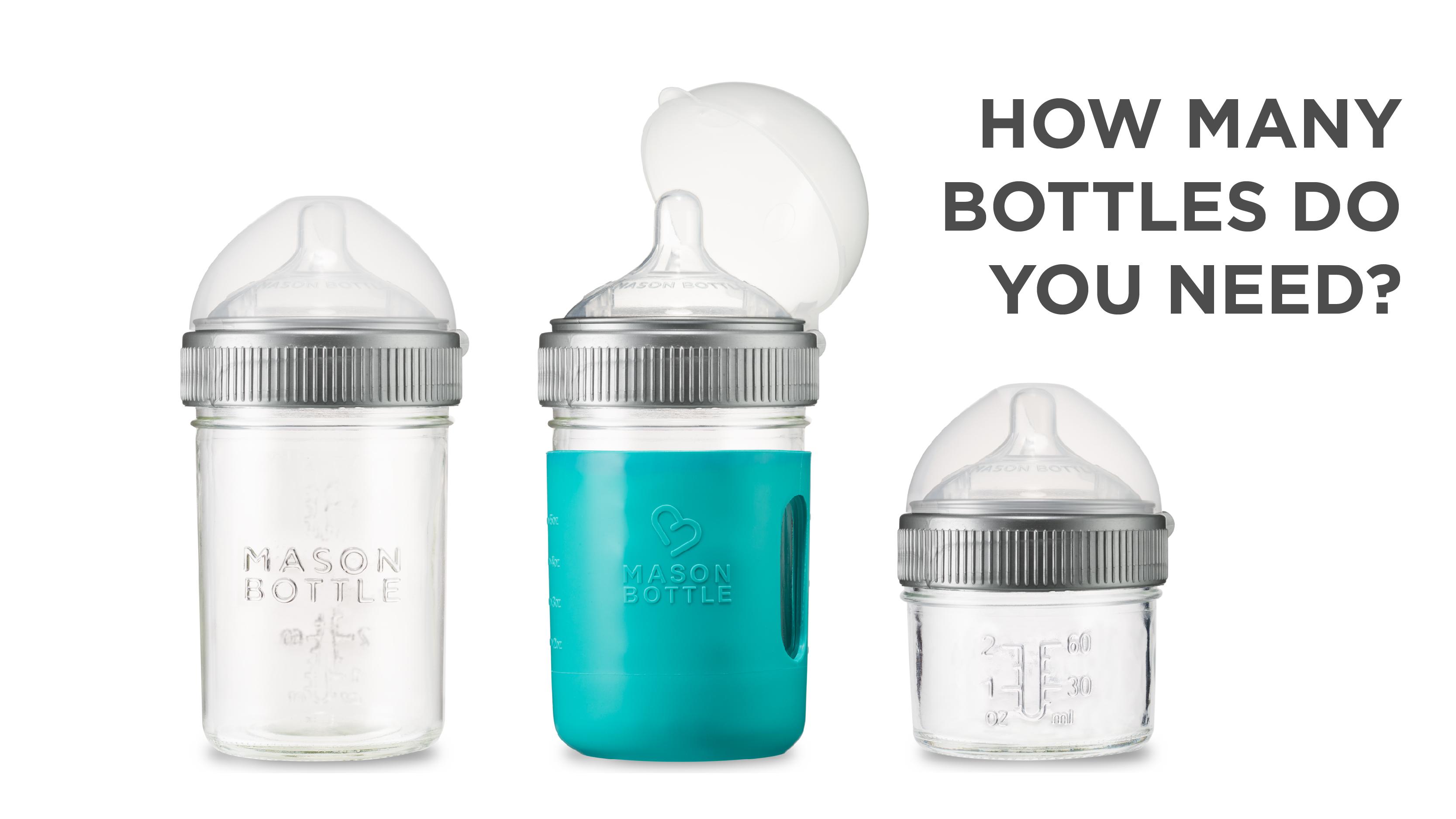
Practical bottle counts by real-life scenarios
Here are practical counts you can use right now. Adjust up for travel and sickness.
Scenario: Mostly breastfeeding, occasional bottle
- Recommended: 4 to 6 bottles.
- Rationale: You need one per day plus spares for laundry days.
Scenario: Exclusive pumping at home
- Recommended: 6 to 8 bottles.
- Rationale: Allows for daytime feeds and a set in the fridge/freezer.
Scenario: Exclusive formula feeding at home
- Recommended: 8 to 12 bottles.
- Rationale: Newborns eat often. You need spares between washes.
Scenario: Daycare or nanny
- Recommended: 12 to 16 bottles total (6 to 8 at home, 6 to 8 at daycare).
- Rationale: Daycare may request labeled, separate bottles.
Scenario: Twins or multiples
- Recommended: Double the normal count plus 2 to 4 extra.
- Rationale: Extra spares reduce mid-day stress.
These numbers reflect typical needs. They help answer how many baby bottles do i need for your situation.

Bottle types, nipples, and parts: their impact on bottle count
Choosing bottle style changes laundering work and spare needs.
Bottle materials
- Plastic: light and cheap. Replace every year or if scratched.
- Glass: heavier but durable. Fewer replacements, but more weight for travel.
- Silicone: flexible and drop resistant. Newer option, easy clean.
Nipple flow and sizes
- Newborn nipples are slow flow. You will need sets as baby grows.
- Have at least two sizes of nipples on hand to match feeding changes.
Parts complexity
- Bottles with many valves or rings take longer to clean.
- Simple bottles let you reuse sooner and may reduce total count.
Remember that how many baby bottles do i need depends on material and cleanup time. Pick a type that fits your life.
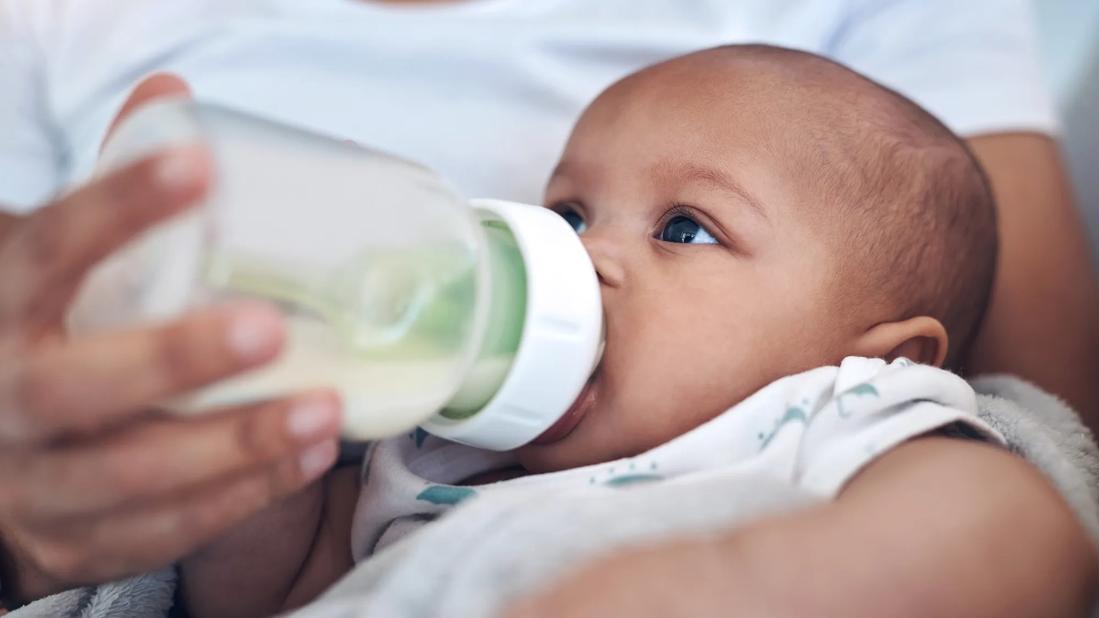
Washing, sterilizing, and storage: tips that cut the number needed
How you clean makes a big difference in needed spares.
Daily cleaning routine
- Rinse immediately after feed.
- Wash with warm soapy water or in dishwasher top rack.
- Air-dry on a clean rack.
Sterilizing options
- Boiling for 5 minutes.
- Electric steam sterilizers.
- Microwave sterilizer bags.
Storage
- Store washed bottles assembled to save parts.
- Label bottles for daycare with initials and date.
Good routines answer the question how many baby bottles do i need by letting you reuse safely. Efficient cleaning reduces the total number you must own.

Personal experience: what I learned and mistakes to avoid
I used to buy too many bottles. I learned to size down and choose easy-clean bottles.
Lessons from practice
- Buy 6 to 8 good bottles first. Test them for shape and leak issues.
- Avoid buying many different brands at once. Parts rarely cross-fit.
- Replace nipples every 2 months or sooner if worn.
Mistakes to avoid
- Don’t buy only one size of nipple. Baby growth changes flow needs.
- Don’t ignore caregiver needs. Daycare wants labeled sets.
- Don’t overbuy novelty sets that you won’t use.
My tip: start modest and add after a month. This prevents waste and finds what works for you. That helps answer how many baby bottles do i need in a practical way.

Buying, labeling, and storage tips to save time and money
Smart buys reduce clutter and increase efficiency.
Buy smart
- Start with 6 to 8. Add after you test.
- Buy spare nipples and caps, not dozens of bottles.
- Choose dishwasher-safe pieces to cut hand-wash time.
Labeling
- Use waterproof labels for daycare.
- Put date and time for pumped milk bottles.
Storage and travel
- Keep a travel kit with 2 to 3 extra bottles and a small drying cloth.
- Store overflow bottles disassembled to save space.
These steps give clear answers to how many baby bottles do i need in the long run.
Quick answers within the article
If you wonder about common quick concerns, here are short answers.
How many bottles for a pump-and-work schedule? Use 8 bottles at home and 6 at work. Rotate and label them.
How many bottles does daycare ask for? Most daycares ask for 6 to 8 bottles per baby per day.
Can I wash bottles once a day? You can if you refrigerate milk and use sterile technique. More frequent washing is safer for newborns.
These short replies support the detailed guidance above and help finalize your count.

Frequently Asked Questions of how many baby bottles do i need
How many baby bottles should I have for a newborn?
For a newborn, plan 8 to 12 bottles if formula feeding. If breastfeeding with occasional bottles, 4 to 6 is usually enough.
How many bottles do I need for daycare?
Daycare commonly requests 6 to 8 labeled bottles per baby per day. Add extras for longer days or missed pickups.
How many bottles do I need when pumping at work?
Bring 6 to 8 bottles for daytime pumping and a few more for storage. Label each bottle with time and date.
How many bottles do twins need?
Multiply the usual count per baby and add 2 to 4 extra. Twins often need quick spares during busy feeds.
When should I buy more bottles?
Buy more if you wash infrequently, use complex bottles, or start daycare. Start with a small set and add after a week.
Conclusion
Decide based on feeding method, cleaning routine, and caregiver needs. A practical starting point is 6 to 8 bottles for mixed feeding and 8 to 12 for full formula feeding. Test one brand, buy a modest set first, and add spares for daycare or travel.
Take action today: pick a starter set, label a travel kit, and set a simple wash routine. Share your experience or questions below so other parents can learn from your setup.