
Babies look irresistibly cute because their faces and behavior trigger innate caregiving and reward systems.
I have spent years studying early childhood, reading research, and caring for infants. I will explain why are babies so cute from science, evolution, and real-life care. This article blends research and hands-on experience. You will learn what makes babies so cute, why that matters, and how to respond in ways that help development and bonding. Read on for clear answers and practical tips rooted in expertise.
Why babies look cute: the baby schema and key features
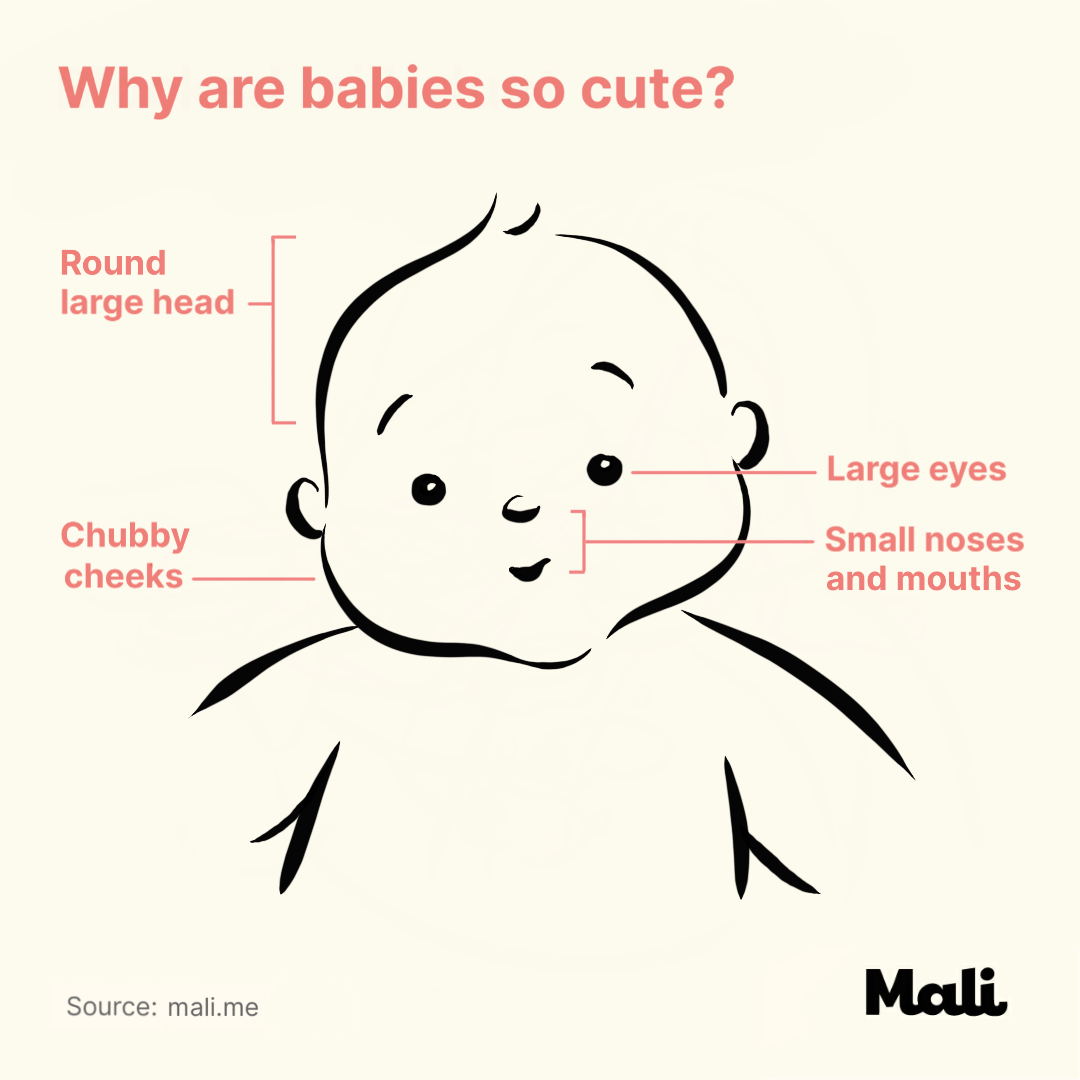
Babies show patterns that humans call a baby schema. Those patterns include a large head, big eyes, round cheeks, and small nose. These features are simple and predictable. They match the visual cues that trigger warm feelings in adults.
Why are babies so cute comes down to shape and proportion. Their faces are proportioned to look childlike. The pattern is found across many cultures. It works fast. A single photo can make adults smile.
Common physical cues that make babies cute:
- Large eyes that take up more face space.
- A round forehead and soft cheeks.
- Small chin, small nose, and tiny ears.
- Short limbs and chubby hands that look fragile.
These signs are easy to spot. They explain much of why babies are perceived as cute. This is the basic visual reason.
Evolutionary reasons why are babies so cute
Evolution favors traits that increase care and survival. Baby looks help keep infants safe. When adults find babies cute, they give food, protection, and attention. That support raises the chance the child will live and thrive.
Two key evolutionary ideas help explain why are babies so cute:
- Caregiving incentive: Cute traits push adults to act. This helps infants survive.
- Neoteny: Childlike features persist in young humans. These traits signal dependency.
Why are babies so cute also links to social bonds. Cute babies make groups more cohesive. Communities that care for infants tend to pass on their genes.
Do cute babies get better care?
Yes. Studies show caregivers respond faster and more warmly to infants seen as cute. That increases feeding, soothing, and teaching.
Is cuteness a result of natural selection?
Mostly yes. Traits that provoke care tend to stay. Cuteness is a social signal shaped by evolution.

Brain science: why are babies so cute to our brains
Our brain treats baby faces as rewards. Seeing a cute infant lights up areas tied to pleasure. Oxytocin and dopamine rise in parents and caregivers. Those chemicals bind people to the baby.
Simple brain facts about why are babies so cute:
- The reward network activates quickly when we see baby faces.
- Hormones like oxytocin strengthen bonding.
- Mirror neurons may help adults read baby cues.
This wiring makes us want to hold, feed, and protect babies. It also explains why a tiny smile feels powerful. The effect helps form long-term bonds.
Do hormones make us like babies more?
Yes. Hormonal shifts in parents boost attention and care. Even people without children can feel stronger reward responses.

Social and cultural influences on why babies are seen as cute
Culture shapes how we show and value cuteness. Clothing, toys, and baby products emphasize round shapes and soft textures. Media and marketing amplify baby features. This culture reinforces the idea that babies are cute.
Cultural points about why are babies so cute:
- Clothing and media highlight sweet features.
- Parenting norms shape how we praise and respond to babies.
- Beauty standards can emphasize certain infant looks.
Across cultures, core features still trigger care. But how we act on that feeling can vary. Some cultures show more physical closeness. Others rely on group care.

Why cuteness matters: caregiving, development, and real-life tips
Cuteness is not just nice to feel. It triggers care that helps babies grow. Attention and touch affect brain wiring, sleep, and emotional health. In short, cuteness helps save lives and shape futures.
Practical tips for caregivers influenced by why are babies so cute:
- Respond quickly to cues. This strengthens trust.
- Use eye contact and soft speech to boost bonding.
- Balance tending with safe limits to avoid overprotection.
- Share caregiving to spread the joy and reduce stress.
From my experience working with families, I saw how cuteness motivates care. Parents who respond early report stronger bonds. They also feel more confident. A mistake I often saw was thinking cuteness means less need for structure. Babies need routine as much as warm attention.

Common myths and limits about why are babies so cute
Some ideas about cuteness are wrong. Not all babies are seen the same. Health, expression, and context change perceptions. Cuteness does not guarantee good parenting. It can also lead to bias.
Myth checks:
- Myth: Only newborn traits matter. Reality: Behavior and cues also shape how cute a baby seems.
- Myth: Cuteness always improves care. Reality: It can cause overprotection or uneven attention.
- Myth: Cuteness is purely visual. Reality: Sound, smell, and movement matter too.
Be aware of these limits when you think about why are babies so cute. That helps you act in balanced ways.

Frequently Asked Questions of why are babies so cute
Why do adults find babies so cute instantly?
Humans have evolved to respond to baby features quickly. Visual patterns and brain reward systems make the reaction automatic.
Are babies always seen as cute across cultures?
Core baby features trigger care in many cultures. But cultural norms and context change how cuteness is shown and acted on.
Does baby cuteness change as they grow?
Yes. Features shift with age. The baby schema fades as faces lose their childlike proportions, but behavior keeps drawing attention.
Can cuteness make caregivers biased?
Yes. People may unconsciously favor cuter babies. That can affect attention and resources in families or studies.
How can caregivers use cuteness positively?
Use the motivation cuteness provides to build secure bonds. Pair warm attention with consistent routines and healthy limits.
Conclusion
Babies are so cute because their faces and ways of acting tap deep human instincts. Visual features, evolution, brain chemistry, and culture all play parts. Cuteness drives care, shapes bonds, and helps infants grow. Use this knowledge to respond with warmth and wise structure. Try simple steps today: make eye contact, speak softly, and share caregiving tasks. If you found this helpful, leave a comment, subscribe, or explore more articles to learn how to support infant growth and bonding.