
Aim for the second trimester—typically between 20 and 32 weeks—for most baby showers.
As an event planner and parent who has organized and attended many showers, I know timing can feel tricky. This guide covers when to have a baby shower in clear, expert detail. You’ll get timelines, pros and cons for each window, planning checklists, cultural notes, plus real-world tips I learned the hard way. Read on to pick the best moment for your celebration and avoid last-minute stress.
Why timing matters for a baby shower
Choosing when to have a baby shower affects health, comfort, and attendance. Timing balances pregnancy safety, guest schedules, and gift delivery. It also shapes what you can expect from the party, like how active the mom-to-be feels and whether a gender reveal is possible. Thoughtful timing reduces anxiety and makes planning smoother.

Best time windows: first, second, third trimester, and after birth
Below are common timing options and why people choose each one.
First trimester (0–13 weeks)
- Rarity: Most hosts avoid this time.
- Pros: You celebrate early if you want privacy or a small gathering.
- Cons: Higher risk of pregnancy loss and nausea. Many guests prefer waiting.
Second trimester (14–27 weeks)
- Typical sweet spot: often between 20 and 32 weeks.
- Pros: Morning sickness usually eases. Mom feels better and can enjoy the party. Risk of preterm birth is lower. Gifts can be used or staged for nursery setup.
- Cons: Still a small risk of unpredictability, but this is the most comfortable window.
Third trimester (28 weeks to birth)
- Late shower option: common at 32–36 weeks.
- Pros: Everything is ready and baby items are near delivery. Guests can bring last-minute essentials.
- Cons: Higher chance of early delivery. Mom may be tired or on doctor restrictions.
After birth (postpartum or “sip-and-see”)
- Timing: usually 4–12 weeks after birth.
- Pros: Everyone meets the baby. No worry about early labor.
- Cons: New-parent fatigue and health risks for newborn around illness seasons. Hosting can be harder when caring for an infant.
When to have a baby shower depends on priorities: comfort, safety, or meeting the baby. For most people, the second trimester is best.
:max_bytes(150000):strip_icc()/shutterstock_762391612-41aca833e9184016833a754be5e7d5c3.jpg)
Key factors to consider when deciding when to have a baby shower
Consider these factors when choosing when to have a baby shower. They help tailor timing to your situation.
Health and medical advice
- Check with the mother’s care provider about travel and activity limits.
- If the pregnancy has risks, plan earlier or defer the shower accordingly.
Work and travel schedules
- Pick a date when most guests can attend. Weekend afternoons usually work best.
- Consider the mom’s maternity leave. Many schedule showers before leave starts.
Cultural and family traditions
- Some cultures expect showers at specific times or after birth. Ask family elders for guidance.
- Family dynamics can determine whether to hold a large or small gathering.
Gender reveals and registry timing
- Want a gender reveal? That narrows when to have a baby shower. Many combine both events in the second trimester.
- Give guests time to shop by setting registry early.
Multiple pregnancies and older parents
- Twins or triplets often mean earlier nesting and more gear. Plan earlier to get essentials in time.
- Older first-time parents may prefer a later shower when they feel safer.
Pandemic and seasonal concerns
- Consider illness seasons and local COVID guidance when setting a date.
- Outdoor or virtual showers are good options if health is a concern.
From my experience, asking one simple question—How comfortable will the mom be on this date?—solves most timing dilemmas. I once planned a shower at 34 weeks for a friend who later needed bed rest. We learned to confirm medical status closer to the date.

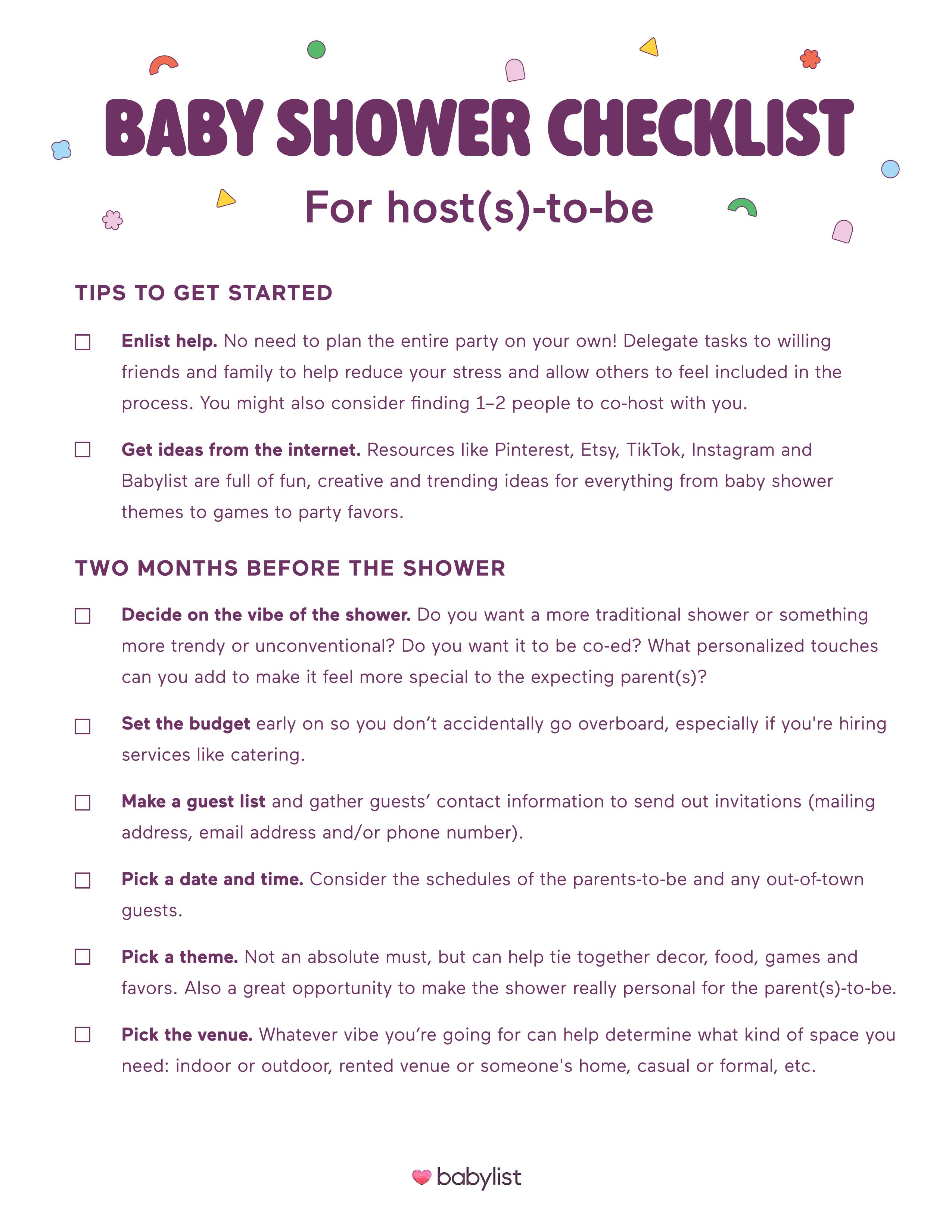
Practical planning timeline and checklist for when to have a baby shower
Use this step-by-step timeline to plan a well-timed shower.
Steps and timing
- Choose the window
- Pick a trimester range first. Aim for the second trimester if unsure.
- Set the date
- Lock a date at least 8–10 weeks before the preferred window to allow flexibility.
- Book venue and vendors
- Reserve 6–8 weeks ahead for venues or caterers.
- Create and share the registry
- Open the registry early so guests have time to shop.
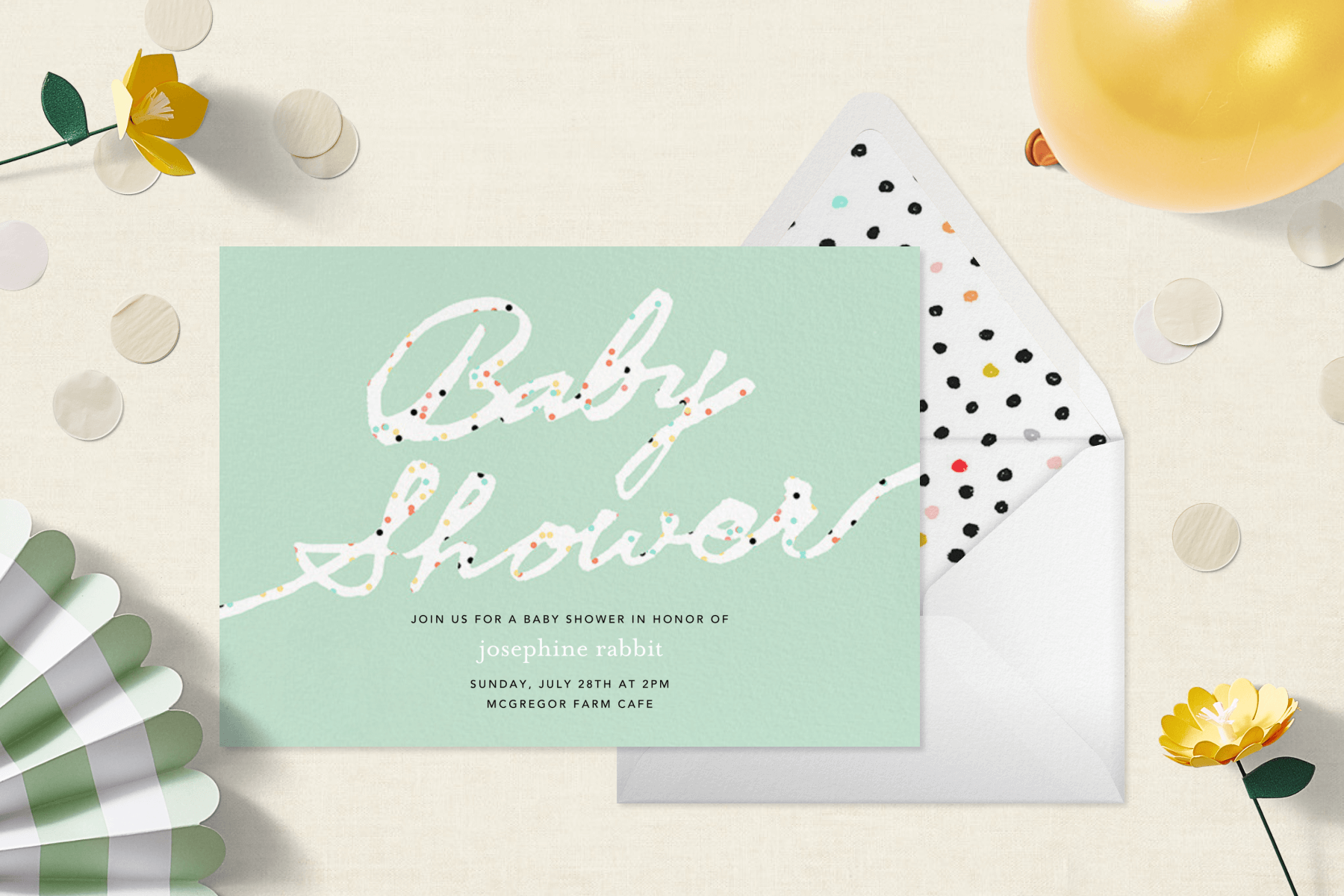
- Send invitations
- Mail or email invites 4–6 weeks before the party. Include RSVP info.
- Finalize details
- Confirm food, games, and seating 1–2 weeks out. Check the mom’s health status.
Checklist essentials
- Guest list and invites
- Registry and gift preferences
- Venue and weather plan (indoor/outdoor)
- Menu and dietary options
- Activities and timeframe
- Photographer or designated picture-taker
- Backup plan for late medical changes
A clear timeline reduces stress and helps answer when to have a baby shower with confidence.
:max_bytes(150000):strip_icc()/babyshower-576798175-2000-001207fb613d4e63abad9dc0a827ff5f.jpg)
Virtual, co-ed, and alternative shower timing
Different formats affect when to have a baby shower.
Virtual or hybrid showers
- Timing: easy to schedule later in pregnancy since travel isn’t required.
- Advantage: Guests from far away can join. Consider short time blocks to avoid fatigue.
Co-ed showers and dad-centric events
- Timing: often same as traditional showers, usually in the second trimester.
- Tip: Schedule on weekends or evenings to include partners and friends.
Themed or mini-showers
- Timing: multiple small gatherings can be held across the pregnancy.
- Advantage: Reduces large-group exposure and spreads gifts across time.
If guests are remote or the mom works evenings, a virtual shower solves many calendar conflicts. When to have a baby shower in these formats is flexible and often based on convenience.

Common mistakes, lessons learned, and practical tips
I’ve planned many showers. These are common errors and how to avoid them.
Mistakes to avoid
- Waiting too long to set a date: venues get booked and mom may go into labor.
- Ignoring medical advice: always check before booking travel or active games.
- Overplanning: large events can exhaust a pregnant host.
Practical tips from experience
- Confirm with the mom two weeks before the event. Adjust if needed.
- Keep celebrations calm and short. Aim for 2 hours or less.
- Create a simple gift list for essentials and wants to guide guests.
One owner’s lesson: plan with flexibility. For a surprise shower I organized, the mom had a sudden doctor’s restriction. We moved the date and kept the guest list small. Everyone understood and the party was still meaningful.

PAA-style quick questions about when to have a baby shower
Q: Is it bad to have a baby shower in the first trimester?
A: It’s uncommon mainly due to higher pregnancy loss risk and sickness. Some choose it for privacy or early celebration, but many wait.
Q: Can you have a baby shower after the baby is born?
A: Yes. Post-birth “sip-and-see” events let people meet the baby. Consider parental rest and newborn health when planning.
Q: How late is too late to have a baby shower?
A: Late third-trimester showers close to delivery carry risk of early labor. Many avoid planning beyond 36 weeks to stay safe.
Frequently Asked Questions of when to have a baby shower
When is the best trimester to have a baby shower?
Most people choose the second trimester because the mom usually feels better and the risk of preterm labor is lower. It provides a comfortable window for guests and planning.
Is it okay to have a virtual baby shower late in pregnancy?
Yes. Virtual showers are flexible and can be held later since travel isn’t required. They allow faraway guests to attend without health risks.
Should I ask my doctor before setting a shower date?
Yes. Your doctor can advise on mobility, travel, and any pregnancy risks that affect timing. This step helps avoid last-minute changes.
How far in advance should I send invitations?
Send invites 4–6 weeks before the shower to allow guests time to RSVP and buy gifts. For destination or weekend events, give at least 8 weeks.
Can men and non-binary people be included in the shower timing decision?
Absolutely. Co-ed planning often means choosing times that fit partners’ work and schedules. Pick a date that welcomes everyone you want to celebrate with.
Conclusion
Timing a baby shower comes down to comfort, health, and logistics. For most, the second trimester hits the sweet spot. Use the checklists and timelines above to pick a date that fits medical guidance, guest availability, and the mom’s energy. If you’re unsure, ask the mom and her care provider, plan with cushion time, and prepare a backup plan. Now pick a date, start the registry, and enjoy the celebration—your thoughtful timing will make the day relaxed and memorable. Leave a comment with your timing questions or subscribe for more planning tips.