
Most babies begin clapping between 9 and 12 months as a joyful social milestone.
As a pediatric educator and parent coach, I’ve watched hundreds of little hands learn to clap. This article explains when do babies clap, why it happens, how to encourage it, and what to watch for if your baby is late. You’ll get clear timelines, simple activities, and real-world tips that work in everyday life.

Developmental timeline: when do babies clap
Babies move through motor and social milestones at their own pace. Many start to show clapping motions around 6 to 9 months. By 9 to 12 months, purposeful clapping for praise or play is common.
Here’s a simple breakdown:
- 4 to 6 months: Babies bring hands together accidentally. This is early hand coordination.
- 6 to 9 months: Babies may clap in play or imitation. Movements are more intentional.
- 9 to 12 months: Many babies clap to show joy or to copy adults. It becomes a social signal.
- 12 to 18 months: Clapping is often consistent and used with words like “bravo” or “yay.”
Remember, the question when do babies clap has a range, not a fixed date. Some babies clap early. Others take a little longer, especially if their focus is on crawling or talking.
Why babies clap: causes and meaning
Clapping is more than a cute trick. It reflects several developments at once.
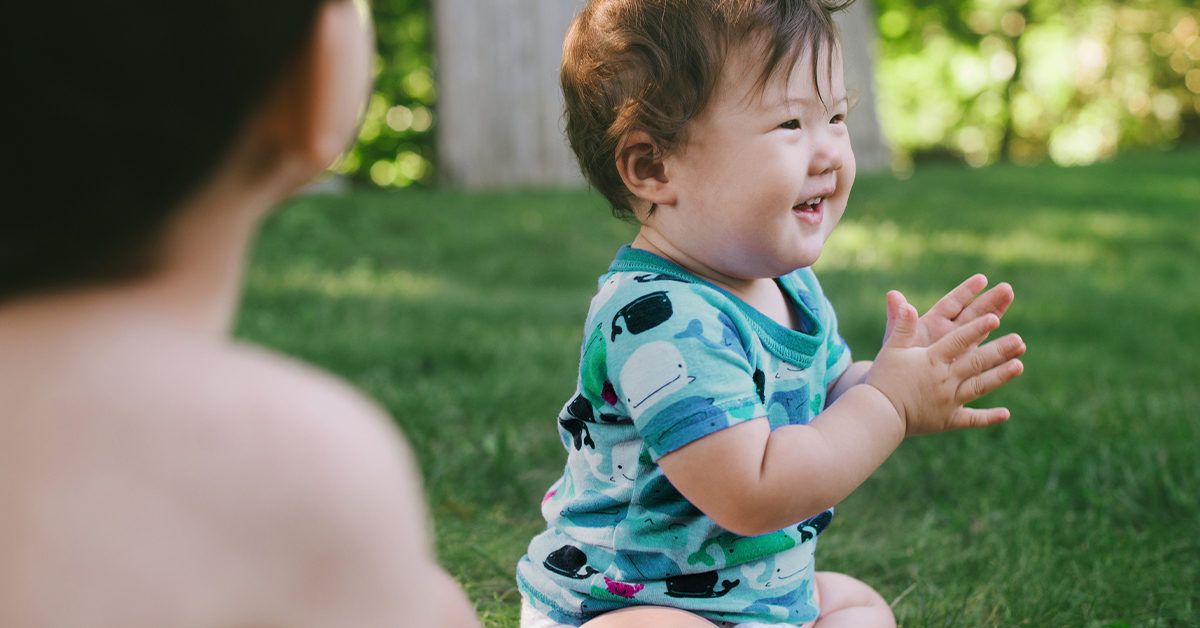
- Social learning: Babies copy adults and siblings. If someone claps, babies often try it.
- Motor skill growth: Clapping requires coordination of both hands and timing.
- Communication: Clapping signals excitement, approval, or a desire for interaction.
- Reinforcement: When adults cheer, babies learn clapping gets attention.
When you wonder when do babies clap, think of it as a mix of imitation, muscle control, and social reward. All three must line up for purposeful clapping to appear.

How to encourage clapping: practical steps parents can use
You can gently prompt clapping with short, playful exercises. Keep routines calm and fun.
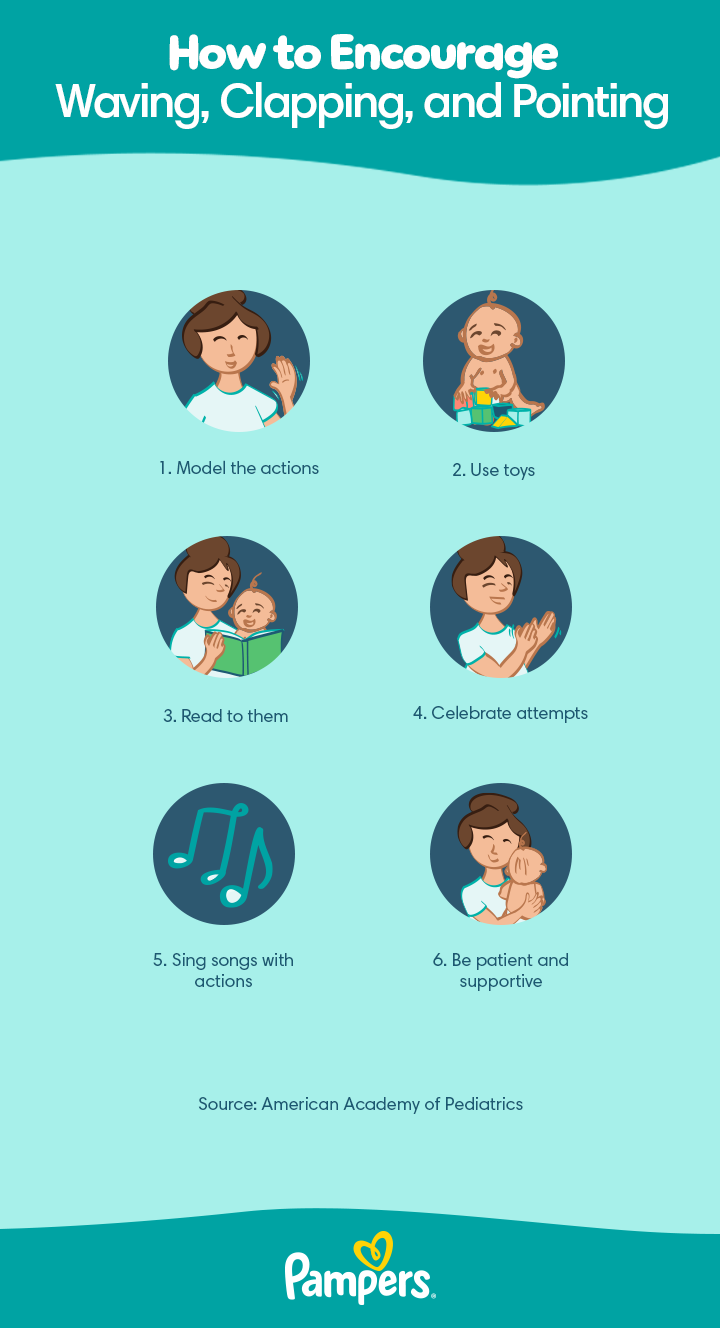
- Model clapping: Clap slowly and clearly during songs or games.
- Name the action: Say “clap” as you clap so the baby links word and motion.
- Use songs with pauses: Pause in a clapping song so your baby fills the gap.
- Start with one hand: Tap one hand to the other to build coordination.
- Reward effort: Smile, cheer, or hug when the baby tries to clap.
Try 5-minute sessions twice a day. Short, positive practice helps more than long, repetitive drills.
When to worry: signs of delay and next steps
Most babies who don’t clap by 12 months are still fine. But watch for other red flags.
- Lack of social engagement: If the baby rarely responds to smiles or sounds, mention it.
- Poor hand use: If one hand is weak or you see little interest in reaching, consult a clinician.
- Hearing concerns: If the baby doesn’t react to sounds or voices, get hearing checked.
- Global delays: If multiple milestones lag, seek early evaluation.
If you’re worried about when do babies clap in relation to other skills, talk to your pediatrician. Early screening is quick and useful.

Activities and games to build clapping and coordination
Make clapping part of your daily play. Simple games work best.
- Song pauses: Sing “If You’re Happy” and pause for the baby to clap.
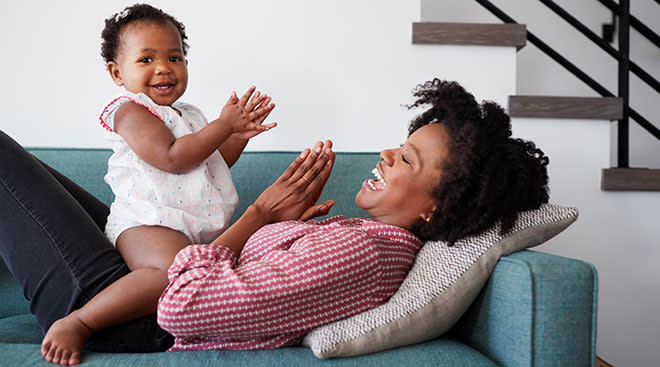
- Mirror play: Sit facing the baby and clap so they can imitate.
- Toy clap: Put a light rattle near both hands to encourage hand contact.
- Praise practice: Clap for the baby’s attempts and repeat their name.
- Hand stacking: Gently stack your hand on theirs and lift together, then mimic clapping.
These short games build timing, strength, and social motivation. Use toys and faces, not screens.
Personal experience and practical lessons
I once worked with a parent who asked when do babies clap because their 11-month-old wasn’t clapping yet. We tried two changes: more face-to-face play and single-hand tapping. Within two weeks, the baby began clapping during peek-a-boo.
From my work, the best lessons are simple:
- Keep interactions joyful, not forced.
- Use repetition in small doses.
- Watch for other signs before worrying.
Mistakes to avoid:
- Comparing too closely to other babies.
- Overusing gadgets instead of human interaction.
- Pushing too hard; stress slows learning.
Frequently Asked Questions about when do babies clap
When is it normal for a baby to start clapping?
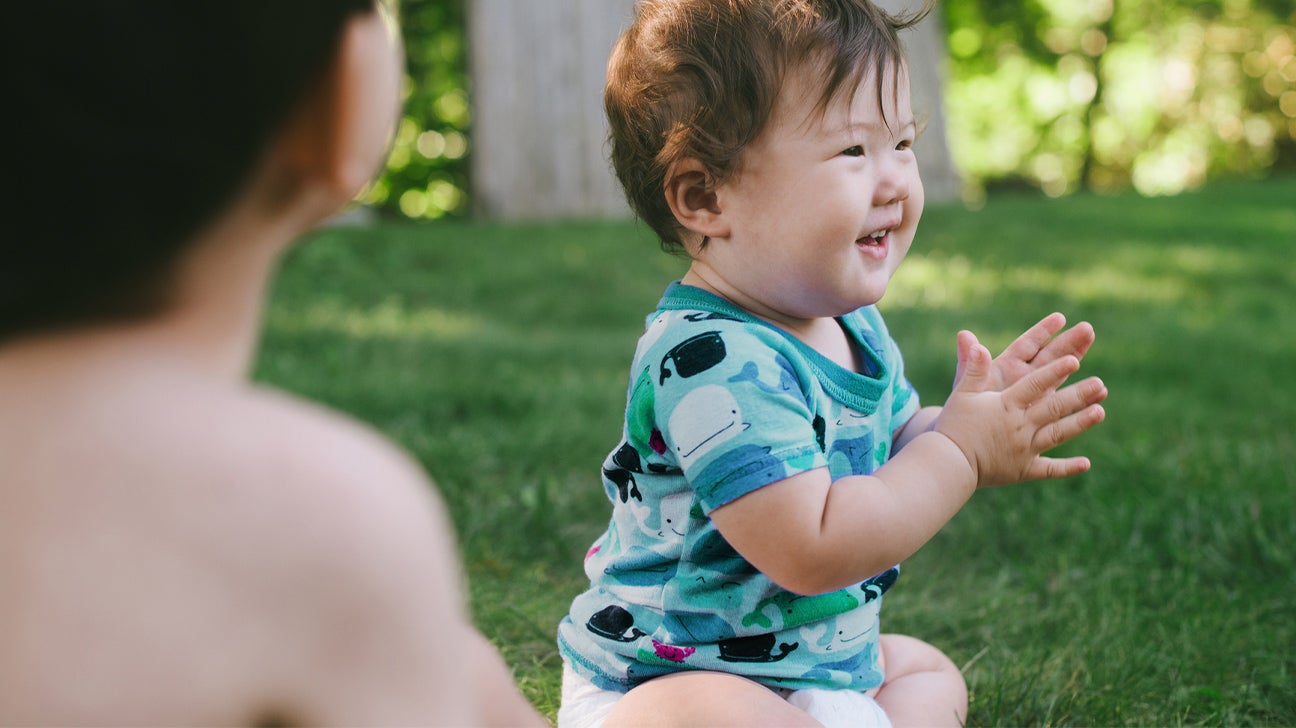
Many babies begin clapping intentionally between 9 and 12 months, though some may clap earlier or later.
Can babies clap before they can sit up?
Yes. Some babies clap while supported or sitting with help, but clapping often follows improved trunk control and hand coordination.
Does clapping mean the baby understands praise?
Clapping usually shows social learning and enjoyment. It can mean the baby links your praise with the action, but full understanding grows over time.
What if my 15-month-old still doesn’t clap?
If clapping is the only delayed skill, keep practicing and consult your pediatrician if you see other delays or concerns about hearing or hand use.
How can I teach clapping to a shy baby?
Use one-on-one play, mirror imitation, and gentle prompts. Offer praise for small steps and avoid pressure.
Conclusion
When do babies clap? Most do between 9 and 12 months, but timing varies. Clapping is a joyful sign of motor growth, social learning, and communication. Use short, playful sessions to encourage clapping, watch for other signs if you’re concerned, and consult your pediatrician if needed. Try one new clapping game today, note small wins, and share your progress with others who care. If this guide helped, subscribe for more practical baby milestones and leave a comment with your story.