
Place your baby on their tummy, use toys, gentle guidance, and lots of supervised floor time.
I have helped many families learn how to help baby crawl with practical steps, clear signs, and safe routines. I draw on clinical advice, child development research, and hands-on experience to explain simple, reliable ways to encourage crawling. Read on to get step-by-step methods, troubleshooting tips, and safe ideas you can use today to support your baby's movement milestones.
Why crawling matters
Crawling builds core strength, coordination, and spatial awareness. It links brain development with physical skill. Learning how to help baby crawl supports later skills like walking, hand-eye coordination, and problem solving. When caregivers encourage crawling in safe ways, babies gain confidence and body control. Research and practice both show that active floor play speeds motor learning and neural connections.
Typical timeline and readiness signs
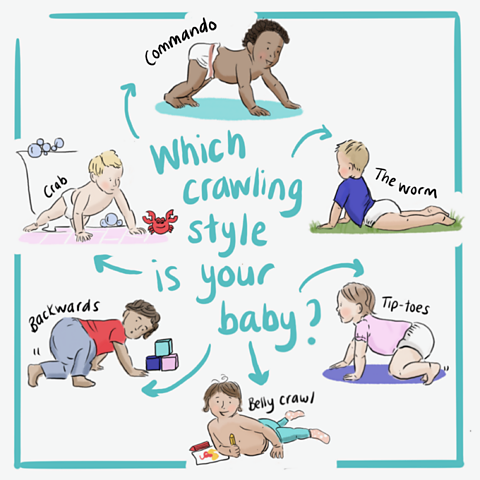
Most babies experiment with movement between 4 and 10 months. Some babies scoop, commando crawl, or do a belly shuffle before classic hands-and-knees crawling. Signs your baby is ready include strong neck control, pushing up on arms, and rocking back and forth on hands and knees. Watch for curiosity and reaching for toys. If you wonder how to help baby crawl, start when these signs appear, not on a strict calendar.
Step-by-step methods to help baby crawl
Use small, repeatable steps. Keep sessions short and fun. Here is a stepwise plan you can use at home.
- Prepare a safe space
- Clear furniture and sharp items from the floor area.
- Use a firm rug or foam mat on a hard floor to give traction.
- Stay within arm’s reach and supervise closely.
- Increase tummy time gradually
- Start with short sessions multiple times a day.
- Aim for comfort and calm, not long sessions at first.
- Smile, talk, and be near to encourage participation.
- Encourage pushing and rocking
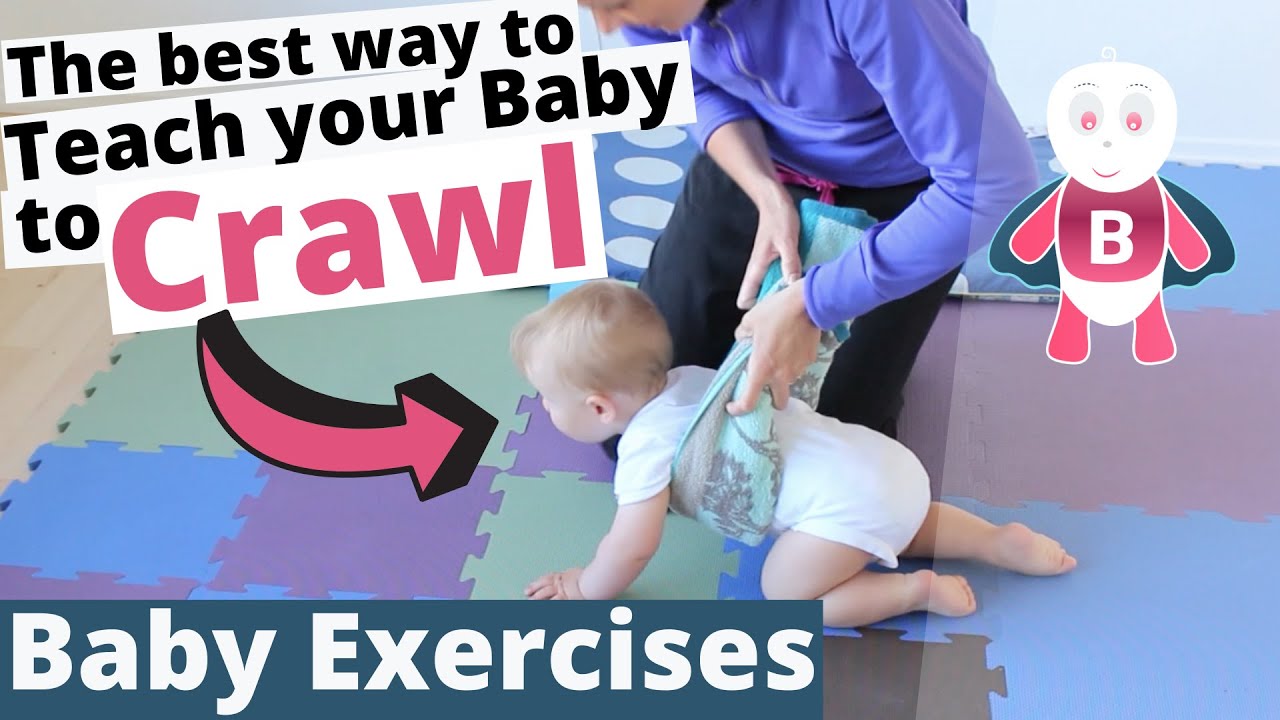
- Place a rolled towel under the chest during tummy time to help push.
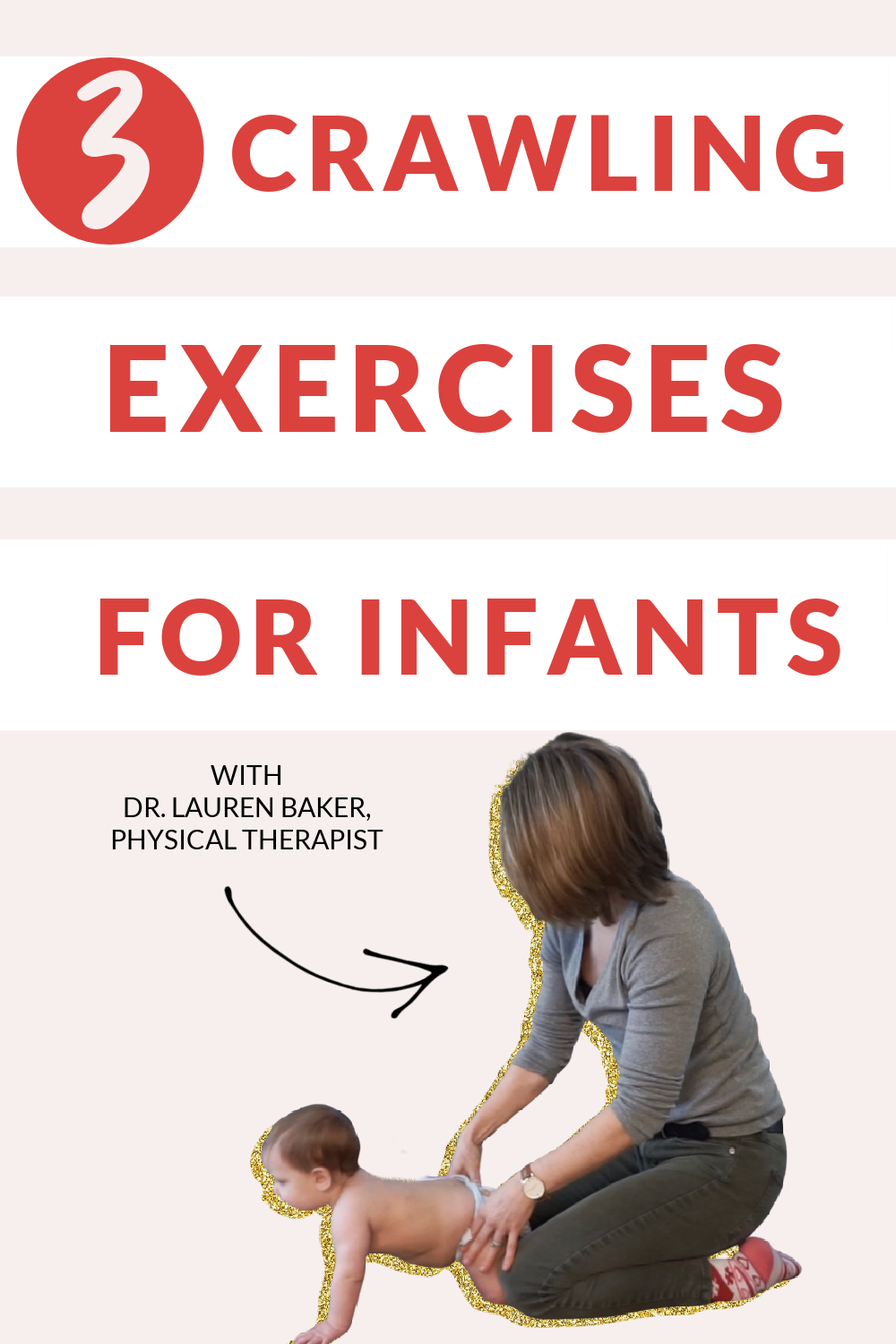
- Gently support hips while baby practices lifting the belly.
- Let baby rock back and forth on hands and knees to build rhythm.
- Use toys and target reaching
- Put an interesting toy just out of reach to motivate movement.
- Change the toy’s position to encourage different directions.
- Move slowly so baby learns to shift weight and reach.
- Practice assisted crawling
- Place your hands lightly on baby’s hips for balance.
- Offer a finger for baby to hold and pull forward slowly.
- Avoid forcing steps; provide gentle support and praise.
- Build endurance and transitions
- Help baby practice moving from sitting to hands-and-knees.
- Create short obstacle paths with pillows to climb over (supervised).
- Gradually increase time on the floor as strength grows.
These simple steps show how to help baby crawl in a way that is safe and progressive. Repeat the exercises often and stay patient. Progress can be slow but steady.

Tummy time routines and exercises
Tummy time is the base skill for crawling. Make it playful and stress-free.
Start early
- Begin in the newborn period for short holds.
- Aim for several short sessions each day.
Make it engaging
- Lie face-to-face and sing or make silly noises.
- Use mirrors and colorful toys to attract attention.
Progressive exercises
- Chest roll: support the chest and let legs move freely.
- Reach and swap: place two toys side by side to encourage side-to-side reach.
- Hip lifts: gently lift hips to a knees-under position to practice weight shift.
Keep sessions upbeat. If baby resists, try different times of day. Tummy time helps show your baby how to push, shift weight, and eventually crawl. This is a core part of how to help baby crawl.
Toys, props, and positions that encourage crawling
Choose simple tools that invite movement. Toys and positions can make crawling feel like a game.
Toy ideas
- Low rolling toys that move away slowly.
- Bright, textured toys that invite touch.
- Stacked cups or soft blocks to reach for.
Props and positions
- Towel or small cushion under the chest for supported push-ups.
- Parent lap as a short “mountain” to climb over.
- Short, soft ramps to practice shifting weight up and down.
Position tips
- Alternate toy placement to encourage forward and side crawling.
- Use small incentives, not screens, to motivate movement.
- Keep toys just beyond reach so baby must move to get them.
Personal note: I once used a rolling ball and a mirror to get a shy baby moving. Within a week she began rocking and then crawling. Simple props often make a big difference when you try to help baby crawl.
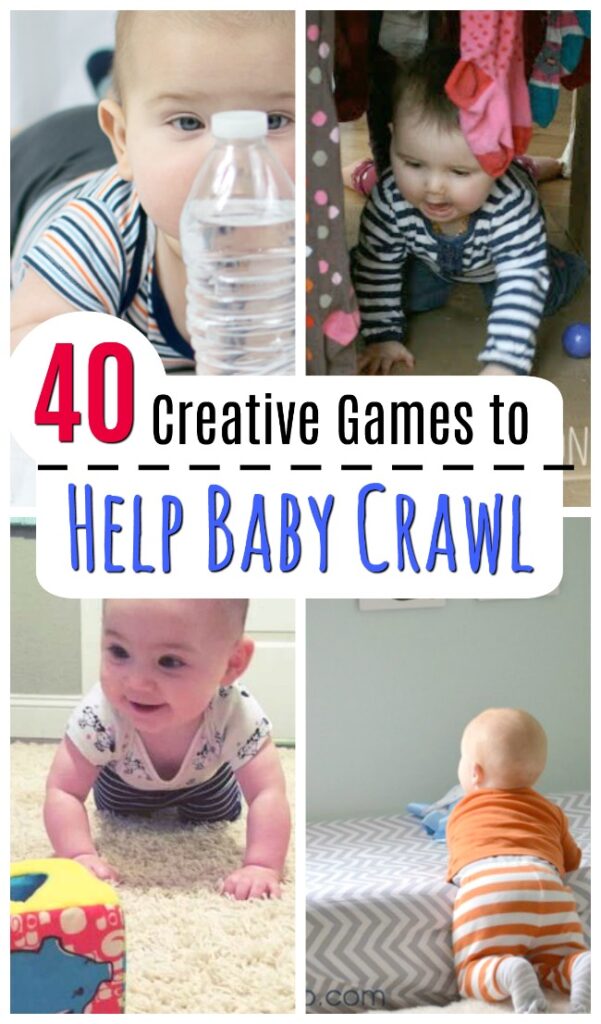
Safety, flooring, and home prep
A safe, low-distraction space helps babies practice confidently. Small changes can reduce hazards.
Floor surface
- Use a firm, non-slip rug or foam play mat.
- Avoid thick plush carpets that trap legs and slow motion.
Remove hazards
- Anchor furniture and block sharp edges.
- Keep small objects, cords, and plastic bags out of reach.
Supervision and timing
- Practice when baby is rested and fed.
- Stay close for hands-on support and to prevent falls.
Clothing and gear
- Dress baby in comfortable clothes that allow knee and foot grip.
- Avoid socks on smooth floors; choose barefoot or grippy socks.
Preparing the space reduces fear and injury. When you plan how to help baby crawl, safety must come first.
:max_bytes(150000):strip_icc()/parentshowtohelpyourbabycrawl-06eb509be38b4297b5978f7ffe1d9942.png)
Common challenges and solutions
Many caregivers worry when crawling takes longer than expected. Here are common problems and quick fixes.
Baby dislikes tummy time
- Try shorter but more frequent sessions.
- Use a chest roll or your lap to start.
One-sided movement or weak leg
- Encourage reaching and play toward the weaker side.
- Use games that require turning to both sides.
Baby skips crawling and goes straight to walking
- Some babies skip classic crawling and still develop well.
- Keep encouraging floor time to build balance and coordination.
Low muscle tone or delayed motor skills
- Consult your pediatrician or a pediatric therapist if you have concerns.
- Early intervention is helpful when delays appear.
I have worked with parents who worried about delays. Simple changes often fixed things. When not, a professional check clarified next steps. Both paths are okay; support is available.
Frequently Asked Questions of how to help baby crawl
When should I start trying to help my baby crawl?
Start encouraging movement as soon as your baby shows neck control and interest in reaching, often around 3 to 4 months. Short, regular tummy sessions are best.
How long should tummy time last each day?
Aim for several short sessions adding up to 20–30 minutes by 3 months, and more as your baby tolerates it. Keep sessions playful and calm.
Is it okay if my baby skips crawling and walks instead?
Yes, some babies skip crawling and still develop normally. Keep promoting floor play to support balance and coordination even if they walk early.
What if my baby only moves on one side?
Try placing toys to the weaker side and gently guide weight shift during play. If the pattern continues, talk with your pediatrician for an assessment.
When should I see a specialist about crawling delays?
If your baby shows little head control by 4–5 months, lacks rolling, or has uneven movement, consult your pediatrician. Early assessment helps identify any issues and guide therapy.
Can walkers or jumpers delay crawling?
Overuse of stationary walkers and jumpers can limit floor time and leg practice, so use them sparingly. Prioritize free floor play to encourage natural movement.
Conclusion
Helping your baby learn how to help baby crawl takes patience, short daily practice, and a safe space. Use tummy time, simple props, and gentle support to build strength and confidence. Watch for readiness signs, keep sessions fun, and consult a professional when needed. Try one new technique this week, and track small wins. Share your progress with other caregivers or leave a comment to learn from others.