
Clean bottles with warm soapy water, scrub parts, rinse, then sterilize as needed.
I’ve cleaned hundreds of bottles for babies in my life and work. This guide explains how to clean baby bottles step by step, with safety tips, real-life lessons, and clear choices for busy parents. Read on to learn simple routines that keep bottles safe, cut cleaning time, and protect your baby’s health.
Why proper cleaning matters
Keeping bottles clean prevents germs and keeps your baby healthy. Milk and formula can grow bacteria quickly if bottles are not cleaned right away. Proper cleaning also stops odors, milk film, and clouding.
Good cleaning protects newborns and sick babies most of all. It also makes feeding smoother and keeps bottle parts working longer. I’ll show safe, easy steps so you feel confident about how to clean baby bottles every day.
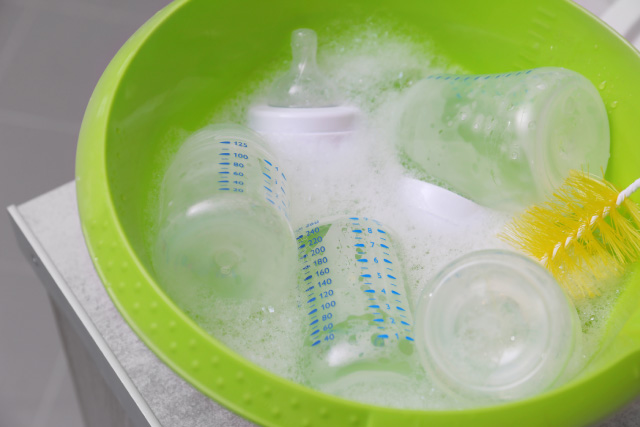
Supplies you’ll need
Gather simple tools before you start. A small set of tools makes how to clean baby bottles fast and effective.
- Bottle brush. Pick one with a narrow tip to reach the base.
- Nipple brush or small soft brush. Cleans inside nipples and vent holes.
- Mild dish soap. Free of strong scents and dyes.
- Clean basin or sink stopper. Keeps bottles from touching the sink drain.
- Drying rack or clean towel. Let parts air dry.
- Sterilizing option. Boiling pot, electric steam sterilizer, microwave sterilizer, or sterilizing solution.
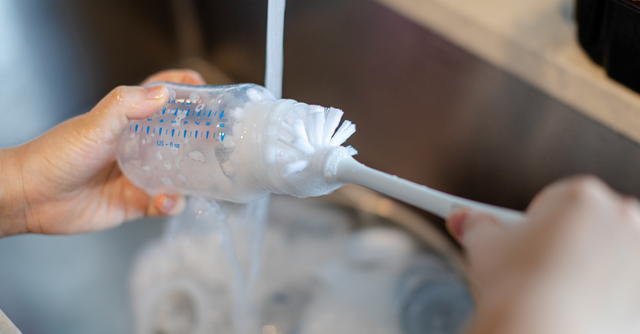
Step-by-step: How to clean baby bottles by hand
Hand washing is the most common method. It works well for glass and plastic bottles.
- Rinse right away
- Rinse every bottle and nipple under warm running water after use. This removes leftover milk and makes washing easier.
- Disassemble parts
- Take bottles apart. Remove rings, nipples, discs, and vent inserts.
- Soak if needed
- For dried milk, soak parts in warm soapy water for 5–10 minutes.
- Wash with soap and a brush
- Use dish soap and the bottle brush. Scrub inside, the base, and threads. Clean nipples with the nipple brush.
- Rinse thoroughly
- Rinse each part under hot running water until no soap remains.
- Inspect and sterilize if desired
- Check for milk residue. Sterilize new bottles or when baby is under 3 months, premature, or ill.
- Dry and store
- Place parts on a drying rack. Allow air drying. Store dry parts in a clean, sealed container.
Do these steps whenever you feed. Consistent routine makes how to clean baby bottles fast and reliable.
How to clean baby bottles in the dishwasher
Dishwashers save time and are safe for many baby bottles and nipples.
- Top rack only. Place bottles and parts on the top rack to avoid heat damage.
- Use a basket for small parts. This stops nipples from falling through the rack.
- Choose a hot wash cycle. Use a heated dry option or an extra rinse to help sanitize.
- Check manufacturer guidance. Some nipples or parts may not be dishwasher safe.
After the cycle, inspect for soap film and let items air dry. Knowing how to clean baby bottles in the dishwasher cuts hands-on time and still keeps items safe.

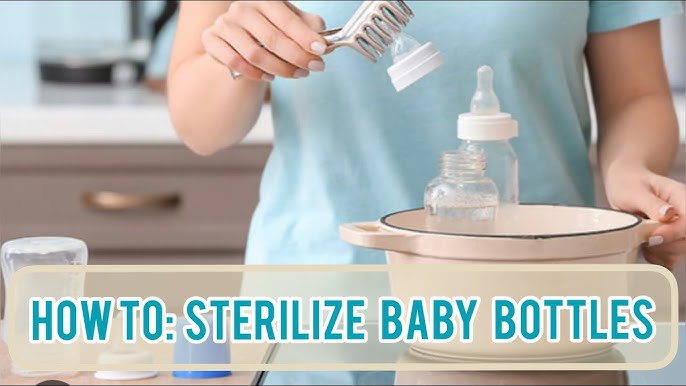
Sterilizing options for how to clean baby bottles
Sterilizing kills most microbes. You don’t always need it, but it helps in these cases: newborns, babies under three months, premies, or when baby is sick.
- Boiling
- Submerge bottles and parts in boiling water for 5 minutes. Remove with tongs and air dry.
- Electric steam sterilizer
- Fast and easy. Follow the device instructions for cycle time.
- Microwave steam sterilizer
- Use only approved units and follow water and time directions.
- Chemical sterilizing solution or tablets
- Dissolve tablets per directions and soak parts for the recommended time.
Sterilize when needed, not every feed. Over-sterilizing can be unnecessary but is safe when done correctly.
Cleaning nipples and small parts
Nipples and vents trap milk. Clean them well.
- Take apart valves and vents. Clean each piece separately to remove trapped milk.
- Use a nipple brush for inside surfaces. Clean vent holes with a small brush or toothpick if needed.
- Inspect for wear. Replace nipples when stretched, sticky, cracked, or discolored.
- Store nipples in a clean container to keep them dust-free.
Learning how to clean baby bottles also means knowing how to care for tiny parts that cause big problems if missed.
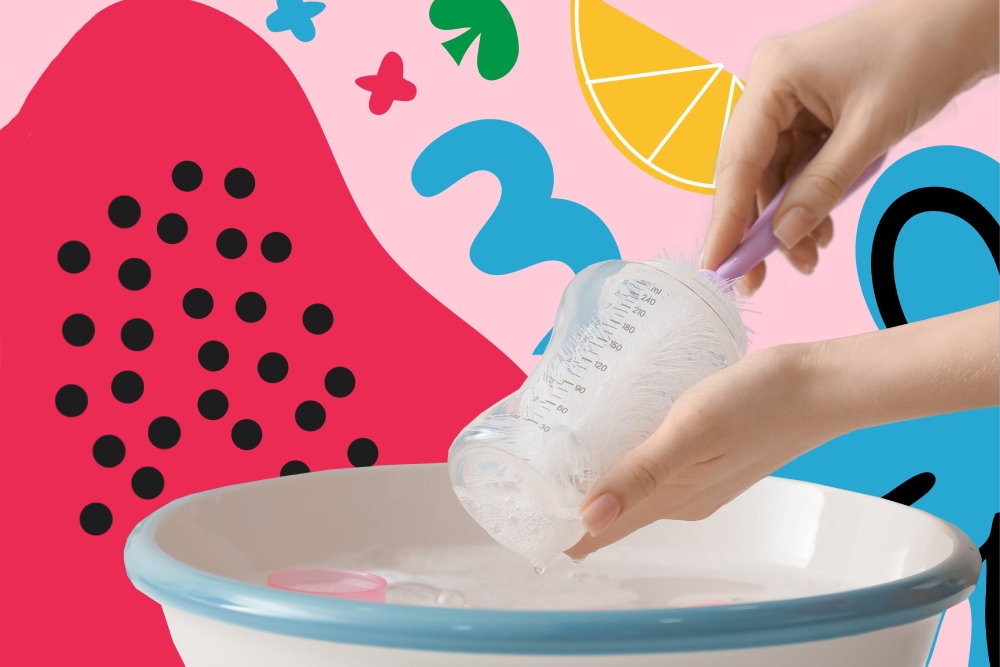
Drying and storage
Drying and storage are as important as washing.
- Air dry on a clean rack. Avoid towels that can transfer lint and bacteria.
- Use a covered drying rack or sealed container. This keeps dust and bugs away.
- Store assembled bottles only if fully dry. Moisture can breed bacteria.
- Replace parts with age. Plastic can stain and retain odors.
A clean dry bottle is ready for the next feed and less likely to cause tummy trouble.
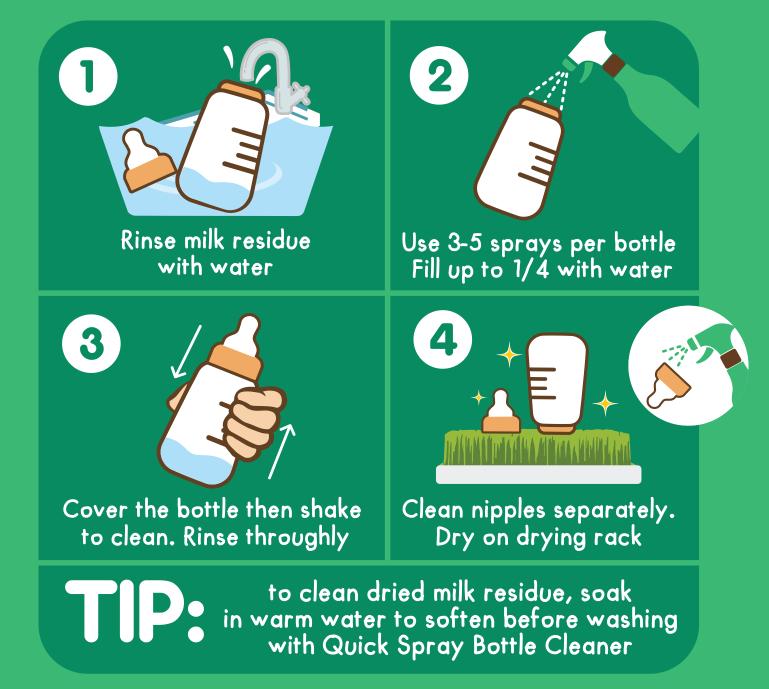
Troubleshooting and common mistakes
Here are issues I’ve seen and how to avoid them.
- Milk film or cloudiness. This happens with mineral buildup. Use warm vinegar rinse for occasional deep cleaning and rinse well.
- Leaving bottles to sit too long. Wash or rinse within an hour. Dried milk is harder to remove.
- Overuse of harsh cleaners. Strong detergents or bleach can leave residues. Stick to mild dish soap or approved sterilizers.
- Not drying fully. Store only dry parts. A little moisture can grow mold.
- Reusing old nipples. Replace every 2–3 months or sooner if damaged.
Knowing common mistakes helps you master how to clean baby bottles quickly and safely.

Personal experience and practical tips
I once found a cracked nipple after a busy week. I learned to check parts daily. Little habits save big headaches.
- Clean as you go. Rinse right after feeding. It saves time.
- Keep a fast kit. One bottle and one set of parts cleaned and ready for night feeds.
- Label items. If multiple caregivers use bottles, label to avoid mix-ups.
- Rotate bottles. Let one set air out while others are in use.
These tips come from real life. They make how to clean baby bottles simple and less stressful.
Frequently Asked Questions of how to clean baby bottles(make it h2 tag)
How soon should I wash bottles after feeding?
Wash or at least rinse bottles within an hour after use. Prompt rinsing prevents milk from drying and sticking.
Can I use the dishwasher to clean baby bottles?
Yes, most bottles and nipples are dishwasher safe on the top rack. Check the maker’s instructions for heat limits.
Do I need to sterilize bottles every day?
You don’t need to sterilize daily for healthy older babies. Sterilize for newborns, preemies, or when advised by a doctor.
How do I clean cloudy or stained bottles?
Soak stained bottles in a mix of water and white vinegar, then scrub and rinse well. For tough stains, use baking soda paste and rinse thoroughly.
When should I replace nipples and bottles?
Replace nipples every 2–3 months or sooner if cracked, sticky, or misshapen. Replace plastic bottles if scratched or cloudy.
Conclusion
Good routines make how to clean baby bottles easy and safe. Rinse promptly, wash well, sterilize when needed, and dry fully. Small steps protect your baby and save time.
Try one new tip this week—clean right after a feed or set up a bottle kit for night shifts. If this guide helped, leave a comment, share your trick, or subscribe for more practical baby-care tips.