
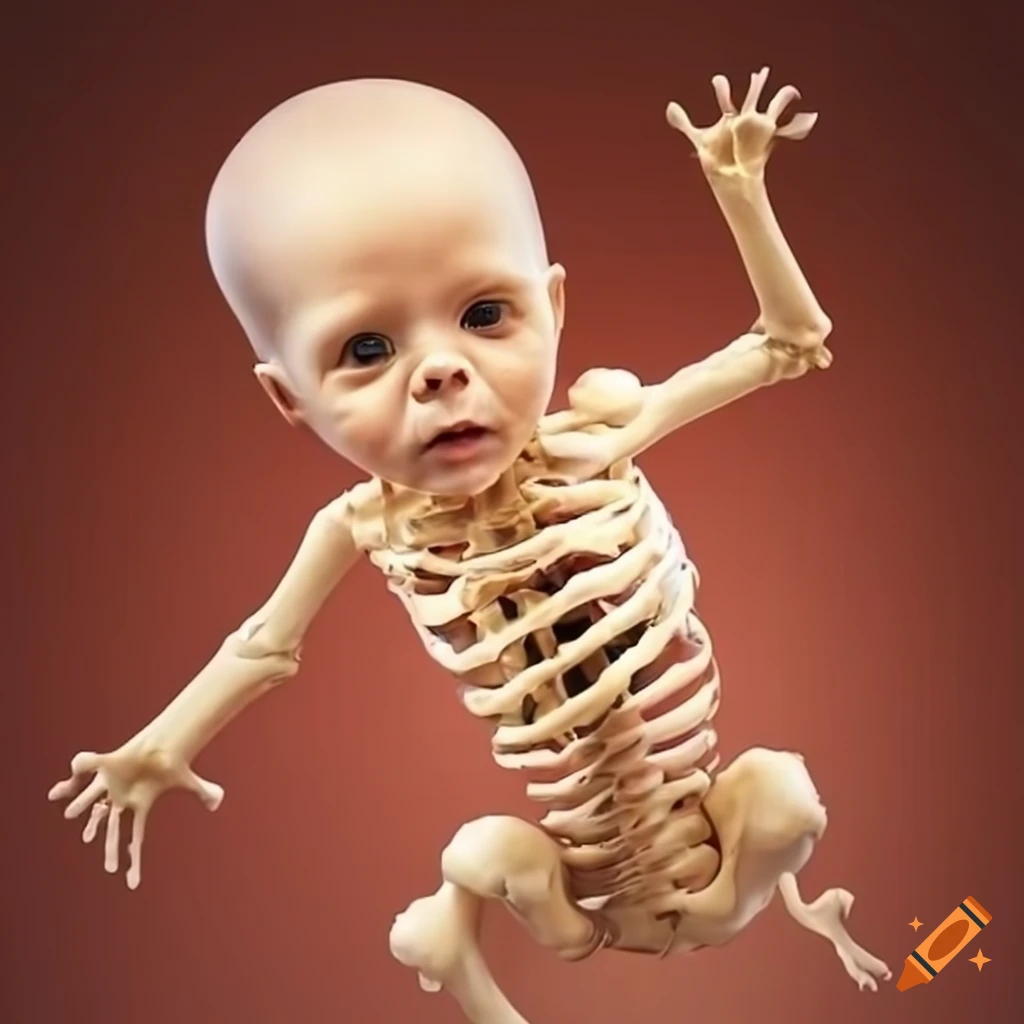
A baby is born with about 270 bones, though some references estimate nearly 300.
If you have wondered how many bones a baby has, the answer depends on how doctors count small bone parts and cartilage. Babies have more separate skeletal pieces than adults because several bones later join together as the body grows. This guide explains baby bone count, skull development, bone fusion, and what parents should know about normal growth.
How Many Bones Does a Baby Have?
A baby has about 270 bones at birth. Some anatomy references use a broader estimate of 275 to 300 bones because they count tiny bone sections, temporary structures, or developing parts in different ways.
Adults usually have 206 bones. The difference does not mean babies lose bones. Instead, several separate bones slowly fuse into larger bones during childhood and adolescence.
A simple way to picture this is to imagine a baby’s skeleton as a puzzle. At birth, some pieces are separate so the body can grow and move safely. Over time, many pieces join to form the stronger adult skeleton.
The number can vary slightly because:
• Some bones begin as separate pieces and fuse later.
• Some parts are still made of cartilage rather than hard bone.
• Different anatomy texts use different counting methods.
• Small bones in the skull, spine, and pelvis may be counted differently.
So, when someone asks how many bones a baby has, “about 270” is the most useful general answer.
Why Do Babies Have More Bones Than Adults?
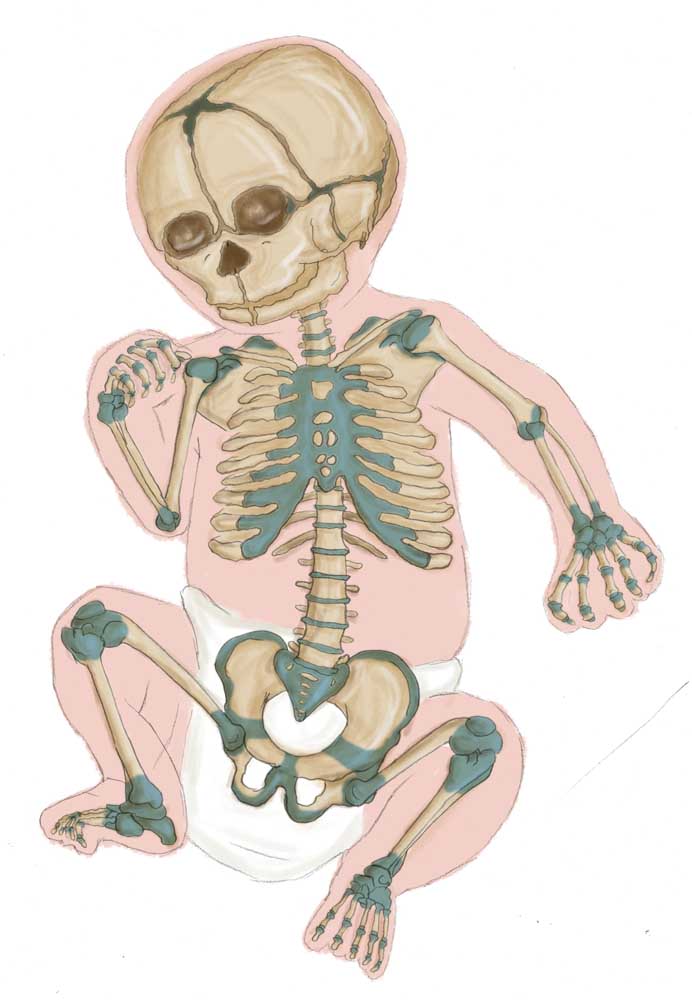
Babies have more separate bones because their skeleton is still developing. Bone growth is not finished at birth. Many bones begin as smaller sections connected by cartilage, soft tissue, or growth plates.
This flexible design serves several important purposes:
• It helps the baby pass through the birth canal.
• It allows rapid growth during infancy and childhood.
• It gives the brain and body room to develop.
• It supports movement as muscles become stronger.
• It allows bones to change shape as the child grows.
A newborn’s body changes quickly during the first year. Bones lengthen, become harder, and gradually join with nearby bones. This process is called bone fusion or ossification.
Ossification means that soft or developing tissue becomes harder bone. It begins before birth but continues for many years. Some bones do not fully mature until the late teenage years or early adulthood.
This is why the answer to how many bones a baby has is different from the answer for an adult. The baby skeleton is an active building project, not a finished frame.

How a Baby’s Skull Is Different
The skull is one of the clearest examples of why a baby has more separate bones. A newborn’s skull contains several bones that have not fully joined. Flexible seams, called sutures, connect these bones.
Babies also have soft spots called fontanelles. The two best-known fontanelles are:
• The anterior fontanelle at the top front of the head.
• The posterior fontanelle near the back of the head.
Fontanelles are not holes in the brain. They are soft, membrane-covered spaces between skull bones. They allow the skull to flex during birth and expand as the brain grows.
The posterior fontanelle often closes within the first few months. The anterior fontanelle commonly closes between about 12 and 18 months, although healthy timing can vary.
Parents may notice a soft spot that gently moves with the baby’s heartbeat. That can be normal. A pediatrician should assess a fontanelle that looks very swollen, deeply sunken, or noticeably different along with signs such as fever, vomiting, poor feeding, or unusual sleepiness.
The skull bones do not fuse too early under normal conditions. Early closure of one or more sutures is called craniosynostosis. It is uncommon, but a healthcare professional should evaluate unusual head shape or concerns about head growth.
Which Baby Bones Fuse as Children Grow?
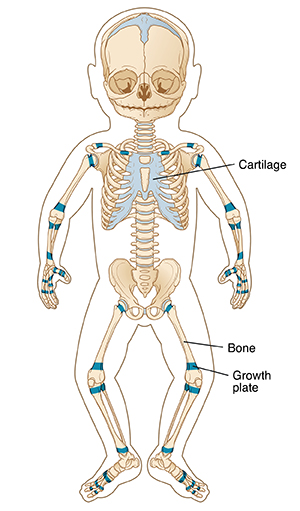
Several bones that are separate in infancy later join together. This changes the total bone count as the skeleton matures.
Important examples include:
The skull
The skull bones remain connected by sutures for years. These joints allow the growing brain to expand. Most skull growth happens early in life, although the sutures do not all disappear completely.
The pelvis
A baby’s pelvic bones begin as separate parts. The ilium, ischium, and pubis gradually fuse into one hip bone, also called the os coxae.
The sacrum
The sacrum sits at the base of the spine. It develops from several vertebrae that fuse together over time.
The coccyx
The coccyx, or tailbone, forms from several small vertebrae. These pieces may fuse gradually during later childhood or adulthood.
The long bones
Many long bones contain growth plates made of cartilage. These plates help the bones lengthen. When growth ends, the plates gradually close and become solid bone.
This gradual joining explains why how many bones a baby has cannot be answered with one perfectly fixed number for every child. Bone development is a process, and the timing differs from one body region to another.

Are Baby Bones Softer Than Adult Bones?
Yes. Baby bones are generally more flexible and contain more cartilage than adult bones. They are not weak in every sense, but they are still developing and can be injured by forceful handling.
A baby’s bones also have a higher water content and less mineral density than mature bones. As the child grows, minerals such as calcium and phosphorus strengthen the skeleton.
Flexibility can be helpful. It lets bones bend slightly and adapt during growth. However, flexibility does not make babies immune to fractures. A fall, accident, or forceful movement can still cause serious injury.
Safe handling matters every day:
• Support a newborn’s head and neck.
• Never shake a baby.
• Use an approved car seat on every trip.
• Keep furniture, stairs, and changing areas safe.
• Follow age and weight limits for baby equipment.
• Ask a healthcare professional about any swelling, pain, or reduced movement.
A baby who suddenly stops using an arm or leg, cries when a limb is touched, or develops swelling should receive prompt medical care. Do not try to straighten or test the limb yourself.
.jpg)
How Baby Bones Grow Strong
Healthy bone growth starts before birth and continues throughout childhood. Genes play a major role, but nutrition, movement, hormones, and overall health also matter.
Key supports for strong bones include:
• Breast milk or properly prepared infant formula during infancy.
• Vitamin D as advised by a pediatrician.
• Calcium-rich foods when solid foods are introduced.
• Iron-rich foods during the transition to solids.
• Safe floor play and age-appropriate movement.
• Regular medical visits to track growth and development.
Vitamin D helps the body absorb calcium. In the United States, many breastfed infants need a daily vitamin D supplement, but parents should confirm the correct product and dose with the baby’s pediatrician. Infant formula usually contains vitamin D, and needs can depend on how much formula the baby drinks.
Do not give extra calcium, vitamins, or herbal products without medical advice. Too much of some nutrients can be harmful, and supplements are not a substitute for balanced feeding.
Tummy time helps babies build muscle and develop movement skills. It does not directly increase bone count, but it supports healthy physical development. Always provide tummy time while the baby is awake and watched.
Common Misunderstandings About Baby Bone Count
The phrase “babies have 300 bones” is common, but it is not a universal exact number. It usually reflects a rounded estimate that includes separate developing bone sections.
Another misunderstanding is that bones vanish when a baby becomes an adult. They do not disappear. Most simply fuse together, so several early pieces become one adult bone.
It is also wrong to think that every soft spot is a missing bone. Fontanelles are normal spaces between skull bones. They are covered by strong membranes and are part of healthy skull development.
Parents may also hear that a baby’s bones are “like rubber.” This comparison is too simple. Infant bones are flexible, but they can still break. Any suspected injury deserves careful medical attention.
Reliable information should come from a pediatrician, a licensed healthcare professional, or a trusted medical education source. Online bone-count claims may leave out the difference between bone, cartilage, growth plates, and separate bone centers.
How Doctors Check Bone Development
Pediatricians do not usually count every bone during a routine visit. Instead, they assess overall growth and development.
A typical check may include:
• Measuring head circumference.
• Tracking weight and length.
• Watching movement and muscle tone.
• Checking the shape of the head.
• Examining the hips and limbs.
• Asking about feeding and activity.
• Reviewing developmental milestones.
If a doctor suspects a bone or growth problem, imaging may help. X-rays can show fractures and bone structure. Ultrasound is often useful for certain infant hip checks because it can examine tissues that are not yet fully hardened.
Doctors may also order blood tests when they are concerned about vitamin D, calcium, or another medical issue. These tests are not needed for every baby.
A normal variation in skull shape, movement, or bone development does not always mean disease. The child’s age, birth history, growth pattern, and physical examination all matter.
When Should Parents Call a Doctor?
Contact a healthcare professional if your baby has:
• A swollen, painful, or oddly shaped limb.
• A limb that the baby will not move.
• A head shape that changes quickly or looks unusual.
• A fontanelle that is persistently bulging or deeply sunken.
• Poor feeding, repeated vomiting, or unusual weakness.
• A possible fall or other injury.
• Delayed movement or a clear loss of a skill.
Seek emergency care after a serious fall, a head injury with concerning symptoms, trouble breathing, loss of consciousness, a seizure, or extreme difficulty waking the baby.
Avoid comparing your baby’s skull or movement with photos online. Babies develop at different rates, and images can be misleading. A pediatric examination is the safest way to understand whether a concern is normal.

Frequently Asked Questions About How Many Bones Does a Baby Have
How many bones does a newborn baby have?
A newborn baby has about 270 bones. Some references estimate 275 to 300 because they use different methods to count developing bone parts.
Do babies have 300 bones?
Some sources say babies have about 300 bones, but this is a rounded estimate rather than a fixed number. The commonly used medical estimate is about 270 bones at birth.
How many bones does an adult have?
Most adults have 206 bones. Many separate baby bones fuse during childhood, which is why the adult count is lower.
Why do baby skull bones have gaps?
The gaps, called fontanelles, give the skull flexibility during birth and allow room for the brain to grow. They are covered by protective membranes and gradually close as the skull develops.
When do a baby’s bones fuse?
Bone fusion happens at different times. Some skull, pelvic, and spinal bones join during childhood, while certain growth areas may finish maturing during the teenage years or early adulthood.
Are baby bones easy to break?
Baby bones are flexible, but they can still fracture. Never shake a baby, and have a healthcare professional assess swelling, pain, unusual movement, or refusal to use a limb.
Does crawling make a baby’s bones stronger?
Crawling supports muscles, balance, and movement skills. Along with proper nutrition and vitamin D, age-appropriate activity supports healthy physical development, though it does not change the number of bones.
Conclusion
A baby has about 270 bones at birth, while an adult usually has 206. The difference comes mainly from separate bone pieces that gradually fuse as the skull, pelvis, spine, and other areas mature.
Baby bones are flexible and still developing, so gentle handling, safe travel, proper nutrition, vitamin D guidance, and regular pediatric visits are important. If you notice an injury, unusual head shape, swelling, or a major change in movement, contact a healthcare professional promptly.
Keep learning about your baby’s growth, use trusted medical guidance, and share your questions with your pediatrician.