Introduction
Gripe water is not proven to treat colic, gas, reflux, or crying, and its safety depends on the exact product and the baby’s age. In the United States, many health professionals advise parents to avoid routine use because gripe water can contain herbs, sweeteners, sodium bicarbonate, or other ingredients that have not been well studied in infants.
A small amount may not harm every baby, but “natural” does not mean risk-free. Babies have delicate digestive and immune systems. Some products have also been recalled because of contamination or unsafe ingredients.
For a fussy baby in the U.S., the safest first step is to look for the cause of the crying and speak with the child’s pediatrician before giving gripe water.

What Is Gripe Water?
Gripe water is a liquid supplement sold for infants and young children. It is usually marketed for gas, hiccups, fussiness, colic, or stomach discomfort.
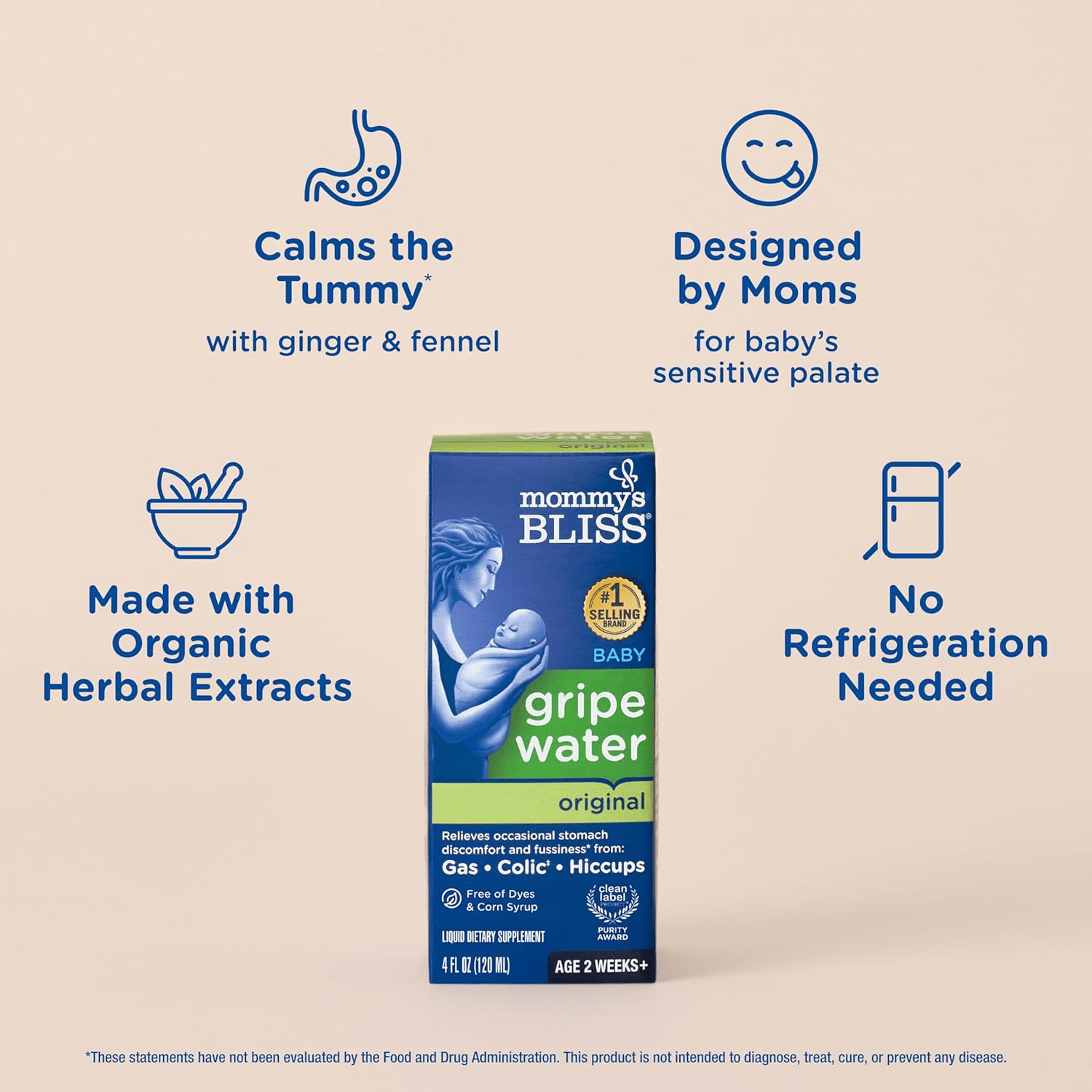
There is no single standard recipe for gripe water. One product may contain:
- Fennel, ginger, chamomile, or peppermint
- Sodium bicarbonate, also called baking soda
- Sugar or other sweeteners
- Water and preservatives
- Flavoring agents
- Other herbal extracts
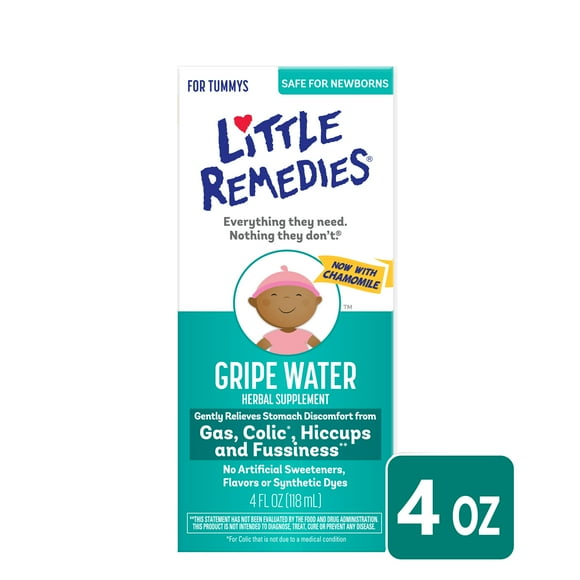
Some older products contained alcohol. Reputable products sold in the U.S. generally state that they are alcohol-free, but parents should still read the label carefully.
Gripe water is not the same as an oral rehydration solution. It is also not a medicine approved by the U.S. Food and Drug Administration (FDA) to treat colic, reflux, gas, or any other infant condition.
Is Gripe Water Safe for Babies?
No product can be assumed safe for every baby. The main concerns are the lack of strong safety research, changing ingredients, possible contamination, and the risk that gripe water may delay proper care.
The FDA does not approve dietary supplements for safety and effectiveness before they reach the market in the same way it approves prescription drugs. Manufacturers are responsible for making safe products and truthful claims, but product quality can vary.
The American Academy of Pediatrics recommends breast milk or iron-fortified infant formula as the main source of nutrition for young infants. Babies usually do not need extra water or herbal drinks. Giving extra liquids can also reduce the amount of breast milk or formula a baby takes.
A 2014 study in The Journal of Pediatrics found that gripe water use was common in some communities, but the study did not prove that gripe water works or that it is safe for all infants. Earlier research has also found little reliable evidence that gripe water eases colic.
The practical answer is simple: gripe water may not cause a problem in every case, but its benefits are unproven and its risks are avoidable.

Why Parents May Want to Avoid Gripe Water
Several issues make routine gripe water use a poor choice for many babies.
It has not been shown to treat colic
Colic means repeated, hard-to-soothe crying in an otherwise healthy infant. Doctors often use the “rule of three” as a rough description: crying for more than three hours a day, more than three days a week, for at least three weeks.
Colic often improves on its own by about 3 to 4 months of age. That does not mean the crying is imaginary. It means that many babies outgrow this phase as their nervous and digestive systems mature.
Research has not shown that gripe water reliably shortens crying episodes or treats the cause of colic.
Ingredients can upset a baby’s body
Infants may react to herbs or other ingredients with:
- Vomiting
- Diarrhea
- Constipation
- Rash
- Swelling
- Trouble breathing
- Changes in feeding
A baby’s small body also has less room for dosing errors. A liquid that seems harmless can provide a meaningful amount of sodium, sugar, or another compound.
Some products contain sweeteners
Sugar can add extra calories without useful nutrition. Frequent exposure to sweet liquids may also contribute to early tooth decay once teeth appear.
Honey is a special concern. Babies younger than 12 months must not receive honey because it can contain spores that cause infant botulism. Parents should check the full ingredient list, even when the front label uses words such as “natural” or “gentle.”
Sodium bicarbonate may be a concern
Some gripe water formulas contain sodium bicarbonate. Babies do not need baking soda to digest milk or formula. Too much sodium can disturb the body’s fluid and mineral balance.
Never give a homemade baking soda mixture to a baby. Do not use an adult antacid in place of gripe water.
Contamination and recalls are possible
Herbal products can become contaminated during manufacturing. The FDA has warned consumers about some infant products after concerns involving bacteria, including Cronobacter and other harmful germs.
A product recall does not mean every product is dangerous. It does show why parents should check the FDA recall database and follow safe storage directions. Do not use a bottle that is past its expiration date, has a broken seal, or looks or smells unusual.

Is Gripe Water Safe for Newborns?
Newborns should not receive gripe water unless a pediatrician specifically directs its use.
Newborns have immature kidneys, digestive systems, and immune defenses. Even a small amount of an unnecessary liquid can affect feeding or cause illness.
The Centers for Disease Control and Prevention recommends exclusive breastfeeding for about the first six months when possible. For babies who use formula, properly prepared infant formula provides the needed fluid and nutrients. The formula should be mixed exactly as the label states.
Do not dilute formula. Do not replace a feeding with gripe water. Do not give plain water, herbal tea, juice, or other drinks to a young infant unless the baby’s clinician gives clear instructions.
If a newborn is crying often, possible causes include hunger, a wet diaper, temperature discomfort, swallowed air, illness, constipation, or a feeding problem. A clinician can help separate normal fussiness from a condition that needs treatment.
Extra caution for premature or medically fragile babies
Ask the baby’s doctor before giving any nonprescription product if the baby:
- Was born prematurely
- Has kidney, liver, heart, or digestive disease
- Has trouble gaining weight
- Has swallowing problems
- Takes prescription medicine
- Has a weakened immune system
- Has a history of food or herb reactions
These babies may have a higher risk from fluid, mineral, or drug interactions.
Does Gripe Water Help With Gas, Reflux, or Hiccups?
There is not enough good evidence to show that gripe water treats gas, reflux, or hiccups.
Gas
Babies often swallow air while crying, feeding, or sucking. Helpful steps may include:
- Keep the baby’s head and neck supported during feeds.
- Check that the bottle nipple is not flowing too fast.
- Pause to burp during and after a feed.
- Keep the baby upright for a short time after feeding while awake.
- Avoid force-feeding.
Never prop a bottle or put a baby to sleep with a bottle. This can increase choking, ear infection, and tooth decay risks.
Reflux
Spitting up is common in young babies. Reflux often improves as the baby grows. However, poor weight gain, forceful vomiting, blood in vomit, breathing problems, or severe pain needs medical assessment.
Do not add cereal or thicken formula unless the pediatrician recommends it. Do not use gripe water as a reflux treatment.
Babies should sleep flat on their backs on a firm, empty sleep surface. Do not place a baby to sleep on the side, stomach, or an inclined product to reduce reflux.
Hiccups
Hiccups are usually harmless and often stop without treatment. Feeding more slowly and burping the baby may help. Gripe water is not required.
What to Do Instead of Gripe Water
Start with basic care and watch for signs of illness.
Try comfort measures
Depending on the baby’s age and health, parents can try:
- Feeding when the baby shows hunger cues
- Burping during and after feeds
- Holding the baby upright while awake
- Swaddling safely if the baby is not trying to roll
- Gentle rocking or walking
- A quiet, dim room
- Soft white noise
- Skin-to-skin contact
- A pacifier, if the baby uses one
- A warm—not hot—bath
Always place the baby on their back for sleep. If you feel overwhelmed, place the baby safely in the crib and take a short break. Never shake a baby.
Check feeding technique
A feeding problem can look like gas or colic. Ask a pediatrician or lactation professional to review:
- Latch and milk transfer
- Bottle position
- Nipple flow
- Formula mixing
- Feeding length and frequency
- Spit-up and stool patterns
- Weight gain
Do not change formula, restrict foods, or start supplements without medical advice. Some babies do have cow’s-milk protein allergy or another feeding issue, but the treatment depends on the diagnosis.
Keep a short symptom record
Write down:
- When crying starts and stops
- What and how much the baby eats
- Wet diapers
- Vomiting or diarrhea
- Stool changes
- Temperature
- What calms the baby
This record can help the clinician find patterns and decide whether testing or treatment is needed.

When to Call a Doctor or Seek Emergency Care
Call the baby’s pediatrician if crying is new, severe, worsening, or difficult to explain. Also call if the baby is feeding poorly, has fewer wet diapers, or is not gaining weight.
Seek urgent medical care for:
- A rectal temperature of 100.4°F (38°C) or higher in a baby younger than 3 months
- Trouble breathing, blue lips, or pauses in breathing
- Extreme sleepiness or difficulty waking
- A seizure
- Repeated or forceful vomiting
- Green vomit or blood in vomit
- Blood in the stool
- A swollen or hard belly
- Signs of dehydration, such as very few wet diapers, a dry mouth, or no tears when expected
- A weak, high-pitched, or unusual cry
- A baby who appears seriously ill
If a baby has a reaction after gripe water, stop the product and contact a health professional. For trouble breathing, facial swelling, collapse, or severe sleepiness, call 911.
For possible poisoning or a large dosing error in the U.S., contact Poison Control at 1-800-222-1222. Do not make the baby vomit unless a poison professional tells you to do so.

If You Decide to Use Gripe Water
The safest choice for many families is not to use it. If a pediatrician says it may be appropriate, reduce avoidable risks:
- Show the exact product to the clinician. Different brands and versions can have different ingredients.
- Read the entire label. Avoid products with honey, alcohol, unlisted proprietary blends, or ingredients your clinician has not reviewed.
- Follow the labeled dose. Use the supplied syringe or measuring device, not a kitchen spoon.
- Do not combine it with other supplements or medicines unless a clinician approves.
- Check the expiration date and seal.
- Store it as directed.
- Stop if the baby develops symptoms such as vomiting, diarrhea, rash, swelling, or breathing trouble.
- Do not use it to delay medical care.
Do not make homemade gripe water. Homemade formulas may have too much salt, baking soda, sugar, herbs, or contaminated water. They may also lack reliable dosing instructions.
Gripe Water Safety: A Quick Decision Guide
| Situation | Safer next step |
|---|---|
| Newborn is fussy | Call the pediatrician before giving any supplement |
| Baby has occasional gas | Review feeding and burping technique |
| Baby spits up but grows well | Ask the pediatrician about normal reflux |
| Baby has forceful vomiting or poor weight gain | Seek prompt medical care |
| Product contains honey | Do not give it to a child under 12 months |
| Product has unclear ingredients | Do not use it until a clinician reviews it |
| Baby has a rash or breathing problem after use | Stop the product; seek urgent care for severe symptoms |
| Parent feels overwhelmed by crying | Put the baby safely in the crib and take a break; never shake the baby |
Frequently Asked Questions
Can a 1-month-old have gripe water?
A 1-month-old should not receive gripe water unless the baby’s pediatrician gives specific advice. Newborn crying can have many causes, and young babies can become ill quickly.
Can gripe water cause diarrhea?
Yes. Herbs, sweeteners, preservatives, contamination, or an ingredient sensitivity may cause diarrhea. Diarrhea can lead to dehydration, which is more serious in young infants.
Can gripe water cause constipation?
It may not relieve constipation, and some ingredients could affect bowel movements. Do not give a baby water, juice, laxatives, or herbal products for constipation without medical advice.
Is alcohol-free gripe water safe?
Alcohol-free is safer than a product that contains alcohol, but it does not prove that the product works or is safe for every infant. The other ingredients, dose, age, and the baby’s health still matter.
Can gripe water be used every day?
Routine daily use is not recommended without guidance from a pediatrician. A baby who needs frequent gripe water needs an evaluation for feeding difficulty, reflux, allergy, constipation, infection, or another cause of discomfort.
What is the safest medicine for infant gas?
There is no universal best medicine. Ask the pediatrician before using simethicone or any other product. The right choice depends on the baby’s age, symptoms, feeding method, and medical history.
Bottom Line
Gripe water is not proven to treat colic, gas, reflux, or hiccups, and it is not risk-free. Newborns and young infants should not receive it without direct advice from a pediatrician. Products with honey, alcohol, unclear ingredients, or unsafe storage should be avoided.
For a fussy baby, begin with safe comfort measures and a feeding review. Contact the pediatrician if symptoms are severe, persistent, or unusual. When a baby has breathing trouble, a high fever, forceful vomiting, unusual sleepiness, or signs of dehydration, seek urgent care rather than trying gripe water.