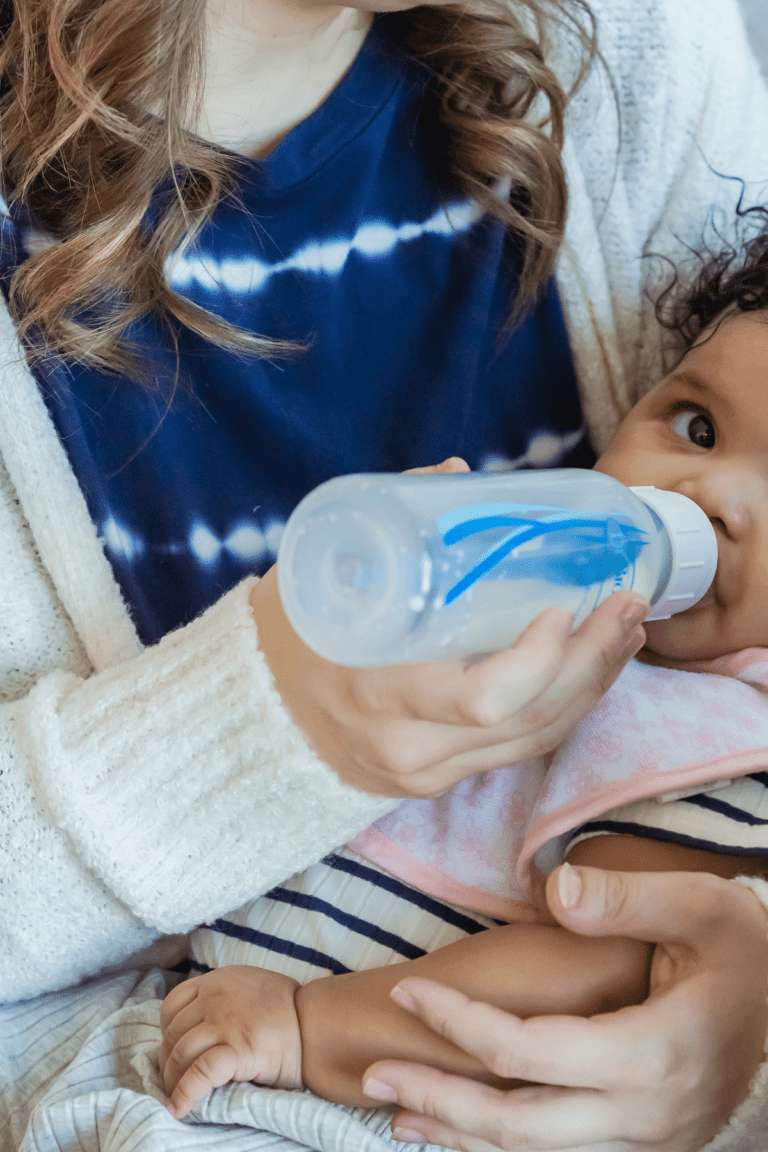
Most babies are fine without a burp, but gentle pauses can ease swallowed air and discomfort.
If you are wondering, “what if my baby won't burp after feeding,” you are not alone. Many healthy babies do not burp every time, especially after breastfeeding. This guide explains why burping may not happen, what gentle methods can help, when to stop trying, and which signs need medical care.
What if my baby won't burp after feeding?
If your baby will not burp after feeding but seems calm, alert, and comfortable, there is usually no need to worry. Some babies swallow very little air while feeding, so they may not need to burp.
Burping helps release swallowed air from the stomach. However, it is not a required step after every feed. A baby who does not burp may simply digest the feed without trouble.
When asking what if my baby won't burp after feeding, focus on your baby’s behavior rather than the sound of a burp. A peaceful baby who relaxes, feeds well, and has normal wet diapers is usually showing reassuring signs.
Try burping for about 5 to 10 minutes. If no burp comes out and your baby seems comfortable, you can stop and keep your baby upright for a short time.
Why some babies do not burp
Babies vary in how much air they swallow. A deep, well-positioned latch can reduce air intake during breastfeeding. Some bottle-fed babies may also swallow less air when the bottle nipple has a steady flow.
A baby may not burp because:
• The baby swallowed very little air
• The feeding was slow and relaxed
• The baby had a good latch
• The baby was fed in a more upright position
• The baby passed gas through the intestines instead
• The baby became sleepy before a burp formed
• The bottle nipple flow was suitable for the baby
Breastfed babies often burp less than bottle-fed babies, but this is not a strict rule. Bottle feeding can sometimes lead to more swallowed air, especially if the nipple flow is too fast or the bottle angle allows air into the nipple.
If you are searching what if my baby won't burp after feeding, remember that a missed burp does not automatically mean gas is trapped. Babies can release air later through passing gas or a small amount of spit-up.

How to burp a baby gently
When what if my baby won't burp after feeding becomes a concern, use calm and gentle methods. Burping should never involve hard pats, shaking, bouncing, or pressing firmly on the belly.
Try one of these positions.
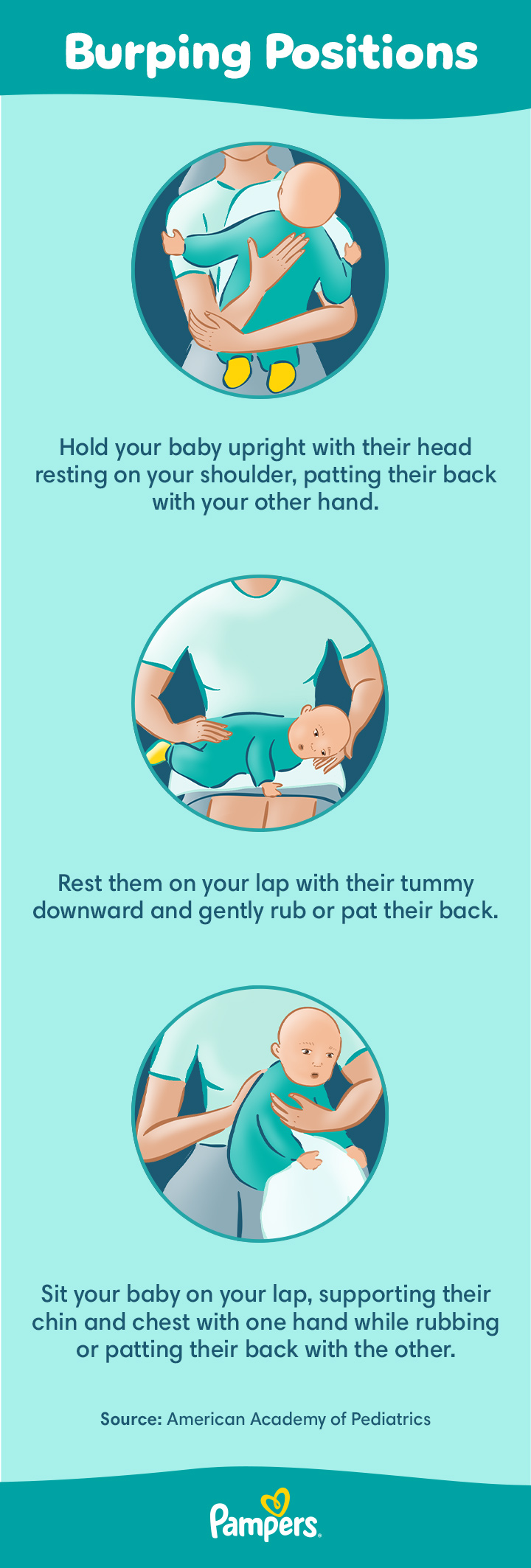
Hold your baby against your chest
Place your baby upright against your chest. Support the head, neck, and upper back with one hand. Use your other hand to gently pat or rub the back.
Slow, circular rubbing may work better than patting for some babies. Keep the baby’s face turned to the side so breathing remains easy.
Sit your baby on your lap
Sit your baby upright on your lap. Support the jaw and chest with your hand, but do not press on the throat. Lean your baby slightly forward and gently rub or pat the back.
This position can help if your baby becomes uncomfortable when held against your chest. Keep one hand supporting the head and neck at all times.
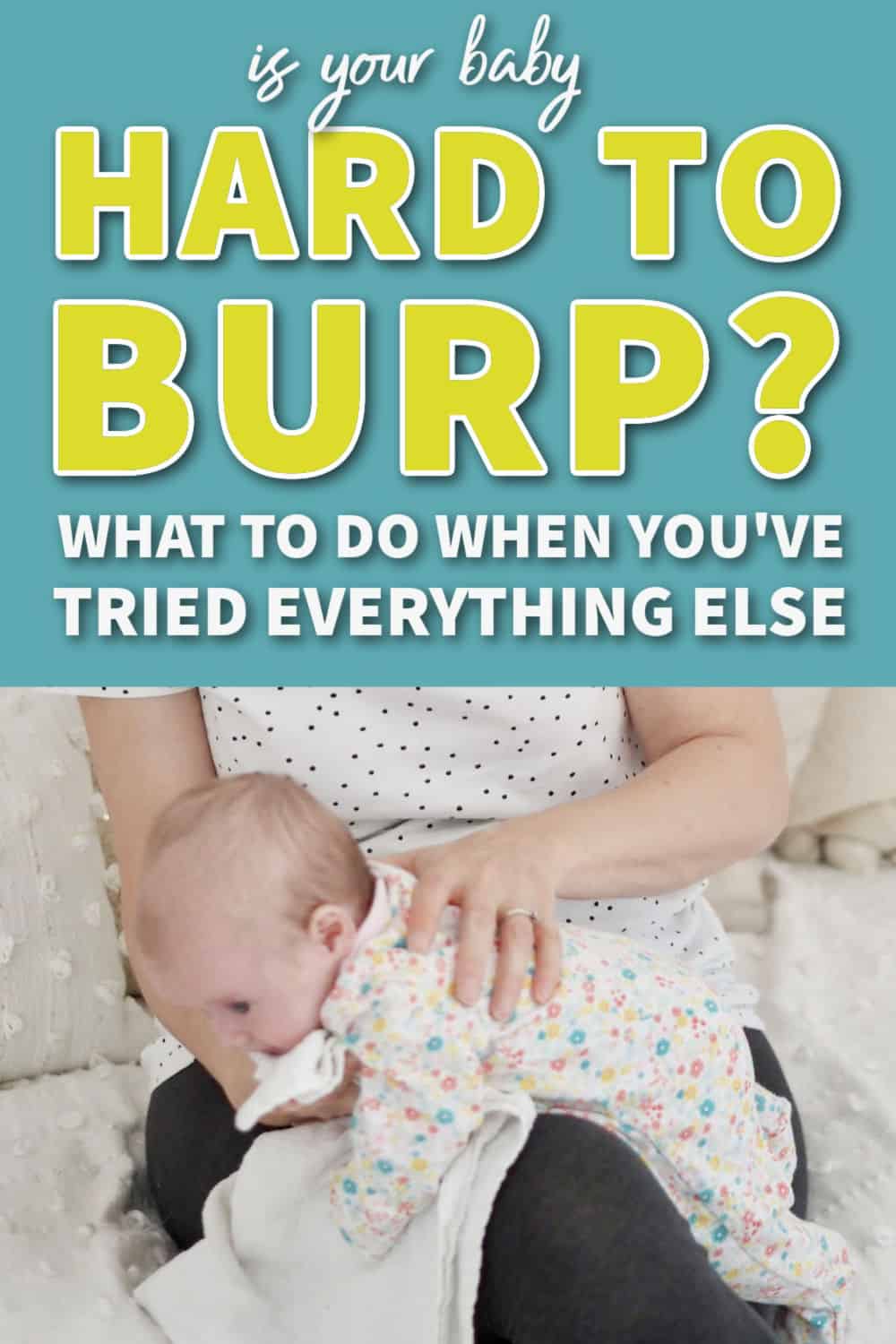
Lay your baby across your lap
Place your baby facedown across your lap, with the head slightly higher than the chest. Support the head and gently rub the back.
Never leave your baby unattended in this position. This is a burping position only, not a safe sleep position.
Change positions once
If your baby does not burp after a few minutes, change to another safe position. Sometimes a small change helps move air upward.
Do not keep trying for a long time. If your baby becomes upset, arches the back, or cries harder, pause the attempt and comfort your baby.
When to stop trying to burp
Knowing when to stop is an important part of what if my baby won't burp after feeding. Many parents feel they must keep patting until they hear a burp. That is not necessary.
Stop trying when:
• Your baby has been upright for about 5 to 10 minutes
• Your baby looks relaxed
• Your baby is breathing normally
• Your baby is not crying or showing pain
• Your baby begins to fall asleep comfortably
• Your baby has already passed gas
You can hold your baby upright for 10 to 15 minutes after feeding if spit-up is a concern. Keep your baby’s airway clear and support the head and neck.
When it is time to sleep, always place your baby flat on the back in a separate, firm, empty sleep space. Do not use a wedge, inclined sleeper, pillow, or positioner to prevent spit-up. These products can increase the risk of suffocation.
What to do if your baby seems gassy
What if my baby won't burp after feeding and seems uncomfortable? You can try gentle comfort measures after checking for hunger, a wet diaper, overheating, or tiredness.
Helpful options include:
• Hold your baby upright against your chest
• Give a slow back rub
• Move the baby’s legs gently in a bicycle motion
• Massage the belly in small, clockwise circles
• Offer a quiet, low-stimulation setting
• Check that clothing and diapers are not tight
• Pause during feeds before your baby becomes upset
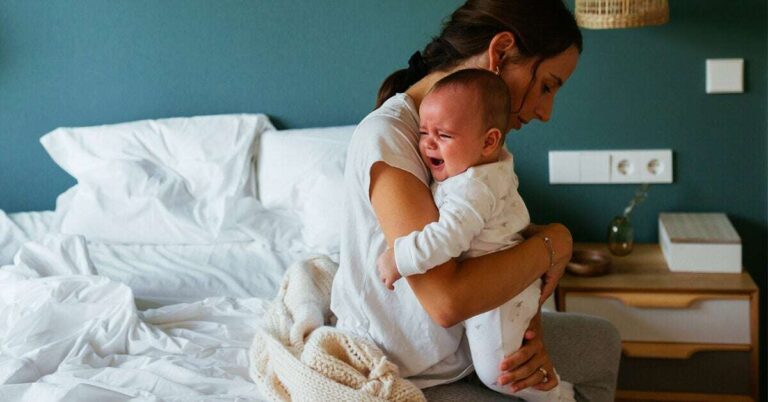
Crying while feeding can cause a baby to swallow more air. If your baby cries often at the breast or bottle, calm the baby before restarting the feed.
Do not give water, herbal tea, gripe water, or gas medicine unless your child’s health care professional recommends it. “Natural” products can still cause side effects or contain ingredients that are not well tested for infants.

Burping during and after bottle-feeding
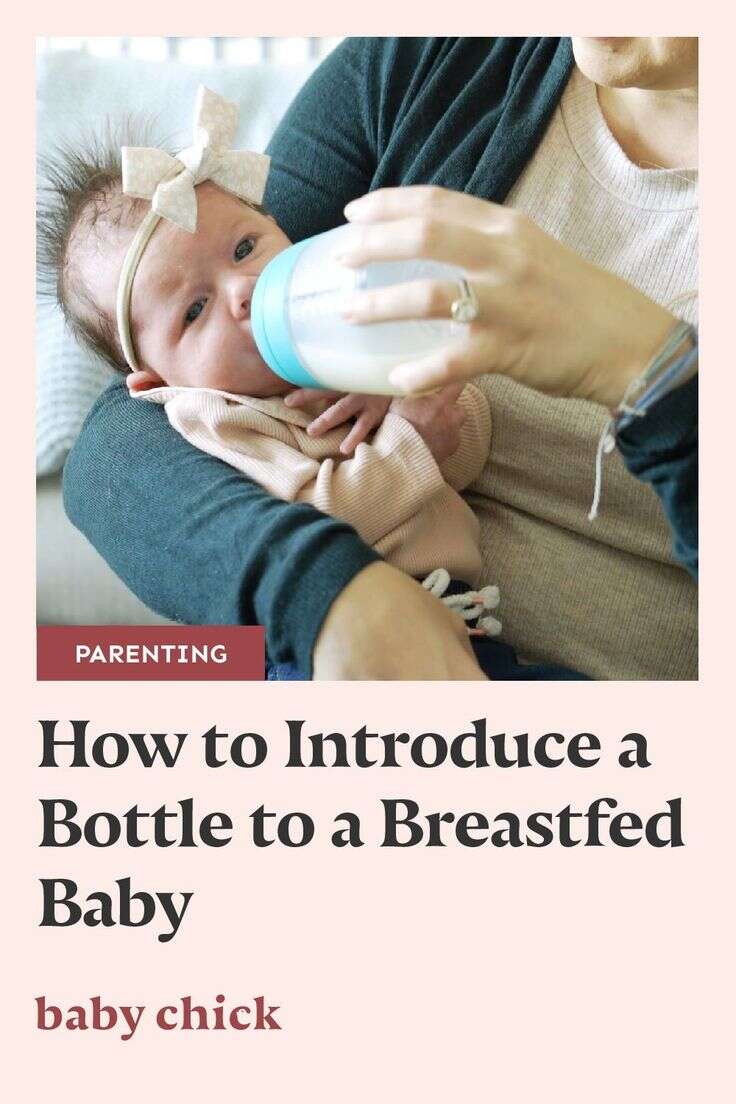
Bottle-fed babies may swallow air if the nipple flow is too fast, too slow, or partly filled with air. Keep the bottle tilted so the nipple stays full of milk. This can reduce the amount of air your baby takes in.
Consider a feeding pause after every 2 to 3 ounces, or sooner if your baby shows signs of discomfort. A pause can also help your baby notice fullness before taking too much milk.
Signs that the bottle flow may be too fast include:
• Gulping
• Choking or coughing
• Milk leaking from the mouth
• Pulling away from the bottle
• Fussing during the feed
• Taking very short, frantic breaths
Signs that the flow may be too slow include:
• Falling asleep soon after starting
• Sucking hard without much swallowing
• Becoming tired or frustrated
• Taking much longer than usual to finish
Ask your pediatrician or feeding specialist before changing nipple sizes if feeding problems continue. A faster nipple is not always the answer.
Burping during and after breastfeeding
If you are wondering what if my baby won't burp after feeding when breastfeeding, first check whether your baby is comfortable and feeding well. Many breastfed babies do not need a burp after every side.
You can pause when switching breasts. Hold your baby upright and try a gentle back rub for a few minutes. If no burp comes, continue feeding or finish the session if your baby appears satisfied.
A deep latch may reduce swallowed air. Signs of a good latch can include:
• The baby’s mouth is wide open
• More of the areola is in the mouth below the nipple
• The lips are flanged outward
• Sucking is steady
• You hear swallowing
• Feeding is not sharply painful
A lactation consultant can help if your baby repeatedly gulps, clicks, coughs, pulls away, or struggles to stay latched. These signs can have several causes, including milk flow, positioning, or oral coordination.

Reflux, spit-up, and burping
Small spit-ups are common in young babies because the muscle between the esophagus and stomach is still developing. Spit-up often looks like milk that gently flows from the mouth. It is different from forceful vomiting.
What if my baby won't burp after feeding but spits up later? A later burp or small spit-up can still happen. Keep the baby upright while awake and avoid tight waistbands or active play right after a feed.
Do not place the crib mattress at an angle. Research and safe-sleep guidance support placing babies on their backs on a firm, flat surface, even when they have reflux.
Contact a health care professional if spit-up is frequent and your baby is not gaining weight, refuses feeds, appears to be in pain, or has breathing problems. Reflux symptoms can overlap with other conditions, so an evaluation may be needed.

Signs that your baby may need help
Most cases of what if my baby won't burp after feeding are harmless. Still, discomfort after feeds can sometimes point to a feeding issue, milk allergy, reflux problem, infection, or another condition.
Call your baby’s health care professional if your baby:
• Repeatedly cries in pain after feeds
• Refuses several feeds
• Has trouble gaining weight
• Has fewer wet diapers than expected
• Regularly vomits large amounts
• Has persistent diarrhea or blood in the stool
• Coughs, chokes, or turns blue during feeds
• Has a swollen or very firm belly
• Seems unusually sleepy or difficult to wake
Seek urgent medical care for green vomit, bloody vomit, blue or gray lips, severe breathing trouble, a seizure, or a baby who is difficult to wake. For a young infant with a fever, contact a medical professional promptly because age matters when judging fever risk.
A trusted pediatric clinician can review feeding technique, weight gain, hydration, and symptoms together. One sign alone rarely gives the full answer.

Common mistakes parents make
Parents often feel pressure to produce a burp. That pressure can lead to vigorous patting or repeated position changes. Gentle handling is safer and usually more effective.
Avoid these common mistakes:
• Patting too hard
• Bouncing the baby
• Pressing the belly
• Laying the baby on the stomach for sleep
• Using an inclined sleep product
• Switching formula without professional guidance
• Giving unapproved gas remedies
• Forcing the baby to finish a bottle
• Treating every cry as trapped gas
A useful lesson from newborn care guidance is to watch the whole pattern. Feeding, comfort, breathing, wet diapers, stool, and growth matter more than whether one burp happens.
If you feel anxious, place your baby safely in the crib for a moment and take a breath. Calm, careful care is better than trying one more forceful technique.
A simple after-feeding routine
A short routine can make what if my baby won't burp after feeding less stressful.
- Finish the feed when your baby shows fullness or naturally stops.
- Hold your baby upright with the head and neck supported.
- Gently rub or pat the back for 5 to 10 minutes.
- Try one different burping position if your baby remains comfortable.
- Stop if there is no burp and your baby is calm.
- Keep the baby upright briefly if spit-up is a concern.
- Place the baby on the back in a firm, flat sleep space.
- Track feeding, wet diapers, and symptoms if concerns continue.
This routine keeps burping in its proper place. It can help, but it does not need to become a long battle after every feed.
Frequently Asked Questions
Is it okay if my baby does not burp after feeding?
Yes, many babies do not burp after every feed. If your baby is comfortable, feeds well, breathes normally, and has regular wet diapers, a missing burp is usually not a problem.
How long should I try to burp my baby?
Try for about 5 to 10 minutes using gentle rubbing or patting. If your baby remains calm and no burp comes out, you can stop.
Should I worry if my baby falls asleep without burping?
A baby may fall asleep because the feed was satisfying and little air was swallowed. Keep the baby safely supported, then place the baby on the back in a firm, flat sleep space.
What if my baby won't burp after feeding and cries?
Try holding your baby upright, checking the latch or bottle flow, and using a gentle back rub. If crying happens after most feeds or comes with vomiting, poor weight gain, breathing trouble, or feeding refusal, contact a health care professional.
Can a baby pass gas instead of burping?
Yes, swallowed air can move through the digestive system and leave as gas later. Passing gas is a normal way for the body to release air.
Is burping more important for bottle-fed babies?
Bottle-fed babies may swallow more air, depending on the nipple, flow, bottle angle, and feeding pace. Even so, not every bottle-fed baby needs to burp after every feed.
Can I lay my baby on the stomach to help with gas?
No. Stomach positioning may be used briefly while the baby is awake and supervised, but babies must sleep on their backs. Use a firm, flat, empty sleep surface for every sleep.
When should I call the pediatrician about burping?
Call if your baby has ongoing pain, repeated vomiting, feeding refusal, poor weight gain, fewer wet diapers, breathing trouble, or unusual sleepiness. Seek urgent care for blue lips, severe breathing problems, green vomit, or a baby who is hard to wake.
Conclusion
What if my baby won't burp after feeding? In most cases, nothing is wrong. A calm baby may have swallowed very little air or may release it later as gas.
Try a gentle burping position for 5 to 10 minutes, watch your baby’s comfort, and stop if there is no burp and your baby is relaxed. Avoid forceful patting, unsafe sleep positions, and unapproved remedies.
Trust the full picture: feeding, breathing, wet diapers, growth, and behavior. If symptoms seem unusual or persistent, contact your pediatrician or another qualified health care professional. Explore trusted newborn-care resources, and share your questions with your baby’s care team.