
A full size stroller is a sturdy, feature-rich baby stroller designed for daily use from infancy through toddlerhood.
When parents ask, “What is a full size stroller?” they usually want more than a simple definition. They want to know how it differs from a compact stroller, whether it fits their lifestyle, and which features truly matter. This guide explains the design, benefits, limits, safety points, and buying tips in clear, practical terms.
What Is a Full Size Stroller?
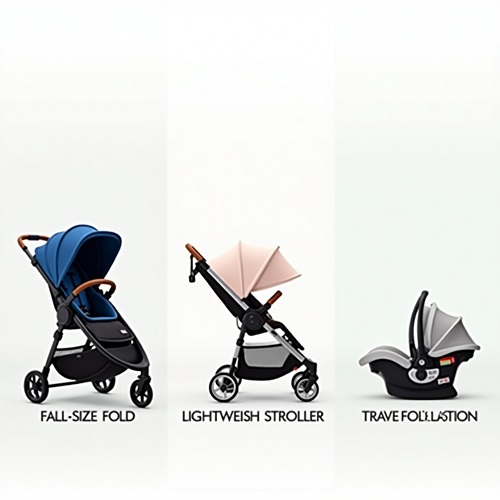
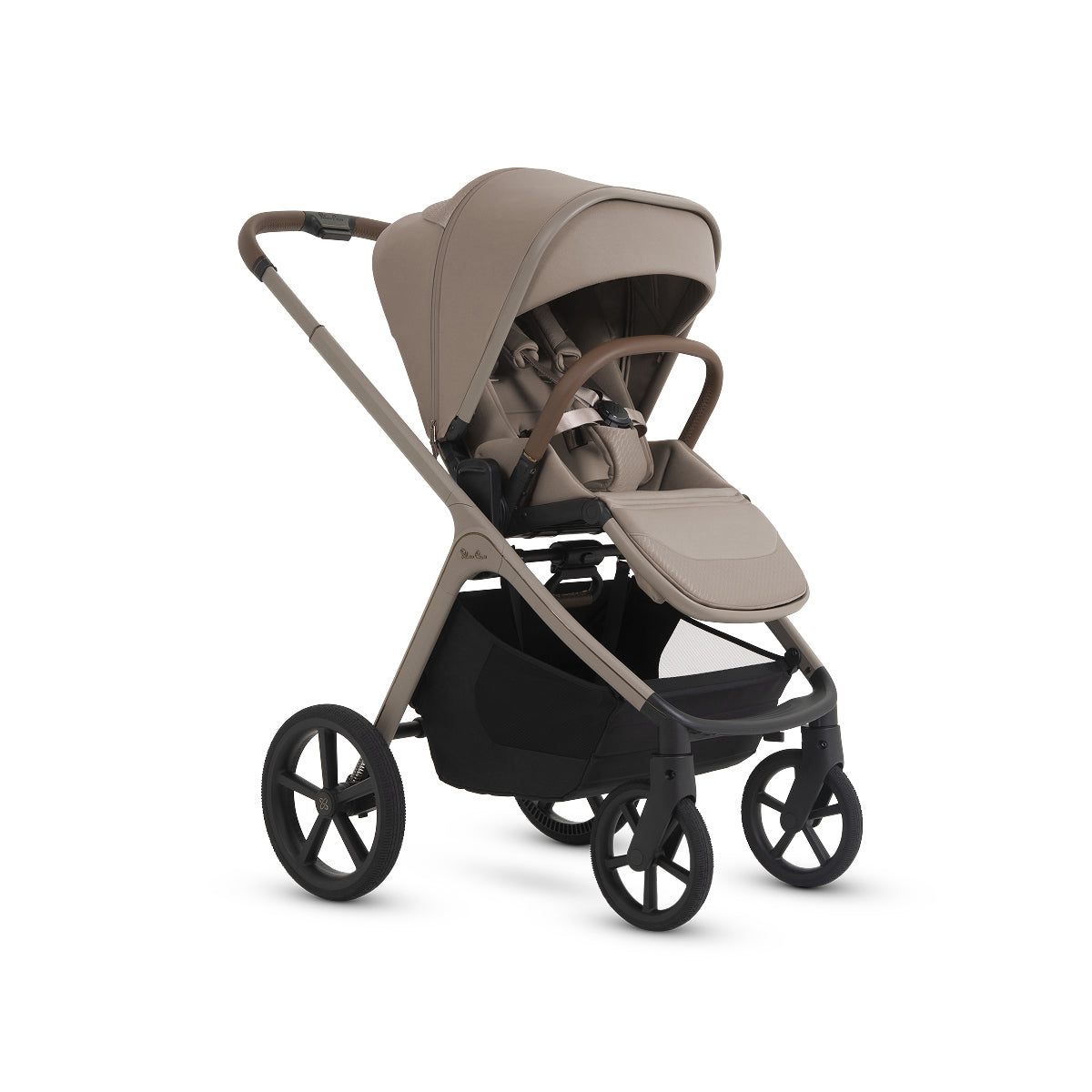
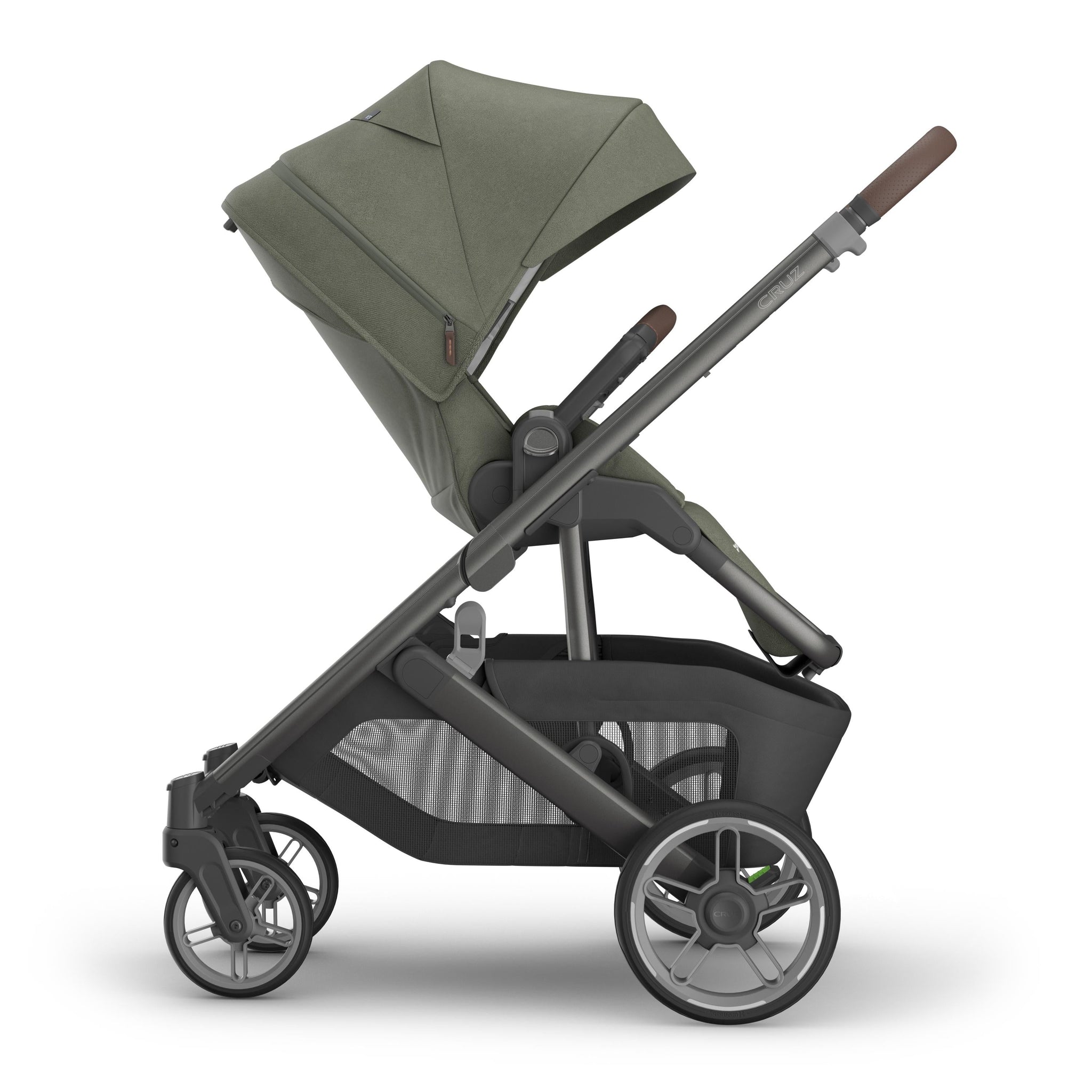
A full size stroller is a larger stroller built for comfort, storage, support, and long-term everyday use. It often includes a roomy seat, adjustable recline, a large sun canopy, a strong frame, and a spacious storage basket.
Many full size strollers work with newborn accessories, such as a bassinet or infant car seat. Some models convert into travel systems, double strollers, or reversible parent-facing seats. This makes a full size stroller a flexible choice for parents who want one main stroller for many stages.
Unlike an umbrella stroller, a full size stroller is not designed mainly for quick, light travel. Think of it as the family car of strollers: larger and heavier, but more comfortable and capable.
Key Features of a Full Size Stroller
The exact design varies by brand and model. Still, most full size strollers share several useful features.
Large and supportive seat
A full size stroller usually has a wider seat with more padding than a lightweight stroller. The seat may support a child from infancy to around 4 or 5 years, depending on the manufacturer’s height and weight limits.
Look for:
• A deep seat with side support
• An adjustable footrest
• A five-point harness
• Several recline positions
• A seat that can face forward or toward the parent
A fully flat seat does not always mean the stroller is safe for a newborn. Always check whether the manufacturer approves the position for infants who cannot sit alone.
Adjustable handlebar
Many full size strollers have a handlebar that moves up or down. This helps parents and caregivers of different heights push the stroller without bending their backs.
A good handlebar should feel firm and comfortable. Soft foam can feel pleasant, but it may wear faster than rubber or textured materials.
Large canopy
A wide canopy helps protect a child from bright sun, wind, and light rain. Some canopies include a peekaboo window, ventilation panel, or built-in sun protection.
A canopy is helpful, but it does not replace sunscreen, shade, or proper clothing. Infants also need close supervision in hot weather because strollers can become warm quickly.
Storage basket
One reason parents choose a full size stroller is the large under-seat basket. It can hold diapers, snacks, jackets, toys, and a small shopping bag.
Do not hang heavy bags from the handle unless the manufacturer allows it. Extra weight can make the stroller tip backward. Place heavier items low and near the center of the basket.
Strong wheels and suspension
Full size stroller wheels are often larger than those on compact models. Many also have suspension to soften bumps on sidewalks, grass, and packed dirt.
Suspension does not turn a stroller into an all-terrain vehicle. For rough trails, choose a model made for jogging or all-terrain use. Check the product instructions before using any stroller on uneven ground.

Full Size Stroller vs. Other Stroller Types
Understanding the differences can make shopping much easier. A full size stroller is one option in a broad stroller market.
Full size stroller vs. compact stroller
A compact stroller is smaller and easier to carry. It often folds quickly and fits well in small car trunks, apartments, and public transport.
A full size stroller usually offers:
• More padding
• Better storage
• Larger wheels
• More recline options
• Stronger suspension
• More room for accessories
The trade-off is extra weight and bulk. A compact stroller may be better for short trips, while a full size stroller may be better for daily walks and long outings.
Full size stroller vs. umbrella stroller
An umbrella stroller is usually lightweight and simple. It may have small wheels, limited padding, and a narrow storage area.
Umbrella strollers work well for older toddlers who can sit upright and do not need many features. A full size stroller is more useful when you need a larger basket, deeper recline, or infant car seat support.
Full size stroller vs. travel system
A travel system is a stroller and infant car seat designed to work together. Many travel systems use a full size stroller frame.
This means “full size stroller” describes the stroller’s size and design, while “travel system” describes a stroller and car seat combination. A full size stroller may be sold alone or as part of a travel system.
Full size stroller vs. jogging stroller
A jogging stroller has a fixed or locking front wheel, air-filled or large rubber tires, and a design made for faster movement. It often has better stability on uneven paths.
A full size stroller is made for normal walking. Do not run or jog with it unless the manufacturer clearly says it is approved for that use.
Benefits of Using a Full Size Stroller
A full size stroller can be a smart investment for families who want comfort and flexibility.
Comfortable for children
The roomy seat gives children space to move without feeling crowded. Good padding and a deep recline can also help a tired child rest during a long day.
This comfort matters during errands, park visits, travel, and family events. A child who feels supported may be more willing to stay in the stroller.
Useful from infancy through toddlerhood
Some full size stroller systems support newborn use with a bassinet or approved car seat adapter. Later, the child can move into the regular stroller seat.
This can reduce the need to buy several strollers. However, parents should follow the exact age, weight, height, and recline guidance for each mode.
Better for long walks
Larger wheels and a stable frame often make a full size stroller easier to push over cracks, curb cuts, and rough sidewalks. A good stroller should roll smoothly without pulling sharply to one side.
In hands-on stroller comparisons, one practical lesson stands out: wheel quality can matter more than a long feature list. A stroller with fewer extras but smooth steering may be more pleasant every day.
More storage for family life
Parents often carry more than expected. A large basket can hold a diaper bag, water bottle, spare clothes, and groceries.
Some models also include cup holders, snack trays, parent consoles, and zippered pockets. These features are useful, but they should not distract from safety and ease of use.
More configuration choices
A full size stroller may offer:
• Parent-facing seating
• Forward-facing seating
• One-hand recline
• Adjustable leg support
• Infant car seat compatibility
• Bassinet compatibility
• Ride-on board support
More options can be helpful, but they can also make the stroller heavier and harder to fold.
Limitations of a Full Size Stroller
A full size stroller is not ideal for every family or every trip.
It can be heavy
Many full size strollers weigh more than compact or umbrella models. Lifting one into a vehicle may be difficult for some parents.
Before buying, try lifting the folded stroller with one hand. If it already feels awkward in a store, it may become frustrating after a long day.
It takes up more space
A full size stroller may use much of a sedan trunk or a large section of an entryway. Measure both your vehicle and your home storage space.
Check the folded dimensions, not only the open dimensions. A stroller can look compact in a showroom but feel large once folded with the seat attached.
It may cost more
Full size strollers often cost more because they use stronger frames, larger wheels, better padding, and more moving parts. A higher price does not always mean better quality.
Focus on the features you will use often. A simple, well-built stroller may serve you better than an expensive model with accessories that stay in the box.
Folding may take practice
Some full size strollers fold with one hand, while others need two steps. A reversible seat may need to face forward before the stroller can fold.
Practice folding and unfolding before purchase. You should be able to do it without pinching your fingers or placing the stroller in an unstable position.

Is a Full Size Stroller Safe for Newborns?
A full size stroller can be safe for a newborn when it has an approved newborn mode and is used exactly as directed. Newborns need strong head and neck support because they cannot sit upright on their own.
Safe newborn options may include:
• A flat bassinet approved for the stroller
• A properly fitted infant car seat
• A manufacturer-approved newborn insert
• A seat that reclines fully and is specifically labeled for newborn use
Do not place a newborn in a regular upright seat unless the instructions approve it. Do not add an aftermarket pillow, cushion, or head support unless it is made and approved for that stroller.
The American Academy of Pediatrics advises caregivers to use a stroller according to the manufacturer’s instructions and to keep children properly restrained. A stroller is also not a routine sleep space. If a baby falls asleep while riding, move the baby to a firm, flat sleep surface when practical.
Safety Tips for Using a Full Size Stroller
A safe stroller depends on both its design and how you use it.
Use the harness every time
Fasten the five-point harness whenever your child rides. The straps should sit snugly over the shoulders and hips without pressing into the neck.
Never rely on the child’s age or balance. Even an older toddler can lean, stand, or climb when a parent looks away.
Engage the brakes
Set the parking brake whenever you stop, even on level ground. This is especially important near roads, stairs, pools, and slopes.
Do not leave a child alone in a stroller. A brake can stop rolling, but it cannot prevent every tip or fall.
Keep weight low
Store items in the basket rather than on the handlebar. Heavy handlebar bags can change the stroller’s balance.
Avoid placing a child who exceeds the listed weight limit in the seat. Also check the limits for baskets, car seat adapters, and ride-on boards.
Inspect the stroller
Before each use, check:
• Brakes
• Harness straps
• Wheels
• Frame locks
• Recline hinges
• Folding joints
• Car seat adapters
Stop using the stroller if the frame is cracked, the brake fails, or the locking system does not engage. Contact the manufacturer for approved replacement parts.
Check for recalls
Stroller safety standards and recall notices can change. In the United States, check current product recalls through the U.S. Consumer Product Safety Commission and register the product with the manufacturer when possible.
How to Choose the Best Full Size Stroller
The best full size stroller is the one that matches your daily routine. Start with your real needs rather than a long list of popular features.
Consider your child’s age
For a newborn, look for an approved bassinet, flat recline, or infant car seat compatibility. For an older toddler, focus on seat width, weight capacity, foot support, and easy cleaning.
Check the manufacturer’s limits carefully. Age ranges are general, but weight and height limits are product-specific.
Consider your travel habits
If you use a car often, test the folded size and lifting weight. If you walk every day, give more attention to wheels, suspension, handlebar comfort, and steering.
For public transportation, a compact fold and manageable weight may matter more than a large basket. For suburban errands, storage and wheel stability may be more valuable.
Test the fold
Try to fold the stroller while holding a diaper bag or pretending to hold a child’s hand. Ask yourself:
• Can I fold it without help?
• Does it stand when folded?
• Can I lift it safely?
• Does the seat need to be removed?
• Will it fit in my trunk?
This simple test can prevent one of the most common buying mistakes: choosing features over daily convenience.
Check car seat compatibility
Not every infant car seat fits every stroller. Even products from the same brand may require a special adapter.
Confirm the exact car seat model, stroller model, and adapter before buying. Avoid improvised straps or third-party parts that are not approved.
Think about cleaning
Children spill snacks, drinks, and milk. Look for a removable, washable seat cover or fabric that can be wiped clean.
Light colors may show dirt more easily. Dark fabric can become warmer in direct sun. Neither choice is automatically better, so consider your climate and habits.

Common Mistakes to Avoid
A full size stroller can be a long-term purchase, but small mistakes can reduce its value.
• Buying without measuring the trunk: Always compare your vehicle’s usable trunk space with the folded stroller dimensions.
• Ignoring stairs: A heavy stroller may be hard to carry in a walk-up apartment or older building.
• Choosing style over steering: A beautiful frame is less useful if the stroller pulls, rattles, or turns poorly.
• Adding unsafe accessories: Use only accessories approved by the stroller maker.
• Skipping the manual: The manual explains limits, folding steps, cleaning rules, and approved configurations.
• Using a stroller as a sleep space: Move a sleeping baby to a safe sleep surface as soon as practical.
• Forgetting future needs: Consider whether you may want a second child, a ride-on board, or a travel system later.
A practical lesson from comparing stroller designs is simple: test the stroller as if you were tired, rushed, and carrying groceries. That is when the real strengths and weaknesses become clear.
How to Maintain a Full Size Stroller
Good care can help a full size stroller work smoothly for years.
Clean it often
Wipe the frame and handle with a damp cloth. Follow the manual before washing fabric parts. Some fabrics can go in a washing machine, while others must be hand washed.
Remove crumbs from the seat joints and basket. Food can collect near the wheels and create odors or attract insects.
Care for the wheels
Check the wheels for hair, string, stones, and other debris. Clean the wheel area before using oil or lubricant.
Only use a lubricant recommended by the manufacturer. Too much oil can collect dust and affect the brake system.
Store it safely
Keep the stroller in a dry place away from extreme heat and moisture. Do not place heavy objects on top of it while folded.
If you store it for a long time, inspect the frame, fabric, and harness before using it again.
When Should You Buy a Full Size Stroller?
A full size stroller is often a strong choice when you want one main stroller for regular walks, errands, and family outings. It works especially well for parents who value comfort, storage, and long-term use.
You may prefer another type if:
• You travel often and need a very light stroller
• You live in a small space with little storage
• You mainly use public transportation
• You need a stroller for running
• You already own a newborn travel system and want a backup stroller
Some families use two strollers: a full size stroller for daily use and a compact model for travel. This can be practical if your budget and storage space allow it.
Frequently Asked Questions About What Is a Full Size Stroller
What is a full size stroller used for?
A full size stroller is used for daily walks, errands, travel around town, and longer outings with a baby or toddler. It usually offers more comfort, storage, support, and adjustment options than a lightweight stroller.
Can a full size stroller be used from birth?
Some full size strollers can be used from birth with an approved bassinet, infant car seat, or newborn seat setting. Always follow the manufacturer’s age, weight, height, and recline instructions.
What is the difference between a full size stroller and a lightweight stroller?
A full size stroller is usually larger, heavier, and more padded, with bigger wheels and more storage. A lightweight stroller is easier to carry and fold but may offer fewer features and less support.
How long can a child use a full size stroller?
Many full size strollers are made for children from infancy through the toddler years, often up to about 4 or 5 years. The correct stopping point depends on the model’s weight, height, and maturity limits.
Are full size strollers safe for sleeping?
A full size stroller is not usually a routine sleep space unless it includes a manufacturer-approved, flat sleep surface. If a baby falls asleep in a stroller, follow safe sleep guidance and move the baby to a firm, flat sleep surface when practical.
Is a full size stroller worth the cost?
A full size stroller can be worth the cost if you use it often and need comfort, storage, and long-term flexibility. It may not be worth it if you need a very light stroller for frequent travel or have limited storage space.
Can I take a full size stroller on an airplane?
You may be able to gate-check a full size stroller, but airline rules vary by carrier and route. Check the airline’s current stroller policy and measure the folded stroller before traveling.
Conclusion
A full size stroller is a sturdy, comfortable, and flexible option for families who want one dependable stroller for everyday life. It usually provides better storage, larger wheels, stronger support, and more adjustment options than a compact or umbrella stroller, but it also takes up more space and weighs more.
Before buying, compare the folded size, weight, seat limits, newborn options, safety features, wheel quality, and cleaning needs. Test the fold and steering in person when possible. Choose the stroller that fits your home, car, child, and routine—not simply the one with the longest feature list. Explore trusted product manuals and current safety guidance, then share your stroller questions or experience in the comments.